Meta Unveils Ultralight VR Glasses, Expanded Ray-Ban Lineup, and Record-Breaking Subsea Cable at Connect 2026

Meta Platforms used its annual Connect developer conference to aggressively redefine its hardware strategy, pivoting away from heavy, self-contained virtual reality headsets toward an ecosystem focused on extreme weight reduction, discreet AI audio gear, and advanced augmented reality displays. The centerpiece of the Tuesday night showcase in Silicon Valley was the announcement of the Meta VR Glasses, a radical departure from traditional VR architecture that offloads critical computing components into an external pocket-clipped puck. Alongside this flagship device, Meta detailed a sprawling hardware expansion that includes camera-free AI glasses, a third generation of its popular Ray-Ban collaboration, software upgrades for its HUD-equipped display glasses, and an unprecedented transoceanic infrastructure project.
The hardware announcements mark a major turning point for Meta’s Reality Labs division. For years, the market for standalone virtual reality has been dominated by bulky, all-in-one headsets like the Meta Quest series. While effective for gaming and media consumption, these devices have long faced criticism over ergonomics. The hardware weight required to house processors, cooling arrays, and batteries directly on the face has historically limited extended use, often causing user fatigue within an hour. Meta’s latest announcements signal a concerted effort to transition wearable technology from niche gaming accessories to ubiquitous, all-day computing and media consumption tools.
The Structural Evolution of Virtual Reality: Meta VR Glasses
Scheduled to ship in the spring of 2027 with a starting price of $1,299.99, the Meta VR Glasses weigh approximately 100 grams—roughly equivalent to a standard deck of playing cards. For context, this is more than five times lighter than the current Meta Quest 3, which tips the scales at 515 grams, and significantly lighter than Apple’s Vision Pro, which ranges between 750 and 800 grams for the headset alone.
To achieve this featherlight profile, Meta decoupled the core processing architecture from the visor. The frames themselves carry only the essential visual and auditory hardware, including micro-OLED displays, pancake lenses, outward-facing cameras, and open-ear speakers. A separate pocket-sized module, known as the puck, houses the Qualcomm Snapdragon Reality Elite processor, storage drives, and the primary battery system. This external hub connects to the glasses via a high-bandwidth optical tether, while clipping securely to a user’s clothing or bag strap.
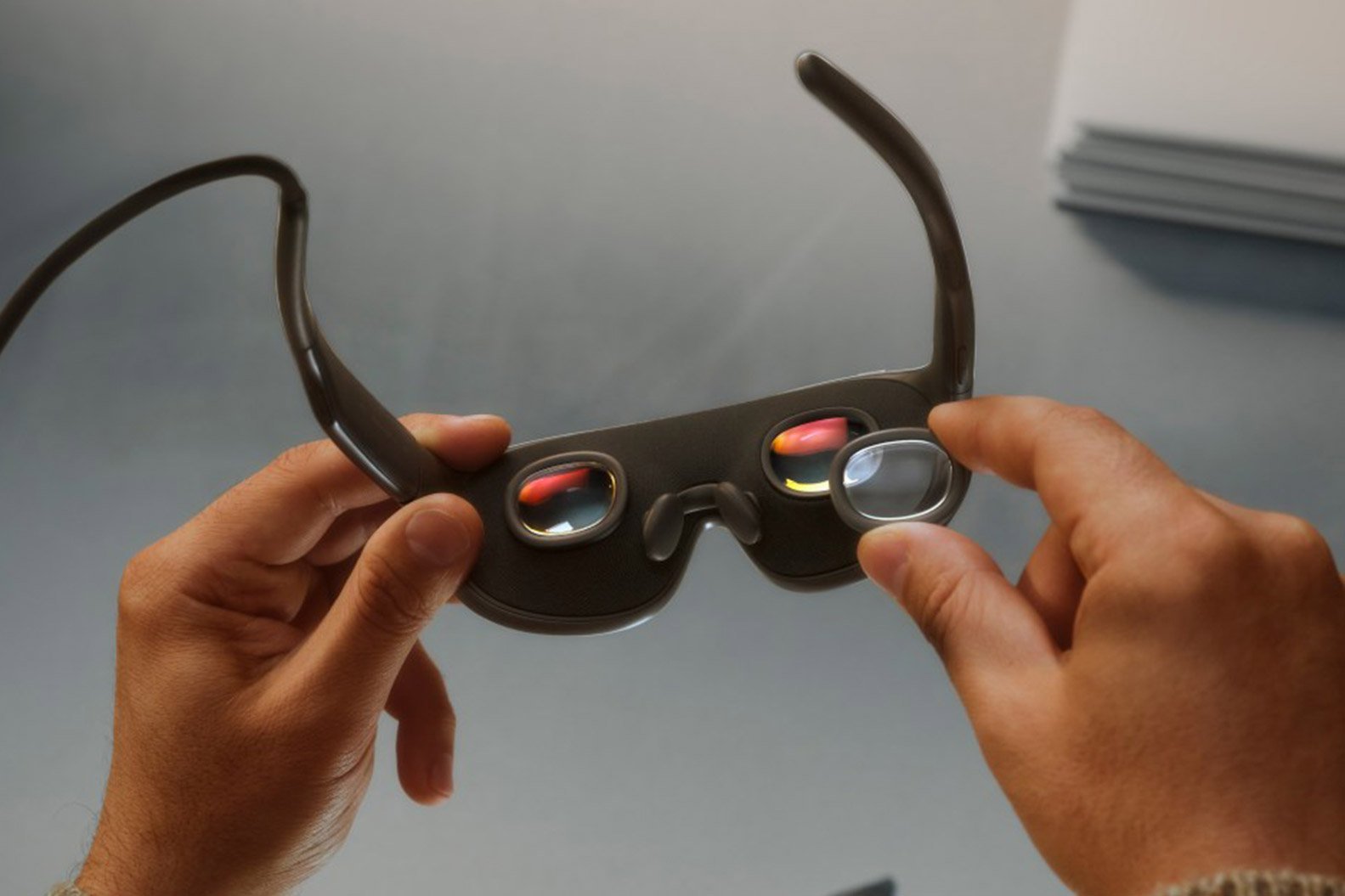
The technical specifications of the display represent a substantial leap forward. Meta has dubbed the system a 5K Infinite Display, utilizing micro-OLED panels that achieve a density of 37 pixels per degree (PPD). This pixel density drastically outpaces the LCD panels used in the Quest 3, which hover around 25 PPD, promising noticeably sharper text rendering and crisper virtual monitor displays. Furthermore, the micro-OLED technology allows for true black levels, earning the device certification for Dolby Vision and positioning it as the first IMAX Enhanced certified VR hardware.
Despite these advancements, early technical reports and demonstrations have highlighted potential trade-offs. The field of view (FOV) for the Meta VR Glasses is estimated at roughly 70 degrees horizontal by 66 vertical, a marked reduction from the Quest 3’s 110 by 96-degree field of view. This narrower perspective creates a viewing experience more akin to looking at a massive theater screen rather than being fully immersed in a 360-degree virtual environment. Additionally, the puck’s integrated battery is rated for up to three hours of continuous high-resolution media playback, supporting 45-watt fast charging, though battery longevity during intensive gaming sessions remains unverified. Control inputs rely entirely on eye-tracking, natural hand gestures, and spoken commands processed through an integrated Meta AI agent, entirely omitting physical controllers from the base package.
Expanding the Smart Glasses Portfolio: Audio-Only and Third-Generation Ray-Bans
Meta’s consumer smart glasses lineup, developed in partnership with EssilorLuxottica, has emerged as one of the company’s most successful hardware categories. At Connect 2026, Meta updated this ecosystem with specialized variants tailored to distinct consumer preferences regarding privacy and functionality.
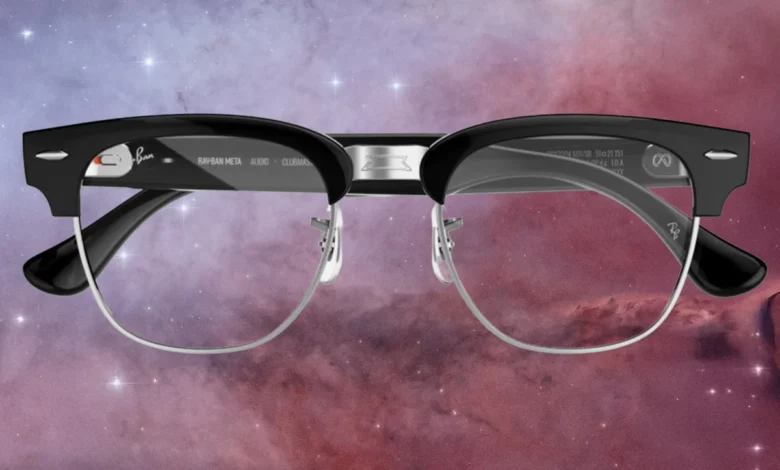
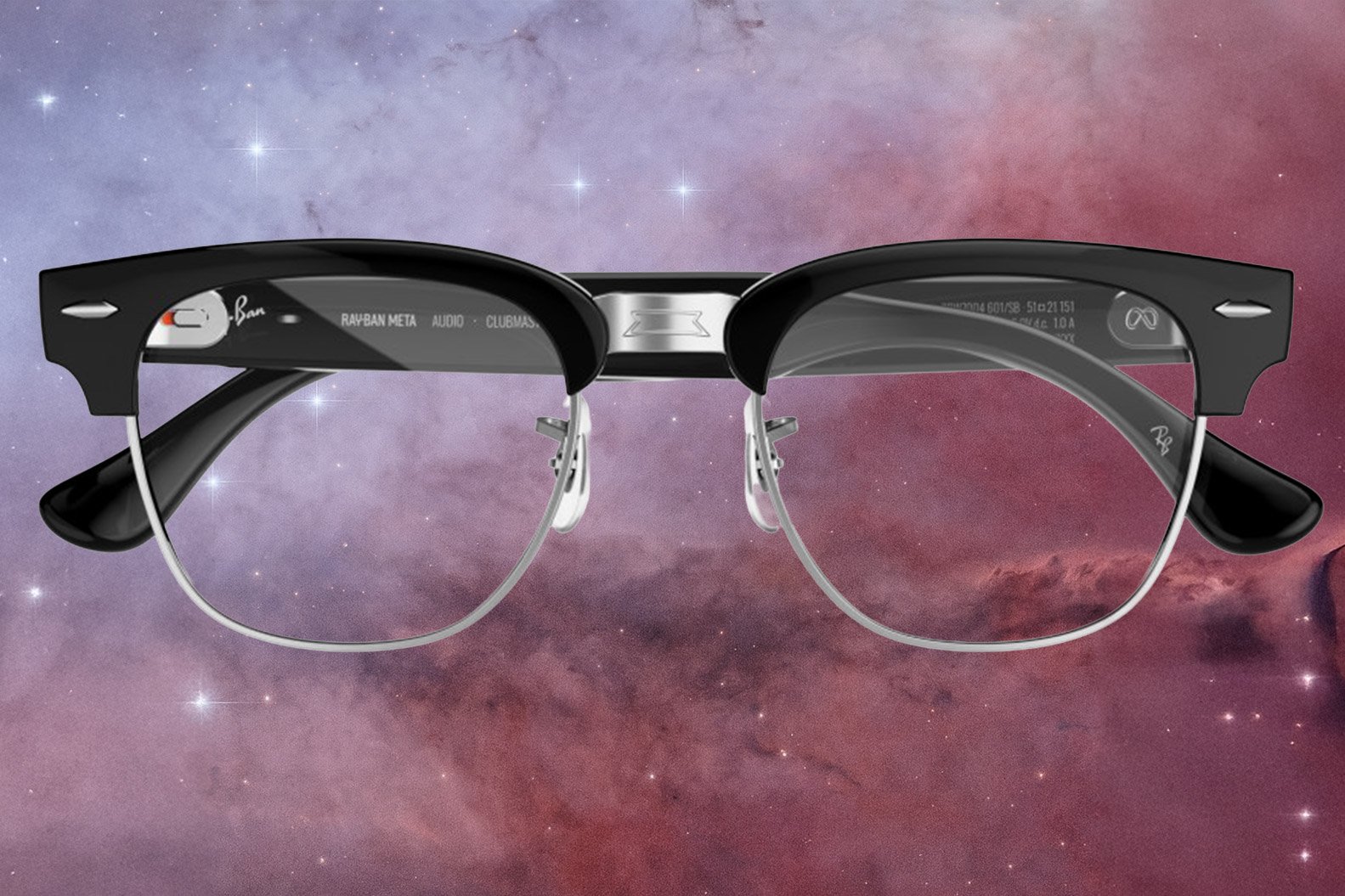
The newly introduced Ray-Ban Meta Audio addresses privacy concerns by entirely removing the integrated camera system. Priced at $349 with preorders open immediately ahead of an October 13 shipping date, the camera-free frames weigh 43 grams and focus strictly on open-ear spatial audio, microphone arrays for telephony, and localized Meta AI integration. By omitting the camera sensor and its accompanying recording indicator LED, Meta aims to target consumers who desire smart audio features and voice assistance without triggering social friction or privacy anxieties in public spaces. The audio-only model boasts a battery life of up to 12 hours per charge, with an additional 48 hours stored in the charging case.
Simultaneously, Meta launched the third generation of its camera-equipped Ray-Ban Meta line at $449. Featuring a slimmer physical profile than its predecessor, the Gen 3 models extend battery life to nine hours and introduce a customizable physical action button for immediate access to Meta AI. The device features an upgraded six-microphone array capable of eliminating over 90 percent of background environmental noise during phone calls. Its 12-megapixel camera captures 3K video and incorporates a Dynamic Photos burst-selection mode. Later this year, a software update will enable these glasses to capture and play back video in Dolby Atmos with 360-degree spatial sound.

Meta also expanded its house-brand eyewear offerings with the introduction of the Meta Adventurer line, starting at $249 with an October 23 launch date. With various designer collaborations—including special editions featuring Kylie Jenner and BLACKPINK’s LISA—Meta projects that its total eyewear catalog will exceed 100 distinct style options across the Meta, Ray-Ban, and Oakley brands by the end of 2027.
Software Enhancements for the Meta Ray-Ban Display
The Meta Ray-Ban Display, the company’s $799 augmented reality glasses featuring a visual heads-up display in the right lens and an electromyography (EMG) neural wristband, received significant software enrichment during the event. Rather than introducing new hardware, Meta focused on functional integration for the existing platform.
Beginning later this month in the United States and Canada, the display will support turn-by-turn cycling navigation and live public transit departure schedules directly within the user’s field of vision. A newly developed contextual walking navigation mode relies on visual landmark recognition rather than traditional street names, delivering localized guidance such as instructing a user to turn left at a specific storefront or architectural feature rather than a numerical street intersection.
Furthermore, the platform is introducing "Hologram Calling," a feature that utilizes a one-time facial scan generated via the Meta AI app. During supported video calls on platforms like WhatsApp, the glasses transmit a photorealistic digital avatar capable of dynamically reflecting the user’s micro-expressions and speech patterns without requiring an active camera pointed at the face. Additional productivity features, including mirrored smartphone notifications, calendar management, and direct browsing for Meta’s Threads platform, are scheduled to roll out through the fall. Regionally, the Ray-Ban Display is expanding its commercial availability, opening online sales in the United Kingdom alongside the U.S. and Canada, with preorders initiating across France, Italy, and Germany ahead of an October 13 European launch.
Media Partnerships and Entertainment Ecosystem
Meta’s strategic messaging during the Connect keynote heavily emphasized content consumption over traditional gaming, highlighting partnerships with major media conglomerates to establish the new hardware platforms as viable personal entertainment centers.
Disney+ integration is slated for November in select markets, bringing stereoscopic 3D versions of major Marvel and Star Wars cinematic releases to the platform, accompanied by a dedicated Disney Immersive Cinema application developed by Industrial Light & Magic. Additional streaming providers joining the ecosystem include Prime Video, YouTube, HBO Max, Paramount+, Peacock, and Crunchyroll. Furthermore, a newly announced collaboration with James Cameron’s Lightstorm Vision aims to systematically remaster blockbuster cinematic titles into 3D formats specifically optimized for Meta’s hardware starting in 2027.
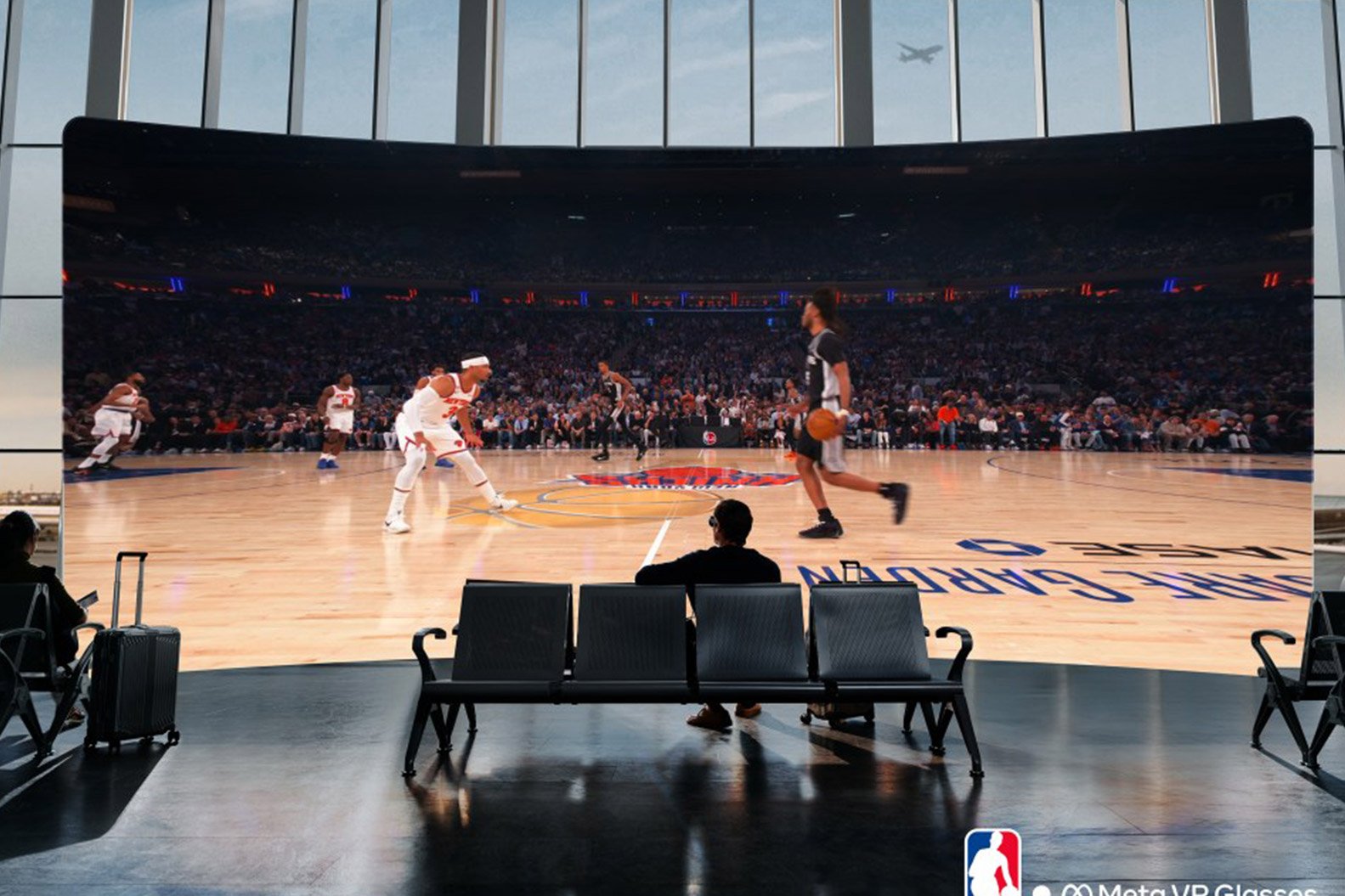
In the live sports sector, Meta announced agreements with ESPN, TNT Sports, NBC Sports, Major League Baseball, and the Ultimate Fighting Championship to deliver more than 100 live, immersive sports broadcasts annually. Streamed in 8K resolution with 180-degree stereoscopic fields of view, these broadcasts allow viewers positioned virtually behind home plate or courtside to look around stadiums naturally using head-tracking capabilities.
Infrastructure Investments: The Petal Subsea Cable Project
Shifting focus from consumer hardware to global telecommunications infrastructure, Meta announced the development of Petal, a massive 7,000-kilometer subsea fiber-optic cable spanning the Atlantic Ocean between the United States and the coast of France.
Scheduled for completion in 2029, Petal is engineered to be the world’s first petabit-per-second capacity transoceanic cable, effectively doubling the data transmission thresholds of existing undersea communication links. Meta estimates that the cable’s throughput capacity would theoretically be capable of streaming audio simultaneously to roughly 75 percent of the global population. Constructed in partnership with NEC, Sumitomo Electric, and Orange, the system utilizes advanced multi-core fiber technology to pack multiple light-carrying cores into a single standard-sized strand, significantly increasing data density without requiring a proportional escalation in electrical power consumption or physical cable diameter.
Market Implications and Industry Outlook
Meta’s aggressive product rollout at Connect 2026 demonstrates a clear industrial strategy: dividing the wearable computing market into lightweight, socially acceptable audio-and-notification assistants for daily outdoor use, and specialized, high-fidelity media viewing platforms for stationary environments.
By separating the heavy computational load from the face with the upcoming Meta VR Glasses, Meta is directly challenging traditional ergonomic limitations that have slowed mainstream enterprise and consumer adoption of virtual reality. However, the success of these initiatives will depend heavily on consumer reception to the $1,299.99 price point for the flagship VR glasses, the practical utility of the narrow field of view, and the ongoing expansion of developer support for gesture-based, controller-free interfaces. As the consumer technology sector moves closer to an era defined by ambient artificial intelligence and lightweight spatial computing, Meta’s latest hardware portfolio establishes a rigorous benchmark for competitors navigating the delicate balance between processing power, battery constraints, and physical comfort.
Related posts: