
The Emergency Brake Dilemma
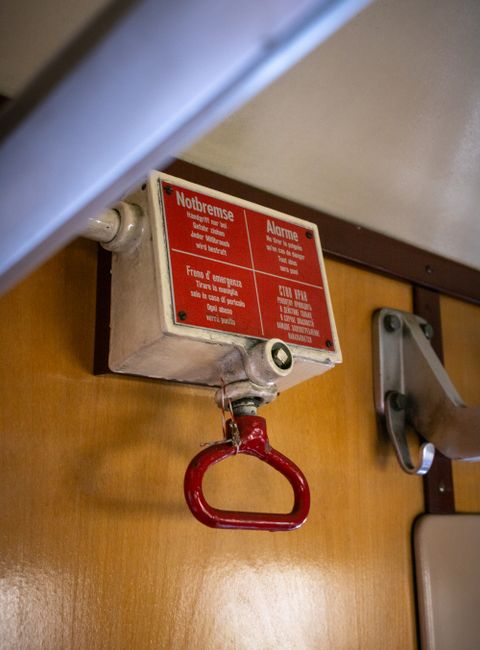
The Emergency Brake Dilemma: Understanding, Operation, and Crucial Implications
The emergency brake, also known as the parking brake or handbrake, is a vital safety mechanism in every vehicle, yet its proper operation and potential failure modes often present a complex dilemma for drivers. This system, distinct from the primary hydraulic braking system, is designed for two primary purposes: securing a stationary vehicle and providing a secondary means of stopping in the event of primary brake failure. Misunderstanding its function, neglecting its maintenance, or misusing it can lead to dangerous situations, ranging from minor vehicle damage to severe accidents. The emergency brake dilemma encompasses not only the driver’s knowledge and actions but also the mechanical reliability of the system itself and the circumstances under which it becomes critically important.
At its core, the emergency brake operates mechanically, typically engaging the rear wheels, although some systems might utilize the driveshaft. Unlike the hydraulic brake pedal which actuates caliper pistons to press brake pads against rotors, the emergency brake usually employs a cable system. When engaged, this cable pulls on levers or arms connected to the brake shoes (in drum brakes) or brake pads (in disc brakes), forcing them to contact the braking surfaces and create friction. This mechanical linkage bypasses the hydraulic fluid, making it an independent system. The engagement mechanism varies, from a traditional lever between the front seats that is pulled upwards, to a foot-operated pedal typically located to the left of the driver’s footwell, to increasingly common electronic parking brake (EPB) buttons or switches. Each type has its own nuances in operation and potential failure points. For instance, a manual lever can become stiff or loose, a foot pedal can have its cable stretch or break, and an EPB, while convenient, relies on electronic actuators and motors that can malfunction.
The primary function of the emergency brake is to prevent a parked vehicle from rolling. This is particularly critical on inclines, where gravity exerts a significant force. A driver might engage the emergency brake in conjunction with the transmission’s "Park" setting (for automatics) or by leaving the vehicle in gear (for manuals) as a redundant safety measure. Failure to engage the emergency brake on a steep hill can result in a runaway vehicle, posing a severe hazard to pedestrians, other vehicles, and property. The dilemma here arises from complacency. Many drivers, accustomed to modern vehicles with robust automatic transmissions and sophisticated parking systems, may underestimate the necessity of the emergency brake, especially for short stops or on seemingly flat surfaces. However, even slight inclines can become significant over time, and unforeseen circumstances like a transmission malfunction or a sudden jolt can dislodge a vehicle if only relying on the transmission for parking.
The secondary, and arguably more critical, aspect of the emergency brake dilemma lies in its role as a backup in primary brake failure. Imagine a scenario where the hydraulic brake lines rupture, the master cylinder fails, or the brake fluid leaks out. In such an emergency, the driver’s only hope of slowing down or stopping the vehicle is the emergency brake. However, the effectiveness of the emergency brake in this situation is directly tied to its condition and maintenance. A neglected emergency brake, with frayed cables, seized mechanisms, or worn brake components, will be largely ineffective when it’s needed most. The dilemma is stark: a life-saving system that might be rendered useless through a lack of attention. Drivers must regularly test their emergency brake by gently applying it at low speeds to ensure it holds the vehicle firmly. It should also engage with a reasonable amount of pull on a lever or push on a pedal, and the braking action should be smooth and consistent, not juddering or ineffective.
The "emergency" in emergency brake can also be interpreted in the context of a controlled skid or a maneuver to avoid an obstacle. In some advanced driving situations, experienced drivers might intentionally use the handbrake to initiate or control a slide, particularly in racing or rally driving. However, for the average motorist, attempting such maneuvers with an emergency brake is incredibly dangerous and can easily lead to loss of control and accidents. The dilemma here is one of skill versus system capability. While the emergency brake can induce a slide by locking the rear wheels, it’s a blunt instrument that can quickly overwhelm the driver’s ability to regain control, especially if the vehicle is not designed for such use or if the driver lacks the necessary training. Misjudging the force required, the surface conditions, or the vehicle’s response can turn a perceived solution into a catastrophic problem.
Maintenance of the emergency brake system is paramount to averting the associated dilemmas. Cables can stretch over time, requiring adjustment. Brake shoes or pads associated with the emergency brake can wear out and need replacement. The mechanisms themselves, especially in older vehicles, can corrode or seize up due to lack of use and exposure to the elements. Regular inspections should be part of a vehicle’s routine maintenance schedule. This includes checking the cable tension, ensuring smooth operation of the lever or pedal, and verifying that the brakes engage effectively. For electronic parking brakes, diagnostic checks are necessary to ensure the actuators and control modules are functioning correctly. The dilemma for many drivers is the perceived cost and inconvenience of maintenance versus the potential catastrophic consequences of failure. The temptation to "save a few bucks" or avoid a trip to the mechanic can be a dangerous false economy when it comes to safety systems.
The type of vehicle also introduces nuances to the emergency brake dilemma. Older vehicles with drum brakes often utilize the emergency brake to engage the same brake shoes as the primary system, albeit through a separate mechanical linkage. This means that if the primary brake shoes are worn, the emergency brake’s effectiveness will also be compromised. Modern vehicles with disc brakes often employ a small drum brake mechanism integrated within the rear rotor hub, or a separate caliper actuated by the emergency brake cable. The EPB, in its most advanced form, uses electric motors to physically apply pressure to the rear brake calipers. While offering convenience and advanced features like automatic engagement and disengagement, EPBs introduce new potential failure points related to their electronic control units, wiring harnesses, and actuator motors. The dilemma for drivers of newer vehicles is the reliance on technology, which, while sophisticated, can also be complex and costly to repair when it malfunctions.
Understanding the intended use of the emergency brake is crucial for safe driving. It is primarily a parking brake and a last resort safety device. It should not be used as a primary braking system for normal deceleration. Frequent or aggressive use of the emergency brake for slowing down can lead to rapid wear of its components, rendering it less effective when truly needed. Furthermore, locking up the rear wheels while moving can lead to a loss of traction and a spin, especially in slippery conditions. The dilemma here is the temptation to use it for quick stops, perhaps out of habit or a misunderstanding of its function, rather than relying on the primary braking system. This can be particularly tempting in situations where the primary brakes might feel slightly spongy or less responsive, leading the driver to overcompensate with the handbrake, further damaging the system and compromising its emergency function.
The environmental impact of a malfunctioning emergency brake can also be a consideration. If the emergency brake is partially engaged, either intentionally or due to a mechanical fault, it can cause the brake pads or shoes to constantly drag against the braking surface. This results in increased fuel consumption, premature wear of brake components, and potentially even overheating and damage to the braking system. The dilemma here is the unnoticed drag. Drivers might not realize their emergency brake is not fully disengaging, leading to a gradual deterioration of their vehicle and increased running costs, all stemming from a seemingly minor mechanical issue. A persistent burning smell or a noticeable decrease in fuel efficiency can be indicators of this problem.
In conclusion, the emergency brake dilemma is a multifaceted issue encompassing driver knowledge, system reliability, and proactive maintenance. It underscores the critical importance of understanding how this seemingly simple mechanism functions, recognizing its role as both a parking aid and a vital safety net, and diligently ensuring its proper operation through regular inspection and servicing. The consequences of neglecting the emergency brake range from inconvenience and costly repairs to severe accidents and potential loss of life. Therefore, drivers must move beyond complacency and embrace a proactive approach to their vehicle’s safety systems, ensuring that when the unexpected occurs, the emergency brake is not a source of the dilemma, but a reliable solution.
