
Weill Cafe Carnegie Hall
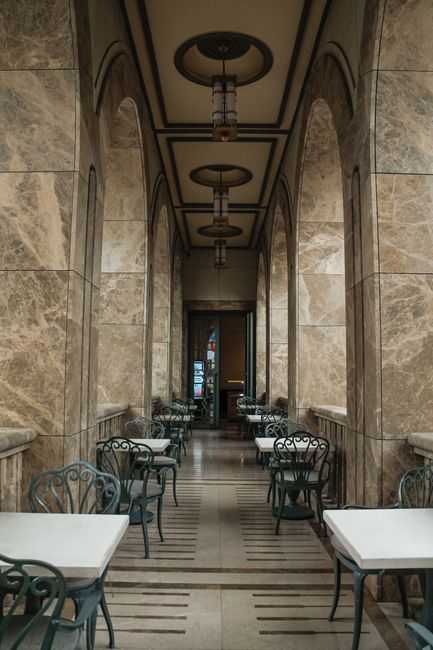
Weill Cafe Carnegie Hall: A Culinary and Cultural Hub
Carnegie Hall, an iconic global landmark synonymous with musical excellence, offers more than just unparalleled acoustics and world-class performances. Nestled within its hallowed walls is the Weill Cafe, a vibrant and essential component of the Carnegie Hall experience. This establishment transcends the role of a mere eatery, functioning as a sophisticated gathering space, a convenient respite for concertgoers, and a culinary destination in its own right, all seamlessly integrated into the rich tapestry of this esteemed institution. For those seeking to elevate their visit, understanding the nuances of the Weill Cafe is paramount. Its strategic location, diverse offerings, and the ambiance it cultivates contribute significantly to the overall enjoyment and immersion within Carnegie Hall’s cultural landscape. Whether arriving early for a symphony, seeking a light bite before a jazz set, or wanting to debrief over coffee after a breathtaking opera, the Weill Cafe provides a welcoming and refined environment.
The Weill Cafe’s strategic positioning within Carnegie Hall is a key factor in its accessibility and popularity. Located on the third floor, it offers convenient access for patrons attending events in both the main Stern Auditorium/Perelman Stage and the more intimate Zankel Hall. This central placement ensures that whether one is experiencing a grand orchestral performance or a chamber music recital, the cafe remains an easily reachable sanctuary. The flow of foot traffic between performance halls and the cafe is fluid, encouraging patrons to engage with both the artistic programming and the amenities offered. This seamless integration minimizes logistical concerns for visitors, allowing them to focus on the cultural experience at hand. The proximity to major performance spaces means that a quick refreshment or a leisurely meal is never far from their seats, enhancing the overall convenience and enjoyment of their visit. Furthermore, the cafe’s location on a higher floor provides a degree of separation from the immediate bustle of the lobby, offering a slightly more tranquil setting for those seeking a moment of calm amidst the energy of a busy venue. This thoughtful architectural placement underlines Carnegie Hall’s commitment to a holistic patron experience.
The culinary landscape of the Weill Cafe is as varied and sophisticated as the performances it serves. The menu is meticulously curated to cater to a diverse range of palates and dietary needs, reflecting a commitment to quality and freshness. Patrons can expect a selection of artisanal sandwiches, gourmet salads, and delectable pastries, all prepared with premium ingredients. For those seeking a more substantial meal, heartier options are often available, such as seasonal soups and flatbreads. The beverage program is equally impressive, featuring a well-chosen array of wines, craft beers, specialty coffees, and teas. The cafe understands the varied schedules of concertgoers, offering both quick grab-and-go options for those pressed for time and more relaxed dining experiences for those wishing to savor their meal. Emphasis is placed on seasonal ingredients, ensuring that the menu remains dynamic and reflective of the freshest produce available. This dedication to culinary excellence ensures that the Weill Cafe is not merely an afterthought but a destination that contributes to the overall premium experience of attending an event at Carnegie Hall. The quality of the food and drink directly complements the high standards set by the musical performances.
Beyond its immediate culinary offerings, the Weill Cafe fosters a unique ambiance that enhances the Carnegie Hall experience. The decor is a sophisticated blend of classic elegance and contemporary comfort, featuring tasteful artwork and comfortable seating arrangements. Large windows often provide ample natural light and, depending on the vantage point, offer glimpses of the iconic surrounding architecture of Midtown Manhattan. This creates an inviting and aesthetically pleasing environment conducive to both quiet contemplation and lively conversation. The cafe serves as a natural gathering point for artists, patrons, and music enthusiasts, fostering a sense of community and shared passion. During intermissions and before/after performances, the cafe buzzes with an energy that is both refined and exhilarating, reflecting the intellectual and emotional engagement of its clientele. The background hum of polite conversation, punctuated by the clinking of glasses and the murmur of shared appreciation for the arts, creates an atmosphere that is distinctly Carnegie Hall. It’s a place where pre-performance anticipation builds and post-performance reflections are exchanged, solidifying its role as an integral part of the social fabric of the institution.
The Weill Cafe’s operational hours are strategically aligned with Carnegie Hall’s performance schedule, ensuring maximum convenience for patrons. Generally, the cafe opens a few hours before the first performance of the day and remains open until after the conclusion of the last event. This thoughtful scheduling allows ample time for visitors to enjoy a meal or a refreshment without feeling rushed. Special consideration is often given to matinee performances and late-night concerts, with hours adjusted accordingly to accommodate a wider range of attendance. This flexibility demonstrates a deep understanding of the needs and rhythms of concertgoers, who often travel from afar or dedicate their entire day to experiencing the arts. Patrons are advised to check the specific operating hours for their planned visit, as these can occasionally vary based on special events or programming. This proactive approach to scheduling ensures that the Weill Cafe is always ready to welcome visitors, enhancing the seamlessness of their Carnegie Hall outing.
For event organizers and those planning corporate gatherings or private functions, the Weill Cafe and its adjacent spaces offer bespoke catering and event solutions. Carnegie Hall, through its culinary partners, can provide a range of services, from elegant cocktail receptions to seated dinners, all tailored to the specific requirements of an event. The sophisticated ambiance of the cafe and its proximity to performance spaces make it an ideal venue for pre- or post-show hospitality. Imagine hosting a reception for donors before a gala performance or a private dinner for visiting artists. The culinary team is adept at crafting menus that reflect the prestige of Carnegie Hall, utilizing high-quality ingredients and innovative culinary techniques. The ability to seamlessly integrate a private event with a world-class performance offers a unique and memorable experience. This catering and event capability extends the utility of the Weill Cafe beyond its daily patron service, positioning it as a versatile venue for a variety of sophisticated occasions. The attention to detail and commitment to excellence in their catering services mirror the artistic standards of the hall itself.
Accessibility is a crucial consideration for any public venue, and Carnegie Hall, including its Weill Cafe, is committed to providing an inclusive experience. The cafe is designed to be easily navigable for individuals with mobility challenges, with ample space between tables and accessible restroom facilities nearby. Staff members are trained to assist patrons and ensure that their visit is comfortable and enjoyable. For those with specific dietary restrictions or allergies, the culinary team is generally accommodating and can often prepare customized dishes upon request. It is always advisable for patrons with particular needs to communicate these in advance to the cafe staff or Carnegie Hall guest services. This commitment to accessibility ensures that the Weill Cafe is a welcoming environment for everyone, allowing all visitors to fully partake in the Carnegie Hall experience. The ease of access and thoughtful accommodations contribute to a stress-free and pleasant visit, allowing patrons to focus on the artistic performances.
The Weill Cafe plays a vital role in supporting Carnegie Hall’s broader mission. As a revenue-generating enterprise, its success contributes to the financial stability of the institution, enabling Carnegie Hall to continue its commitment to artistic programming, education, and community outreach. Furthermore, the cafe serves as an ambassador for the organization, offering a tangible example of the quality and sophistication that define Carnegie Hall. Visitors who have positive experiences at the cafe are likely to feel a greater connection to the institution and may be more inclined to attend future performances or become involved in other ways. The cafe’s operations are an integral part of the Carnegie Hall ecosystem, contributing to its overall vibrancy and sustainability. The revenue generated directly underpins the arts, supporting not just the performances but also the educational programs and outreach initiatives that extend the impact of Carnegie Hall far beyond its iconic walls. This makes dining at the Weill Cafe not just a culinary choice but a direct contribution to the arts.
Beyond its immediate function, the Weill Cafe embodies the broader cultural significance of Carnegie Hall. It serves as a microcosm of the diverse and engaged audience that flocks to this legendary venue. The conversations overheard, the mingling of patrons from various backgrounds, and the shared anticipation before a performance all contribute to a palpable sense of cultural vibrancy. It’s a space where art, community, and commerce converge, demonstrating that a world-class performance venue can also offer sophisticated and accessible amenities. The cafe facilitates a holistic experience, allowing visitors to immerse themselves in the cultural milieu of Carnegie Hall from the moment they arrive until the moment they depart. It’s more than just a place to eat; it’s a point of connection, a space for dialogue, and a testament to the enduring power of the arts to bring people together. The cafe’s atmosphere reflects the sophisticated yet inclusive nature of the arts community that Carnegie Hall cultivates.
In conclusion, the Weill Cafe at Carnegie Hall is an indispensable facet of the legendary institution. Its prime location, diverse and high-quality culinary offerings, sophisticated ambiance, and commitment to accessibility all contribute to an enhanced patron experience. More than just a place to grab a bite, it functions as a social hub, a convenient amenity, and a direct contributor to Carnegie Hall’s ongoing mission. For anyone attending a performance, a visit to the Weill Cafe is not merely an option, but a highly recommended enhancement to their overall engagement with the world-renowned artistry that defines Carnegie Hall. It is a place where the appreciation for music extends to an appreciation for fine food and drink, creating a complete and memorable cultural journey.
