A Culinary Journey Through Germany Beyond Beer and Bratwurst to a Diverse Heritage of Regional Flavors

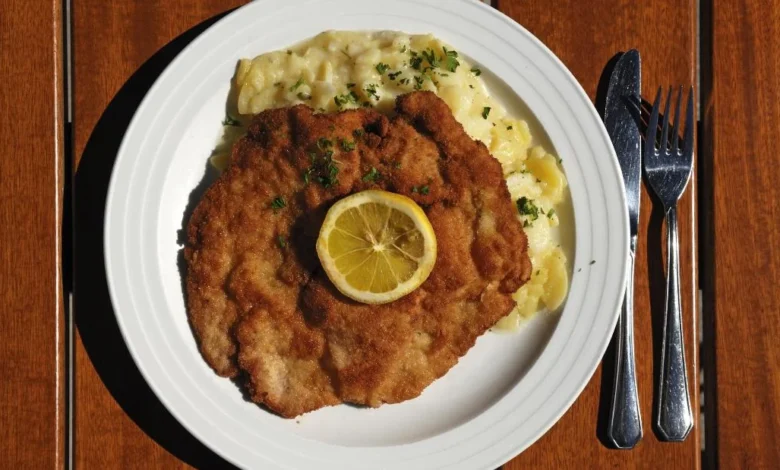
The culinary landscape of Germany is frequently misunderstood by international observers as a monolithic tradition centered solely on beer, sauerkraut, and sausages. However, contemporary German gastronomy represents a sophisticated intersection of deep-rooted agricultural traditions, regional identities, and the profound influence of centuries of immigration. From the maritime-influenced dishes of the North Sea coast to the hearty, pasta-heavy staples of the Swabian Alps, German food is characterized by high-quality, often locally sourced ingredients and a cultural appreciation for "Gemütlichkeit"—the sense of comfort and well-being derived from a well-prepared meal. As the country moves further into the 21st century, its food culture continues to evolve, balancing high-end Michelin-starred dining with a robust street food scene that serves as a testament to Germany’s status as a European cultural crossroads.
The Historical Evolution of German Gastronomy
German cuisine has been fundamentally shaped by the country’s geography and its complex political history. In the pre-industrial era, the German diet was dictated by the seasonal availability of crops and the necessity of preservation. This led to the development of world-renowned pickling techniques, bread-making traditions, and the curing of meats. The 20th century, however, brought the most dramatic shifts. The post-World War II era saw the arrival of "Gastarbeiter" (guest workers) from Italy, Greece, and Turkey, who introduced ingredients and techniques that are now considered inseparable from the German diet. Furthermore, the division of Germany into East and West during the Cold War created distinct culinary trajectories, with the East emphasizing resourceful adaptations of traditional recipes, some of which were renamed to erase references to lost territories.
Northern Germany: Maritime Traditions and Preservation
In the northern states of Hamburg, Bremen, and Lower Saxony, the culinary profile is defined by the proximity to the Baltic and North Seas. This maritime heritage is most poignantly represented by Labskaus. Originally a staple for 18th and 19th-century sailors who required preserved provisions during long voyages, Labskaus is a mixture of salted beef, onions, potatoes, and pickled beetroot. While its appearance—a distinctive pink mash—may be unconventional, it remains a beloved comfort food and a popular "hangover cure" in port cities.
Complementing this are Rollmops, pickled herring fillets rolled around savory fillings like gherkins or green olives. The popularity of Rollmops surged in the 19th century with the expansion of the German railway network, which allowed for the rapid transport of pickled fish from the coasts to the interior. In the northwest, particularly around Oldenburg and East Frisia, winter is marked by the consumption of Pinkel mit Grünkohl. This dish features kale cooked with mustard and bacon, served with a highly specific "Pinkel" sausage made from bacon, groats, and suet. This tradition is so ingrained that communities often organize "Grünkohlfahrten" (kale tours), involving group hikes and schnapps, culminating in a communal kale dinner.
Southern Germany: The Heartland of Pasta and Dumplings
Conversely, Southern Germany, particularly the regions of Swabia and Bavaria, focuses on dough-based dishes. Maultaschen, often described as Swabian ravioli, are large pockets of dough traditionally filled with minced meat, breadcrumbs, onions, and spinach. In 2009, the European Union recognized Maultaschen with Protected Geographical Indication (PGI) status, acknowledging its significance to the cultural heritage of Baden-Württemberg. According to local legend, Cistercian monks at Maulbronn Monastery created the dish to hide meat from the sight of God during Lent, earning them the nickname "Herrgottsbescheißerle" (little God-cheaters).

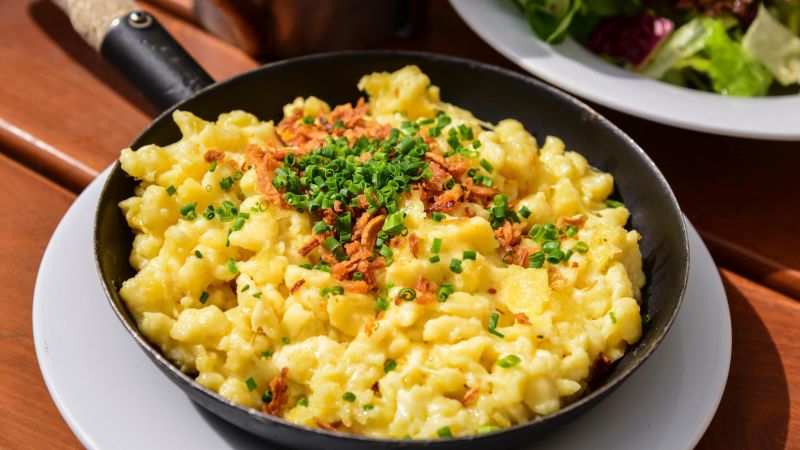
Similarly, Spätzle—a type of egg noodle—remains a staple of southern German households. The variant Käsespätzle, featuring layers of hot noodles and melted granular cheese topped with fried onions, is a primary offering in Munich’s beer halls and Alpine huts. These dishes reflect the agricultural history of the south, where dairy and grain production were the pillars of the economy.
The Street Food Revolution: From Currywurst to Döner Kebab
The German street food scene provides a lens through which one can view the country’s modern social history. The Currywurst, a sliced grilled sausage smothered in a sauce of ketchup and curry powder, was born out of the scarcity of post-war Berlin in 1949. Its creator, Herta Heuwer, reportedly traded spirits with British soldiers for the ketchup and spices that would create a national icon. Today, Germans consume an estimated 800 million Currywursts annually, making it a multibillion-euro industry and a symbol of working-class culinary pride.
Equally significant is the Döner Kebab. Introduced by Turkish immigrants like Kadir Nurman in West Berlin during the early 1970s, the dish was adapted to German tastes by serving the meat in a pita bread with abundant salad and sauces. The Döner has since surpassed many traditional dishes to become Germany’s most popular fast food, illustrating the successful integration of immigrant culture into the daily lives of Germans. The Association of Turkish Döner Producers in Europe (ATDID) notes that the industry employs tens of thousands of people across the country, highlighting its economic importance.

Culinary Diplomacy and Meat-Based Staples
Meat remains the centerpiece of the traditional German dinner table. Sauerbraten, a slow-cooked pot roast, is often cited as the national dish. Its preparation involves marinating meat (historically horse, but now predominantly beef or venison) for several days in wine vinegar and spices to achieve a tender texture and a distinctive "sour" flavor. This dish, along with Rouladen (bacon and pickles wrapped in thin beef slices), represents the pinnacle of German Sunday family dining.
The political significance of German food was perhaps best demonstrated by former Chancellor Helmut Kohl, who famously used Saumagen (sow’s stomach) as a tool of culinary diplomacy. Kohl, a native of the Palatinate region, served this dish—a mixture of pork, potatoes, and marjoram encased in a pig’s stomach—to world leaders including Margaret Thatcher and Mikhail Gorbachev. By presenting a rustic, regional specialty to international dignitaries, Kohl underscored the importance of local identity within the broader German state.
Seasonal Rhythms: Spargelzeit and the Wine Harvest
The German calendar is punctuated by intense, seasonal food obsessions. The most notable is "Spargelzeit," the white asparagus season that runs from mid-April to June 24th. Unlike green asparagus, white asparagus is grown underground to prevent photosynthesis, resulting in a delicate flavor and ivory color. During this period, Germans consume over 70,000 tons of the "white gold." Restaurants dedicate entire menus to the vegetable, serving it with hollandaise sauce, melted butter, or ham. The end of the season on St. John the Baptist Day is often met with a genuine sense of national mourning.

In the autumn, the focus shifts to the wine-growing regions of the Mosel and Rhine. This period is defined by Federweisser, a partially fermented "young" wine with a high sugar content and carbonation. Because the fermentation process is ongoing, Federweisser cannot be transported in airtight bottles and must be consumed locally. It is traditionally paired with Zwiebelkuchen, a savory onion tart, creating a seasonal ritual that draws thousands of tourists to German wine festivals every October.
The Art of the German Konditorei
No analysis of German food is complete without the tradition of "Kaffee und Kuchen" (coffee and cake). The Schwarzwälder Kirschtorte (Black Forest Gateau) is the most famous export of this tradition. Contrary to popular belief, the cake is named after the "Kirschwasser" (cherry schnapps) distilled in the Black Forest, which is a mandatory ingredient under German food regulations for any cake bearing the name.
In a more modern twist, Spaghettieis has become a staple of German ice cream parlors. Invented in 1969 by Dario Fontanella in Mannheim, the dish consists of vanilla ice cream pressed through a potato ricer to resemble pasta, topped with strawberry "tomato" sauce and white chocolate "parmesan." This playful adaptation of Italian aesthetics by a second-generation immigrant perfectly encapsulates the German ability to adopt, adapt, and eventually internalize foreign culinary influences.

Implications and the Future of German Cuisine
The trajectory of German food reflects a broader European trend toward the preservation of regional heritage while embracing global flavors. The German government and various regional associations have increasingly sought "Protected Designation of Origin" status for local specialties to safeguard them against globalization. Simultaneously, there is a growing movement toward "New German Cuisine," which emphasizes seasonal, organic, and plant-based alternatives to traditionally meat-heavy dishes.
Statistical data from the German Hotel and Catering Association (DEHOGA) indicates a rising demand for regional transparency and sustainable sourcing. As Germany continues to grapple with its identity in a unified Europe, its food remains a vital touchstone of its history—a complex blend of necessity, tradition, and the welcoming of new cultures. Whether it is a Michelin-starred interpretation of Sauerbraten or a late-night Döner Kebab at a Berlin U-Bahn station, German cuisine continues to serve as a reliable indicator of the nation’s social and cultural health.