Marriott International Marks Indian Debut of Autograph Collection with Noormahal Palace in Karnal

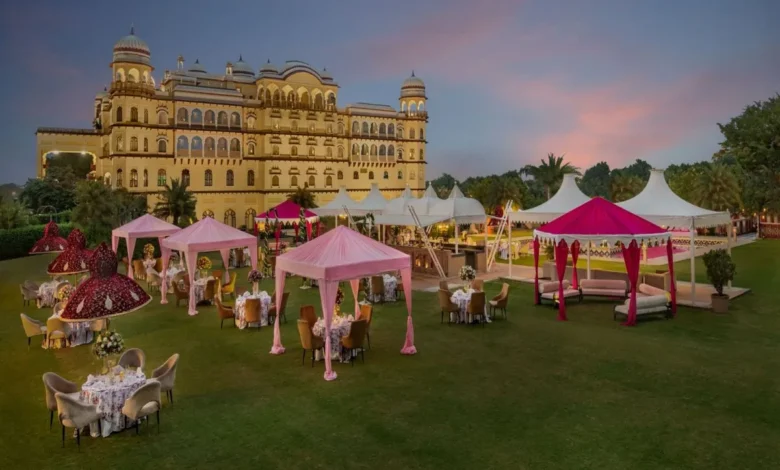
Marriott International has officially introduced its prestigious Autograph Collection to the Indian hospitality market, marking a significant milestone in the company’s regional expansion strategy. The debut was signaled by the rebranding and integration of Noormahal Palace in Karnal, Haryana, into the global portfolio. This move brings Marriott’s total brand count in India to 19, further solidifying its position as the largest international hotel operator in the country. The selection of Karnal—a mid-sized city located approximately 130 kilometers (81 miles) north of New Delhi—instead of a traditional Tier-1 metropolitan hub like Mumbai or Bangalore, reflects a calculated shift in the company’s approach toward capturing the burgeoning demand for experiential and heritage-based luxury in India’s secondary markets.
The property, now known as Noormahal, Delhi NCR Karnal, Autograph Collection, serves as the flagship for the brand in South Asia. The Autograph Collection is unique within the Marriott Bonvoy portfolio, functioning as a "soft brand" that allows independent, high-end hotels to maintain their distinct identity, name, and architectural character while gaining access to Marriott’s global distribution network, marketing prowess, and the 200-million-member Bonvoy loyalty program.
The Architectural Identity of Noormahal Palace
Built in 2009, Noormahal Palace is not a historic relic in the literal sense of being centuries old, but it was meticulously designed to evoke the grandeur of India’s royal past. The 176-key property was constructed using traditional Mughal and Rajputana schools of architecture, featuring intricate hand-painted frescoes, ornate arches, and expansive courtyards that mirror the palatial aesthetics of Rajasthan and the Mughal era.
Kiran Andicot, Senior Vice President for South Asia at Marriott International, emphasized that the choice of Noormahal was driven by its "well-defined identity and a strong sense of place." According to Andicot, these attributes are central to the Autograph Collection’s ethos, which is built around the tagline "Exactly like nothing else." The property features various luxury amenities, including the "Frontier Gram" restaurant, which specializes in heritage cuisine from the North-West Frontier, and extensive banquet facilities that have made it a premier destination for high-end weddings and corporate retreats in the National Capital Region (NCR).
The hotel’s design includes the "Zahra" spa, a fitness center, and a temperature-controlled swimming pool. However, its most distinguishing features are its architectural details, such as the "Darbar Hall" and the use of authentic materials that give the structure an air of antiquity and craftsmanship rarely found in modern hotel builds.
Strategic Significance of the Tier-2 Market Pivot
The decision to launch the Autograph Collection in Karnal highlights a broader trend within the Indian hospitality sector: the rising prominence of Tier-2 and Tier-3 cities. Historically, international luxury brands focused their entry strategies on Delhi, Mumbai, and Chennai. However, as infrastructure improves and the domestic affluent class grows, cities like Karnal have emerged as lucrative hubs for "staycations" and "destination weddings."
Karnal, often referred to as the "Rice Bowl of India" due to its agricultural significance, sits strategically on the National Highway 44, connecting Delhi to Punjab, Himachal Pradesh, and Jammu and Kashmir. This location makes Noormahal an accessible retreat for travelers from the NCR looking to escape the urban congestion of the capital without the need for air travel.
Industry analysts suggest that Marriott’s entry into Karnal with a luxury brand serves two purposes. First, it taps into the "drive-to" tourism market, which has seen exponential growth following the COVID-19 pandemic. Second, it allows Marriott to dominate a regional market where there is little competition from other international five-star brands. By integrating a well-established local landmark like Noormahal, Marriott bypasses the lengthy gestation period required for greenfield projects while immediately securing a high-performing asset.
Chronology of Marriott’s Expansion in India
Marriott’s journey in India has been defined by rapid scaling and strategic acquisitions. The company’s footprint grew significantly following the global merger with Starwood Hotels & Resorts in 2016, which brought brands like St. Regis, W Hotels, and Westin under the Marriott umbrella.
- 1999: Marriott enters the Indian market with the Goa Marriott Resort.
- 2013: The company reaches the 25-hotel mark in India.
- 2016: The Starwood merger catapults Marriott to the top spot in India by room count.
- 2021-2023: Despite global economic headwinds, Marriott accelerates its "asset-light" strategy in India, signing record numbers of management agreements in smaller cities.
- 2024: The debut of the Autograph Collection at Noormahal Palace marks the 19th brand for the company in the region.
Today, Marriott operates over 150 hotels across more than 40 cities in India. The company has expressed intentions to expand its portfolio to 250 hotels in the medium term, focusing heavily on luxury and select-service segments.
Supporting Data: The Indian Luxury Hospitality Landscape
The Indian hospitality industry is currently experiencing a "golden age" of RevPAR (Revenue Per Available Room) growth. According to data from JLL’s Hotel Momentum India (HMI) report, the luxury and upper-upscale segments have outperformed other categories in terms of occupancy and average daily rates (ADR) throughout 2023 and early 2024.
- Growth Drivers: Domestic travel accounts for nearly 80% of hotel room nights in India. The "Big Fat Indian Wedding" industry, valued at over $50 billion annually, is a primary driver for heritage properties like Noormahal.
- Supply Constraints: While demand is surging, the supply of new luxury rooms in metropolitan areas is constrained by high real estate costs and long permit cycles. This has forced brands to look at existing independent properties for conversions.
- Loyalty Ecosystem: For a property like Noormahal, joining the Autograph Collection provides immediate visibility to the Marriott Bonvoy database. In India, Bonvoy members contribute a significant percentage of total bookings, often preferring to stay within the ecosystem to earn and redeem points.
Official Responses and Stakeholder Perspectives
The partnership is viewed as a win-win for both the global hotel chain and the local owners of Noormahal. For the owners, the Manbeer Choudhary family, the association with Marriott provides a global stage. In previous statements regarding the property’s evolution, the management at Noormahal has emphasized their commitment to preserving the cultural heritage of the region while meeting international service standards.
Kiran Andicot of Marriott noted that the property was not "built to a brand standard," but rather the brand was chosen to fit the property. This distinction is vital for the Autograph Collection. "It is about finding hotels that have their own story to tell," Andicot explained. "Noormahal’s story is rooted in the regal traditions of India, which provides the ‘exactly like nothing else’ experience our guests are looking for."
Industry experts believe this move will encourage other independent luxury hotel owners in India to consider "soft brand" affiliations. These owners often fear losing their unique identity under a rigid corporate flag like a Sheraton or a Hilton. The Autograph Collection model mitigates this fear by celebrating the hotel’s original name and character.
Broader Impact and Market Implications
The debut of the Autograph Collection in a city like Karnal is likely to trigger a ripple effect in the Indian hospitality market. Competitors such as Accor (with its Emblems Collection), IHG (with Vignette Collection), and Hilton (with Curio Collection) are also eyeing the Indian market for their respective soft brands.
- Boost to Regional Tourism: The presence of a Marriott-branded luxury hotel in Karnal elevates the city’s status as a tourist destination. It encourages the local government to invest in better infrastructure and promotes the development of ancillary services like high-end dining and local tours.
- Standardization of Service: While Noormahal retains its unique look, the integration into Marriott means it must now adhere to global standards of safety, hygiene, and service quality. This "corporatization of quality" benefits the traveler.
- The Rise of the Independent Hotelier: This move proves that independent hotels can compete with global giants by joining them rather than fighting them. It offers a path to sustainability for family-owned luxury assets that may lack the digital marketing budget to compete in the modern era.
- Impact on the Wedding Market: With the Marriott brand attached, Noormahal becomes an even more attractive proposition for Non-Resident Indians (NRIs) who want a traditional "palace wedding" but require the trust and reliability of a global brand.
Future Outlook for Marriott in South Asia
Marriott’s strategy in South Asia continues to be aggressive. The company is not only focusing on luxury but also expanding its mid-scale presence with brands like Moxy and Courtyard. However, the luxury segment remains the crown jewel of its Indian operations.
Following the Karnal debut, there is speculation that Marriott will look for similar Autograph Collection opportunities in other heritage-rich states such as Rajasthan, Madhya Pradesh, and Gujarat. The goal is to create a circuit of unique, independent hotels that offer a "deep dive" into Indian culture while maintaining the comforts of a global loyalty program.
In conclusion, the launch of Noormahal, Delhi NCR Karnal, Autograph Collection is more than just a hotel opening; it is a testament to the maturing of the Indian travel market. It signals that luxury is no longer confined to the pin codes of South Mumbai or Lutyens’ Delhi. As international brands move deeper into the heartland of India, the lines between global standards and local heritage continue to blur, creating a new paradigm for the modern traveler.