Bong Joon Ho Returns to the Big Screen with Mickey 17 Starring Robert Pattinson

The cinematic landscape is bracing for the next visionary project from South Korean auteur Bong Joon Ho, the mastermind behind the historic Academy Award-winning masterpiece Parasite. Warner Bros. Pictures has officially offered audiences a first look at Mickey 17, an upcoming sci-fi feature film that marks Bong’s eagerly anticipated return to directing. Adapted from Edward Ashton’s speculative fiction novel Mickey 7, the film promises to blend high-concept existential philosophy with the filmmaker’s trademark sharp social commentary and dark comedic undertones. Scheduled to arrive in theaters on March 29, 2024, the production has steadily generated significant buzz among cinephiles and industry insiders alike, positioning itself as one of the most compelling releases of the decade.
At the helm of this ambitious undertaking is a director whose global prestige reached unprecedented heights at the 92nd Academy Awards in February 2020. During that historic evening, Parasite became the first non-English-language film to win the Oscar for Best Picture. In addition to the top honor, Bong claimed the trophies for Best Director, Best International Feature Film, and Best Original Screenplay. The monumental success of Parasite transformed Bong into a household name worldwide and granted him immense creative freedom for his subsequent endeavors. Mickey 17 represents his first major feature-film outing since that watershed moment, raising expectations to dizzying heights for how the auteur will translate his distinct directorial voice into the realm of speculative science fiction.
The Premise: An Exploration of Disposable Humanity
The narrative foundation of Mickey 17 is rooted in Edward Ashton’s acclaimed novel Mickey 7, which was published to widespread praise for its inventive take on space colonization and identity. However, industry reports indicate that Bong, who personally penned the screenplay, may take creative liberties, veering from the novel in various narrative directions to suit his distinct cinematic vision.
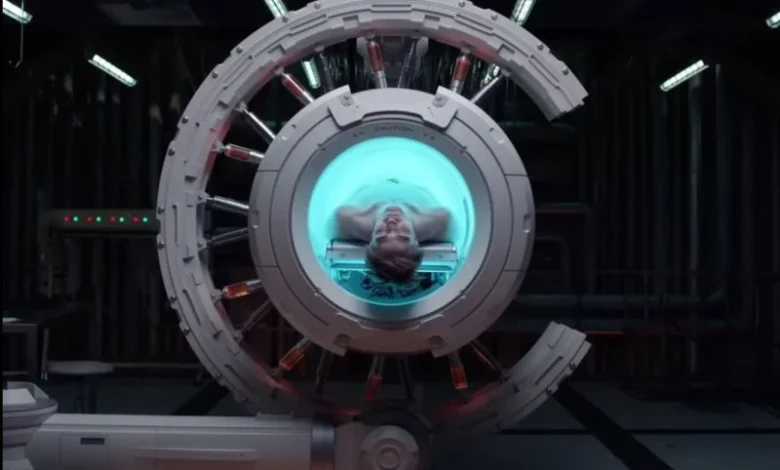
The story centers on Mickey 7, an "expendable"—a disposable employee on a hazardous human expedition dispatched from Earth to colonize Niflheim, a hostile, frozen ice world. In this futuristic corporate ecosystem, when a mission is deemed too dangerous or outright suicidal for ordinary crew members, the task falls to Mickey. Whenever Mickey dies during the course of a mission, his consciousness is successfully regenerated into a new body retaining most of his previous memories.
The psychological toll of this recurring cycle forms the core of the narrative. By the time the primary events of the story unfold, the protagonist has already undergone six iterations of his life, functioning as Mickey 7. The existential dread of mortality is turned entirely on its head when a mission goes awry, leading the crew to presume Mickey 7 is dead, prompting the initiation of his next iteration, Mickey 8. Complications ensue when Mickey 7 manages to survive and returns to base, forcing two versions of the same man to coexist in a society that views individuality and redundancy through a strictly utilitarian lens.
An All-Star Ensemble Cast and Creative Powerhouse
To bring this complex, multi-layered universe to life, Bong Joon Ho has assembled a formidable ensemble cast led by acclaimed British actor Robert Pattinson in the dual titular roles. Pattinson, known for seamlessly transitioning from blockbuster franchises to daring auteur-driven projects such as The Lighthouse, Good Time, and The Batman, brings a unique gravity and versatility to the demanding role of a man repeatedly cloned and discarded.
Pattinson is joined by an impressive roster of international talent, including Steven Yeun, whose collaboration with Bong marks another creative union following his stellar turn in Lee Chang-dong’s Burning and his broader acclaim in projects like Minari and Beef. The cast also features Naomi Ackie, celebrated for her roles in *The End of the F**ing World and I Wanna Dance with Somebody; Academy Award nominee Toni Collette, renowned for her harrowing performances in Hereditary and The Sixth Sense; and Mark Ruffalo, an established veteran of both independent cinema and blockbuster franchises like the Marvel Cinematic Universe.
Behind the camera, Bong has reunited with key creative forces from his previous triumphs. The film is being produced by Plan B Entertainment, the acclaimed production company co-founded by Brad Pitt, Dede Gardner, and Jeremy Kleiner, which has a track record of backing visionary directors and critically acclaimed storytelling. Furthermore, the musical landscape of Mickey 17 will be crafted by composer Jae-il Jung. Jung previously collaborated with Bong on Parasite and also provided the haunting, atmospheric score for Netflix’s global phenomenon Squid Game, cementing his reputation for creating tension-filled auditory environments.
Background Context and Production Timeline
The development of Mickey 17 has been closely monitored by the film community since initial reports surfaced regarding Bong’s adaptation of Ashton’s manuscript. Edward Ashton reportedly wrote the novel before it was even formally published, sending the manuscript to various producers, which eventually landed in the hands of Plan B and Bong Joon Ho. Recognizing the rich thematic potential regarding labor ethics, corporate expendability, and the definition of humanity, Bong quickly committed to the project as his next cinematic endeavor following Parasite.
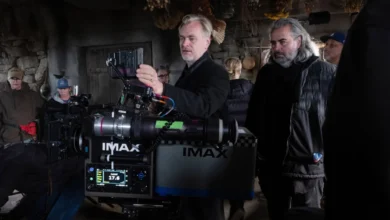
Principal photography for the project commenced in the summer of 2022, primarily taking place at Warner Bros. Studios Leavesden in the United Kingdom. Utilizing cutting-edge virtual production stages and practical set designs, the production aimed to authentically capture the bleak, glacial atmosphere of the fictional planet Niflheim. While original scheduling projections pointed toward a late 2023 release, Warner Bros. ultimately slated the theatrical premiere for March 29, 2024, allowing the post-production and visual effects teams adequate time to realize Bong’s intricate world-building.
Fact-Based Analysis of Market Implications
The release of Mickey 17 carries significant financial and cultural implications for major Hollywood studios navigating a rapidly shifting theatrical landscape. As studios increasingly rely on established intellectual property and cinematic universes, greenlighting an original, high-budget, R-rated science fiction film directed by an auteur represents a calculated gamble. However, the unprecedented global success of Parasite, which grossed over $263 million worldwide on an 11-million-dollar budget while appealing to both arthouse and mainstream audiences, provides a compelling precedent.
Industry analysts suggest that Bong Joon Ho’s growing mainstream viability, combined with Robert Pattinson’s proven box-office draw and critical prestige, positions Mickey 17 as a crucial test case for mid-to-high-budget original filmmaking. If the film successfully bridges the gap between philosophical sci-fi and crowd-pleasing entertainment—much in the vein of cinematic predecessors like Snowpiercer, which Bong also directed—it could validate studios taking greater creative risks on visionary directors rather than relying exclusively on sequels and reboots.
Furthermore, the film’s thematic exploration of corporate exploitation, cloning ethics, and the disposable nature of modern labor resonates strongly with contemporary sociopolitical discourse. By examining these heavy philosophical questions through a darkly satirical lens, Bong is expected to deliver a narrative that extends far beyond standard genre tropes, ensuring that Mickey 17 sparks intense discussion among critics and audiences alike long after the credits roll. As the March 2024 release date approaches, anticipation continues to mount for what promises to be one of the most provocative and visually arresting cinematic events of the year.