
Pilates Workout At Home
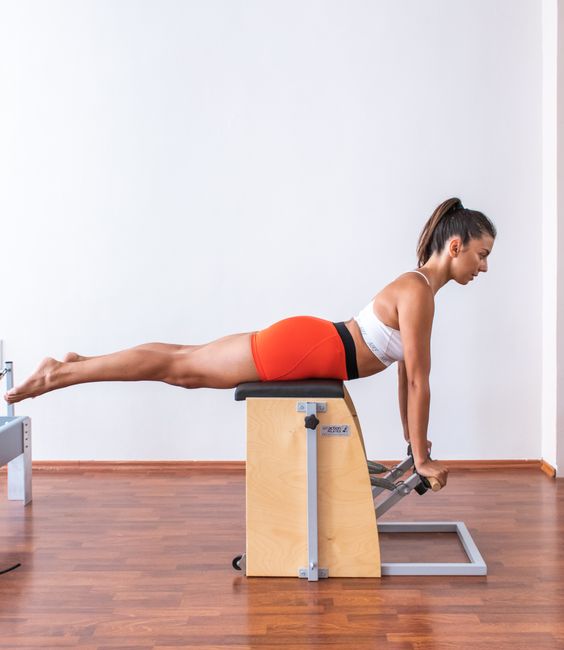
Pilates at Home: Mastering Mat Work for Strength, Flexibility, and Core Power
Pilates, a system of exercise developed by Joseph Pilates, focuses on controlled movements to build strength, improve flexibility, enhance posture, and develop deep core engagement. Traditionally performed in specialized studios with unique apparatus, Pilates can be effectively and powerfully adapted for the home environment using just a mat and the body’s own resistance. This home-based approach democratizes the benefits of Pilates, making it accessible to individuals seeking to cultivate a stronger, more resilient physique without the need for expensive equipment or gym memberships. The core principles of Pilates – centering, concentration, control, precision, breath, and flow – remain paramount regardless of location. Implementing a consistent home Pilates practice can lead to significant improvements in muscular endurance, joint mobility, spinal health, and overall body awareness. Beginners can start with foundational exercises, gradually progressing as their strength and understanding deepen. The emphasis on precise execution over repetition ensures quality of movement and targets specific muscle groups effectively. Furthermore, a home practice allows for a personalized routine, adaptable to individual schedules and fitness levels. The mental benefits are equally substantial, fostering mindfulness and stress reduction through focused, deliberate movement.
The Foundational Pillars of Home Pilates: Core Strength and Spinal Alignment
At the heart of any effective Pilates workout, whether at home or in a studio, lies the concept of the "powerhouse" – the deep abdominal muscles, the pelvic floor, and the muscles of the back. Strengthening this core unit is crucial for stability, posture, and efficient movement. Home mat Pilates exercises are specifically designed to engage and fortify these intrinsic muscles. Exercises like the Hundred, Roll Up, and Single Leg Stretch, when performed with proper form, directly target the transversus abdominis, obliques, and erector spinae. Spinal alignment is another non-negotiable element. Pilates emphasizes lengthening the spine, creating space between vertebrae, and promoting a neutral spinal position. This is achieved through controlled articulation of the spine in exercises like Spine Stretch Forward and Swan Dive. Poor posture, often a consequence of sedentary lifestyles, can be significantly improved with consistent Pilates practice. By strengthening the muscles that support the spine and encouraging conscious awareness of alignment, individuals can alleviate back pain, reduce postural fatigue, and stand taller. The gentle yet profound nature of Pilates makes it suitable for all ages and fitness levels, offering a pathway to improved functional movement and injury prevention.
Essential Home Pilates Exercises for Beginners: Building a Solid Foundation
For those embarking on a home Pilates journey, starting with fundamental mat exercises is key. These exercises lay the groundwork for more advanced movements and ensure proper technique is established.
-
The Hundred: This is often the first exercise encountered in Pilates. It involves lying on your back with knees bent, feet flat on the mat, and head and shoulders gently lifted. The arms are extended by your sides, about six inches off the mat, and pumped up and down vigorously for 100 breaths (5 inhales and 5 exhales per pump count). The focus is on maintaining a stable core and a long spine throughout. This exercise builds endurance in the deep abdominal muscles and improves breath control.
-
Roll Up: This exercise meticulously works the abdominals and promotes spinal articulation. Starting on your back with legs extended and arms overhead, inhale to prepare. As you exhale, draw your navel towards your spine and begin to peel your torso, vertebra by vertebra, off the mat, reaching your hands towards your toes. Inhale at the top, then exhale to slowly roll back down with control. The key is to avoid momentum and use abdominal strength to initiate the movement.
-
Single Leg Stretch: Lying on your back with your head and shoulders lifted, bring your knees towards your chest. Extend one leg straight out at a 45-degree angle while drawing the other knee closer to your chest, keeping it close to your torso. Switch legs with a smooth, controlled motion, mimicking a cycling action. Both hands should cradle the thigh of the bent leg, and the core should remain deeply engaged.
-
Double Leg Stretch: Similar to the single leg stretch, but both legs are extended simultaneously. From the initial position, extend both legs out and arms overhead. As you exhale, circle your arms around and draw your knees back towards your chest, hugging them in. The core remains braced throughout. This exercise further challenges abdominal strength and coordination.
-
Spine Stretch Forward: Sitting tall with legs extended and hip-width apart, arms extended forward at shoulder height. Inhale to lengthen the spine, then exhale as you hinge from the hips, reaching your chest towards your thighs and your hands towards your toes. Imagine scooping your tailbone under and drawing your navel towards your spine. Inhale to return to the starting position, maintaining the length in the spine.
-
Rolling Like a Ball: Sitting with knees bent and feet flat on the floor, hold onto your shins. Curl your tailbone under and round your spine into a ball shape, bringing your knees towards your chest. Balance on your sacrum. Inhale to prepare, then exhale to roll back onto your rounded spine, stopping just before your shoulders touch the mat. Inhale to roll back up to your seated position. This exercise mobilizes the spine and strengthens the core.
-
Swan Dive Prep: Lying prone (on your stomach) with legs extended and arms by your sides, palms down. Inhale to gently lift your head and chest off the mat, drawing your navel towards your spine. Keep your glutes engaged and avoid arching the lower back excessively. Your hands can lightly press into the mat for support. Exhale to lower back down. This is a preparatory exercise for strengthening the back extensors.
Progressing Your Home Pilates Practice: Intermediate and Advanced Movements
Once a solid foundation in beginner exercises is established, intermediate and advanced Pilates movements can be introduced to further challenge the body and deepen the practice. These exercises require greater core strength, coordination, and control.
-
Teaser: A true test of core strength and balance. Starting on your back with knees bent and feet flat, draw your navel towards your spine and lift your head and shoulders. Extend your arms forward. As you exhale, lift your legs to a 45-degree angle, and roll your spine up to a balance point on your sitting bones, with your body forming a V-shape. Inhale to hold, then exhale to slowly roll back down with control. Variations include reaching arms towards toes or holding legs straighter.
-
Criss-Cross: This exercise targets the oblique muscles and improves rotational strength. Lying on your back with knees bent and hands behind your head, lift your head and shoulders. As you exhale, bring your right elbow towards your left knee while extending your right leg straight out. Inhale to center, then exhale to switch sides, bringing your left elbow towards your right knee. Maintain a stable pelvis and avoid pulling on your neck.
-
Side Kick Series: Performed on your side, this series engages the outer hip muscles, glutes, and core. Lying on your side with legs extended, align your body. Lift your top leg parallel to the floor and initiate a series of kicks: forward twice, up, and down. Maintain a stable torso and avoid rocking. The series can also include leg circles and extensions.
-
Leg Pull Front and Back: These challenging exercises build full-body strength, particularly in the core, shoulders, and arms. In Leg Pull Front, start in a plank position with hands directly under shoulders. Keeping the body in a straight line, lift one leg as high as possible, then lower it. Repeat with the other leg. In Leg Pull Back, you’ll be supporting yourself on your forearms and lifting one leg, then the other.
-
Seal: A more advanced spinal articulation exercise. Sitting tall with legs extended and wide apart, and arms extended forward. Interlace your fingers and bring your hands together, palms facing out. Begin to roll down through your spine, tucking your chin to your chest, and as you roll, clap your hands together three times, then clap them again as you roll back up. This exercise emphasizes spinal articulation and coordination.
-
Jackknife: This advanced movement requires significant core strength and flexibility. Lying on your back with legs extended straight up, arms by your sides. Exhale and engage your core to lift your hips and lower body off the mat, bringing your legs towards your head, aiming for a pike position. Inhale to slowly lower back down with control, articulating the spine.
Breathing in Home Pilates: The Foundation of Movement and Mind
The breath is an integral component of every Pilates exercise. It’s not merely an accessory; it’s a primary driver of movement, a tool for core engagement, and a pathway to mindfulness. In Pilates, the breath is typically diaphragmatic and expansive, focusing on breathing into the back and sides of the ribcage. This type of breathing activates the deep core muscles and promotes spinal stability.
- Inhalation: Deeply inhale through the nose, feeling the ribcage expand laterally and posteriorly. Visualize creating space between your ribs. Avoid puffing out your chest or stomach.
- Exhalation: Exhale fully through the mouth, as if blowing through a straw. As you exhale, actively draw your navel towards your spine, engaging your deepest abdominal muscles. This controlled exhalation is crucial for building core strength and stability.
The breath synchronizes with movement: typically, exhalation accompanies exertion or contraction, and inhalation accompanies preparation or lengthening. For example, in the Roll Up, you exhale as you lift off the mat (exertion) and inhale at the top (preparation for the return). This conscious breathwork not only enhances the physical benefits of the exercises but also cultivates a deeper mind-body connection, promoting focus and reducing stress. A consistent practice of mindful breathing within Pilates can translate to improved respiratory function and a greater sense of calm throughout the day.
Creating Your Home Pilates Sanctuary: Space, Equipment, and Routine
Establishing a dedicated space for your home Pilates practice can significantly enhance motivation and consistency. While extensive equipment is not required, a few key items can elevate the experience.
- Space: A clear, flat surface is essential. A yoga mat provides cushioning and grip, protecting your joints and preventing slippage. Ensure you have enough room to extend your limbs fully without obstruction.
- Mat: A good quality, non-slip yoga mat is paramount. Look for one that offers adequate cushioning for floor exercises.
- Optional Equipment: While not strictly necessary for mat Pilates, some individuals find resistance bands, small hand weights, or a Pilates ring helpful for adding challenge and variety to their routines. A Pilates ball can also be incorporated for support and to deepen certain exercises.
- Routine: Consistency is key. Aim for 2-4 sessions per week, depending on your fitness level and goals. Start with shorter sessions (20-30 minutes) and gradually increase the duration as your stamina improves. Consider dedicating specific days and times to your practice to build a habit.
- Guidance: While self-practice is valuable, consider incorporating online Pilates classes or private virtual sessions with a certified instructor, especially when starting out. This ensures proper form and technique, preventing potential injuries. Many online platforms offer a wide range of classes for all levels.
- Environment: Minimize distractions. Dim lighting, calming music (optional), and a clutter-free space can contribute to a more focused and therapeutic workout.
The Far-Reaching Benefits of a Consistent Home Pilates Practice
Beyond immediate improvements in strength and flexibility, a regular home Pilates workout yields a cascade of long-term benefits that permeate various aspects of physical and mental well-being.
- Improved Posture and Spinal Health: Pilates directly addresses the muscular imbalances that contribute to poor posture. By strengthening the core and back muscles, and promoting awareness of spinal alignment, it helps correct slouching, reduces the risk of back pain, and can alleviate existing discomfort. The controlled movements also encourage proper spinal articulation, promoting joint health.
- Enhanced Core Strength and Stability: The Pilates powerhouse is central to every movement. A strong core provides a stable base for all physical activities, improving balance, preventing injuries, and enhancing athletic performance. This translates to everyday tasks, making them feel easier and more efficient.
- Increased Flexibility and Range of Motion: Pilates utilizes controlled stretching and lengthening of muscles. This gradual increase in flexibility not only improves range of motion in joints but also reduces muscle stiffness and the risk of strains.
- Body Awareness and Mind-Body Connection: The precision and concentration required in Pilates foster a profound connection between the mind and body. This heightened awareness allows individuals to better understand their physical sensations, identify postural habits, and move with greater intention and control.
- Injury Prevention and Rehabilitation: Pilates is often recommended for injury rehabilitation and prevention due to its low-impact nature and focus on controlled strengthening. By building a strong and balanced musculature, it helps protect the body from the stresses of daily life and physical activity.
- Stress Reduction and Mental Well-being: The focus on breath and controlled movement has a calming effect on the nervous system, reducing stress and anxiety. The accomplishment of mastering challenging exercises also boosts self-confidence and a sense of empowerment.
- Improved Breathing Efficiency: The emphasis on diaphragmatic breathing in Pilates can lead to improved lung capacity and more efficient oxygen utilization, which can positively impact overall stamina and energy levels.
- Muscular Endurance and Tone: Pilates exercises are designed to engage muscles for sustained periods, leading to increased muscular endurance and a more toned physique without the bulk associated with some strength training methods.
The accessibility and effectiveness of home-based Pilates make it an invaluable tool for individuals seeking a holistic approach to fitness and well-being. By committing to a consistent practice, anyone can unlock the transformative power of Pilates and cultivate a stronger, more resilient, and more mindful body.
