Healthcare Costs and Political Loyalty Collide in Georgia’s Deep-Red 14th District Ahead of Midterm Elections

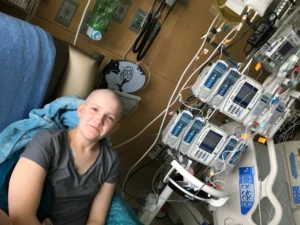
In the northwestern corner of Georgia, where the Blue Ridge foothills give way to close-knit rural communities and sprawling exurbs, everyday economic realities and deep-seated political loyalties are increasingly at odds. Amber Bates of Cohutta, Georgia, represents a stark demographic portrait of this tension. For the past two years, Bates and her husband have gone without health insurance. Unsteady employment patterns leave them earning too much to qualify for Medicaid, the joint federal-state public health insurance program designed for low-income individuals and those with disabilities, yet their income remains far too low to comfortably absorb the skyrocketing costs of private coverage.
Bates, her husband, and their 2-year-old son share a trailer home with her mother-in-law, who cares for another son diagnosed with autism. Together, the household allocates roughly one-third of its combined family income strictly toward essential prescription medications. When acute medical crises strike, the family relies almost exclusively on local emergency rooms for care—a destination chosen not out of convenience, but out of necessity, as emergency departments cannot legally turn patients away based on an upfront lack of funds.
This precarious daily routine unfolds within Georgia’s 14th Congressional District, home to approximately 765,000 residents. Widely recognized as the most conservative congressional district in the state, the region has long served as an electoral stronghold for the Republican Party. Yet, as the November midterm elections approach, voters across the district are grappling with mounting financial pressures triggered by shifts in federal healthcare policy, testing the boundaries of political allegiance in an era of persistent inflation and rising medical expenses.
The Expiration of Enhanced Subsidies and the National Healthcare Pinch
The financial squeeze currently felt by families like the Bates household traces back directly to legislative decisions made in Washington. During the height of the COVID-19 pandemic, Congress enacted enhanced Affordable Care Act (ACA) subsidies designed to dramatically lower the cost of insurance plans purchased on the federal and state health marketplaces. These financial buffers successfully drove national enrollment to record highs, making coverage attainable for millions of Americans who previously found themselves priced out of the market.
However, when the GOP-led Congress allowed those enhanced subsidies to expire at the conclusion of the previous legislative cycle, the ripple effects were immediate and severe. Bates’ mother-in-law, who had previously maintained marketplace coverage, was forced to drop her plan entirely as monthly premiums doubled overnight.
This localized hardship mirrors a broader national trend. According to survey data from KFF, 37% of Republican voters surveyed in June identified healthcare costs as an "extremely important" issue heading into the midterm elections. Furthermore, more than half of Republicans and Republican-leaning independents aligned with the Make America Great Agreement (MAGA) movement stated that Congress erred in letting the enhanced tax credits lapse. Yet, polling also reveals deep partisan divides over accountability: roughly 62% of ACA marketplace enrollees place the primary blame for the expiration on either congressional Republicans or the Trump administration.
A Chronology of Political Upheaval in the 14th District
The healthcare debate in Georgia’s 14th District has not unfolded in a political vacuum; rather, it has coincided with extraordinary political turbulence among the region’s congressional leadership.
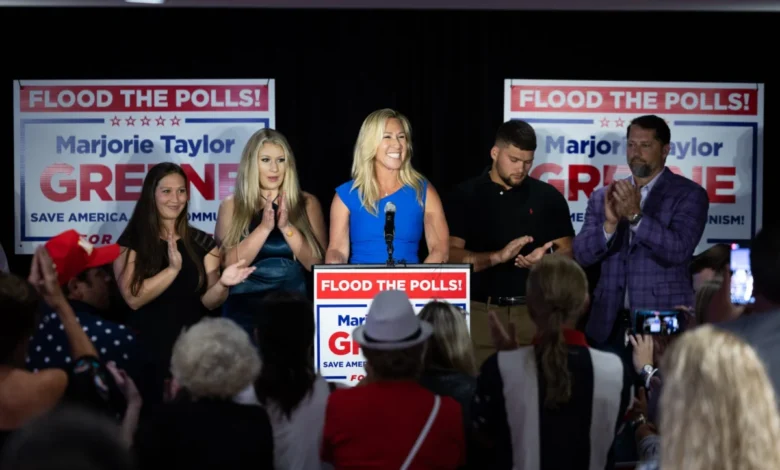
From 2021 until January 2026, the district was represented by Marjorie Taylor Greene, who rose to national prominence as one of former President Donald Trump’s most vocal and unwavering allies. Greene’s tenure, however, took a dramatic turn last year when she broke ranks with her party leadership over the handling of the expiring ACA subsidies. Publicly acknowledging that the tax credit expiration would jeopardize coverage for roughly 74,000 constituents in her district—and force her own adult children’s insurance premiums to double—Greene launched a scathing critique of her Republican colleagues.
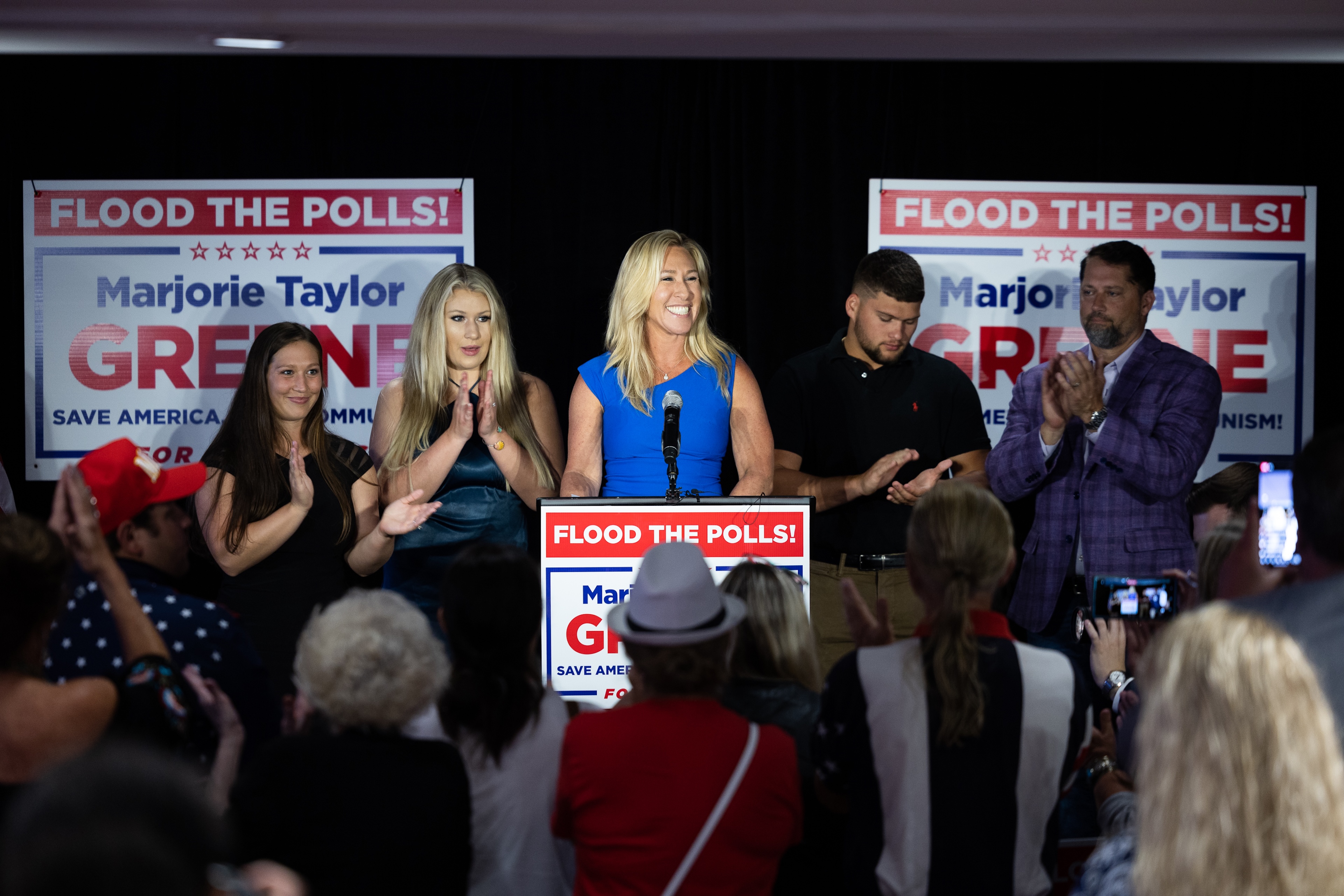
The intraparty feud escalated sharply the following month when Greene publicly accused Trump of prioritizing "foreign wars" and international trips over the immediate economic struggles of American citizens. The fallout was swift. Trump took to social media to denounce Greene, publicly withdrawing his political endorsement. Faced with eroding support within the party apparatus, Greene announced her resignation from Congress, effective in January.
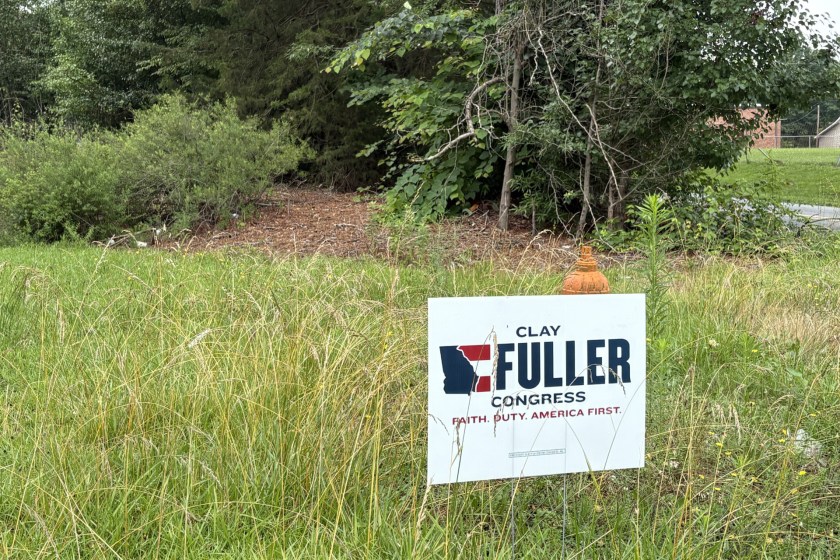
In the ensuing special election held in April, district voters elected Republican Clay Fuller—who secured the backing of Donald Trump—to fill the remainder of Greene’s term, though by narrower margins than his predecessor historically enjoyed. Fuller is now campaigning for a full two-year term in the upcoming November midterms, facing off against Democratic challenger Shawn Harris of Rockmart, Georgia.
Data and Policy Implications: A Growing Uninsured Population
The rollback of pandemic-era healthcare provisions has yielded measurable statistical consequences across the state and the nation. According to data from NYU Langone Health’s Department of Population Health, nearly 14% of residents under the age of 65 in Georgia’s 14th District were uninsured in 2024, a rate significantly higher than the national average. Additionally, Georgetown University’s Center for Children and Families reported that over 16% of the district’s population relied on Medicaid or the Children’s Health Insurance Program (CHIP) in 2023.
Legislative changes have further compressed access. Last summer, Congress passed the One Big Beautiful Bill Act, which instituted stricter monthly verification fees, narrowed enrollment windows, and imposed stringent documentation mandates for Medicaid and ACA enrollees. The nonpartisan Congressional Budget Office (CBO) projected that these statutory changes, combined with the expiration of the enhanced subsidies, would cause the nation’s uninsured population to swell by approximately 15 million people over a decade.
In Georgia alone, marketplace enrollment plummeted by more than half a million participants following the policy shifts. Rural hospitals and community health centers across the state have increasingly sounded alarms, warning that an influx of uninsured patients will inevitably drive up uncompensated care costs, threatening the financial viability of healthcare facilities in rural enclaves.
Official Responses and Legislative Stagnation
Despite mounting public concern, a unified or effective alternative framework to expand healthcare access has yet to materialize from Washington policymakers.
In December, House Speaker Mike Johnson championed the Lower Health Care Premiums for All Americans Act, presented as a free-market alternative to extending ACA marketplace subsidies. Proponents argued the legislation would foster competition and reduce regulatory burdens. However, an analysis by the CBO concluded that the measure would actually increase the number of uninsured individuals by 100,000 annually between 2027 and 2035. Although the House successfully passed the bill, it has remained stalled in the Senate for nearly nine months without receiving a floor vote.
Reflecting on the legislative paralysis, former Representative Greene expressed profound frustration with her former colleagues during a June interview. "It’s a Republican-controlled House, Republican-controlled Senate, Republican-controlled White House," Greene noted. "If Republicans had a plan, this was the perfect scenario to get it passed. You should have all the votes—get it done. And they’re not doing anything."
Republican congressional candidate Clay Fuller has maintained that the pandemic-era expansions were never sustainable long-term interventions. In previous candidate forums, Fuller argued that genuine healthcare affordability can only be achieved through market-driven competition and the reduction of federal oversight. Meanwhile, his Democratic opponent, Shawn Harris, contends that voters have been misled by rhetoric. Harris points out that while constituents frequently express skepticism when asked about "Obamacare," the same individuals strongly defend the protections afforded by the "Affordable Care Act," failing to recognize that the two terms describe the exact same legislative framework.
The Persistence of Partisan Alignment
Political analysts suggest that despite the tangible financial pain experienced by voters, healthcare costs alone are unlikely to trigger a dramatic electoral realignment in solidly conservative territories like Georgia’s 14th District.
Charles Bullock, a professor of political science at the University of Georgia, explains that partisan identity frequently supersedes immediate economic self-interest in deeply polarized regions. "They’re willing to stick with the party line," Bullock said. "As long as Donald Trump and other Republicans are saying Obamacare is bad, they’re going to continue to buy into that idea, even when it’s against their economic self-interest."
Jonathan Oberlander, a professor of social medicine at the University of North Carolina-Chapel Hill, notes that sixteen years after its initial passage, the Affordable Care Act remains a political flashpoint. While historical Republican strategies centered on outright repealing and replacing the statute, the contemporary legislative approach focuses more tactically on quietly rolling back coverage gains and shrinking program rolls.
Broader Impact on the Electorate
Back in Cohutta, Amber Bates finds herself navigating a complex psychological and political landscape. While she voices clear frustration regarding the rising cost of living, inflation, foreign policy entanglements, and the expiration of vital healthcare subsidies, her foundational political loyalty to Donald Trump persists, albeit tempered by disillusionment.
"He’s trying," Bates reflected, acknowledging flaws in the administration’s current focus. "It’s just a lot more other things have his attention. I just don’t feel like he’s doing the best he could. He did great his first term. But this term, it’s just not OK."
At the same time, Bates harbors deep skepticism toward elected officials across the political spectrum, arguing that Washington lawmakers are fundamentally disconnected from the financial strains endured by working-class families. "I honestly wish Congress would actually spend time in the life that we live," she said. "They just sit behind their desks, and they don’t know what’s really going on in life, because they make so much money."
As the November midterms draw closer, candidates on both sides of the aisle are forced to navigate an electorate caught between fierce partisan loyalty and the unyielding pressures of everyday survival. Whether the debate over healthcare access will ultimately fracture traditional voting patterns in America’s most conservative districts remains one of the defining questions of the current political cycle.
Related posts: