When Fan-Turned-Play-Caller Met Reality: Akron’s Honorary Offensive Coordinator Experiment Ends in a Quick Turnover

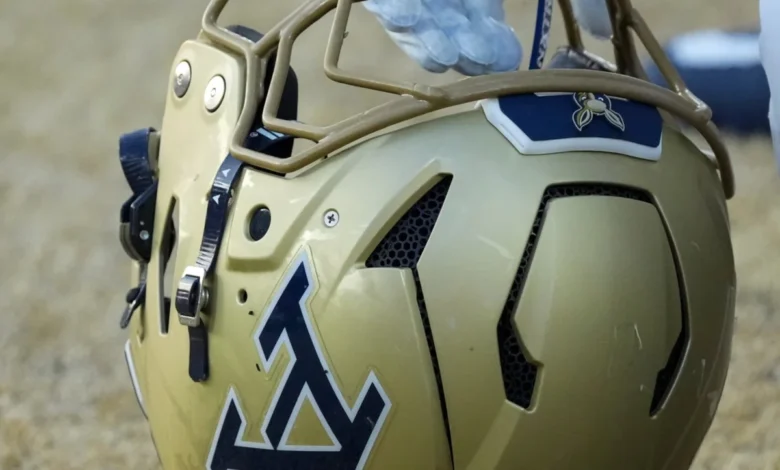
The intersection of modern college athletics, social media marketing, and fan engagement yielded a bizarre spectacle in Week 2 of the college football season when the University of Akron Zips handed over offensive play-calling duties to a season-ticket holder. Marty Whims II, a 46-year-old financial officer from a Cleveland real estate firm and an Akron alumnus, stepped onto the sidelines with the headset on to call the opening offensive possession against Robert Morris University. However, the dream scenario for any college football fanatic was cut tragically short. Just plays into his inaugural collegiate coaching stint, a third-and-11 fumble by redshirt sophomore wide receiver Marcel Williams ended the drive, officially closing the book on Whims’s brief, viral career as an offensive coordinator.
Genesis of an Unprecedented Promotion
The story of how a corporate financial officer wound up on a Division I college football sideline began earlier in the offseason as an innovative marketing campaign designed to boost season-ticket sales. On August 4, the Akron Zips athletic department announced a contest that immediately captured the attention of the sports world. According to the department’s promotional guidelines, all existing and newly enrolled season-ticket holders were automatically entered into a random drawing for a once-in-a-lifetime prize: the opportunity to serve as the honorary offensive coordinator for the opening drive of a regular-season game.
The announcement went viral almost overnight, generating more than 23 million views across various social media platforms. The novelty of the promotion sparked a surge in ticket sales, catching the attention of prominent sports media figures. High-profile personalities, including ESPN analyst Pat McAfee and Barstool Sports personality Dan "Big Cat" Katz, purchased packages in hopes of securing the coveted headset, elevating the promotion from a local marketing ploy to a national talking point.
Ultimately, the random draw favored Whims, a dedicated local fan and alumnus whose connection to the university added an authentic touch to the viral stunt. Upon learning he had won the contest in mid-August, Whims expressed disbelief and excitement to the university’s media team. The news quickly spread beyond sports circles into his professional life, as his employer shared the announcement on LinkedIn, prompting an outpouring of well-wishes from business associates, friends, and family members alike.
Preparation and the Scripted Series
Despite the lighthearted and promotional nature of the event, the coaching staff treated the preparation with surprising seriousness. In the days leading up to the matchup against Robert Morris, Whims collaborated directly with Akron head coach Joe Moorhead and the offensive coaching staff. Together, they sat down to script the plays for the game’s opening series, reviewing defensive tendencies and designing a sequence intended to put the Zips in a favorable position right out of the gate.
For Whims, the experience offered a rare, unfiltered look into the high-pressure environment of a collegiate football sideline. Wearing the official team gear and standing alongside seasoned coaches, he participated in the final pre-game huddles, absorbing the intensity of a live game day from a perspective reserved exclusively for certified athletic personnel.

Game Day Reality: The Opening Drive
As the opening whistle blew at InfoCoton Stadium, anticipation reached its peak. With the television broadcast highlighting the unique coaching arrangement, Whims stood ready on the sideline with his headset securely fastened, prepared to relay his scripted plays to the offense.
The drive began with modest expectations, but college football is notoriously unforgiving. After navigating the initial plays of the series, the Zips faced a critical third-and-11 situation. Quarterback and play execution stalled when redshirt sophomore wide receiver Marcel Williams secured a reception or attempted a play, only to have the football stripped from his grasp. The resulting fumble turned possession over to Robert Morris, abruptly halting the drive.
With the turnover, the experiment concluded instantly. Whims removed the headset, transitioning from honorary coach back to the cheering section in the stands, leaving the remainder of the offensive play-calling duties entirely to Coach Moorhead and his professional staff for the rest of the game.
Broader Implications for Fan Engagement in College Athletics
While the on-field result was far from the fairy-tale touchdown drive Akron fans had envisioned, the overarching marketing strategy can only be described as an overwhelming success. In an era where athletic departments across the country struggle to maintain attendance and capture the attention of younger, digitally native audiences, Akron successfully leveraged novelty to drive engagement, ticket sales, and national media coverage.
Sports marketing experts have noted that programs outside of the traditional Power Four conferences must find creative ways to stand out in a crowded media landscape. By blurring the lines between fan and participant, Akron generated millions of impressions at a relatively low operational cost. The involvement of media heavyweights like McAfee and Katz further validated the stunt, proving that even a Mid-American Conference (MAC) program can dominate the national sports news cycle during the college football season.
Looking forward, the incident is unlikely to spark a widespread trend of fan-called plays due to the inherent competitive risks and potential liabilities involved. However, it establishes a high-water mark for creative fan promotions. For Marty Whims II, despite the anti-climactic fumble that prematurely ended his tenure, the experience secured his place in college football trivia history—a financial officer who, for one fleeting drive, helped script the offense of a Division I football team.
Related posts: