
Tag Middle Eastern Conflicts
The Intricate Tapestry of Middle Eastern Conflicts: A Historical and Geopolitical Analysis
The Middle East, a region steeped in millennia of history, culture, and religious significance, has for decades been a crucible of protracted and multifaceted conflicts. These aren’t singular, easily definable disputes, but rather a complex interplay of historical grievances, territorial claims, ideological clashes, resource competition, and the enduring legacy of colonial intervention. Understanding the origins and evolution of these conflicts requires a deep dive into their interwoven nature, recognizing that no single issue can be isolated without acknowledging its connections to others. The Israeli-Palestinian conflict, a cornerstone of regional instability, is intricately linked to broader Arab-Israeli tensions, the rise of non-state actors, and the shifting geopolitical alliances that have characterized the 20th and 21st centuries. The Sykes-Picot Agreement of 1916, a clandestine pact between Britain and France to carve up the Ottoman Empire, laid the artificial groundwork for many modern nation-states, disregarding ethnic and sectarian realities and sowing the seeds of future discord. The arbitrary borders drawn often fueled nationalist aspirations and irredentist claims, creating fertile ground for internal strife and interstate rivalries.
The discovery and subsequent global demand for oil profoundly reshaped the geopolitical landscape of the Middle East, transforming the region into a focal point of international power struggles. The immense wealth generated by oil revenues funded ambitious state-building projects, but also exacerbated existing inequalities and fueled external interference. Foreign powers, driven by economic interests and strategic considerations, have historically intervened in the region, supporting favored regimes, arming proxies, and contributing to the militarization of conflicts. The Cold War era saw the Middle East become a battleground for American and Soviet influence, with each superpower backing opposing sides in various disputes, further entrenching divisions and prolonging hostilities. This legacy of external manipulation continues to influence contemporary conflicts, with global powers often pursuing their own agendas through regional allies, inadvertently or intentionally fueling the flames of violence. The strategic importance of the Suez Canal, the Strait of Hormuz, and other vital waterways has also made the region a constant locus of naval power projection and competition.
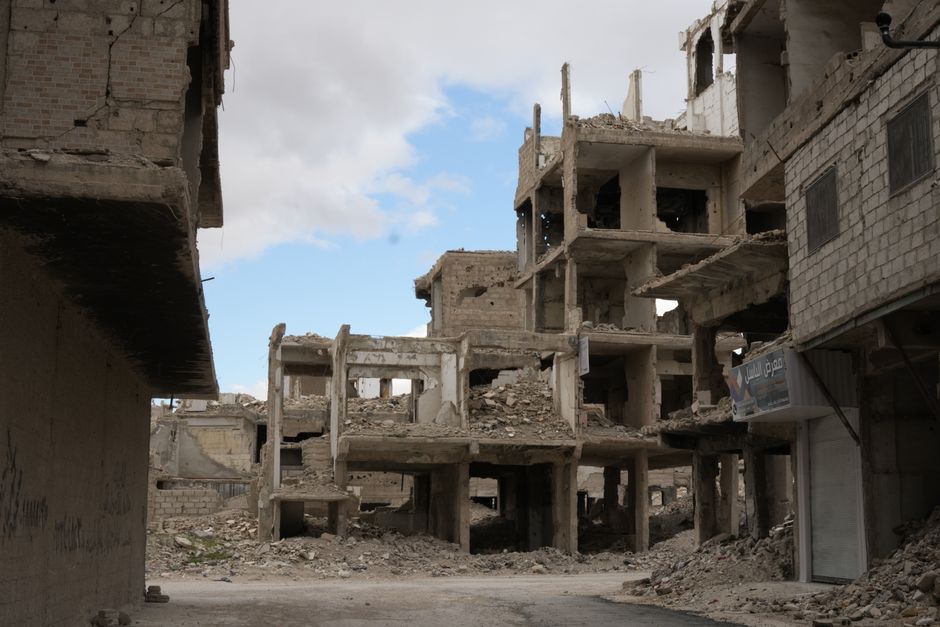
The Arab Spring uprisings, beginning in late 2010, initially offered a glimmer of hope for democratic reform and self-determination across the Middle East. However, the ensuing upheavals unleashed a torrent of instability, transforming nascent revolutions into protracted civil wars and regional proxy conflicts. The collapse of authoritarian regimes, while a long-sought goal for many, left power vacuums that were quickly filled by a diverse array of actors, including extremist groups, sectarian militias, and external interveners. The Syrian civil war, a devastating conflict that began in 2011, exemplifies this descent into chaos. Initially a protest movement against the Assad regime, it rapidly evolved into a complex proxy war involving regional powers like Iran and Saudi Arabia, as well as global players like Russia and the United States. The rise of the Islamic State of Iraq and Syria (ISIS) as a brutal transnational terror group further complicated the landscape, exploiting the chaos to establish a caliphate and inflict immense suffering. The war in Syria has resulted in hundreds of thousands of deaths, millions of internally displaced persons and refugees, and the widespread destruction of infrastructure, creating a humanitarian catastrophe of immense proportions.
The proxy war dynamics, a defining characteristic of many Middle Eastern conflicts, involve regional powers supporting opposing factions within other states, often through financial aid, weaponry, and military advisors. The rivalry between Saudi Arabia and Iran, fueled by sectarian differences (Sunni versus Shia) and a struggle for regional hegemony, is a prime example. This antagonism has manifested in conflicts in Yemen, Syria, and Iraq, with each power backing its preferred proxies to advance its strategic interests. The Yemeni civil war, ignited in 2014, pits the Houthi movement, alleged to be backed by Iran, against the internationally recognized government, supported by a Saudi-led coalition. The conflict has plunged Yemen into a dire humanitarian crisis, with widespread famine and disease, making it one of the world’s worst ongoing disasters. This pattern of external sponsorship prolongs conflicts, entrenches divisions, and hinders any possibility of peaceful resolution.
The Israeli-Palestinian conflict remains a persistent and deeply rooted source of instability in the region. Stemming from competing national narratives and territorial claims following the establishment of the State of Israel in 1948, it has endured multiple wars, uprisings, and failed peace initiatives. The ongoing occupation of Palestinian territories, the blockade of Gaza, and the expansion of Israeli settlements are central to the dispute, fueling Palestinian resistance and international condemnation. The conflict has also contributed to broader Arab-Israeli tensions, with normalization agreements between Israel and several Arab nations in recent years representing a significant shift in regional dynamics, though not resolving the core issues of Palestinian rights and statehood. The presence of militant groups like Hamas and Islamic Jihad on the Palestinian side, and the ongoing security concerns of Israel, create a cycle of violence that has proven exceedingly difficult to break. The lack of a just and lasting political solution continues to be a major destabilizing factor, with spillover effects felt across the region.
The rise of non-state armed groups, often fueled by sectarian grievances, political disenfranchisement, and external support, has fundamentally altered the nature of conflict in the Middle East. Groups like Hezbollah in Lebanon, a powerful Shiite political and militant organization with strong ties to Iran, and various Sunni extremist factions operating in Iraq, Syria, and beyond, have become significant actors, challenging state authority and influencing regional power balances. These groups often benefit from state collapse or weakness, operating in ungoverned spaces and exploiting societal divisions to recruit and mobilize. Their sophisticated military capabilities, often rivaling those of national armies, allow them to engage in asymmetric warfare and exert considerable political influence. The transnational nature of some of these groups, such as Al-Qaeda and ISIS, further complicates efforts to contain and defeat them, as they can operate across borders and adapt to changing security environments.
Resource competition, particularly over water and arable land, also contributes to Middle Eastern conflicts, especially in the context of a changing climate. The Nile River, the Tigris-Euphrates river system, and other vital water sources are subject to intense competition among riparian states, leading to diplomatic tensions and potential for armed conflict. As water scarcity intensifies due to climate change and increasing populations, these disputes are likely to become more acute. Furthermore, the economic disparities within and between countries, often exacerbated by oil wealth and unequal distribution of resources, can fuel social unrest and provide fertile ground for recruitment by extremist groups. The struggle for control over lucrative smuggling routes, illicit economies, and strategic resources like phosphates and rare earth minerals also plays a role in perpetuating violence.
The legacy of colonialism and the artificial borders it created continue to cast a long shadow over the Middle East, contributing to ongoing state fragility and inter-group tensions. Many states in the region are comprised of diverse ethnic, sectarian, and tribal groups with historical animosities, which have been manipulated by ruling elites and external powers. The absence of strong, inclusive national identities can lead to a reliance on sectarian or ethnic loyalties, undermining national cohesion and exacerbating internal conflicts. The historical interventions by colonial powers, often aimed at securing access to resources and strategic vantage points, left behind a complex web of political arrangements that often failed to accommodate the aspirations of local populations, leading to prolonged instability and a recurring cycle of rebellion and repression.
The enduring impact of failed state-building efforts and weak governance structures is a critical factor in understanding the persistence of Middle Eastern conflicts. In many countries, institutions are weak, corruption is rampant, and the state’s ability to provide basic services, security, and economic opportunities for its citizens is severely limited. This creates a vacuum that is exploited by armed groups, and fosters widespread public disillusionment and anger. The absence of effective rule of law, respect for human rights, and inclusive political processes often fuels radicalization and makes peaceful conflict resolution exceedingly difficult. The international community’s attempts to foster democratic transitions have often been met with resistance from entrenched interests, both domestic and foreign, who benefit from the status quo.
The complex interplay of these factors – historical grievances, resource competition, external interference, ideological divides, and the rise of non-state actors – creates a volatile and deeply entrenched set of conflicts across the Middle East. Resolving these multifaceted disputes requires a comprehensive and nuanced approach that addresses their root causes, fosters inclusive governance, promotes economic development, and encourages regional cooperation, while simultaneously confronting the immediate security challenges posed by armed groups and external aggression. The path to lasting peace remains arduous, demanding sustained international commitment, genuine regional dialogue, and a fundamental shift away from zero-sum approaches towards a more cooperative and equitable future for the region’s diverse populations. The ongoing crises, from the Syrian civil war to the Yemeni humanitarian catastrophe and the enduring Israeli-Palestinian impasse, serve as stark reminders of the urgent need for sustained diplomatic engagement and a commitment to addressing the complex, interwoven factors that continue to fuel conflict in this critical geopolitical theater.
