
Aipac Gaza Protest Nyc
AIPAC Gaza Protest NYC: A Deep Dive into Public Discourse and Political Action
The recent AIPAC Gaza protest in NYC has ignited a significant public discourse, highlighting the complex and often contentious relationship between American foreign policy, Israeli security, and the humanitarian crisis in Gaza. This event, like many before it, serves as a focal point for a multitude of perspectives, from unwavering support for Israel’s right to self-defense to strident calls for an end to the ongoing conflict and its devastating impact on Palestinian civilians. Understanding the nuances of these protests requires an examination of the organizations involved, the specific grievances articulated by protestors, the counter-protestor presence, and the broader geopolitical context that fuels such demonstrations. The AIPAC (American Israel Public Affairs Committee) lobby, a prominent pro-Israel organization, finds itself at the center of these demonstrations, acting as a symbolic representation of the policies and perspectives it advocates for, which in turn draws criticism from those who believe these policies contribute to the perpetuation of the conflict. New York City, with its diverse population and history of large-scale public demonstrations, provides fertile ground for such expressions of dissent and support, making it a recurring stage for these emotionally charged events.
The core of the AIPAC Gaza protest in NYC revolves around a fundamental divergence in how the Israeli-Palestinian conflict is perceived and what actions are deemed appropriate. Proponents of AIPAC and its stance often emphasize Israel’s security concerns, citing the existential threats it faces from Hamas and other militant groups operating in Gaza. They argue that Israel has a right to defend itself and that AIPAC’s advocacy for robust U.S. support, including military aid, is crucial for maintaining Israel’s security advantage in a volatile region. For these individuals, protests targeting AIPAC are misguided, misrepresenting the organization’s intentions and ignoring the complexities of regional security. They view AIPAC as a legitimate advocate for a key U.S. ally and believe its work is essential for U.S. national interests in the Middle East. The narrative often presented by AIPAC supporters highlights the challenges of confronting terrorism and the necessity of strong defensive measures. They may point to rocket attacks from Gaza into Israel as justification for Israel’s military actions and assert that any criticism of Israel’s response is a form of antisemitism or a failure to acknowledge the realities of the conflict.
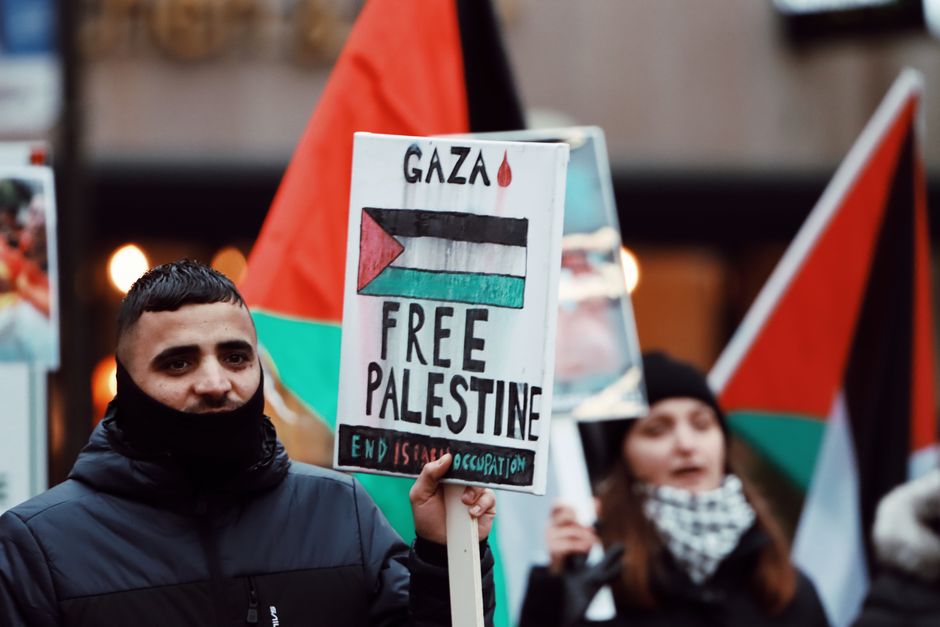
Conversely, those participating in AIPAC Gaza protests in NYC voice deep concern over the humanitarian consequences of the conflict, particularly the devastating toll on Palestinian civilians in Gaza. Their grievances frequently center on the perceived disproportionate use of force by Israel, the ongoing blockade of Gaza that exacerbates living conditions, and the broader issue of Palestinian displacement and human rights violations. For these protestors, AIPAC symbolizes an unchecked influence on U.S. foreign policy that enables and perpetuates these conditions. They advocate for an end to U.S. military aid to Israel, demanding instead a shift towards diplomatic solutions and a commitment to international law and human rights. The chants and banners at these protests often call for a ceasefire, an end to the occupation, and justice for Palestinians. Their message is one of solidarity with the Palestinian people and a condemnation of what they view as U.S. complicity in the ongoing suffering. This perspective often emphasizes the asymmetry of power in the conflict and the responsibility of the international community, particularly the United States, to intervene and ensure accountability. They may cite reports from human rights organizations detailing civilian casualties, destruction of infrastructure, and the impact of the blockade on access to essential services as evidence of the crisis.
The presence of counter-protestors at AIPAC Gaza demonstrations in NYC is an integral part of the dynamic, underscoring the deeply entrenched divisions surrounding the issue. These counter-protestors, often aligned with pro-Israel groups or advocating for Israel’s right to security, aim to express their support for AIPAC and Israel, and to challenge the narratives presented by the anti-AIPAC protestors. Their presence can create tense standoffs, with both sides attempting to amplify their message and drown out the other. These confrontations, while often peaceful, can escalate and draw significant media attention, further polarizing public opinion. The counter-protests serve to highlight the existence of a significant segment of the population that views the conflict through a different lens, one that prioritizes Israeli security and a strong U.S.-Israel alliance. Their messaging typically focuses on the threat posed by Hamas, the need for Israel to defend its citizens, and a rejection of what they perceive as biased or inaccurate portrayals of the conflict by critics.
The broader geopolitical context is crucial for understanding the motivations and significance of AIPAC Gaza protests in NYC. The U.S. has historically been a staunch ally of Israel, providing substantial financial and military aid, and often exercising its veto power in the UN Security Council to block resolutions critical of Israel. AIPAC plays a pivotal role in lobbying Congress and the executive branch to maintain this strong relationship. Consequently, protests targeting AIPAC are, in essence, protests against U.S. foreign policy towards Israel and the Palestinian territories. The ongoing conflict, punctuated by periods of intense violence and stalled peace processes, creates a constant undercurrent of international concern and activism. Events in Gaza, often characterized by significant civilian casualties and humanitarian crises, inevitably draw the attention of human rights advocates, diaspora communities, and international bodies, leading to increased calls for action and pressure on policymakers. The global nature of the Israeli-Palestinian conflict means that protests in major cities like New York have reverberations far beyond their immediate location, influencing public opinion and potentially impacting diplomatic efforts.
The media’s role in covering AIPAC Gaza protests in NYC is also a significant factor in shaping public perception. News organizations grapple with the challenge of presenting a balanced and comprehensive account of these complex events, often facing accusations of bias from all sides. The intensity of the demonstrations, the emotional testimonies of protestors, and the political stakes involved make these events prime targets for media coverage. However, the sheer volume of information and the competing narratives can make it difficult for the public to form a clear understanding of the underlying issues. The choice of language, the focus of reporting, and the inclusion or exclusion of certain voices can all subtly influence how the public perceives the protestors, their motivations, and the broader conflict. Social media also plays a powerful role, allowing protestors to directly disseminate their messages and organize, bypassing traditional media gatekeepers, but also contributing to the spread of misinformation and the creation of echo chambers.
The economic implications of the conflict and its advocacy are also sometimes brought to the fore during these protests. For instance, concerns are raised about the use of U.S. taxpayer money for military aid to Israel, with some protestors arguing that these funds could be better allocated domestically or used for humanitarian assistance in Gaza. Conversely, proponents of the U.S.-Israel alliance often highlight the strategic economic benefits of the relationship and the shared technological advancements that stem from it. These economic arguments, while often secondary to the humanitarian and security concerns, contribute to the multifaceted nature of the debate surrounding AIPAC and its role.
The legal ramifications and implications of protests are another layer of complexity. While freedom of assembly and speech are protected rights in the United States, there are often regulations and restrictions on how these rights are exercised, particularly in public spaces. The NYPD’s approach to managing protests, including crowd control measures and permits, can become a point of contention, with protestors sometimes alleging excessive force or undue restrictions on their ability to voice their dissent. Similarly, the counter-protestors also operate within these legal frameworks, and any clashes or disruptions can lead to legal scrutiny.
Furthermore, the question of what constitutes effective advocacy is continuously debated in the context of these protests. Are these demonstrations achieving their intended goals of shifting public opinion or influencing policy? Or are they merely serving as cathartic outlets for frustration, with little tangible impact on the broader conflict? This question leads to discussions about different forms of activism, from grassroots organizing and direct action to lobbying and electoral engagement. The effectiveness of AIPAC’s lobbying efforts, often cited as highly successful, stands in contrast to the persistent calls for change from protest movements, highlighting different pathways to political influence.
The long-term impact of AIPAC Gaza protests in NYC on the U.S. foreign policy discourse is difficult to definitively measure, but their persistent presence indicates a sustained level of public engagement and a desire for a re-evaluation of American involvement in the Israeli-Palestinian conflict. These protests contribute to a broader conversation about the ethics of foreign intervention, the responsibilities of global superpowers, and the pursuit of peace and justice in a deeply divided world. They serve as a constant reminder that while political decisions are made in halls of power, they are also influenced by the voices and actions of citizens who demand accountability and a different path forward. The ongoing nature of these demonstrations suggests that the issues they address are not easily resolved and will likely continue to be a subject of public debate and activism for the foreseeable future. The energy and passion displayed at these events, whether in support of or in opposition to AIPAC’s agenda, reflect the deep emotional investment many have in finding a just and lasting resolution to the Israeli-Palestinian conflict, and the role the United States plays in that complex equation.
