
California Storm Los Angeles
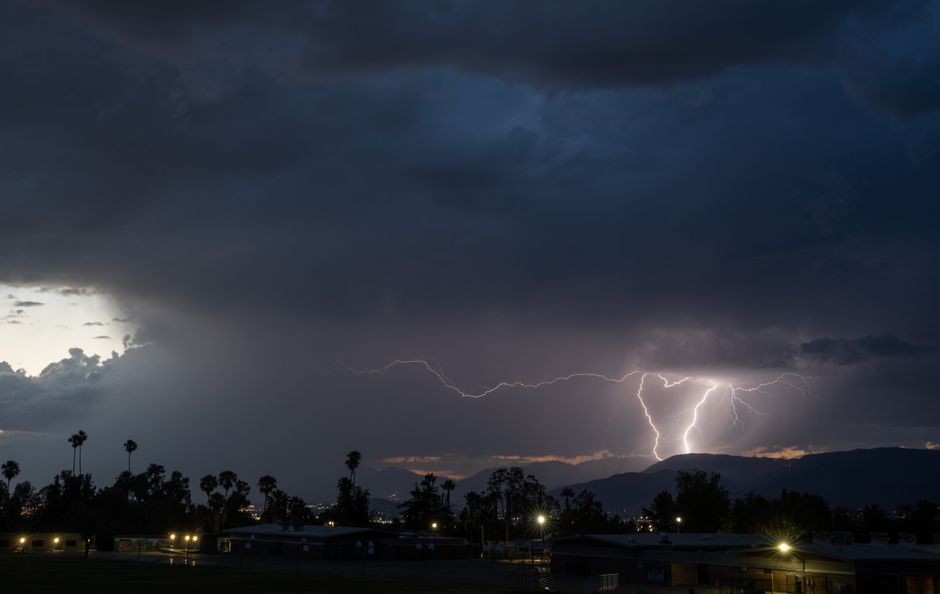
California Storms Los Angeles: A Deep Dive into Impact, Preparedness, and Resilience
The relentless power of California storms, particularly in a sprawling urban center like Los Angeles, necessitates a comprehensive understanding of their multifaceted impacts. These weather events, ranging from atmospheric rivers to intense thunderstorms, are not merely inconveniences but significant drivers of ecological, economic, and societal change. Los Angeles, with its diverse topography – from the coastal plains to the San Gabriel Mountains – experiences a spectrum of storm-related phenomena. Coastal areas contend with storm surges, high surf, and increased erosion, while inland and mountainous regions face the heightened risk of flash floods, mudslides, and debris flows. The sheer volume of rainfall, often concentrated over short periods, overwhelms existing drainage systems, leading to widespread urban flooding that paralyzes transportation networks, disrupts businesses, and threatens residential areas. The atmospheric rivers, a primary culprit in recent severe storm seasons, are narrow corridors of concentrated moisture in the atmosphere capable of transporting vast amounts of water vapor from the tropics. When these systems make landfall in Southern California, they can deliver rainfall equivalent to months of average precipitation in a matter of days, overwhelming infrastructure designed for less extreme conditions. This increased frequency and intensity of extreme precipitation events are consistent with projections for climate change in the region, underscoring the urgency of preparedness and adaptation strategies. Beyond the immediate deluge, these storms can have long-lasting consequences. The saturated ground, especially in burn scar areas, creates a precarious environment susceptible to subsequent landslides even with moderate rainfall. This persistent threat requires ongoing monitoring and proactive mitigation efforts, often involving significant investment in retaining walls, debris basins, and public warning systems. The economic toll of these storms is substantial, encompassing direct damage to property and infrastructure, lost productivity due to business closures and transportation disruptions, and increased costs for emergency response and recovery operations. Understanding these intricate connections between weather phenomena and their far-reaching consequences is paramount for effective management and mitigation of California storms in Los Angeles.
The hydrological implications of California storms on the Los Angeles basin are profound and often paradoxical. While the region is acutely aware of its aridity and the persistent threat of drought, intense storm events can overwhelm its water management infrastructure. The vast quantities of rainwater, instead of being efficiently captured and stored, often become a destructive force. Urbanization plays a critical role in exacerbating these issues. Impermeable surfaces like roads, parking lots, and rooftops prevent rainwater from infiltrating the soil, accelerating runoff into storm drains and ultimately into rivers and the ocean. This rapid runoff not only increases the likelihood and severity of urban flooding but also diminishes the opportunity for groundwater recharge, a vital component of California’s water supply. Storm drains, designed for historical precipitation patterns, are frequently overwhelmed by the sheer volume and intensity of modern storm events, leading to overflowing streets and localized inundation. The Los Angeles Department of Public Works manages an extensive network of storm drains, catch basins, and debris basins, but these systems are under constant strain. During severe storms, these facilities are tasked with managing unprecedented volumes of water, and failures can lead to significant damage and risk. Furthermore, the quality of this runoff is a concern. Stormwater carries pollutants from urban environments – oil, grease, litter, pesticides, and sediment – which are then discharged into the ocean, impacting marine ecosystems and coastal water quality. The Los Angeles River, a concrete-lined channel for much of its urbanized stretch, transforms into a raging torrent during heavy rainfall, posing a significant flood risk to adjacent communities. Efforts are underway to enhance the natural function of waterways and implement green infrastructure solutions, such as permeable pavements and bioswales, to mitigate the hydrological impacts of intense rainfall events. The interplay between natural rainfall patterns, urban development, and engineered water management systems creates a complex hydrological landscape that demands continuous adaptation and innovation to manage the challenges posed by severe California storms.
The economic ramifications of California storms in Los Angeles are multifaceted and can result in substantial financial losses for individuals, businesses, and governmental agencies. The most immediate economic impact stems from direct damage. Homes, businesses, and public infrastructure, including roads, bridges, and utilities, can suffer extensive damage from high winds, flooding, landslides, and debris flows. Repairing this damage requires significant capital investment, often stretching the budgets of affected entities. For homeowners, this can mean costly repairs, temporary displacement, and potential increases in insurance premiums. Businesses face interrupted operations, lost inventory, and damage to their physical premises, all of which translate into lost revenue and decreased profitability. Public infrastructure damage necessitates costly repairs and upgrades, diverting funds from other essential public services and long-term development projects. Beyond direct damage, storms lead to indirect economic losses. Transportation networks are frequently disrupted. Road closures, often due to flooding or debris, can paralyze commutes, making it difficult for employees to reach work and for goods to be transported. This disruption to supply chains can have ripple effects throughout the economy, leading to delays and increased costs for consumers. Power outages, a common consequence of high winds and downed power lines, further exacerbate economic losses by halting business operations and requiring backup power solutions. The tourism industry, a significant contributor to Los Angeles’s economy, can also be negatively impacted. Beach closures due to high surf and dangerous conditions, along with general public safety concerns, can deter visitors, leading to a decrease in tourist spending. Emergency response and recovery efforts themselves represent a significant economic undertaking. The deployment of first responders, the provision of temporary shelter, and the cleanup operations all incur substantial costs for local and state governments. Furthermore, the long-term economic viability of certain areas can be threatened if they are repeatedly subjected to severe storm impacts, potentially leading to decreased property values and a reluctance for new investment. The recurring nature of these economic impacts underscores the need for robust infrastructure, effective preparedness strategies, and resilient economic planning to mitigate the financial burdens imposed by California storms.
The social and community impacts of California storms on Los Angeles are equally significant, affecting public safety, community well-being, and the equitable distribution of resources. During and immediately after a severe storm, the primary concern is public safety. Flooding can trap individuals in their homes or vehicles, necessitating dangerous rescue operations. Landslides and debris flows pose a direct threat to life and property, particularly in hillside communities and areas downstream from unstable slopes. The loss of essential services, such as electricity and clean water, can create challenging living conditions and health risks for residents. For vulnerable populations, including low-income communities, the elderly, and individuals with disabilities, these impacts are often magnified. These communities may reside in areas more susceptible to flooding or landslides, possess fewer resources to prepare for or recover from storms, and have limited access to emergency services or support networks. Displacements due to storm damage can lead to temporary or even permanent relocation, disrupting social ties and community cohesion. The psychological toll of experiencing severe weather events can also be profound, leading to increased stress, anxiety, and even post-traumatic stress disorder among affected individuals. The disruption to daily life – school closures, cancelled events, and the inability to access essential services – can create widespread stress and inconvenience. Furthermore, storms can exacerbate existing social inequalities. Communities that have historically lacked investment in infrastructure or disaster preparedness are often the most severely impacted, creating a cycle of vulnerability. The response to these storms often highlights the importance of community resilience, where neighbors support each other, and local organizations play a crucial role in providing aid and assistance. However, the effectiveness of community-level responses can be constrained by the scale of the disaster and the availability of external resources. Effective disaster management and recovery efforts must prioritize equity, ensuring that all residents, particularly those most vulnerable, receive the necessary support and resources to ensure their safety and well-being.
Preparedness and mitigation strategies are critical components in managing the risks associated with California storms in Los Angeles. This involves a multi-pronged approach encompassing infrastructure improvements, public education, early warning systems, and land-use planning. Infrastructure improvements are fundamental. This includes maintaining and upgrading storm drain systems, reinforcing flood control structures like levees and dams, and investing in green infrastructure that can absorb and filter rainwater. Creating and maintaining debris basins in mountainous areas is crucial to capture sediment and prevent destructive debris flows. Public education campaigns are vital for fostering community preparedness. Residents need to be informed about the specific risks in their area, such as flood zones and landslide-prone areas. This includes providing guidance on developing household emergency plans, assembling disaster kits with essentials like water, food, and medications, and knowing evacuation routes. Understanding flood insurance and its importance is also a key educational objective. Early warning systems, such as the National Weather Service’s flash flood watches and warnings, and local government alerts, are essential for providing timely notification to residents. These systems rely on advanced weather forecasting and monitoring technologies. Real-time monitoring of rainfall, river levels, and soil saturation, particularly in burn scar areas, allows authorities to issue warnings and implement evacuation orders when necessary. Land-use planning plays a significant role in mitigating long-term risks. This involves restricting development in high-risk areas, implementing strict building codes for construction in vulnerable zones, and promoting responsible land management practices in hillside areas to reduce erosion. For areas already developed in floodplains or landslide zones, retrofitting existing structures and implementing localized mitigation measures, such as retaining walls or improved drainage, are important. Emergency response planning is also crucial, involving coordination between various agencies, including fire departments, police, public works, and emergency management offices. This planning includes establishing clear communication protocols, prepositioning resources, and conducting regular drills and exercises to ensure a coordinated and effective response when a storm strikes. A resilient Los Angeles requires a continuous commitment to these preparedness and mitigation efforts, adapting strategies as climate projections evolve and understanding of storm impacts deepens.
The ongoing evolution of climate science and its projected impacts on California storms in Los Angeles necessitates a dynamic and adaptive approach to future planning and response. Scientific models increasingly indicate a trend towards more extreme weather events, characterized by longer dry periods punctuated by more intense and prolonged precipitation. This "weather whiplash" scenario presents a significant challenge for a region accustomed to managing drought. The concept of "atmospheric rivers" is central to understanding these shifts. These concentrated streams of moisture can deliver immense volumes of water, overwhelming infrastructure designed for historical precipitation norms. The frequency and intensity of these events are predicted to increase, demanding a reassessment of water management systems, flood control infrastructure, and urban planning. For Los Angeles, this translates to a heightened risk of not only flash floods and landslides but also prolonged periods of elevated groundwater tables, which can impact underground infrastructure and building foundations. The long-term implications for the region’s water supply are also complex. While intense storms can replenish reservoirs, the rapid runoff associated with urbanized areas diminishes the amount of water that can be effectively captured. This underscores the importance of investing in advanced water capture and storage technologies, as well as promoting water conservation measures even during periods of abundant rainfall. Furthermore, the interplay between wildfires and storms is a critical consideration. Burn scars left by increasingly frequent and severe wildfires create highly unstable landscapes, making them exceptionally vulnerable to debris flows and landslides even with moderate rainfall. This necessitates integrated fire and flood management strategies, including post-fire restoration efforts and enhanced monitoring in affected areas. The development of more sophisticated predictive modeling and real-time data analysis will be crucial for anticipating and responding to these complex and evolving threats. Ultimately, building long-term resilience in Los Angeles against the escalating challenges posed by California storms requires a sustained commitment to scientific research, technological innovation, robust infrastructure investment, and collaborative governance that prioritizes the safety and well-being of all its residents.
