
Tag Washington Real Estate
Washington Real Estate: A Comprehensive Guide to the Evergreen State’s Property Market
Washington State’s real estate market is as diverse and dynamic as its landscapes, stretching from the bustling tech hubs of the Puget Sound to the agricultural heartlands of Eastern Washington and the rugged coastlines of the Pacific. Understanding this multifaceted market requires a deep dive into its key regions, driving economic factors, and the unique opportunities and challenges it presents to buyers, sellers, and investors. The Evergreen State, known for its natural beauty, innovation-driven economy, and progressive policies, offers a compelling, albeit competitive, environment for real estate transactions. This article provides a comprehensive, SEO-friendly overview of Washington real estate, designed to inform and equip those navigating its property landscape.
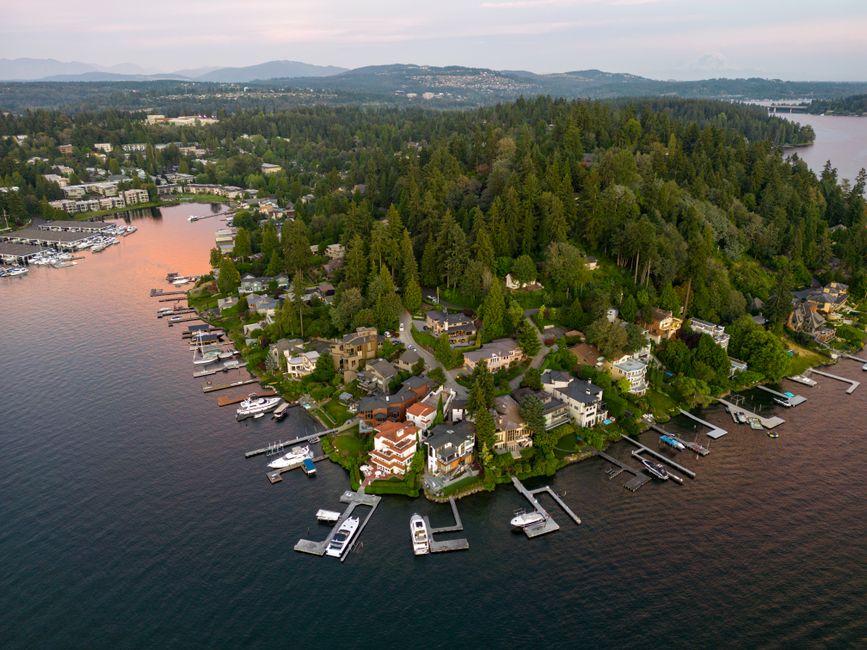
The Puget Sound region, encompassing Seattle, Tacoma, and Bellevue, remains the undisputed economic engine of Washington. Driven by the booming technology sector – with giants like Amazon, Microsoft, and Google establishing massive presences – this area experiences consistently high demand for housing. This demand, coupled with limited housing stock, particularly in desirable urban centers, fuels fierce competition and significant price appreciation. Seattle, consistently ranked among the most expensive housing markets in the US, showcases a wide array of property types, from sleek downtown condominiums and trendy loft apartments to charming single-family homes in established neighborhoods and sprawling estates in the surrounding suburbs. Bellevue, on the Eastside, is synonymous with affluence and luxury real estate, attracting tech executives and international investors with its high-end properties and vibrant commercial districts. Tacoma, while often more affordable than its northern neighbors, is undergoing a revitalization, with increasing investment in its downtown core and waterfront, making it an attractive option for those seeking a blend of urban amenities and a lower cost of entry. The proximity to major employers, world-class cultural institutions, and stunning natural attractions like Mount Rainier and the Olympic Peninsula makes the Puget Sound region a highly sought-after location, albeit one that requires significant financial preparedness for real estate acquisition.
Beyond the immediate Puget Sound urban core, Washington’s real estate market extends into various sub-markets, each with its own unique characteristics and investment potential. The Kitsap Peninsula, accessible by ferry from Seattle, offers a more suburban and sometimes rural lifestyle, appealing to those seeking a quieter pace while remaining connected to the metropolitan area. Property types range from waterfront homes and secluded retreats to more traditional suburban housing. The Olympic Peninsula, known for its breathtaking natural beauty including Olympic National Park, is a destination for recreational property, vacation homes, and retirement living, with markets in towns like Port Angeles and Sequim experiencing steady interest. Central Washington, including areas like Yakima and Ellensburg, is the agricultural heartland, with a strong market for farmland, ranches, and rural residential properties. This region offers a significantly lower cost of entry compared to the west side, attracting those who value open spaces and a connection to the land. Eastern Washington, with Spokane as its major hub, presents a more affordable real estate market with a growing economy driven by healthcare, education, and manufacturing. Spokane offers a diverse range of housing options, from urban lofts to family-friendly suburban homes and rural properties in its surrounding areas. The growth in Spokane is fueled by its relative affordability and a burgeoning cultural scene.
Several key economic factors consistently influence Washington’s real estate market. The aforementioned dominance of the technology sector is paramount, creating high-paying jobs that attract skilled workers and, consequently, drive up housing demand and prices. The presence of major aerospace companies, particularly Boeing, also contributes significantly to employment and economic stability in certain regions. The state’s strong commitment to renewable energy, with substantial investments in wind and solar power, is creating new job opportunities and driving economic diversification. Furthermore, Washington’s status as a major port state, with the Port of Seattle and the Port of Tacoma serving as critical gateways for international trade, underpins a robust logistics and transportation sector. Government employment, particularly in areas like education and public services, also provides a stable economic base across the state. Tourism, driven by Washington’s natural wonders, from rainforests and mountains to islands and wineries, also plays a role in the hospitality and vacation property sectors.
Navigating Washington real estate involves understanding the different types of properties available. Single-family homes remain the most common housing type, ranging from historic bungalows in established city neighborhoods to modern constructions in suburban developments and rural homesteads. Condominiums and townhouses are prevalent in urban centers and growing suburban areas, offering a more compact and often lower-maintenance lifestyle. Luxury properties, characterized by high-end finishes, expansive lots, and premium locations, are a significant segment, particularly in areas like Bellevue, Mercer Island, and the San Juan Islands. Investment properties, including multi-family units and commercial buildings, are also a key component of the market, attracting investors seeking rental income and capital appreciation. Agricultural land, including orchards, vineyards, and livestock ranches, is a specialized but important segment, especially in Eastern and Central Washington. Recreational properties, such as cabins, waterfront homes, and mountain retreats, are popular in areas with significant natural attractions.
For buyers, understanding market trends, mortgage rates, and the local inventory is crucial. The competitive nature of many Washington markets, especially the Puget Sound, often necessitates swift action. Pre-approval for mortgages is essential, and buyers may need to be prepared for bidding wars, offering above asking price, and considering contingencies carefully. The median home price in Washington has seen consistent growth, but regional variations are substantial. It’s imperative to research specific neighborhoods and cities to understand local price points and market dynamics. First-time homebuyers may find more accessible markets in areas further from the major tech hubs, or by exploring affordable housing programs and grants that may be available. Understanding property taxes, homeowner’s insurance, and potential HOA fees is also a vital part of the buyer’s budgeting process.
Sellers in Washington real estate must leverage current market conditions, which are often favorable due to high demand. Proper staging, professional photography, and effective marketing strategies are key to attracting buyers and maximizing sale prices. Understanding comparable sales (comps) in the immediate area is critical for setting an appropriate listing price. While sellers may benefit from a strong seller’s market, they must be prepared for inspections, potential negotiations, and the complexities of closing. Timeliness in addressing any necessary repairs or improvements can expedite the selling process. Working with a knowledgeable and experienced real estate agent is highly recommended to guide sellers through the intricacies of pricing, marketing, and negotiation.
Investing in Washington real estate offers diverse opportunities. The strong job market and population growth in many areas provide a solid foundation for rental income and long-term appreciation. Real estate investment can range from purchasing single-family homes for long-term rentals to acquiring multi-family properties for greater cash flow. The commercial real estate sector, particularly in thriving urban centers like Seattle and Bellevue, offers opportunities in office spaces, retail properties, and industrial facilities, driven by the state’s robust economy. Understanding local zoning laws, landlord-tenant regulations, and property management is essential for successful investment. The rise of short-term rental markets in tourist destinations and near urban centers also presents an investment avenue, though regulations and demand can vary significantly.
Environmental considerations and sustainable building practices are increasingly influencing Washington’s real estate development and consumer preferences. The state’s strong environmental ethos translates into a growing demand for energy-efficient homes, properties with renewable energy sources, and developments that prioritize green spaces and sustainable materials. As climate change impacts become more apparent, considerations like wildfire risk in certain areas and coastal erosion are becoming increasingly important factors in property evaluation and insurance. The state’s commitment to smart growth principles and transit-oriented development also shapes how communities are planned and how real estate is utilized, aiming to balance growth with environmental preservation and quality of life.
Washington’s real estate market is also shaped by its progressive policy landscape. The state has enacted various regulations concerning housing affordability, tenant rights, and environmental protection, all of which can impact property development and ownership. Changes in property tax laws, zoning ordinances, and building codes can all have a ripple effect on the market. Understanding these legislative and policy frameworks is crucial for both buyers and sellers to navigate transactions effectively and anticipate future market shifts. The state’s commitment to innovation also extends to its real estate industry, with increasing adoption of technology in property search, transaction management, and even building design.
In conclusion, Washington State real estate presents a compelling, albeit complex, market. From the high-octane technology hubs of the Puget Sound to the serene agricultural expanses of the east, opportunities abound for discerning buyers, sellers, and investors. A thorough understanding of regional economic drivers, property types, market trends, and policy implications is paramount. While the competitive nature of many areas demands preparedness and decisive action, the Evergreen State’s enduring appeal, fueled by its robust economy, natural beauty, and forward-thinking ethos, continues to make its real estate a desirable and dynamic investment. Thorough research, strategic planning, and professional guidance are the cornerstones of success in navigating this vibrant and ever-evolving property landscape.
