
Russia Invasion Casualties Wounded
Russia’s Invasion: A Deep Dive into Casualties and Wounded
The full-scale invasion of Ukraine, launched by Russia on February 24, 2022, has precipitated a humanitarian catastrophe of immense proportions, with the human cost measured in an ever-escalating number of dead and wounded. Pinpointing exact figures for military and civilian casualties in ongoing conflicts is notoriously difficult, subject to deliberate obfuscation, battlefield chaos, and the sheer scale of the violence. Nevertheless, a comprehensive examination of available data from various sources – including official Ukrainian government statements, international organizations, independent media investigations, and leaked or captured documents – paints a grim picture of widespread suffering and the devastating impact on human lives. This article aims to present a detailed overview of the casualties and wounded stemming from Russia’s invasion of Ukraine, exploring the different categories of victims, the challenges in data collection, and the long-term implications of this profound human toll.
The initial phase of the invasion saw intense fighting across multiple fronts, from the north towards Kyiv to the east and south. Russian forces, expecting a swift victory, encountered unexpectedly fierce Ukrainian resistance. This resulted in significant Russian military losses, particularly in the early weeks. While Russia has been highly secretive about its own casualty figures, Western intelligence assessments and independent Russian media outlets have provided estimates that suggest tens of thousands of Russian soldiers have been killed or wounded. The nature of urban warfare, the effectiveness of Ukrainian anti-tank and anti-air systems, and logistical challenges have all contributed to these reported high numbers. The psychological toll on Russian forces, the disruption to their military readiness, and the domestic implications of such substantial losses cannot be overstated. For the wounded, the immediate aftermath of combat often involves improvised field medical care, followed by evacuation to military hospitals, many of which have been overwhelmed. The long-term rehabilitation needs for those who survive are substantial, encompassing physical therapy, prosthetics, and psychological support for the trauma of war.
Ukraine, defending its sovereignty and territorial integrity, has also sustained considerable military casualties. The Ukrainian Ministry of Defence has provided regular, though often aggregated, updates on its losses. These figures, while representing a nation fighting for its survival, also underscore the brutal cost of this conflict. The wounded among Ukrainian defenders range from those with minor injuries to individuals suffering life-altering trauma. The strain on Ukraine’s healthcare system has been immense, with hospitals in frontline areas often operating under duress, facing shortages of medical supplies, personnel, and equipment. International aid, while vital, has struggled to keep pace with the overwhelming demand. The psychological burden on Ukrainian soldiers is immense, with constant exposure to combat, the loss of comrades, and the witnessing of widespread destruction. The challenges extend beyond immediate medical treatment to the long process of recovery, reintegration into civilian life, and addressing the pervasive mental health consequences of war.
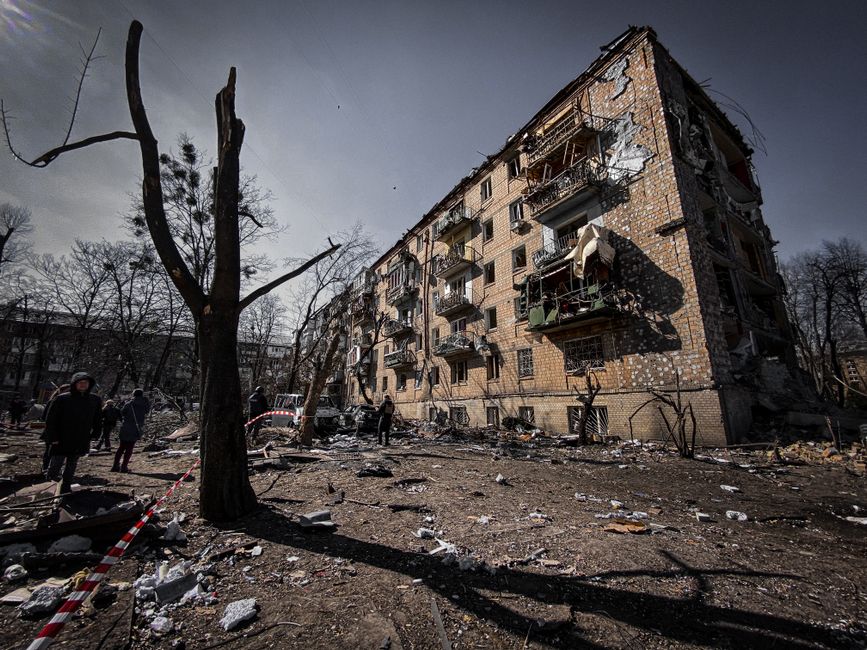
Beyond the direct military engagement, civilian casualties have been a horrifying hallmark of this invasion. Russian forces have been accused of indiscriminate shelling and bombing of populated areas, targeting residential buildings, hospitals, schools, and critical infrastructure. The cities of Mariupol, Kharkiv, and Kyiv, among others, have borne witness to immense civilian suffering. The United Nations Human Rights Monitoring Mission in Ukraine (HRMMU) has been meticulously documenting civilian casualties, though their figures are often considered underestimates due to the difficulty of verification in active combat zones. The HRMMU reports thousands of civilians killed and tens of thousands injured. These figures represent men, women, and children caught in the crossfire, victims of targeted attacks, or those who have died due to lack of access to essential services like healthcare, food, and clean water in besieged areas. The wounded civilians often face agonizing choices – remaining in damaged homes without medical care or risking further danger to seek assistance. The long-term consequences for civilian survivors include not only physical injuries but also profound psychological trauma, displacement, and the loss of homes and livelihoods.
The use of specific weapons systems has also contributed to the casualty figures. Reports indicate the extensive use of artillery, rockets, and aerial bombardment, which are inherently indiscriminate in densely populated areas. The employment of cluster munitions and thermobaric weapons, with their devastating explosive power and wide area of effect, has raised particular concerns regarding civilian harm. Investigations into alleged war crimes are ongoing, and when confirmed, these acts represent a direct contravention of international humanitarian law and have resulted in a disproportionate number of civilian casualties and wounded. The targeting of civilian infrastructure, such as power grids and water treatment plants, has exacerbated the humanitarian crisis, leading to secondary casualties from disease, starvation, and exposure.
The wounded, whether military or civilian, present a complex set of challenges that extend far beyond immediate medical intervention. For those with physical injuries, the need for surgical repair, wound management, and rehabilitation is paramount. This can involve complex procedures, prolonged hospital stays, and the necessity of prosthetic limbs and assistive devices. The availability of these resources is a significant factor, with frontline areas and occupied territories often experiencing severe shortages. Beyond the physical, the psychological impact of experiencing or witnessing violence, loss, and destruction is profound. Post-traumatic stress disorder (PTSD), depression, anxiety, and other mental health conditions are widespread among both combatants and civilians. Access to mental health services is crucial but often scarce, particularly in areas heavily affected by the conflict. The long-term societal implications of such a large number of individuals with physical and psychological wounds are substantial, impacting their ability to work, contribute to society, and rebuild their lives.
Data collection and verification of casualties in an active war zone are fraught with difficulties. Information is often incomplete, contradictory, or deliberately manipulated for propaganda purposes. Ukrainian authorities have a vested interest in accurately reflecting the cost of the invasion to rally international support and document potential war crimes. Russia, on the other hand, has largely suppressed information about its own losses, fearing domestic dissent and seeking to project an image of military success. International organizations, such as the UN and the International Committee of the Red Cross (ICRC), strive for impartiality and verification but are limited by access and the sheer scale of the events. Independent media outlets and research institutions play a vital role in corroborating information, but their findings are often estimates. The true number of dead and wounded will likely only be fully understood in the aftermath of the conflict, through painstaking investigations and meticulous data analysis.
The wounded, in particular, represent a demographic whose long-term needs are often overlooked in the immediate chaos of war. Their rehabilitation, both physical and psychological, requires sustained investment and specialized care. The rebuilding of Ukraine’s healthcare infrastructure and the provision of long-term support services for wounded soldiers and civilians will be a monumental undertaking. The economic consequences of widespread injury also need to be considered, as individuals unable to work contribute to the overall economic strain on the nation. Furthermore, the international community’s role in providing humanitarian assistance, medical supplies, and rehabilitation expertise is crucial for mitigating the long-term human cost of this conflict. The ethical imperative to care for the wounded, regardless of their affiliation, underscores the humanistic principles that must guide the response to this ongoing tragedy. The enduring legacy of this invasion will, in part, be measured by the number of lives irrevocably altered by injury and the societal commitment to their recovery and reintegration. The sheer scale of the wounded across both Ukrainian and Russian forces, as well as the civilian population, presents a humanitarian challenge that will resonate for generations.
