
Us Sanctions Russia Navalny
US Sanctions on Russia and the Navalny Case: A Comprehensive Analysis
The United States has repeatedly employed sanctions against Russia, a tool of foreign policy designed to exert pressure and alter the behavior of targeted states. These sanctions, often multilateral and sometimes unilateral, have been particularly amplified in response to specific Russian actions, with the treatment and death of Alexei Navalny emerging as a pivotal and intensely scrutinized element in the ongoing US-Russia dynamic. Understanding the scope, objectives, and implications of these sanctions requires a deep dive into their legal frameworks, the specific grievances that trigger them, and their observable effects on both the targeted nation and the broader geopolitical landscape. The United States leverages a complex web of legislative authorities, primarily the Magnitsky Act and subsequent executive orders, to impose sanctions. These legal instruments empower the executive branch to target individuals and entities for human rights abuses, corruption, and undermining democratic processes. The Global Magnitsky Human Rights Accountability Act, in particular, allows for the designation of individuals responsible for extrajudicial killings, torture, or other gross violations of internationally recognized human rights.
The arrest and subsequent death of Alexei Navalny in Russian custody in February 2024 represented a significant escalation in the US government’s condemnation of Russia’s internal policies. Navalny, a prominent opposition leader and vocal critic of Vladimir Putin’s government, had been a consistent target of repression, facing imprisonment on charges widely considered politically motivated by Western governments. His death in an Arctic penal colony, attributed by Russian authorities to natural causes, was met with immediate and widespread skepticism from the US and its allies, who accused the Kremlin of orchestrating his demise. This event served as a potent catalyst, reinforcing existing sanctions and prompting the imposition of new ones, aimed at holding the Russian government accountable for what the US termed “atrocities” and a pattern of authoritarianism. The US Treasury Department, through its Office of Foreign Assets Control (OFAC), plays a crucial role in implementing these sanctions. OFAC identifies and designates individuals and entities for sanctions, freezing their assets under US jurisdiction and prohibiting US persons from engaging in transactions with them. This can include individuals associated with the Russian government, security services, and businesses that benefit from or enable the repression of dissent.
The sanctions imposed in connection with the Navalny case are multifaceted and often layered upon existing sanctions regimes. These designations typically target individuals deemed responsible for Navalny’s detention, ill-treatment, and ultimate death. This can extend to prison officials, security personnel, judges involved in his trials, and high-ranking government officials implicated in the decision-making processes that led to his persecution. The rationale behind these designations is to isolate these individuals, disrupt their ability to operate internationally, and send a clear message that such actions will not be tolerated. The objective is to impose personal costs on those who facilitate or carry out human rights abuses and corruption, thereby deterring future transgressions. Furthermore, the US government views these sanctions as a means of supporting democratic values and human rights globally, aligning with its broader foreign policy agenda.
Beyond individual designations, the sanctions framework often encompasses broader economic measures. These can include restrictions on specific sectors of the Russian economy, such as finance, energy, and defense. While not always directly tied to the Navalny case in their initial implementation, the context of his persecution can inform the decision to tighten or expand these sectoral sanctions. For example, if evidence suggests that Russian security services or state-owned enterprises involved in the repression of dissent are financed by certain economic activities, those activities could become subject to further sanctions. The aim here is to degrade Russia’s economic capacity to fund its internal security apparatus and to incentivize a change in its behavior by imposing significant economic pain. The impact of these sanctions is debated, with proponents arguing they inflict substantial damage and opponents suggesting they are ineffective or can inadvertently harm the civilian population.
The legal basis for these sanctions is robust and evolves with geopolitical developments. The Magnitsky Act, originally enacted in 2012 to target Russian officials involved in the death of Sergei Magnitsky, has been expanded and globalized. The Global Magnitsky Act, signed into law in 2016, broadened the scope of these sanctions to allow the US to sanction individuals and entities anywhere in the world for human rights abuses and corruption. Executive Order 13818, signed in December 2017, further implements the Global Magnitsky Act by providing the US government with the authority to block the property of persons involved in serious human rights abuse or corruption. The ongoing deterioration of human rights in Russia, exemplified by the Navalny case, has provided ample justification for the continued and intensified use of these authorities.
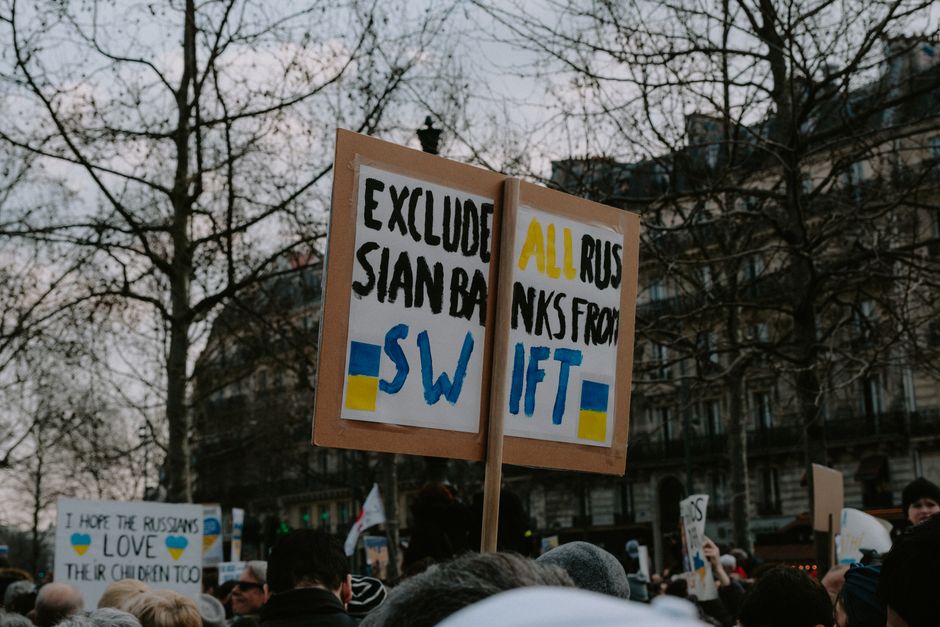
The economic repercussions of US sanctions on Russia are multifaceted. They aim to isolate Russia from the global financial system, limit its access to technology, and reduce its export revenues. For instance, sanctions on Russian banks can restrict their ability to conduct international transactions, impacting trade and investment. Restrictions on the energy sector, a cornerstone of the Russian economy, can limit its ability to generate revenue, thereby diminishing its capacity to fund its military and security apparatus. The death of Navalny provided a specific and compelling reason for the US to tighten these existing economic screws, signaling a heightened level of disapproval for the Kremlin’s authoritarian trajectory. The intended effect is to create internal pressure within Russia, potentially leading to a reassessment of its policies.
However, the effectiveness of sanctions as a tool of foreign policy is a subject of ongoing debate. Critics argue that sanctions can be circumvented, can disproportionately harm ordinary citizens, and may not always achieve their intended foreign policy objectives. Russia, for its part, has historically shown resilience in the face of sanctions, adapting its economy and seeking alternative trading partners. Nevertheless, the sustained and coordinated imposition of sanctions by the US and its allies undoubtedly imposes costs on the Russian economy and can contribute to a broader narrative of international isolation. The Navalny case, by highlighting the severity of human rights abuses within Russia, has served to galvanize international support for stronger sanctions measures.
The geopolitical implications of the US sanctions related to the Navalny case are significant. They underscore the deep divisions between the United States and its allies on one hand, and Russia on the other, regarding human rights, democratic values, and international norms. These sanctions are not merely punitive; they are also intended to signal solidarity with Russian civil society and to deter further repression. The international community, particularly Western nations, has largely echoed the US condemnation of Russia’s actions, and coordinated sanctions regimes have become a hallmark of this diplomatic response. This coordinated approach amplifies the pressure on Russia and demonstrates a united front against authoritarianism.
Moreover, the sanctions demonstrate the US commitment to upholding international law and holding states accountable for egregious human rights violations. The Navalny case became a powerful symbol of the repression faced by political opposition in Russia, and the US response reflects a strategic decision to leverage sanctions as a means of advocating for human rights and democratic principles on a global scale. The legal and policy frameworks underpinning these sanctions are designed to be adaptable, allowing the US to respond to evolving circumstances and to maintain pressure on Russia as long as its behavior does not align with international expectations. The ongoing nature of these sanctions underscores the complex and often fraught relationship between the US and Russia, a relationship increasingly shaped by the persistent issue of human rights and authoritarian governance.
