
I Can Cook Myself Cauliflowers
Mastering Cauliflower: A Comprehensive Guide to Cooking This Versatile Vegetable
Cauliflower, a cruciferous powerhouse, offers an unparalleled canvas for culinary exploration. Far from being a bland, boiled afterthought, cauliflower possesses a subtle sweetness and a satisfying texture that lends itself to a remarkable array of cooking techniques and flavor profiles. Whether you’re a seasoned home cook or a novice venturing into the kitchen, mastering cauliflower opens up a world of healthy, delicious, and budget-friendly meal possibilities. This comprehensive guide will delve deep into the "how-to" of preparing cauliflower, covering everything from selecting the perfect head to unlocking its full potential through roasting, steaming, braising, and even transforming it into unexpected culinary creations.
The Art of Selection: Choosing the Freshest Cauliflower
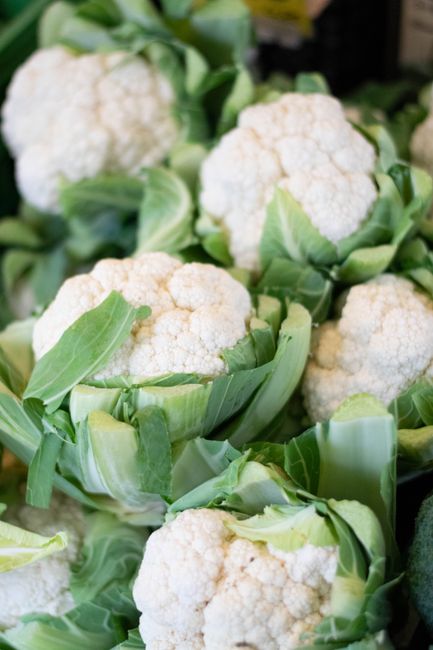
The foundation of any successful cauliflower dish begins with selecting a prime specimen. Look for heads that are dense and firm, with no soft spots or blemishes. The florets should be tightly packed, indicating freshness. A few tiny dark spots are acceptable and often disappear during cooking, but extensive discoloration suggests the cauliflower might be past its prime. The leaves, if present, should be vibrant green and crisp, not wilted or yellowed. Avoid heads with a strong, unpleasant odor, as this is another sign of age. Cauliflower is typically available year-round, but its peak season often falls in the cooler months, from autumn through spring, when its flavor tends to be sweetest.
The Essential Prep: From Head to Florets
Preparing cauliflower is a straightforward process that sets the stage for delicious results. Begin by discarding any outer leaves that are tough or discolored. You can often use the tender inner leaves, which are edible and nutritious, in other dishes like soups or stir-fries. Next, the crucial step is separating the florets. Place the cauliflower head stem-side down on a cutting board. Using a sharp chef’s knife, carefully slice downwards to cut through the stem and detach individual florets. Work your way around the head, aiming for florets of roughly equal size for even cooking. For larger heads, you might find it easier to cut the head in half or quarters first, then break down into florets. If you prefer smaller pieces, you can further subdivide the florets. Thoroughly wash the separated florets under cool running water to remove any residual dirt or debris. Gently pat them dry with a clean kitchen towel or paper towels; excess moisture can lead to steaming rather than the desired browning or crisping.
Roasting: The Golden Ticket to Flavor
Roasting is arguably the most popular and arguably the most flavorful method for cooking cauliflower. The high heat of the oven caramelizes the natural sugars within the vegetable, resulting in a deeply savory, slightly sweet, and wonderfully tender-crisp texture.
The Basic Roasting Technique:
Preheat your oven to 400°F (200°C). Toss the prepared cauliflower florets with a generous drizzle of olive oil, ensuring each piece is lightly coated. Season liberally with salt and freshly ground black pepper. For added flavor, consider a sprinkle of garlic powder, onion powder, or your favorite dried herbs like thyme, rosemary, or oregano. Spread the seasoned florets in a single layer on a baking sheet. Overcrowding the pan will lead to steaming, so use two sheets if necessary. Roast for 20-30 minutes, or until the edges of the florets are golden brown and slightly charred, and the cauliflower is tender when pierced with a fork. The exact cooking time will depend on the size of your florets and your oven.
Elevating Roasted Cauliflower:
The beauty of roasting cauliflower lies in its adaptability. Once you’ve mastered the basic technique, you can explore a world of flavor enhancements.
- Spicy Kick: Add a pinch of red pepper flakes or a drizzle of sriracha before roasting for a spicy twist.
- Cheesy Delight: Toss the roasted cauliflower with grated Parmesan cheese or crumbled feta in the last few minutes of cooking.
- Umami Boost: Sprinkle with nutritional yeast for a cheesy, nutty flavor, or add a dash of soy sauce or tamari before roasting.
- Herbaceous Infusion: Toss with fresh chopped herbs like parsley, cilantro, or dill after roasting for a burst of freshness.
- Citrus Brightness: Squeeze fresh lemon or lime juice over the roasted cauliflower just before serving.
- Indian Inspired: Roast with garam masala, turmeric, cumin, and coriander for a fragrant and warming dish.
- Mediterranean Flair: Roast with sun-dried tomatoes, Kalamata olives, and a sprinkle of dried oregano.
Steaming: A Light and Healthy Approach
Steaming cauliflower preserves its nutrients and results in a tender, mild-flavored vegetable. It’s an excellent option for those seeking a lighter preparation or as a base for other dishes.
The Steaming Method:
Fill a pot with about an inch of water and bring it to a boil. Place the cauliflower florets in a steamer basket set over the boiling water. Ensure the water does not touch the bottom of the basket. Cover the pot tightly and steam for 5-10 minutes, or until the cauliflower is tender-crisp. The cooking time will vary based on the size of the florets.
Serving Steamed Cauliflower:
Steamed cauliflower is delicious on its own, seasoned simply with salt, pepper, and a knob of butter or a drizzle of olive oil. It also serves as a fantastic base for:
- Cauliflower Puree: Blend steamed cauliflower with a splash of milk or broth, a touch of garlic, and seasoning for a creamy, low-carb alternative to mashed potatoes.
- Cauliflower Rice: Pulse steamed cauliflower in a food processor until it resembles rice. This can then be sautéed with other vegetables for a healthy grain substitute.
- Cauliflower Soups: Add steamed cauliflower to cream soups, vegetable broths, or pureed soups for added body and nutrition.
Braising: Slow Cooked Flavor
Braising cauliflower, a method of slow cooking in a flavorful liquid, imbues the vegetable with a depth of flavor that is both comforting and sophisticated.
The Braising Process:
In a wide, oven-safe skillet or Dutch oven, heat a tablespoon of olive oil over medium-high heat. Add the cauliflower florets and sear them on all sides until lightly browned. This step is crucial for developing flavor. Remove the cauliflower and set aside. In the same pan, sauté aromatics like chopped onions, garlic, and perhaps some leeks or shallots until softened. Deglaze the pan with a liquid such as vegetable broth, chicken broth, white wine, or even a splash of tomato sauce. Return the seared cauliflower to the pan, ensuring it’s partially submerged in the liquid. Cover tightly and either simmer gently on the stovetop or transfer to a preheated oven at 325°F (160°C). Braise for 20-40 minutes, or until the cauliflower is very tender and has absorbed the flavors of the braising liquid.
Braising Variations:
- Mediterranean Style: Braise with chicken broth, white wine, garlic, chopped tomatoes, Kalamata olives, and a sprig of rosemary.
- Spicy Lentil Braise: Sauté onions and garlic, add red lentils, vegetable broth, and a pinch of cayenne pepper. Braise cauliflower florets in this mixture until tender.
- Creamy Mushroom Braise: Sauté mushrooms and shallots, then deglaze with white wine. Add vegetable broth and heavy cream, then braise cauliflower until tender.
Cauliflower Transformations: Beyond the Basics
Cauliflower’s versatility extends far beyond simple cooking methods. It can be transformed into surprisingly delicious and satisfying dishes that challenge traditional perceptions.
- Cauliflower Steaks: Cut a whole cauliflower into thick "steaks" by slicing vertically through the core. These can then be pan-fried, roasted, or grilled, offering a hearty, vegetarian main course. Season them generously with your favorite spices and serve with a sauce or salsa.
- Cauliflower Pizza Crust: Finely riced and then processed with egg and cheese, cauliflower can form a surprisingly sturdy and delicious pizza crust. This is a popular gluten-free and low-carb alternative.
- Cauliflower Wings: Toss florets in a seasoned batter and bake or air-fry until crispy. Coat them in your favorite wing sauce for a vegetarian take on a classic appetizer.
- Cauliflower Soup (Creamy): Pureed cauliflower creates an incredibly smooth and creamy soup base. Sauté onions and garlic, add cauliflower florets and vegetable broth, simmer until tender, then blend until silky. Add cream or milk for extra richness and customize with herbs and spices.
- Cauliflower Tacos: Roasted or pan-fried cauliflower florets make an excellent filling for tacos. Top with your favorite taco toppings like salsa, avocado, and lime.
Cauliflower and Health: A Nutritional Powerhouse
Cauliflower is not only delicious but also incredibly nutritious. It is an excellent source of vitamin C, vitamin K, and folate. It also provides fiber, which aids in digestion and promotes satiety. Furthermore, cauliflower contains antioxidants and phytonutrients that are believed to have various health benefits, including anti-inflammatory properties. Its low calorie and carbohydrate content make it an ideal food for those managing their weight or seeking to reduce their intake of refined carbohydrates. Incorporating cauliflower into your regular diet is a simple and effective way to boost your nutrient intake and support overall well-being.
Troubleshooting Common Cauliflower Cooking Issues
Even with the best intentions, occasional culinary hiccups can occur. Here are some common cauliflower cooking challenges and their solutions:
- Mushy Cauliflower: This is often a result of overcooking or steaming instead of roasting or sautéing. Ensure you are using appropriate cooking times and temperatures for your chosen method. If roasting, avoid overcrowding the pan. If steaming, keep a close eye on the florets and remove them as soon as they are tender-crisp.
- Bland Flavor: Cauliflower, by itself, has a subtle flavor. Ensure you are seasoning generously with salt and pepper. Don’t be afraid to experiment with herbs, spices, garlic, onions, and other flavor enhancers. Roasting is particularly effective at bringing out the natural sweetness of cauliflower.
- Uneven Cooking: This is usually due to florets of significantly different sizes. When preparing your cauliflower, aim for uniformly sized florets to ensure they cook at the same rate.
- Bitter Taste: While less common, some varieties of cauliflower can have a slightly bitter taste, especially if overcooked or grown in less-than-ideal conditions. Roasting can help to mellow out any bitterness by caramelizing the sugars. Adding a touch of sweetness, like honey or maple syrup, during roasting can also counteract bitterness.
Conclusion: Embrace the Cauliflower Revolution
Cauliflower is a testament to the fact that simple ingredients, prepared with understanding and creativity, can yield extraordinary results. From the deep, caramelized notes of perfectly roasted florets to the tender embrace of braised stems and the surprising versatility of transformed dishes, cauliflower offers a culinary journey worth embarking on. By understanding the fundamentals of selection, preparation, and cooking techniques, and by embracing the myriad of flavor combinations, you can confidently and deliciously incorporate this humble cruciferous vegetable into your cooking repertoire, making it a staple on your table. The "I can cook myself cauliflower" statement is not just about preparing a single dish; it’s about unlocking a gateway to healthier, more flavorful, and endlessly adaptable meals.
