Chevron Pursues Massive Texas Tax Breaks for Gas Power Plant Serving Microsoft Data Center

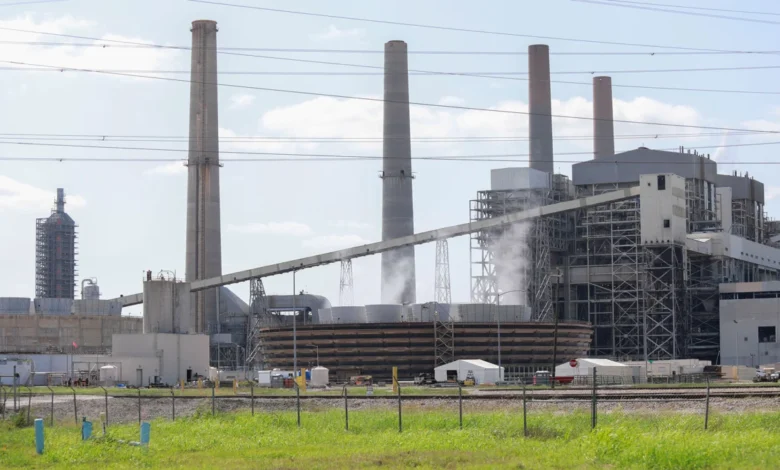
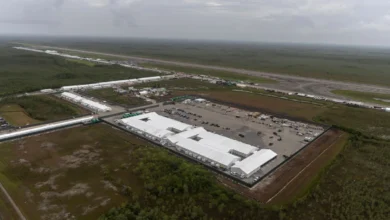
The intersection of the artificial intelligence boom, industrial energy demands, and state-level corporate incentives has reached a new flashpoint in West Texas. Chevron, through its subsidiary Energy Forge One, is currently seeking a state tax abatement worth hundreds of millions of dollars to construct a massive natural gas-fired power plant. While the facility is ostensibly an energy infrastructure project, its primary purpose is not to stabilize the Texas electrical grid or provide power to residential consumers. Instead, the plant is designed to provide "behind-the-meter" electricity exclusively to a massive data center project, with tech giant Microsoft identified as the primary potential tenant.
The application, filed with the Texas State Comptroller’s office, represents a significant test case for the state’s newly minted Jobs, Energy, Technology, and Innovation (JETI) Act. This development comes at a time when the tech industry’s insatiable hunger for electricity to fuel AI applications is clashing with public concerns over rising utility costs, grid reliability, and the environmental impact of a renewed fossil fuel expansion.
The Financial Mechanics of the Energy Forge Project
According to official state documents, the proposed Chevron project could net the oil major more than $227 million in tax savings over a 10-year period. These savings are predicated on the eventual size and scale of the investment in the West Texas facility. The application was met with an initial recommendation for approval by the State Comptroller’s board in late January, marking the first time a power plant intended solely for data center use has received such a nod under the JETI program.
The JETI Act, passed by the Texas Legislature in 2023, was designed as a successor to the controversial Chapter 313 program. It allows for a cap on the taxable value of new industrial properties for the purpose of school district maintenance and operations taxes. In February, the Pecos-Barstow-Toyah school board approved the project’s application. Under the program’s structure, the school district itself is shielded from revenue loss because the state government compensates the district for the abated tax amounts. However, this shift means the burden of the incentive is effectively transferred to the state’s general fund, drawing scrutiny from fiscal hawks and transparency advocates.
Chevron has maintained that these incentives are necessary to make Texas a competitive location for such a massive capital investment. In its application, the company stated that the West Texas site is one of six locations across the United States under consideration. Chevron argued that without the tax breaks, other states would be "more attractive," potentially depriving Texas of billions of dollars in long-term tax revenue and infrastructure growth.
A Timeline of Corporate Agreements and Public Pledges
The development of the Energy Forge project has moved rapidly over the first half of 2024. In January, Microsoft released a high-profile "Community First" pledge regarding its global data center expansion. The company promised to be a "good neighbor," specifically stating it would pay a "full and fair share of local property taxes" and would not ask municipalities to reduce local property tax rates when purchasing land.
However, the clarity of this pledge was tested in March when news reports revealed that Microsoft was in advanced discussions with Chevron and Engine No. 1, an investment firm, to purchase power from the Energy Forge plant. Chevron subsequently confirmed it had entered into an "exclusivity agreement" with Microsoft and Engine No. 1 regarding the project.
While Microsoft has not finalized a definitive commercial agreement, the optics of the situation have raised questions. Critics, including Greg LeRoy of the watchdog group Good Jobs First, point out a technical distinction in Microsoft’s pledge: the company promised not to ask for lower tax rates, but it did not explicitly swear off tax abatements—which reduce the assessed value of the property upon which those rates are applied. Furthermore, because the tax break is being sought by Chevron for the power plant rather than by Microsoft for the data center, the tech giant can technically maintain that it is not the entity seeking the incentive.
The "Behind-the-Meter" Solution to Grid Congestion
The technical nature of the Energy Forge plant reflects a growing trend in the data center industry. The facility is designed as a "behind-the-meter" plant, meaning it will not be connected to the main Texas power grid managed by the Electric Reliability Council of Texas (ERCOT). Instead, the electricity generated will flow directly into the adjacent data center.
This approach is born of necessity. Data center developers across the United States are currently facing "interconnection queues" that can last several years. As the demand for AI processing power skyrockets, tech companies cannot wait for the traditional grid to expand its capacity. By building their own dedicated gas plants, they can bypass the queue and ensure a 24/7 "always-on" power supply that intermittent renewable energy sources like wind and solar cannot yet provide at a similar scale without massive battery storage.
Data from the Global Energy Monitor indicates that nearly 100 gigawatts of gas-fired power are currently in the development pipeline across the U.S. specifically to serve data centers. The Permian Basin in West Texas, a global hub for natural gas production, has become the epicenter for this movement, offering a ready supply of fuel and relatively lax local zoning regulations.
Environmental Implications and the Global Carbon Footprint
The shift toward dedicated gas plants for data centers has significant environmental consequences that often run counter to the "net-zero" carbon pledges made by major tech firms. A WIRED analysis of the Energy Forge project and similar developments suggests that these facilities are permitted to emit greenhouse gases on a scale comparable to entire nations.
The Energy Forge plant alone has the potential to emit more than 11.5 million tons of CO2 equivalent annually. For context, this exceeds the total annual carbon emissions of the nation of Jamaica. Chevron spokesperson Paula Beasley stated that the plant is being designed to comply with all federal and state air quality standards, but the sheer volume of emissions highlights the difficulty of reconciling the AI boom with global climate goals.
Microsoft has previously pledged to be carbon negative by 2030. While the company is one of the world’s largest corporate purchasers of renewable energy, the 24/7 baseload requirements of massive AI training clusters are driving a renewed reliance on fossil fuels. This creates a paradox where the "clean" digital economy is increasingly underpinned by "dirty" physical infrastructure.
Political Backlash and Legislative Scrutiny in Texas
The scale of tax incentives being handed out to the tech and energy sectors has begun to trigger a bipartisan backlash in the Texas Legislature. Republican Lieutenant Governor Dan Patrick has emerged as a vocal critic of the current incentive structure, particularly regarding data centers.
In March, Patrick ordered the state legislature to study the "cost and consequences" of sales tax exemptions and other incentives for data centers. Projections suggest that these exemptions could cost the state of Texas upwards of $3 billion by 2029. Patrick’s directive specifically asked for recommendations to ensure that "Texans benefit from data center investment," reflecting a concern that these projects consume massive amounts of resources while providing relatively few permanent jobs.
The Energy Forge project highlights this job-creation disparity. According to its JETI application, the plant will provide approximately 25 permanent, full-time jobs. While the construction phase will employ hundreds, the long-term employment density is low compared to the $227 million tax break being requested—roughly $9 million in tax incentives per permanent job.
Broader Impact and the Future of Infrastructure
The Chevron-Microsoft project is a harbinger of a new era in industrial development where massive corporations operate outside the traditional public utility framework. While this allows for rapid technological advancement, it poses a challenge to public policy and grid management.
Jane Flegal, a former climate official under the Biden administration and current senior fellow at the Searchlight Institute, argues that the current tax code is incentivizing the wrong behaviors. In a recent report, Flegal suggested that instead of granting abatements for isolated "behind-the-meter" plants, states should restructure incentives to encourage tech companies to invest in grid modernization that benefits the entire public.
"We should fix our tax code so it’s much more progressive," Flegal noted, suggesting that the massive profits generated by the AI sector should be leveraged to build a grid that benefits all citizens rather than just private data hubs.
As the State Comptroller continues to review the final stages of Chevron’s application, the outcome will likely set a precedent for how Texas—and the rest of the country—manages the competing interests of the energy sector, the tech industry, and the taxpayers who fund the incentives that bring them together. For now, the Energy Forge project stands as a $227 million testament to the high cost of powering the digital future.