Strait of Hormuz Blockade Triggers Global Food Crisis as American Farmers Face Record Fertilizer Prices and Production Cuts

The convergence of geopolitical instability in the Middle East and a highly consolidated global agricultural supply chain has plunged the American farming industry into a state of emergency. As the planting season reaches its peak in the spring of 2026, nearly 70 percent of U.S. farmers report they are unable to afford the necessary quantities of nitrogen fertilizer required to sustain their typical crop yields. This shortage is the direct result of the ongoing conflict involving the United States and Israel against Iran, which has effectively shuttered the Strait of Hormuz—a maritime artery through which approximately one-third of the world’s nitrogen fertilizer supply must pass. The resulting economic shock is not merely a localized issue for the agricultural sector; it is a burgeoning national security threat that experts warn will manifest as severe food scarcity and hyper-inflation in the coming months.
The Strategic Chokepoint: Why the Strait of Hormuz Matters
The Strait of Hormuz is widely recognized as the world’s most important oil transit point, but its role in the global food supply is equally critical. Nitrogen fertilizer, the most widely used nutrient in modern industrial agriculture, is heavily dependent on natural gas as a primary feedstock. The Middle East, particularly countries bordering the Persian Gulf, accounts for a massive share of the global production of anhydrous ammonia and urea. When the regional conflict escalated in February 2026, the subsequent closure of the Strait to commercial shipping effectively severed the supply line for the precursors of modern fertilizers.
According to data from the American Farm Bureau Federation, the inability to move these chemicals has created a "slow-moving food crisis." Unlike oil, which can occasionally be diverted via pipelines or alternative routes, the sheer volume of fertilizer feedstock required for global planting seasons makes maritime transport indispensable. With the waterway essentially closed to most cargo vessels due to military activity and high-risk insurance premiums, the global market has seen a drastic reduction in available supply, forcing prices to levels that many family-owned operations find untenable.
The Domestic Toll: Bankruptcy and Production Cuts
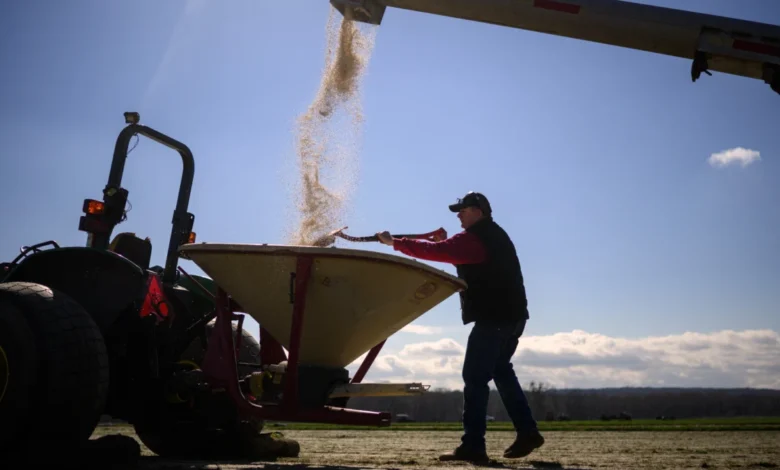
For American producers, the crisis is hitting at the most vulnerable point in the agricultural calendar. Bill Collins, a fourth-generation farmer at Fairweather Growers in Rocky Hill, Connecticut, represents the face of this struggle. Operating on 400 acres, the Collins family has managed the land for over a century, but the current economic climate has forced a decision that would have been unthinkable to previous generations: a voluntary 20% reduction in production.
Collins noted that the farm’s machinery requires between 1,500 and 2,000 gallons of diesel fuel per week. With diesel costs rising by more than $2 per gallon compared to the previous year and fertilizer prices fluctuating by the hour, the profit margins for Fairweather Growers have evaporated. By cutting production, the farm hopes to survive the season, but the reduction in output means less food reaching local markets.
The situation is even more dire in the Midwest. In the first quarter of 2026 alone, 86 American farms filed for Chapter 12 bankruptcy protection. This spike in insolvencies is attributed to the "double-squeeze" of soaring input costs and the lingering effects of trade tariffs. Soybean farmers, in particular, remain caught in a cycle of high production costs and restricted export markets due to ongoing trade tensions and the logistical nightmares caused by the war in Iran.
Chronology of the Crisis: From Invasion to Shortage
The current agricultural emergency did not occur in a vacuum. It is the result of a specific timeline of events that began in early 2026:
- February 2026: Military operations involving the United States, under the direction of Donald Trump, and Israel, led by Benjamin Netanyahu, commence against Iranian targets. The Strait of Hormuz is declared a high-risk zone, halting most commercial traffic.
- March 2026: Fertilizer prices in the U.S. begin a rapid ascent, increasing by 28% in a single month as manufacturers cite supply chain disruptions and the rising cost of natural gas.
- April 2026: The United Nations issues a global alert, estimating that 45 million people worldwide are at risk of acute hunger due to the fertilizer shortage. In the U.S., the Department of Agriculture reports that farmers are shifting 4 million acres of planned corn production to soybeans to minimize nitrogen requirements.
- May 2026: The Senate Committee on Agriculture, Nutrition, and Forestry holds emergency hearings to address the crisis. Lawmakers acknowledge that "food security is national security," yet fail to provide a legislative path to ending the blockade or subsidizing input costs.
Corporate Consolidation and Market Disparities
While farmers face insolvency, the fertilizer manufacturing industry is seeing record revenues. Analysts point to the extreme consolidation of the market as a primary reason for the price volatility. Currently, four major manufacturers control nearly the entire U.S. fertilizer market. This concentration of power allows these entities to maintain high prices even as the farmers they serve are pushed toward financial ruin.
Omanjana Goswami, a researcher at the Union of Concerned Scientists, argues that the current crisis highlights a fundamental flaw in the American agricultural model. "The fertilizer industry is one of the most heavily consolidated in the world," Goswami stated. "At the same time these companies are reporting billions in profits, farmers are seeing their margins vanish. We are operating under an unsustainable model that relies on shipping massive amounts of chemicals across volatile global trade routes."
Data from the University of Illinois indicates that nitrogen fertilizer prices have increased by nearly a third since the war began. These increases are often passed down to the consumer, but the immediate impact is felt by the grower, who must pay for inputs months before they can harvest and sell their crop.
Broader Implications for Global Food Security
The impact of the Strait of Hormuz closure extends far beyond the borders of the United States. The United Nations has warned of a "catastrophic" outlook for developing nations that rely on imported grain and fertilizer. In the U.S., the most immediate concern is the wheat harvest.
A combination of the fertilizer shortage, unseasonable spring weather, and a multi-year drought in the Great Plains has led to the worst outlook for wheat yields in decades. Unlike corn or soy, which are often used for livestock feed or industrial biofuels, the majority of U.S.-grown wheat is destined for human consumption. Economists predict that the "bread aisle shock" will hit American consumers by late 2026, as the reduced yields and high production costs are reflected in the price of flour, bread, and cereal.
Furthermore, the shift from corn to soy—a crop that requires significantly less nitrogen—will have ripple effects throughout the food chain. Corn is a primary component of livestock feed; a reduction in corn acreage will likely lead to higher prices for beef, pork, and poultry in 2027.
Official Responses and the Search for Solutions
During recent Senate testimony, lawmakers from both sides of the aisle expressed frustration with the lack of immediate relief. Senator Raphael Warnock (D-Ga.) emphasized that the current situation is an "illegal trade war" compounded by military conflict. He noted that Georgia farmers are reaching a breaking point, with diesel and fertilizer costs showing "no end in sight."
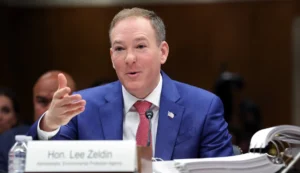
"The best-case scenario for our farmers is the reopening of the Strait of Hormuz," Warnock said during the hearing. "It was open before this war started, and its closure is the primary driver of the pain our rural communities are feeling today."
Despite the rhetoric, the Agriculture, Nutrition, and Forestry Committee has focused primarily on transparency measures rather than direct intervention. Proposed legislation aims to mandate greater price transparency from the "Big Four" fertilizer manufacturers to prevent price gouging. However, farmers like Trent Kubik, president of the South Dakota Corn Growers Association, argue that transparency does little to lower the actual cost of the product.
"During the last 75 days, a lot of money was being made—but it wasn’t by farmers," Kubik told the committee. He noted that even if the war were to end tomorrow, the backlog in the global supply chain is so severe that relief might not reach American fields until 2027.
Conclusion: An Unsustainable Path
The 2026 fertilizer crisis serves as a stark reminder of the vulnerability of the global food system to geopolitical shocks. The reliance on a single maritime chokepoint for the precursors of modern agriculture has created a bottleneck that threatens to destabilize not only the American farm economy but global social order.
As the war in Iran continues, the "slow-moving food crisis" is accelerating. Without a diplomatic resolution to the blockade of the Strait of Hormuz or a radical restructuring of how agricultural inputs are sourced and distributed, the United States faces a future of diminished harvests, increased bankruptcies, and a permanent increase in the cost of basic nutrition. For the four generations of the Collins family and thousands of others like them, the current season is more than just a financial challenge; it is a fight for the survival of a way of life that has sustained the nation for over a century.
Related posts: