US Government Waives Controversial Visa Bond Requirements for World Cup Ticket Holders Following FIFA Intervention

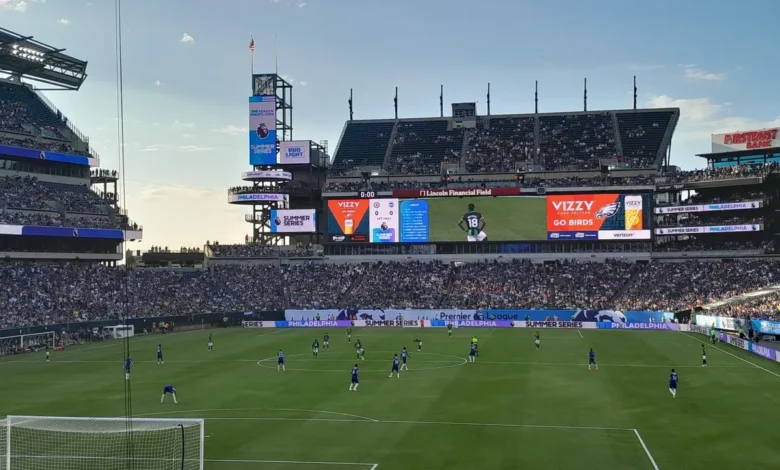
The United States federal government has officially authorized a waiver for the controversial visa bond requirements previously imposed on travelers from specific nations, provided they are confirmed ticket holders for the upcoming FIFA World Cup. This decision, confirmed by the State Department and the Department of Homeland Security (DHS), comes as a direct response to a formal request from FIFA, the international governing body for association football. The waiver effectively removes a significant financial barrier for international fans, specifically those from 50 countries who were previously required to post cash bonds of up to $15,000 to secure temporary visitor visas. Among the nations benefiting from this policy shift are five prominent footballing nations that have qualified for the tournament: Algeria, Cape Verde, the Ivory Coast, Senegal, and Tunisia.
The implementation of the visa bond pilot program had initially drawn sharp criticism from international sporting organizations and human rights advocates, who argued that the financial burden would disproportionately affect fans from developing nations. By waiving these requirements for ticket holders, the administration aims to balance national security interests with the economic and diplomatic benefits of hosting a global sporting event of this magnitude.
The Evolution of the Visa Bond Pilot Program
The visa bond requirement was first introduced as a 12-month pilot program aimed at reducing the rate of visa overstays in the United States. Under the original policy, consular officers were granted the authority to require applicants for B-1 (business) and B-2 (tourism) visas to post a bond if they were from countries with high overstay rates. These rates are calculated based on the percentage of visitors who remain in the U.S. beyond their authorized period of stay.
The bonds were set at amounts ranging from $5,000 to $15,000, intended to serve as a financial incentive for visitors to return to their home countries. The funds were designed to be held in escrow and returned once the traveler successfully exited the United States within the legal timeframe. However, the requirement for upfront liquidity posed a massive obstacle for the average football fan, for whom $15,000 often represents several years of median income.
The pilot program targeted a list of 50 countries, the majority of which are located in Africa and Southeast Asia. For the World Cup, the inclusion of qualified nations like Senegal and the Ivory Coast meant that some of the tournament’s most passionate fanbases faced the prospect of being priced out of the event, not by ticket costs or airfare, but by government-mandated security deposits.
FIFA’s Diplomatic Intervention and the Logistics of the Waiver
The waiver was not a spontaneous policy shift but the result of months of high-level negotiations between FIFA officials and U.S. diplomatic channels. FIFA’s primary concern was the potential for "empty stands" and a lack of atmospheric diversity, which are central to the World Cup brand. Furthermore, FIFA’s hosting agreements typically include clauses requiring host nations to facilitate ease of entry for participating teams, officials, and fans.
According to officials familiar with the negotiations, FIFA argued that a "confirmed ticket holder" status serves as a reliable indicator of a legitimate traveler. To qualify for the waiver, fans must present proof of purchase from an authorized FIFA ticketing portal alongside their standard visa application. This documentation will be cross-referenced by the State Department to ensure authenticity.
The Department of Homeland Security noted that while the bond is being waived, all other security screening processes remain in full effect. Applicants must still undergo rigorous background checks, interviews at U.S. embassies or consulates, and provide evidence of their intent to return home, such as proof of employment, property ownership, or family ties.
Statistical Context: Visa Overstays and Economic Projections
To understand the rationale behind the initial bond and the significance of its waiver, it is necessary to examine the data surrounding visa overstays. According to the DHS Fiscal Year 2022 Entry/Exit Overstay Report, certain nations on the bond list have historically seen overstay rates exceeding 10%. For example, some of the African nations qualified for the tournament have seen fluctuations in overstay rates that prompted their inclusion in the pilot program.
However, proponents of the waiver point to the massive economic influx generated by World Cup tourism as a counterweight to security concerns. Historically, the World Cup has the potential to generate billions of dollars in economic activity for the host regions.
- Tourism Revenue: International fans are estimated to spend an average of $3,500 to $5,000 per person on lodging, dining, and local transportation during their stay.
- Tax Revenue: State and local governments benefit from increased sales and occupancy taxes.
- Global Visibility: The tournament serves as a month-long advertisement for the U.S. tourism industry, potentially driving future travel.
By removing the $15,000 bond, the U.S. government is effectively opening the door for thousands of additional visitors who will contribute directly to the domestic economy. Analysis suggests that the presence of fans from the five qualified African nations alone could account for tens of millions of dollars in direct spending that would otherwise have been lost.
Reactions from Affected Nations and International Bodies
The news of the waiver has been met with a mixture of relief and cautious optimism from the international community. Football federations in the affected countries have welcomed the move, noting that it restores a sense of equity to the tournament.
A spokesperson for the Senegalese Football Federation stated, "Football is a sport for the people, not just the wealthy. Our fans are the heartbeat of our team, and the prospect of them being barred by a $15,000 bond was a source of great distress. This waiver recognizes the cultural importance of the event."
In contrast, some domestic policy analysts have expressed concerns that waiving the bond could undermine the integrity of the pilot program. Critics argue that if the bond is necessary for security and compliance, making exceptions for sports fans creates an inconsistent immigration policy. However, the State Department countered this by emphasizing the "extraordinary nature" of the World Cup as a global event and the rigorous vetting already in place for ticket holders.
Human rights organizations have used the opportunity to call for a permanent end to the visa bond program entirely, labeling it as "wealth-based discrimination." They argue that the ability to travel should not be predicated on the ability to provide a massive cash deposit, particularly for citizens of developing nations.
A Timeline of the Policy Shift
The road to this waiver involves several key milestones in U.S. immigration policy and sporting diplomacy:
- August 2020: The Trump administration announces the 12-month Visa Bond Pilot Program, targeting 50 countries with high overstay rates.
- September 2020 – Early 2021: Implementation begins, leading to a sharp decline in visa approvals from the targeted regions as applicants struggle to meet the financial requirements.
- Mid-Year: FIFA initiates formal discussions with the U.S. State Department regarding the impact of the policy on World Cup attendance.
- Pre-Tournament Window: The Department of Homeland Security and the State Department conduct a joint review of the request, weighing the risks of overstays against the diplomatic and economic benefits of the tournament.
- Wednesday Announcement: The State Department officially notifies the Associated Press and other outlets that the bond requirement will be waived for confirmed ticket holders.
Broader Implications for Future Global Events
The decision to waive the visa bond for World Cup fans sets a significant precedent for how the United States manages large-scale international events. With the U.S. set to co-host the 2026 FIFA World Cup alongside Canada and Mexico, as well as the upcoming Olympic Games in Los Angeles, the tension between restrictive immigration policies and the requirements of hosting global gatherings will remain a focal point of discussion.
This move signals that the U.S. government is willing to exercise "discretionary flexibility" when it comes to international obligations and high-profile cultural exchanges. It also highlights the growing influence of non-state actors like FIFA in shaping national policy decisions. When the economic and reputational stakes are high enough, even the most rigid immigration frameworks can be adjusted to accommodate the realities of global interconnectivity.
For the fans in Algiers, Dakar, and Abidjan, the waiver is more than a policy adjustment; it is a validation of their right to participate in the world’s greatest sporting spectacle. While the high cost of travel and tickets remains a hurdle, the removal of the $15,000 "security wall" ensures that the stands will be filled with the diverse voices that make the World Cup a truly global phenomenon.
As the tournament approaches, the State Department has advised all prospective travelers to begin their visa application process immediately, warning that while the bond is waived, processing times at consulates remain lengthy due to high demand. The success of this waiver program will likely be measured by the final overstay data gathered after the tournament, which will influence whether similar exceptions are made for future international summits and sporting events on American soil.