
Berlin Film Festival Israel Gaza
Berlin Film Festival Israel Gaza: A Lens on Conflict and Humanity
The Berlin International Film Festival, a prestigious global cinematic event, has consistently grappled with presenting films that reflect the complexities of the Israeli-Palestinian conflict. In recent years, the festival’s programming has increasingly featured works directly addressing the realities of Gaza, offering audiences a vital if often unflinching, glimpse into the human cost of prolonged occupation, blockade, and recurrent violence. The selection of films at Berlinale concerning Israel and Gaza serves not merely as entertainment but as a critical form of geopolitical commentary, challenging dominant narratives and fostering dialogue through the powerful medium of cinema. These films, by their very nature, navigate a minefield of political sensitivities, aiming to illuminate the experiences of those living under siege, the resilience of their spirit, and the pervasive impact of conflict on daily life. The festival’s commitment to showcasing these narratives, even when controversial, underscores its role as a platform for marginalized voices and a space for urgent global conversations.
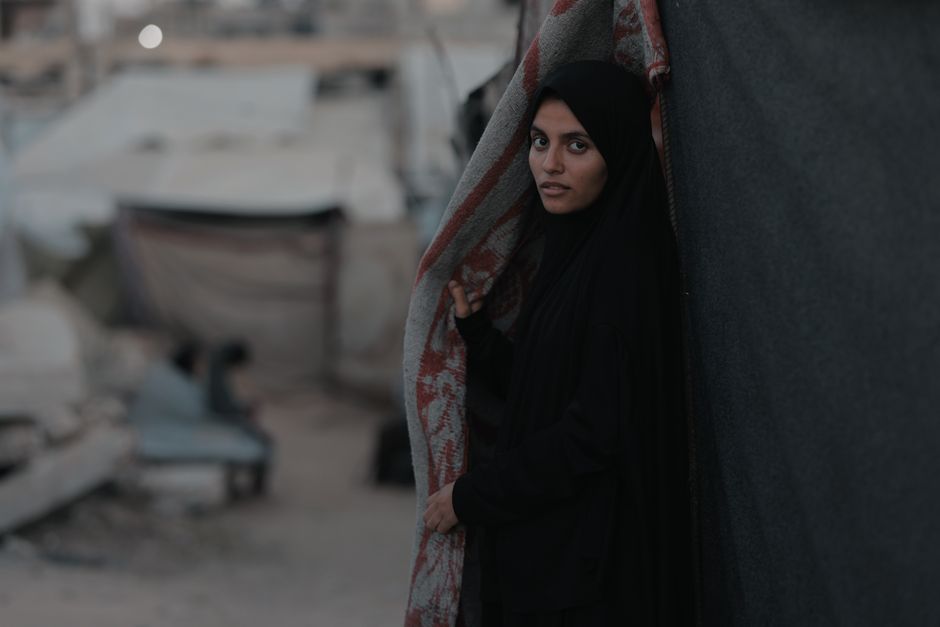
Documentaries have proven particularly instrumental in dissecting the intricate layers of the Gaza situation. For instance, films like Gaza (2019), directed by Garry Keane and Andrew McConnell, employed stunning cinematography to immerse viewers in the daily lives of Gazans, capturing both the pervasive destruction and the enduring human spirit amidst overwhelming hardship. This film, in particular, was lauded for its unfiltered portrayal of a community striving for normalcy against the backdrop of perpetual crisis. It eschewed overt political pronouncements, instead focusing on the lived experiences of individuals – children playing amidst rubble, families struggling for basic necessities, and the constant psychological toll of living in a densely populated war zone. The visual language of such documentaries often speaks louder than any spoken word, highlighting the stark contrast between the vibrant life force of its inhabitants and the desolate landscape shaped by conflict. The festival’s selection of these works signals a deliberate effort to move beyond abstract political discourse and engage with the tangible realities faced by the people of Gaza.
Beyond documentaries, fictional narratives have also played a crucial role in humanizing the conflict. While direct fictional portrayals of the immediate Israeli-Palestinian war are less common due to the inherent complexities and potential for misinterpretation, films that explore the broader impact of political tensions, occupation, and displacement on individuals and communities often resonate deeply and implicitly address the Gaza context. These narratives can offer nuanced explorations of identity, belonging, and the search for peace in a region scarred by conflict. For example, films that focus on the psychological trauma of war, the impact on family structures, or the aspirations of younger generations yearning for a future free from violence, provide crucial emotional anchors for understanding the human dimensions of the Israeli-Gaza dynamic. Berlinale’s commitment to diverse storytelling means these films, even when not explicitly set in Gaza, can contribute to a broader understanding of the region’s complex realities.
The selection of films at Berlinale concerning Israel and Gaza often sparks robust debate, both within the festival’s walls and in the wider public sphere. This controversy is not necessarily a deterrent but rather a testament to the power of cinema to provoke thought and challenge established perspectives. When a film presents a narrative that diverges from mainstream discourse or offers a critical examination of power dynamics, it inevitably draws attention and elicits strong reactions. The festival’s role in this regard is to provide a safe space for these discussions to unfold, encouraging respectful engagement with differing viewpoints. The goal is not to dictate a particular political stance but to foster a deeper understanding of the multifaceted nature of the conflict through artistic expression. This can lead to increased awareness and potentially contribute to more informed public discourse on the issues.
Critiques and praise surrounding films at Berlinale touching on Israel and Gaza are often channeled through discussions about authenticity, bias, and narrative framing. Filmmakers are tasked with the immense responsibility of representing complex realities without succumbing to propaganda or perpetuating harmful stereotypes. Critics, in turn, scrutinize these films for their ethical considerations, their artistic merit, and their contribution to public understanding. The festival’s jury and selection committees face the challenging task of balancing artistic quality with the profound social and political implications of the films they choose to showcase. This delicate equilibrium is central to Berlinale’s reputation as a festival that engages with the world’s most pressing issues.
The impact of international film festivals like Berlin extends beyond the immediate cinematic experience. By bringing films about sensitive geopolitical issues to a global stage, Berlinale contributes to raising international awareness and fostering empathy. For many in the Western world, the reality of life in Gaza can remain abstract, mediated by news reports that often focus on violence and casualty figures. Films, however, offer a more intimate and personal connection, allowing audiences to witness the humanity, resilience, and aspirations of individuals caught in the crossfire. This increased understanding can, in turn, influence public opinion and potentially impact diplomatic efforts and humanitarian aid. The festival acts as a cultural bridge, connecting audiences to experiences that might otherwise remain inaccessible.
The narrative surrounding Gaza is often dominated by political discourse and sensationalized media coverage. Films screened at Berlinale aim to counter this by offering nuanced and personal perspectives. They delve into the daily struggles of ordinary people – the search for water, the challenges of accessing education and healthcare, the pervasive fear of violence, and the yearning for a future filled with hope. These narratives often highlight the resilience of the human spirit, showcasing acts of kindness, community support, and the enduring pursuit of normalcy in the face of extreme adversity. The power of cinema lies in its ability to evoke emotion and foster a sense of shared humanity, transcending political divides and encouraging viewers to connect with the individuals behind the headlines.
The question of “balance” in representing the Israeli-Palestinian conflict is a recurring theme in discussions surrounding films screened at Berlinale. Critics often debate whether a film adequately represents all perspectives or if it leans too heavily on one side of the narrative. However, many filmmakers argue that their primary focus is to shed light on specific experiences and to give voice to those who have been historically marginalized or silenced. The intention is not necessarily to create a perfectly balanced report but to offer a deeper, more humanistic understanding of a particular facet of the conflict. Berlinale, in its programming, often embraces films that challenge conventional narratives and push the boundaries of cinematic storytelling, even if they provoke disagreement.
The enduring legacy of the Israeli-Palestinian conflict means that its representation in cinema will continue to be a significant and evolving aspect of festivals like Berlinale. As the geopolitical landscape shifts and new generations grapple with the ongoing realities, new stories will emerge. The festival’s commitment to showcasing these diverse narratives, from documentaries to fictional explorations, ensures that the human dimensions of the conflict remain at the forefront of global consciousness. The dialogue fostered by these films, even when contentious, is crucial for promoting understanding and ultimately, for working towards a more peaceful resolution. The artistic merit of these cinematic works, coupled with their profound social and political relevance, solidifies their importance within the international film calendar.
The visual language employed in films depicting the Gaza situation often plays a critical role in conveying its realities. Cinematography can capture the stark beauty of a landscape under siege, the vibrant colors of everyday life juxtaposed against the grey of destruction, and the subtle nuances of human expression that speak volumes about resilience and despair. For example, shots that linger on the faces of children, their eyes reflecting a mixture of innocence and experience, can be profoundly impactful. Similarly, the depiction of crowded streets, the sounds of daily life, and the architectural remnants of past conflict all contribute to a visceral understanding of the environment in which these stories unfold. Berlinale’s emphasis on artistic excellence ensures that these visual narratives are not only informative but also emotionally resonant, leaving a lasting impression on audiences.
The international reception of films from or about Gaza screened at Berlinale can vary significantly, reflecting the diverse political landscapes and media environments of different countries. While some audiences and critics may be receptive to narratives that challenge established perspectives on the conflict, others may approach them with skepticism or outright opposition. This varying reception underscores the importance of the festival as a platform for cross-cultural dialogue and understanding. By presenting these films to a global audience, Berlinale encourages a broader engagement with the complexities of the Israeli-Palestinian conflict, fostering a more nuanced and informed international discourse. The festival’s role in facilitating these conversations is invaluable in a world often polarized by political divisions.
The ethical considerations filmmakers face when documenting or dramatizing the Israeli-Palestinian conflict are substantial. The potential for misrepresentation, the responsibility to protect subjects, and the challenge of avoiding sensationalism are all critical factors. Films that succeed in navigating these ethical minefields often do so through meticulous research, a deep commitment to their subjects, and a transparent approach to storytelling. Berlinale’s programming choices reflect a recognition of these challenges and a willingness to support filmmakers who engage with these complex issues in a thoughtful and responsible manner. The festival’s credibility rests, in part, on its ability to showcase films that are not only artistically compelling but also ethically sound.
The future of cinematic representation of the Israeli-Gaza conflict at festivals like Berlinale will undoubtedly continue to evolve. As new technologies emerge and the geopolitical landscape shifts, filmmakers will find new ways to tell these vital stories. The enduring themes of resilience, hope, loss, and the human cost of conflict will likely remain central, but the approaches and perspectives will diversify. Berlinale’s ongoing commitment to showcasing a wide range of voices and narratives ensures that these important conversations will continue to be amplified on a global stage, contributing to a deeper understanding of one of the world’s most enduring and challenging conflicts. The festival’s role in providing a platform for such impactful storytelling is more crucial than ever in fostering global awareness and promoting dialogue.
