
Homelessness Crisis America Stories
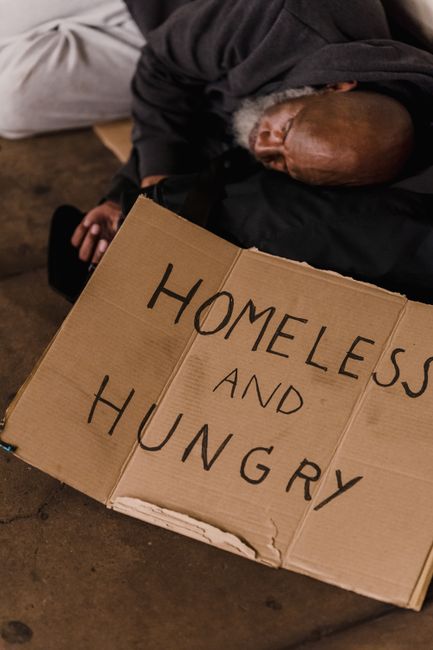
The American Homelessness Crisis: Unveiling the Human Stories and Systemic Failures
The United States is experiencing a profound homelessness crisis, a multifaceted societal breakdown that leaves millions without safe, stable housing. This is not an abstract statistic; it represents a constant struggle for survival, a daily fight against the elements, hunger, and often, despair. The faces of homelessness are diverse, encompassing veterans who served their country, families displaced by economic hardship, individuals battling mental illness or addiction, and young people who aged out of foster care. Their stories, though unique, illuminate a shared reality of vulnerability and systemic neglect. Understanding this crisis requires moving beyond generalizations and confronting the individual narratives that form its devastating tapestry. It demands an examination of the root causes, the often-invisible barriers to exiting homelessness, and the urgent need for comprehensive, humane solutions. The sheer scale of the problem is staggering, with annual Point-in-Time counts revealing hundreds of thousands of individuals experiencing homelessness on any given night, a number that has been steadily rising in recent years. This surge is not a random occurrence but a direct consequence of interwoven economic, social, and policy failures that have eroded the safety nets designed to prevent such widespread housing insecurity. The narrative of the American Dream often overlooks those who are systematically excluded, their struggles amplified by a housing market that prioritizes profit over people and a social support system that often fails to meet the complex needs of its most vulnerable citizens.
A significant driving force behind the escalating homelessness crisis is the severe lack of affordable housing. Decades of stagnant wage growth for low-income workers, coupled with a dramatic surge in rental prices and a shrinking supply of affordable units, have pushed housing out of reach for an ever-increasing segment of the population. The median rent in many American cities has far outpaced inflation and wage increases, creating a widening chasm between income and housing costs. This phenomenon disproportionately impacts individuals and families with the lowest incomes, who are forced to spend an unsustainable percentage of their earnings on rent, leaving little for other essential needs like food, healthcare, or transportation. When unexpected expenses arise, such as a job loss, medical emergency, or car repair, the precarious financial stability of these households shatters, often leading directly to eviction and, subsequently, homelessness. Public housing initiatives, once a cornerstone of affordable housing, have been underfunded and under-maintained for decades, failing to keep pace with demand. The waiting lists for subsidized housing are often years-long, leaving individuals in desperate need with no immediate recourse. Furthermore, the deindustrialization of many urban areas has led to a loss of well-paying jobs accessible to those without higher education, exacerbating economic inequality and contributing to a growing population of individuals struggling to make ends meet. This economic precarity is not a personal failing but a structural deficiency that requires systemic intervention to rectify. The narrative of individual responsibility, while important, often obscures the broader economic forces that trap people in poverty and housing insecurity.
The mental health and addiction crises are deeply intertwined with homelessness. A substantial portion of the homeless population struggles with severe mental illness, including conditions like schizophrenia, bipolar disorder, and major depression. These conditions can severely impair an individual’s ability to maintain employment, manage finances, and sustain stable relationships, all of which are critical for housing stability. Unfortunately, access to comprehensive and continuous mental healthcare in the United States is severely limited, particularly for those without insurance or the financial means to afford private treatment. Many individuals with mental illness fall through the cracks of the healthcare system, leading to prolonged periods of untreated illness that can result in erratic behavior, further social isolation, and ultimately, homelessness. Similarly, substance use disorders are a significant contributor to homelessness. Addiction can lead to job loss, damaged relationships, and financial ruin. While addiction is often viewed as a moral failing, it is increasingly understood as a complex medical condition requiring treatment and support. However, the availability of affordable and accessible addiction treatment programs is insufficient to meet the demand. Many individuals cycle in and out of homelessness, their addiction exacerbated by the stress and instability of living on the streets, creating a vicious cycle that is incredibly difficult to break without sustained support and treatment. The criminalization of addiction and mental illness, which often results in arrests and incarceration rather than treatment, further compounds these issues, creating additional barriers to housing and employment upon release.
The experiences of veterans within the homelessness crisis are particularly poignant and indicative of a broken promise. While the nation often honors its veterans with parades and rhetoric, the reality for many who have served is a stark contrast. A significant number of veterans, particularly those who served in recent conflicts, struggle with Post-Traumatic Stress Disorder (PTSD), Traumatic Brain Injury (TBI), and other service-related mental health conditions. These challenges, coupled with difficulties transitioning back to civilian life, finding stable employment, and navigating the bureaucracy of the Department of Veterans Affairs (VA), can lead to devastating outcomes, including homelessness. Stories of decorated soldiers living on park benches or in makeshift encampments are a tragic indictment of a society that asks individuals to risk their lives for its security but fails to provide adequate support upon their return. The lack of accessible mental healthcare and addiction services specifically tailored to the unique needs of veterans further exacerbates the problem. While some programs exist, they are often overwhelmed and underfunded, leaving many veterans without the comprehensive care they desperately need and deserve. The stigma associated with seeking help for mental health issues, particularly within a military culture that often emphasizes strength and stoicism, also acts as a significant barrier for many veterans.
Domestic violence is another critical pathway to homelessness, especially for women and children. Many individuals flee abusive relationships with nothing but the clothes on their backs, seeking refuge in shelters or on the streets. The trauma of abuse, combined with the lack of financial resources and support networks, makes it incredibly difficult for survivors to secure safe and stable housing. Shelters, while vital, are often at capacity, and transitional housing programs have limited availability. The fear of their abuser locating them further complicates their efforts to find a permanent solution. The cycle of violence and homelessness can be devastating, impacting not only the survivors but also any children involved, who may experience developmental delays, behavioral issues, and a heightened risk of experiencing homelessness themselves later in life. The legal and financial repercussions of fleeing an abusive relationship, such as outstanding debts or a damaged credit history, can also create significant obstacles to obtaining housing and employment, trapping survivors in a state of chronic insecurity.
The COVID-19 pandemic exacerbated pre-existing issues within the homelessness crisis, pushing more individuals and families into precarious housing situations. Job losses due to lockdowns, the inability to pay rent, and the disruption of essential services all contributed to an increase in housing instability. While moratoriums on evictions provided temporary relief for some, they were not a permanent solution and often came with the accumulated burden of unpaid rent, which many were unable to repay. The pandemic also highlighted the extreme vulnerability of the homeless population to public health crises, as individuals living unsheltered or in overcrowded shelters were at greater risk of contracting and spreading the virus. The disruption of services, such as day centers and meal programs, further strained resources and made it harder for individuals to access basic necessities. The economic fallout from the pandemic, including inflation and rising housing costs, continues to have a lingering impact, making it even more challenging for those who have fallen into homelessness to find their way back to stability.
The criminalization of homelessness, rather than addressing its root causes, further entrenches individuals in cycles of poverty and housing insecurity. Laws that prohibit loitering, sleeping in public spaces, or panhandling effectively criminalize the state of being without a home. This can lead to fines, arrests, and incarceration, creating a criminal record that serves as a significant barrier to obtaining employment and housing. Instead of providing support and resources, the system often punishes individuals for their poverty. The cycle is clear: a person is homeless, can’t afford a place to live, is arrested for a minor offense related to their homelessness, which then makes it even harder to find a job and a home. This punitive approach diverts resources that could be used for effective solutions like affordable housing development, mental health services, and job training programs. The narrative often portrays homeless individuals as criminals rather than as people in crisis who require assistance.
The stories of those experiencing homelessness are often silenced or ignored by mainstream society. Media coverage, when it exists, can sometimes sensationalize or dehumanize the issue, focusing on the problems rather than the people. This lack of empathetic understanding contributes to a societal apathy that hinders the implementation of effective solutions. The complex interplay of economic inequality, inadequate social services, and systemic discrimination creates a perfect storm that leaves vulnerable individuals with nowhere to turn. To truly address the homelessness crisis in America, we must move beyond simplistic narratives and engage with the lived realities of those affected. This requires a fundamental shift in our approach, moving from punitive measures to compassionate, evidence-based solutions that prioritize housing as a human right and invest in the social determinants of health and well-being. The ultimate goal is not just to clear encampments but to ensure that every individual has a safe and stable place to call home.
