
Microsoft Corporate Progressive Labor
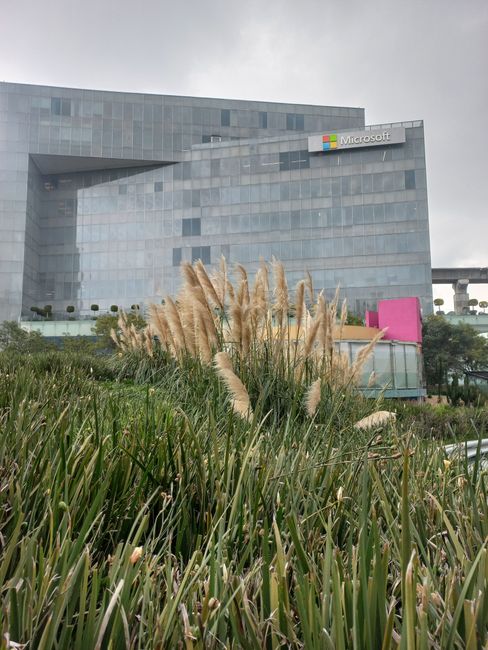
Microsoft Corporate Progressive Labor: A Comprehensive Analysis
The concept of progressive labor within a corporate behemoth like Microsoft signifies a nuanced and multifaceted approach to employee welfare, engagement, and the integration of evolving societal values into business practices. It transcends traditional notions of basic labor rights and delves into areas such as ethical supply chains, environmental sustainability, diversity and inclusion initiatives, fair compensation structures, and the fostering of a mentally and physically healthy work environment. For Microsoft, a company operating at the vanguard of technological innovation and global influence, its progressive labor policies are not merely altruistic endeavors but strategic imperatives that shape its brand reputation, attract top talent, and contribute to long-term business resilience. This analysis will explore the various dimensions of Microsoft’s commitment to progressive labor, examining its policies, their impact, and the ongoing challenges and opportunities inherent in maintaining such a stance within a complex corporate landscape.
One of the foundational pillars of Microsoft’s progressive labor strategy lies in its commitment to ethical sourcing and supply chain responsibility. As a company that relies on a vast global network of suppliers for its hardware components, cloud infrastructure, and manufacturing processes, ensuring fair labor practices throughout this chain is paramount. Microsoft has implemented robust supplier codes of conduct that explicitly prohibit forced labor, child labor, and hazardous working conditions. These codes are not merely statements of intent; they are accompanied by regular audits, risk assessments, and remediation programs designed to identify and address non-compliance. The company’s efforts extend to areas like responsible sourcing of minerals, aiming to prevent the financing of conflict and human rights abuses. This proactive approach to supply chain ethics is crucial for mitigating reputational risks, preventing legal entanglements, and aligning with the growing consumer and investor demand for socially responsible business operations. The transparency and accountability embedded in these initiatives signal a departure from purely cost-driven sourcing models towards a more holistic view that prioritizes human well-being.
Diversity, Equity, and Inclusion (DEI) represent another critical facet of Microsoft’s progressive labor agenda. Recognizing the immense value that a diverse workforce brings to innovation and problem-solving, Microsoft has invested significantly in programs and policies aimed at fostering a more inclusive environment. This includes initiatives focused on increasing representation of underrepresented groups in leadership positions, promoting pay equity across all demographics, and creating employee resource groups (ERGs) that provide support and community. The company has publicly set ambitious goals for diversity in its workforce and actively tracks its progress, making this data accessible. Beyond representation, the focus is on creating a culture where all employees feel valued, respected, and empowered to contribute their unique perspectives. This commitment to DEI is not only about fairness but also about leveraging the full spectrum of talent to drive innovation and better serve a global customer base. The integration of inclusive design principles into their products further reflects this commitment, demonstrating how internal DEI efforts can have outward-facing impacts.
Fair compensation and benefits are fundamental to any progressive labor framework, and Microsoft’s approach reflects this. While the company is known for offering competitive salaries, its progressive stance extends to comprehensive benefits packages that support employee well-being. This includes robust healthcare options, retirement plans, parental leave policies that go beyond statutory requirements, and provisions for mental health support. Microsoft has also been a proponent of fair wage practices, not only for its direct employees but also for contract workers and those in its extended workforce, particularly in areas like customer support and data center operations. The company’s commitment to transparency in pay and performance evaluations aims to reduce bias and ensure equitable reward systems. Furthermore, Microsoft has been vocal about advocating for a living wage and has engaged in public discourse on economic fairness, demonstrating a broader commitment to societal economic well-being.
Employee well-being and work-life balance are increasingly recognized as vital components of a progressive labor environment. Microsoft has implemented various initiatives to support its employees in this regard. This includes flexible work arrangements, such as hybrid and remote work options, which have become more prevalent and are being continually refined. The company also promotes a culture that encourages taking time off for rest and rejuvenation, recognizing that burnout is detrimental to both individual productivity and overall organizational health. Investments in mental health resources, including access to counseling services, mindfulness programs, and educational initiatives, underscore a commitment to the holistic well-being of its workforce. This focus on well-being is not just about employee satisfaction; it’s about creating a sustainable and engaged workforce capable of long-term innovation and contribution.
Environmental sustainability is intricately linked with progressive labor practices, as environmental degradation disproportionately impacts vulnerable populations. Microsoft has established ambitious environmental goals, including becoming carbon negative, water positive, and zero waste by 2030. These goals have direct implications for its labor practices, particularly in its manufacturing and supply chain operations. The company prioritizes working with suppliers who adhere to environmental standards and seeks to minimize the environmental footprint of its operations through energy efficiency, renewable energy sourcing, and responsible waste management. This commitment to sustainability reflects a broader understanding of corporate responsibility that extends beyond immediate stakeholders to encompass the health of the planet and future generations, a core tenet of progressive thinking.
The role of unions and collective bargaining in a progressive labor model is a complex and evolving area. While Microsoft has historically not been a unionized company in the traditional sense, there have been instances of workers, particularly contract workers, organizing and advocating for better conditions. Microsoft’s response to these situations has been a critical indicator of its progressive labor credentials. The company has, in some cases, engaged in dialogue with these groups, demonstrating a willingness to listen and adapt. However, the legal landscape and the company’s established employee relations policies continue to shape this dynamic. The broader trend of increasing unionization efforts across the tech sector may present new challenges and opportunities for Microsoft to further solidify its commitment to progressive labor through collaborative engagement.
Challenges and opportunities abound in maintaining and advancing progressive labor practices at Microsoft. The sheer scale of its global operations, the rapid pace of technological change, and the constant pressure to innovate and compete present inherent complexities. Ensuring consistent application of progressive labor standards across diverse geographical regions with varying legal frameworks and cultural norms requires continuous vigilance and adaptation. Furthermore, the increasing reliance on contingent and contract workers necessitates a proactive approach to ensure fair treatment and equitable benefits for this segment of the workforce. Opportunities lie in leveraging technology to enhance transparency and accountability in its supply chains, further integrating DEI into its core business strategies, and continuing to set industry benchmarks for employee well-being and sustainability. The company’s willingness to publicly share its progress and challenges in these areas is also a significant opportunity to foster greater trust and accountability with its employees, customers, and the broader public. The ongoing evolution of the future of work, with its emphasis on flexibility, automation, and new skill requirements, will also demand continuous adaptation and innovation in Microsoft’s progressive labor approach.
