
Nba All Star Dunk Contest Mlb
The NBA All-Star Dunk Contest: A Legacy of Athleticism and Innovation
The NBA All-Star Dunk Contest, an electrifying staple of the league’s mid-season spectacle, has evolved from a simple showcase of aerial prowess into a complex exhibition of athleticism, creativity, and strategic execution. For decades, it has captivated audiences worldwide, providing unforgettable moments and cementing the legacies of some of basketball’s most iconic dunkers. This article delves into the rich history, key elements, influential figures, and enduring appeal of this celebrated competition, exploring what makes it more than just a series of dunks, but a cultural phenomenon.
The Genesis and Early Years of Aerial Acrobatics
The Dunk Contest was introduced to the NBA All-Star Weekend in 1984, coinciding with the league’s resurgence in popularity. The inaugural event, held in Denver, immediately showcased the potential for gravity-defying displays. While Michael Jordan is often cited as the undisputed king of the dunk contest, it was Larry Nance who took home the first trophy, a testament to the diverse talent that emerged from the competition’s inception. The early years were characterized by a raw, unadulterated display of athleticism. Players like Julius Erving, whose iconic "rock the baby" dunk in 1976 predated the official contest but laid the groundwork for its appeal, brought an artistic flair to the act. Nance, with his powerful slams and innovative windmills, established a benchmark for what was possible. These early contests were less about elaborate props and more about pure leaping ability and raw power, setting the stage for future innovators.
Michael Jordan and the Golden Age of Dunking
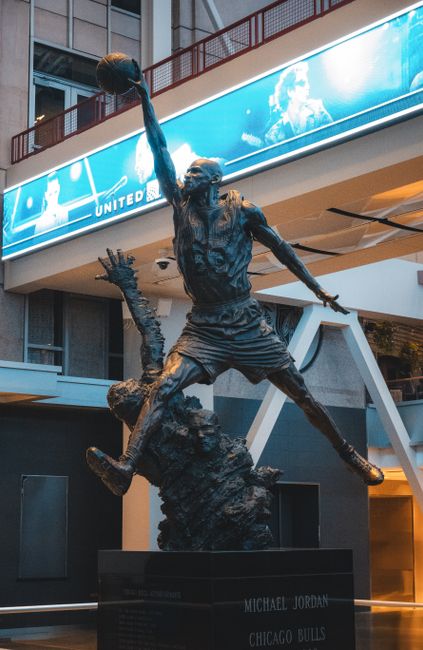
The arrival of Michael Jordan on the scene marked a transformative period for the Dunk Contest. His performances in 1987 and 1988 in Chicago are etched in basketball lore. Jordan didn’t just dunk; he performed aerial ballets, transforming the contest into a stage for athletic poetry. His famous free-throw line dunk, a feat of incredible hangtime and control, became an enduring symbol of his dominance and the contest’s potential. The 1988 showdown against Dominique Wilkins, dubbed the "Human Highlight Film," is widely considered one of the greatest duels in sports history. Wilkins, a master of power and creativity himself, delivered a series of breathtaking dunks, showcasing his own unparalleled athleticism. Jordan’s victory, secured with a flawless final dunk, cemented his status as an icon and elevated the Dunk Contest to unprecedented levels of popularity. This era defined the contest as a primetime event, attracting mainstream media attention and solidifying its place in popular culture.
The Evolution of Creativity and the Rise of Props
As the years progressed, the Dunk Contest began to evolve beyond simple power dunks. Competitors started to incorporate more creative elements, including windmills, 360s, and elaborately choreographed routines. The use of props, initially subtle, became a significant factor in later contests, adding another layer of visual spectacle. Players like Vince Carter, in the early 2000s, pushed the boundaries of what was thought possible with dunks like the "Vinsanity" – a breathtaking windmill from behind the backboard – and the "Air Canada" tomahawk. Dwight Howard’s playful personality and use of props, such as his Superman cape, brought a comedic and theatrical dimension to the competition. While some purists might argue that the reliance on props can detract from the pure athleticism, there’s no denying that it has often led to some of the most memorable and talked-about moments in contest history. This strategic integration of creativity and theatrics has kept the contest fresh and engaging for new generations of fans.
The Role of Judges and Scoring Criteria
The judging panel plays a crucial role in shaping the outcome of the Dunk Contest. Comprised of former players, coaches, and media personalities, their scores determine which dunker advances and ultimately wins. The scoring criteria, while often subjective, typically revolve around several key factors: creativity and originality, execution and technical difficulty, power and athleticism, and overall impact and crowd reaction. A perfect score of 50 requires a dunk that is not only technically flawless but also pushes the envelope in terms of innovation and wow factor. Over the years, there have been instances where controversial scores have sparked debate, highlighting the inherent subjectivity in evaluating artistic athletic performances. The introduction of fan voting in some iterations aimed to democratize the process, but traditional judging remains the norm, emphasizing the expert opinion on what constitutes a truly exceptional dunk.
Notable Dunkers and Their Signature Moves
Beyond Jordan and Carter, a pantheon of athletes has left an indelible mark on the Dunk Contest. Dominique Wilkins, as mentioned, was a force of nature with his explosive dunks. He is credited with popularizing the "wind-mill" dunk. Spud Webb, despite his diminutive stature, defied expectations with his incredible leaping ability, famously winning the 1986 contest with gravity-defying slams. Blake Griffin brought a new level of athleticism and flair in the modern era, often incorporating props and creative finishes. Aaron Gordon’s aerial artistry, particularly his performances against Zach LaVine, showcased a blend of incredible athleticism and imaginative creativity, even if he controversially fell short of victory in some instances. The contest has become a platform for these athletes to showcase not just their individual talent but also their unique personalities and approaches to the art of dunking, leaving fans with a catalog of iconic moves and unforgettable moments.
The Impact of the Dunk Contest on the NBA and Popular Culture
The NBA Dunk Contest has had a profound impact on the league and popular culture. It has served as a powerful marketing tool, generating immense publicity for the NBA and its star players. The iconic dunks and performances have been replayed countless times, becoming ingrained in the collective memory of basketball fans. Beyond the marketing aspect, the contest has also fostered a sense of camaraderie and friendly rivalry among players, showcasing a lighter, more entertaining side of the sport. It has inspired countless aspiring athletes to pursue basketball, demonstrating the potential for spectacular athletic achievement. The cultural footprint of the Dunk Contest extends beyond the hardwood, influencing fashion, music, and even video games, solidifying its status as a significant cultural touchstone.
Challenges and Critiques of the Modern Dunk Contest
Despite its enduring appeal, the modern Dunk Contest has faced its share of challenges and critiques. Some argue that the competition has become too predictable, with a reliance on pre-planned routines and a lack of genuine spontaneity. The introduction of more complex dunks, while impressive, can sometimes lead to multiple attempts, diminishing the impact of a single successful slam. The scoring can also be a point of contention, with fans often disagreeing with the judges’ decisions. Furthermore, the increasing focus on props and theatrics has led some to believe that the contest is moving away from its roots as a pure test of athletic ability. There have been calls for greater innovation in the format, perhaps incorporating elements that encourage more genuine improvisation or reward raw athleticism more directly. The challenge for the NBA is to strike a balance between tradition and innovation, ensuring that the Dunk Contest remains relevant and exciting for future generations.
The Future of the Dunk Contest: Innovation and Relevance
Looking ahead, the NBA Dunk Contest faces the ongoing challenge of staying relevant in an ever-evolving sports landscape. Innovation will be key. This could involve exploring new judging criteria, incorporating technological advancements, or even experimenting with different formats. The emergence of new, athletic phenoms will undoubtedly continue to push the boundaries of what’s possible. The league could also leverage social media and digital platforms to enhance fan engagement and create interactive experiences. Perhaps a return to a more stripped-down approach, emphasizing raw athleticism and individual creativity, could re-energize the contest. Ultimately, the enduring appeal of the Dunk Contest lies in its ability to showcase the incredible athleticism and creativity of the NBA’s finest players. As long as there are athletes willing to defy gravity and entertain the masses, the legacy of the Dunk Contest will continue to soar. Its ability to adapt and reinvent itself will be the determining factor in its continued success as a highlight of the NBA All-Star Weekend.
