
Destruction Of Homes Crime Domicide
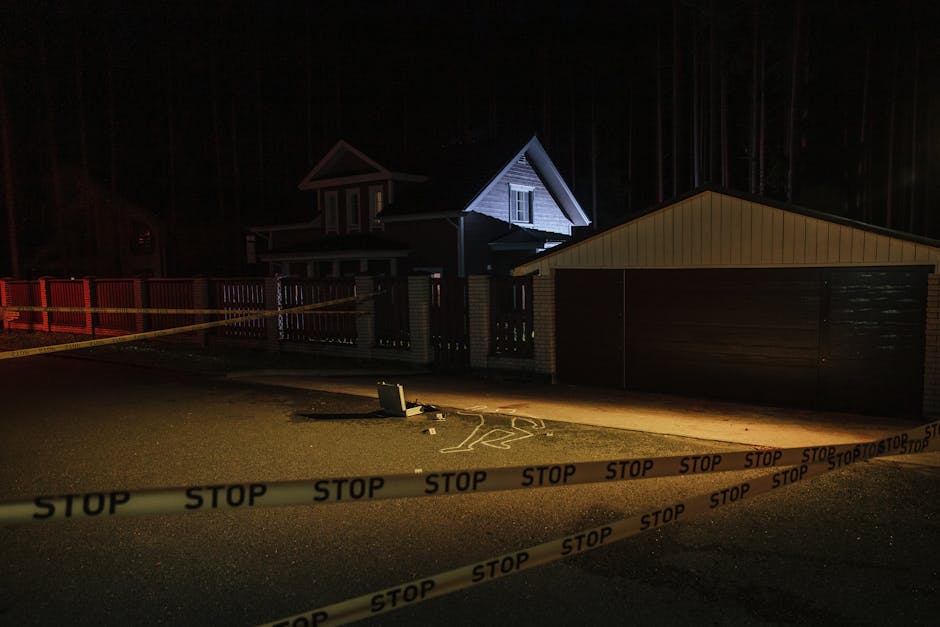
Domicide: The Crime of Destroying Homes and Its Profound Impact
Domicide, a stark and often overlooked crime, refers to the intentional destruction or severe damage of a dwelling, rendering it uninhabitable or significantly reducing its value. This act transcends mere property damage; it is an assault on the very sanctuary of a home, a place of safety, comfort, and personal identity. The motivations behind domicide are varied, ranging from acts of vandalism and revenge to more complex scenarios involving domestic disputes, arson, or even political extremism. Regardless of the perpetrator’s intent, the consequences for victims are devastating, extending far beyond the financial cost of rebuilding. The psychological trauma, the disruption of lives, and the erosion of community fabric are profound, making domicide a crime that demands serious attention and understanding.
The legal definitions of domicide can vary by jurisdiction, but generally, it encompasses acts that intentionally cause substantial structural damage, render a property unfit for habitation, or destroy it outright. This can include arson, but also extends to other forms of destruction such as deliberate demolition without consent, prolonged and systematic damage through other means, or even negligent acts that lead to catastrophic collapse. Understanding the scope of domicide is crucial for law enforcement and legal systems to effectively prosecute offenders and provide recourse for victims. The intent element is often key; accidental damage, while regrettable, does not typically fall under the definition of domicide. This intent can be proven through direct evidence, witness testimony, or inferences drawn from the nature of the destruction. The severity of the damage is also a critical factor, with legal frameworks often requiring a certain threshold of harm to be met before an act is classified as domicide. This can be assessed through expert evaluations of structural integrity, habitability, and replacement or repair costs.
Domicide can manifest in several distinct forms, each with its own unique characteristics and implications. Arson, perhaps the most visible and destructive form, involves the intentional setting of fire to a building, including homes. The chaotic nature of fire leaves behind a landscape of ash and debris, making reconstruction a daunting and often impossible task. The use of accelerants can amplify the destructive power of fire, turning a dwelling into a smoldering ruin in a matter of minutes. Beyond arson, other methods of domicide include deliberate demolition, where a home is systematically dismantled, brick by brick, or even blown up. This can be a more calculated act, often employed in cases of disputes or as a form of intimidation. Vandalism, while often associated with lesser property damage, can escalate to domicide if the cumulative acts of destruction render a home uninhabitable. This might involve breaking windows, smashing walls, flooding interiors, or inflicting widespread damage to essential systems. In certain contexts, particularly in areas with housing shortages or during periods of social unrest, the destruction of vacant or abandoned properties can also be considered a form of domicide, particularly if it’s done with the intent to prevent future occupancy or to make a political statement. The legal classification often hinges on the intent behind the act and the degree of damage inflicted, irrespective of whether the property was occupied at the time of destruction.
The motivations behind domicide are complex and multifaceted, reflecting a spectrum of human behavior. Revenge is a potent driver, with individuals targeting homes as a way to inflict maximum emotional and financial pain on an enemy or someone they feel has wronged them. This can stem from personal grudges, failed relationships, business disputes, or even perceived slights. Vandalism, particularly when perpetrated by groups, can also lead to domicide, driven by a desire for senseless destruction, thrill-seeking, or an expression of rebellion against societal norms. In some cases, domicide can be linked to domestic violence, where a perpetrator destroys a shared home to exert control, punish a partner, or erase shared memories. Arson, as a form of domicide, can be motivated by a desire for insurance fraud, though this is more typically associated with commercial properties. However, individuals might resort to arson to destroy evidence of another crime, to cover up a personal failing, or even out of a twisted sense of liberation from a burdensome property. Political extremism or ideological motives can also fuel domicide, with perpetrators targeting homes to make a statement, sow fear, or disrupt social order. In areas experiencing significant social or economic upheaval, the destruction of homes can also be a byproduct of widespread looting and rioting, where the intent is less about specific targeting and more about opportunistic destruction.
The consequences of domicide are devastating and far-reaching, impacting individuals, families, and communities. For the victims, the loss of a home represents more than just the loss of a physical structure; it is the destruction of memories, a sense of security, and a lifetime of accumulated possessions. The emotional toll can be immense, leading to anxiety, depression, post-traumatic stress disorder (PTSD), and a profound sense of violation. Rebuilding a life from the ashes, both literally and figuratively, is an arduous and often financially crippling process. Many victims may not have the financial resources to rebuild, forcing them to relocate, often to unfamiliar surroundings, further exacerbating their distress. The social fabric of a community can also be severely damaged by domicide. When homes are destroyed, neighborhoods can lose their character and cohesion. The sense of safety and belonging that a stable community provides is eroded, potentially leading to increased fear and social fragmentation. In cases where domicide is part of a broader pattern of crime or intimidation, it can create an environment of pervasive fear, driving residents away and leading to urban decay. The economic repercussions can also be significant, impacting property values, deterring investment, and placing a burden on public services for emergency response and victim support.
Investigating domicide presents unique challenges for law enforcement. The destruction itself can obliterate crucial evidence, making it difficult to determine the cause of the damage and identify perpetrators. In arson cases, fire can consume forensic evidence, requiring specialized techniques and highly trained investigators to piece together what happened. The intentional nature of domicide often means that perpetrators are attempting to conceal their actions, making it imperative to look for subtle clues and patterns of behavior. Witness testimony can be crucial, but obtaining reliable accounts can be difficult, especially if the act occurred at night or in a secluded area. Forensic analysis plays a vital role, examining burn patterns, identifying accelerants, and analyzing any recovered materials for DNA or other trace evidence. The motive behind the destruction is often a key aspect of the investigation, guiding the search for suspects and potential connections. Law enforcement agencies often collaborate with fire departments, forensic specialists, and insurance investigators to conduct thorough and effective investigations. The use of surveillance footage, community outreach, and informant networks can also be instrumental in gathering intelligence and identifying those responsible for domicide.
The prosecution of domicide cases requires careful legal strategy and compelling evidence. Prosecutors must prove beyond a reasonable doubt that the destruction was intentional and that it met the legal threshold for domicide in that jurisdiction. This often involves presenting expert testimony to establish the extent of the damage, the cause of destruction, and the fact that the property was rendered uninhabitable. The intent of the perpetrator is paramount, and prosecutors will often build their case by presenting evidence of motive, opportunity, and any admissions or confessions made by the suspect. Evidence of prior similar offenses can also be used to demonstrate a pattern of behavior and intent. The challenges in prosecution are significant, given the potential for destruction of evidence and the difficulty in establishing intent. Defense attorneys may argue that the damage was accidental, due to negligence, or that the intent element cannot be proven. Plea bargains are sometimes entered into, especially in cases where the evidence is not strong enough for a conviction or where the accused cooperates with authorities. Sentencing for domicide can vary widely depending on the severity of the destruction, the impact on victims, and the laws of the specific jurisdiction. Convictions can result in lengthy prison sentences, substantial fines, and orders to pay restitution to victims.
Addressing the crime of domicide requires a multi-pronged approach that encompasses prevention, intervention, and support for victims. Prevention efforts can include community policing initiatives to deter vandalism and arson, public awareness campaigns about the consequences of property destruction, and the promotion of neighborhood watch programs to foster a sense of collective responsibility and vigilance. Addressing the root causes of crime, such as poverty, lack of opportunity, and social marginalization, can also play a role in reducing the incidence of domicide. Intervention strategies involve swift and effective law enforcement response to incidents of property destruction, as well as programs aimed at rehabilitating offenders and preventing recidivism. This might include anger management classes, substance abuse treatment, or vocational training. Crucially, comprehensive support services for victims of domicide are essential. This includes immediate access to emergency housing, financial assistance for rebuilding and relocation, mental health counseling to address the psychological trauma, and legal aid to navigate the complexities of insurance claims and legal proceedings. Community-based initiatives that focus on rebuilding damaged neighborhoods, fostering social cohesion, and supporting vulnerable residents can also contribute significantly to long-term recovery and resilience in the face of domicide.
The legal and societal ramifications of domicide extend beyond the immediate act of destruction. It highlights the vulnerability of individuals and communities to intentional acts of harm, underscoring the importance of robust legal frameworks and effective law enforcement. The crime raises fundamental questions about the value society places on private property, personal security, and the sanctity of the home. In a world where housing is increasingly precarious for many, the destruction of a home, even an unoccupied one, can be seen as an attack on the very concept of shelter and stability. It can fuel social unrest and erode trust in the institutions meant to protect citizens and their property. The insurance industry plays a significant role in mitigating the financial impact of domicide, though the costs can sometimes outweigh insured values, leaving victims with significant out-of-pocket expenses. The long-term societal impact of domicide can manifest as a decline in neighborhood quality, increased rates of crime and fear, and a disruption of the social bonds that are essential for healthy communities. Therefore, understanding domicide is not just about prosecuting offenders; it’s about recognizing its broader societal implications and working towards solutions that foster safety, security, and resilience in our communities.
