Cosmic Girl and the Dawn of a New Era for British Space Exploration at Spaceport Cornwall

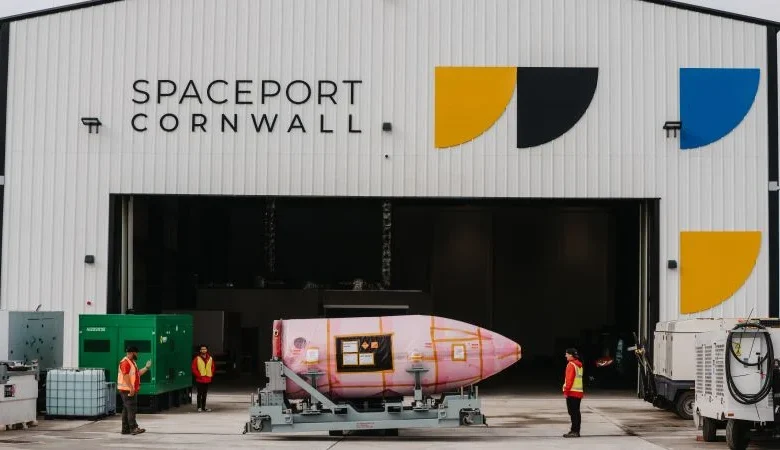
At the far southwestern tip of England, where the jagged cliffs of Cornwall dangle precariously into the turbulent Atlantic, the quiet, rural landscape of the peninsula rarely feels like the center of the global aerospace industry. Yet, in recent weeks, the skies above the remote region have been punctuated by a sight that defies the sleepy expectations of local residents. A modified Boeing 747, a vessel once synonymous with commercial transatlantic travel, has been seen banking over the rugged coastline, conducting rigorous flight trials from the unassuming tarmac of Newquay Airport. This is not merely a routine aviation exercise; it is the physical manifestation of a historic milestone for the United Kingdom as it prepares to conduct its first-ever orbital space launch from domestic soil.
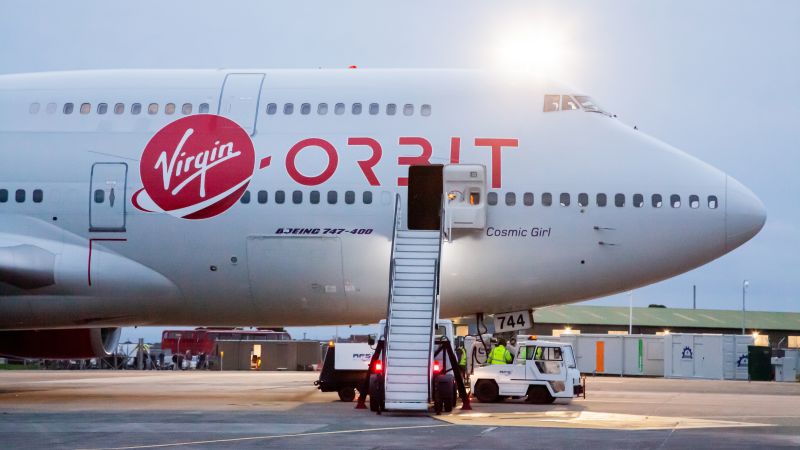
The aircraft, affectionately christened "Cosmic Girl," is a centerpiece of Virgin Orbit’s ambitious strategy to revolutionize satellite deployment. While the silhouette of the 747 remains instantly recognizable to aviation enthusiasts, its purpose has been fundamentally altered. No longer carrying hundreds of passengers, the "Queen of the Skies" has been repurposed to serve as a high-altitude launch platform for LauncherOne, a California-engineered rocket designed to deliver payloads into low Earth orbit. As the United Kingdom gears up for this landmark mission, the synergy between traditional aviation infrastructure and cutting-edge space technology at Spaceport Cornwall is signaling a paradigm shift in how the nation accesses the final frontier.
A Chronology of the Mission
The journey toward this momentous launch has been years in the making, involving intense collaboration between private enterprise, regional authorities, and the UK Space Agency. The project represents a significant departure from the vertical, ground-based rocket launches typically associated with space exploration.
The timeline of this endeavor accelerated throughout 2022. On October 2, 2022, the LauncherOne rocket successfully completed a comprehensive launch rehearsal in Long Beach, California. Following this validation, the rocket was transported to the United Kingdom, arriving just ahead of its host aircraft. Cosmic Girl herself arrived in Cornwall on October 11, marking the formal union of the launch vehicle and the delivery platform on British soil.
Shortly thereafter, on October 14, the aircraft performed a nearly three-hour test flight, tracing the contours of Southwest England and familiarizing the flight crew with the local airspace and the logistics of the Newquay facility. For residents like Marc Andrew, a Newquay local who witnessed the landing, the experience was profound. "It was amazing to watch," Andrew noted. "It will be a nice bit of history to tell my little boy when he’s older." This sentiment echoes the broader public excitement, as the region prepares for the main event scheduled for the following month.
The Engineering of Horizontal Launch Systems
The operational philosophy behind the Cosmic Girl mission is the "horizontal launch" model. Unlike traditional rocket launches that require massive, dedicated launch pads and extensive infrastructure, the Virgin Orbit system utilizes existing airport runways. By mounting the rocket under the left wing of the 747, the system gains a significant logistical advantage.
Once the aircraft reaches an altitude of approximately 34,000 feet, the rocket is released. The engine ignites mid-air, propelling the payload into orbit at speeds reaching 17,000 miles per hour. This method allows for a "broader range of orbits" than those typically achievable from fixed ground sites, as the aircraft can position itself to optimize the trajectory of the rocket based on the specific requirements of the satellite payload.
This flexibility is not merely a matter of convenience; it is an economic necessity for the modern satellite industry. Small satellites—often used for earth observation, communication, and climate monitoring—require reliable, frequent, and cost-effective access to space. By minimizing the need for specialized "spaceports" and instead utilizing standard, 1.7-mile-long runways like the one at Newquay, Virgin Orbit significantly lowers the barrier to entry for space commerce.
Strategic Implications for the United Kingdom
For the UK government and the UK Space Agency, this mission is a pivotal step toward cementing Britain’s status as a serious player in the global space economy. Ian Annett, deputy CEO at the UK Space Agency, has highlighted the importance of this event as Europe’s first-ever orbital satellite launch. Historically, the UK has been a leader in satellite manufacturing but has relied on foreign launch providers to put its hardware into orbit. This mission represents the reclamation of that sovereignty.
The economic impact on Cornwall is also substantial. Spaceport Cornwall has been developed as a hub for high-tech industry, aiming to attract aerospace engineering firms, data analysts, and software developers to the region. Melissa Thorpe, the head of Spaceport Cornwall, has been vocal about the transformative potential of the project, stating that the presence of the infrastructure makes their ambitious goals a "reality." The project is expected to generate high-skilled jobs and foster a local ecosystem of innovation that extends far beyond the immediate launch window.
Official Perspectives and Future Expansion
The success of the mission rests on the shoulders of the flight crew, including Virgin Orbit’s chief pilot, Matthew Stannard. Reflecting on the mission’s progress, Stannard remarked, "It feels amazing to bring Cosmic Girl home to the UK. We are weeks away now from the first UK launch at Spaceport Cornwall, so it’s all very real."

The significance of the event has not escaped the notice of international observers. Virgin Orbit has already expressed intentions to expand this horizontal launch model globally. The company has identified potential launch sites in Australia, Brazil, Japan, Poland, and the Republic of Korea. If the Cornwall mission proves successful, it will serve as the "proof of concept" for a global network of mobile spaceports, potentially turning every major international airport into a candidate for orbital access.
Challenges and Technical Rigor
While the public sees the majesty of a 747 circling the coast, the engineering challenges behind the scenes are immense. Integrating a liquid-fueled rocket onto a commercial airframe requires precise engineering, weight distribution, and safety protocols that must adhere to stringent Civil Aviation Authority (CAA) regulations.
The transition from a commercial Virgin Atlantic passenger jet—which flew in service until 2015—to a space-faring vehicle involved stripping the interior, reinforcing the wing structures, and installing complex avionics to control the rocket’s release. The trial flights serve to ensure that the aerodynamic characteristics of the aircraft remain stable, even with the asymmetric drag created by the rocket mounted to its wing. This rigorous attention to detail is a hallmark of the aerospace industry, where the margin for error is non-existent.
The Broader Impact on the Space Industry
The democratization of space is a common refrain in the modern era, but the Cornwall launch provides a concrete example of this trend. By decoupling the act of "reaching space" from the need for massive, static, government-run launch complexes, the industry is moving toward a more agile, responsive, and commercial model.
As the countdown to the launch continues, the eyes of the aerospace community are firmly fixed on Newquay. The success of this endeavor will not only secure a place for the UK in the history books but will also provide a blueprint for how nations with limited geographic capacity for traditional launch sites can participate in the burgeoning satellite market.
Ultimately, the sight of Cosmic Girl soaring over the Cornish cliffs is a reminder that the "space race" has changed. It is no longer defined solely by massive, state-sponsored rockets launched from remote deserts or isolated coastal islands. It is now defined by innovation, the repurposing of existing technologies, and the ability to turn a regional airport into a gateway to the stars. Whether this mission marks the beginning of a consistent, high-cadence launch schedule for the UK remains to be seen, but the initial steps have been taken with precision, ambition, and a view toward a future where space is an accessible, everyday destination.