The Geico Gecko Attempts to Transcend Traditional Advertising with a High-Stakes Holiday Special

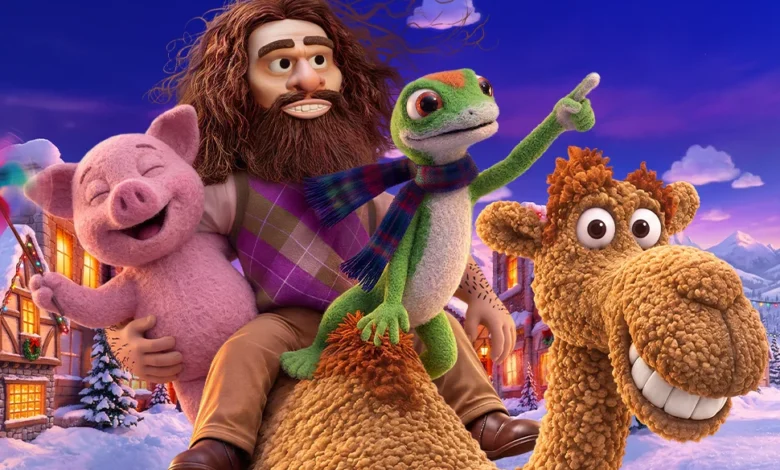
The Geico Gecko has spent decades as a fixture of Madison Avenue, evolving from a simple linguistic play on the brand name into a genuine cultural icon. However, the insurance giant is now aiming for a more ambitious goal: transforming its mascot into a perennial holiday tradition. This Thursday, during the NBC broadcast of the Macy’s Thanksgiving Day Parade, Geico will unveil a two-minute stop-motion animation vignette that marks a significant departure from the 30-second spot model. By leveraging a cast of its most beloved characters—including the Cavemen, the Hump Day Camel, and Maxwell the Pig—in a nostalgic, handcrafted format, the company is attempting to carve out a permanent niche in the American holiday zeitgeist.
The narrative of the short film centers on the characters’ collective attempt to boost holiday cheer by 15%, a direct nod to the company’s long-standing value proposition of saving consumers 15% on car insurance. This messaging strategy is designed to resonate with a demographic currently facing the pressures of inflation and the rising cost of living, framing the insurance provider not merely as a service, but as a source of relief and holiday spirit.
A High-Stakes Production Timeline
The production of this holiday project was a logistical marathon, condensed into a frantic three-month window. When the concept was finalized in late summer, it triggered an immediate, large-scale mobilization involving The Martin Agency and two specialized production houses: Passion Pictures and Screen Novelties. The decision to employ stop-motion animation—a medium inherently resistant to the speed of modern digital advertising—required a specialized workforce of approximately 80 professionals.
The technical constraints were severe. Because stop-motion requires physical manipulation of puppets frame by frame, the team produced only two to three seconds of finished animation per day. Each of the twelve handcrafted puppets had to be meticulously managed; for example, the hair of the Caveman character was fashioned from high-grade rope, while other characters required bespoke miniature textiles to mimic holiday sweaters. The "hourlies," or hourly check-ins, became a necessary ritual to ensure that every frame met the quality standards expected of a brand that treats the Gecko with the same protective stewardship as Disney treats Mickey Mouse.
The War for Consumer Attention
The shift toward longer, content-heavy advertising is a direct response to a changing media landscape. According to Ariana Orpello, Geico’s chief marketing officer, advertisers are currently engaged in an intense "war for attention." Consumers are increasingly adept at tuning out traditional commercials, and research consistently shows that viewers are suffering from "pitch fatigue," brought on by the constant barrage of insurance advertisements from competitors such as Progressive, State Farm, Allstate, and Liberty Mutual.
In this environment, a standard commercial is often viewed as an interruption rather than a value-add. By creating stand-alone content that mimics the aesthetic of classic holiday specials—such as the 1964 classic Rudolph the Red-Nosed Reindeer or 1974’s The Year Without a Santa Claus—Geico hopes to offer viewers a piece of entertainment that warrants their time rather than demanding it. This strategy aligns with broader industry trends where brands are increasingly acting as media producers. Companies like Taco Bell have ventured into hosting golf tournaments, while Pepsi has experimented with game shows, all with the intent of moving beyond the traditional 30-second ad slot.
Financial and Operational Implications
The investment required for this endeavor is substantial. With NBC reportedly charging upwards of $1 million for 30 seconds of airtime during the Macy’s Thanksgiving Day Parade, a two-minute vignette represents a significant capital commitment. This figure does not include the high production costs associated with manual stop-motion animation, which is among the most labor-intensive and expensive forms of video production.
The risk is not merely financial but brand-related. If the production fails to strike the right tone, it risks alienating a core audience that has grown up with these characters. Past attempts by the company to expand its creative universe have seen mixed results; while the 2024 documentary on the Gecko’s origins was well-received, the 2007 ABC sitcom featuring the Geico Cavemen was widely panned and swiftly canceled. The current strategy relies on the hope that nostalgic resonance will override the cynicism often directed at corporate marketing.
Building a Legacy of Easter Eggs
To ensure the piece has "rewatchability"—a critical metric in the age of streaming and digital social media—The Martin Agency has packed the two-minute short with approximately 15 "Easter eggs." These references to decades of Geico advertising history serve a dual purpose: they reward long-term customers for their loyalty and provide an incentive for viewers to revisit the clip on digital platforms.
For instance, viewers who pause the film to inspect a newspaper prop will find articles that contain subtle nods to past campaigns. This "hunt for content" is intentional. Jerry Hoak, chief creative officer at The Martin Agency, emphasizes that the goal is to create something that feels like a reward for the viewer, effectively turning an advertisement into a scavenger hunt.
Broader Industry Context and Future Outlook
The move toward "holiday specials" as a marketing vehicle is part of a larger trend of brands attempting to replicate the success of legacy advertisers like Hershey’s, whose bell-ringing chocolate kiss commercial has been a hallmark of the season since 1989, and the Hess toy trucks, which have been a staple of American Christmas gift-giving for over 50 years. These examples represent the gold standard of advertising: the moment a commercial becomes a tradition, it ceases to be an expense and becomes an asset.
Geico’s strategy is not limited to this single Thanksgiving debut. The company has already captured additional footage that could be repurposed for future holiday-themed content, including potential specials for Halloween or other high-traffic dates. By establishing an internal "studio" mentality, Geico is signaling that it intends to remain a permanent player in the entertainment space, not just the insurance space.
Analysis of the Strategy
The implications of this move are significant for the advertising industry. If Geico’s holiday special succeeds in garnering high engagement, it will likely accelerate the decline of the traditional, transactional commercial in favor of "brand-led entertainment." This shift benefits consumers who prefer high-quality content over interruptive marketing, but it raises the barrier to entry for smaller firms that cannot afford the multimillion-dollar investment required to produce such content.
Furthermore, this represents a sophisticated pivot in brand identity. By placing the Gecko and his cohorts in a stop-motion universe that mimics the aesthetic of the 1960s and 70s, Geico is tapping into a collective desire for comfort and simplicity. In a volatile economic climate, the psychological association between a beloved mascot and the nostalgic comfort of a classic Christmas special is a potent marketing tool.
As the industry watches to see if this bet pays off, the core question remains: can an insurance mascot truly evolve from a sales representative into a character who belongs alongside Frosty and Rudolph in the pantheon of holiday figures? For Orpello and her team, the answer is "the dream." Whether that dream translates into long-term brand equity or remains a fleeting, expensive experiment will be determined by the reception of the audience this Thursday. Regardless of the outcome, the production represents a bold reclamation of the "war for attention," proving that even in the digital age, the most effective way to be seen may be to stop selling and start storytelling.