The Gatekeeper of Gastronomy: How Geoffrey Wu Shapes the Culinary Landscape of Hong Kong

Hong Kong is widely considered one of the most challenging cities in the world to operate a restaurant, a roiling cauldron of changing consumer tastes, razor-sharp competition, and volatile economic conditions. In a city where real estate costs per square foot are consistently ranked among the highest globally, the margin for error in the food and beverage (F&B) sector is razor-thin. Standing at the epicenter of this high-stakes ecosystem is publicist Geoffrey Wu, the founder of The Forks and Spoons, a consultancy firm that has become the silent architect behind some of the city’s most exclusive dining experiences.
With a decade of operations under its belt, The Forks and Spoons has cemented its influence by partnering with an array of decorated establishments. The firm’s portfolio reads like a "who’s who" of the local culinary scene, including the two-Michelin-starred TATE Dining Room and the trendsetting, reservation-only destination, Ando. For many restaurateurs, Wu is not merely a publicist; he is a strategic partner who navigates the complexities of a market where reputation is currency and longevity is an anomaly.
The Evolution of an Industry Insider
Geoffrey Wu’s path to becoming a power broker in the Hong Kong dining scene was unconventional. His trajectory began following his departure from the University of Science and Technology in Hong Kong—a stint he jokingly attributes to his preoccupation with card games at local fast-food outlets rather than academic rigor. In 2005, he pivoted to the professional world, securing an operations role at Amber, the landmark French restaurant led by celebrated chef Richard Ekkebus.
This foundational experience provided Wu with an intimate understanding of the mechanical and emotional labor required to maintain a world-class dining room. Over the following seven years, he navigated various marketing roles across different sectors, refining his approach to brand narrative and client management. By 2012, he formally launched The Forks and Spoons, applying his "no-nonsense" philosophy to a PR landscape that often prioritized fluff over substance.
A Methodology of Friction and Results
Unlike the stereotypical publicist, who relies on charm and superficial networking, Wu has built his reputation on a foundation of blunt honesty. He is known to challenge clients and media representatives alike, a trait that often draws comparisons to a high-performance sports coach rather than a marketing consultant.

"I am not afraid to speak up," Wu explains. "Sometimes you need a consultant who is straightforward about things that must be fixed. We aren’t here to massage your ego; we are here for the results. If I wanted to please everyone, I’d go sell ice cream."
This results-oriented approach has garnered the respect of industry heavyweights, including Yenn Wong, the founder and CEO of the JIA Group. JIA, which operates acclaimed venues like Mono and Duddell’s, relies on Wu’s firm for its ability to localize international trends while maintaining the core identity of each concept. According to Wong, the success of their collaboration stems from a shared commitment to data-driven marketing and strategic positioning, which translates directly into measurable revenue growth.
The Anatomy of a Cutthroat Market
To understand the necessity of Wu’s intervention, one must look at the structural pressures of the Hong Kong F&B market. The city is a unique crucible: it is a global financial hub with an extraordinarily high density of restaurants and a population that, historically, has prioritized dining out as a primary form of entertainment.

Data from the Hong Kong Census and Statistics Department highlights the sheer scale of this consumer behavior. In the 2019-2020 period, despite facing the dual headwinds of social unrest and the onset of the global pandemic, households reported an average expenditure of HKD 60,539 (approximately USD 7,761) on meals out and takeaway food. This figure is starkly higher than comparable data from major metropolitan areas such as New York, underscoring the intensity of the local appetite.
For a restaurant, this means the pressure to deliver a flawless opening is immense. In a city where "foodies" are notoriously well-traveled and knowledgeable, a sub-par opening can be fatal. "It’s such a condensed market," Wu notes. "People always talk. If you don’t get it right from the get-go, you have to revamp. The question is: will the customers give you a second chance? There are so many choices that, in all likelihood, they will simply go somewhere else."
The Modern Chef: From Kitchen to Front-of-House
The role of the chef in Hong Kong has undergone a seismic shift over the last two decades. The rise of social media and the arrival of the Michelin Guide in 2009 transformed chefs from back-of-house technicians into public-facing celebrities.

"Twenty years ago, chefs mostly just cooked and served food," Wu observes. "Now, there is this necessity of relationship building. Chefs have to show their faces, interact with tables, and engage with the media. The job of a chef is much bigger than it was before."
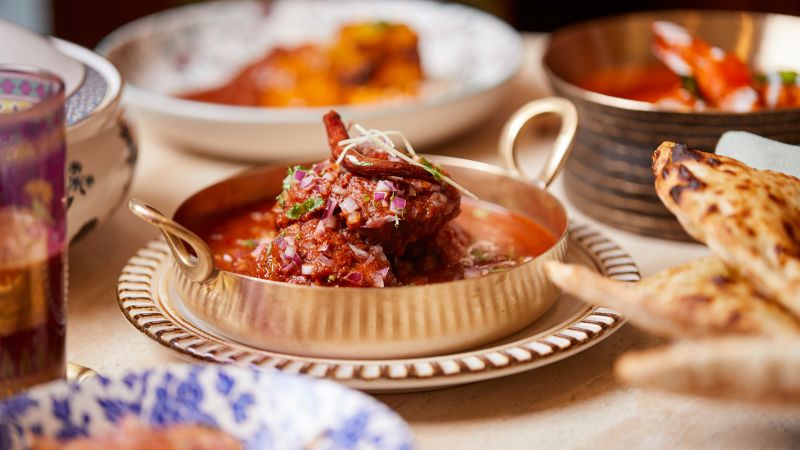
This transition is not intuitive for all culinary professionals. Wu’s role involves coaching these individuals to bridge the gap between their technical prowess and their social performance. A prime example of this success is Manav Tuli of the modern Indian restaurant, Chaat. Since its opening in 2020, Chaat has become one of the most difficult reservations to secure in the city, earning a Michelin star within its first two years. Wu worked closely with Tuli, encouraging him to embrace the local networking culture and to integrate his personal narrative into the restaurant’s public identity.
Operational Rigor and Constant Refinement
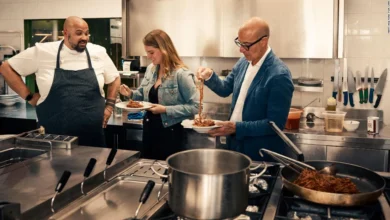
Wu’s methodology is not confined to the PR office. He maintains a visible, physical presence at the restaurants he represents. His days often involve "trial lunches" at his clients’ establishments, where he scrutinizes everything from the operational flow and service speed to the temperature of the food and the ergonomics of the furniture.

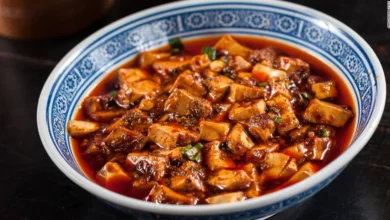
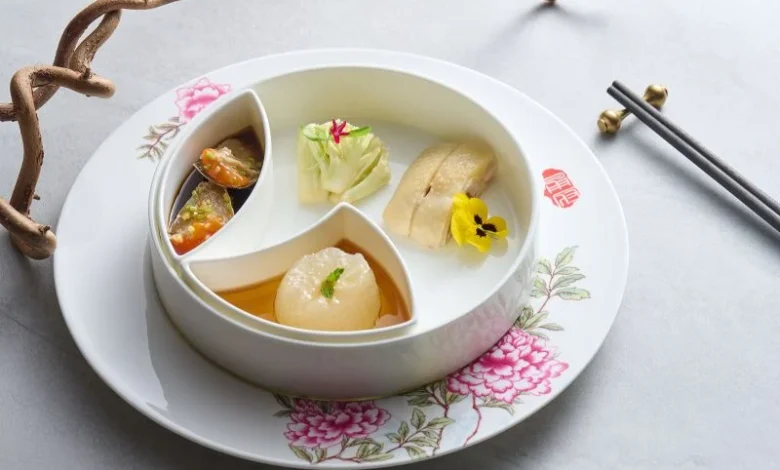
His work with Yong Fu, a Michelin-starred establishment specializing in cuisine from China’s Ningbo region, serves as a case study in market adaptation. The restaurant, which originally operated with a vast and potentially overwhelming menu, was struggling to communicate the nuances of Ningbo food to a diverse Hong Kong audience. Wu advocated for a more curated approach, helping to develop a tasting menu that guides diners through the region’s specific flavor profile—characterized by savory, umami-rich, and "sticky" textures.
Implications and Future Outlook
The success of the "Forks and Spoons model" suggests that the future of hospitality in dense, hyper-competitive urban centers lies in the synthesis of human connection and analytical rigor. As global economic pressures continue to affect supply chains and imported food costs, the ability of a restaurant to retain its customer base through emotional resonance—rather than just culinary excellence—will be the deciding factor in its survival.
Wu’s own daily routine—rising before dawn to run, reflecting on the state of the industry, and constantly iterating on his clients’ strategies—mirrors the relentlessness of the city he serves. He remains a firm believer in the "shelf life" of any concept, arguing that complacency is the greatest threat to a restaurant’s longevity.

"Flavor doesn’t lie," he asserts. "But everything has a shelf life. It’s impossible to stay number one forever. You need to keep coming up with new ideas to elevate the experience."
As the Hong Kong dining scene continues to evolve, the demand for this kind of specialized consultancy is likely to grow. For chefs and restaurateurs, the lesson is clear: in an age of infinite choices, the most successful establishments will be those that view their public image, operational efficiency, and customer relationships with the same precision they apply to the ingredients on the plate. Whether it is through an off-menu surprise at a three-Michelin-starred lunch or a strategic menu overhaul, the work of a publicist like Geoffrey Wu is no longer just about generating press—it is about securing a place in the city’s crowded, competitive, and constantly hungry future.