Frontier Airlines to Introduce Comprehensive First Class Service Standards Starting March 5, 2027

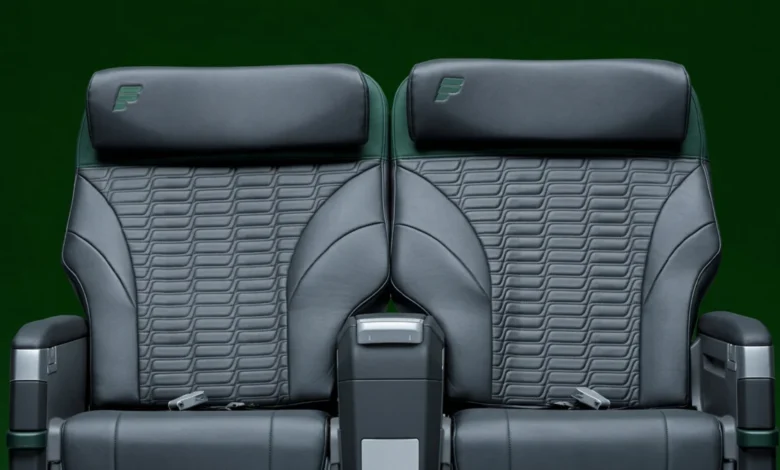
Frontier Airlines is preparing to undergo a significant operational shift as it officially transitions from a strictly low-cost carrier model toward a bifurcated service strategy. Internal communications recently distributed to flight staff confirm that new, formal First Class service standards will take effect on March 5, 2027. This date aligns with the carrier’s broader cabin interior overhaul, marking a definitive departure from the industry-standard "Big Front Seat" approach—a strategy characterized by offering extra space without accompanying premium amenities—pioneered by competitors like Spirit Airlines.
While the airline has not yet disclosed the specific details of these service protocols, the mandate signals an attempt to capture a segment of the traveling public that prioritizes comfort and inflight perks over pure fare-based competition. For years, Frontier has relied on a "buy-on-board" model for all refreshments, but the integration of a dedicated First Class cabin necessitates a rethink of the passenger experience, likely involving complimentary food and beverage offerings to justify the premium price point.
The Evolution of the Frontier Cabin Experience
The trajectory toward this transformation has been deliberate. In December 2024, Frontier first announced its intention to reintroduce a premium cabin, aiming for a late 2025 launch. However, the logistical realities of retrofitting a massive fleet led to a phased rollout. Throughout 2026, the airline began converting aircraft interiors, branding the larger seats as "UpFront Plus" while the official "First Class" branding remained in development.
The current transition period has left passengers in a state of flux. Those purchasing tickets for travel in late 2026 and early 2027 have been receiving the physical seat upgrade—increased pitch and width—without the associated service enhancements. The March 5, 2027, date serves as the "go-live" deadline where the hardware, the service protocol, and the branding finally converge. According to public-facing documentation, the carrier has been actively soliciting reservations for this new class since November 10, 2026, offering introductory bundles for travel through April 5, 2027.

Technological Upgrades: Power and Connectivity
A significant hurdle in Frontier’s competitive positioning has been the historical absence of inflight connectivity and seat-based power. For the modern business traveler, the lack of internet access has effectively rendered the carrier a non-starter for productive travel. Frontier is now addressing this gap by integrating USB-C charging ports into the first eight rows of its aircraft.
More importantly, the airline is finalizing a partnership to install Starlink satellite-based Wi-Fi across its fleet. This move is critical; as industry analysts have frequently noted, the cost of a "cheap" ticket often increases for the consumer when they must sacrifice billable hours due to a lack of connectivity. By providing high-speed internet and power, Frontier is attempting to reposition itself as a viable option for a demographic that previously ignored the brand entirely.
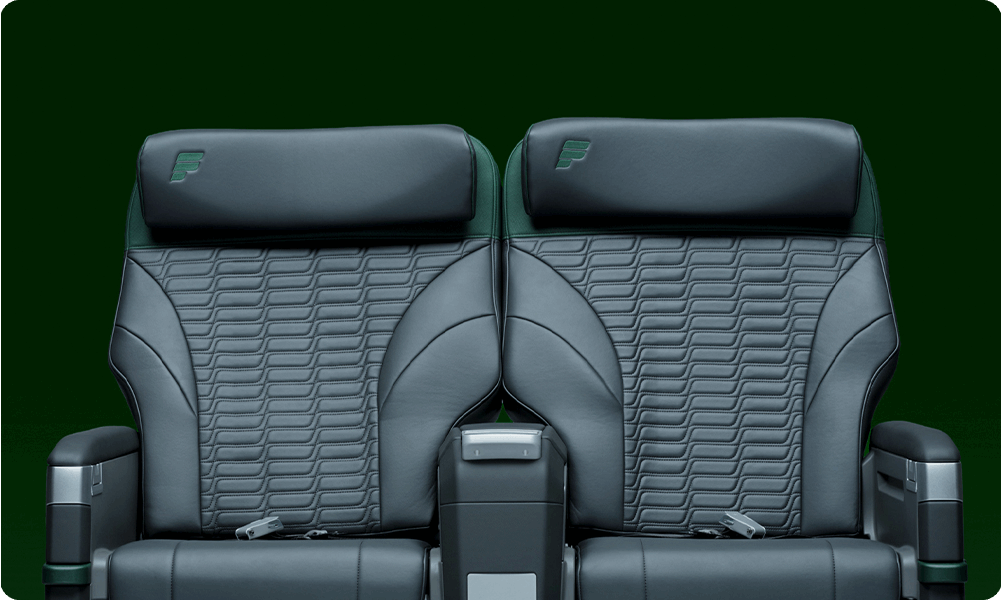
However, it is important to note the limitations of the new hard product. The seats, while marketed as First Class, remain "pre-reclined." Unlike traditional domestic First Class seats found on legacy carriers like Delta or United, these seats do not offer an adjustable backrest. This design choice highlights Frontier’s commitment to high-density efficiency, prioritizing footprint optimization over the traditional reclining luxury expected in premium cabins.
Operational Challenges and Service Standards
The transition to a premium cabin presents a complex operational challenge for an airline built on a low-cost, high-turnaround philosophy. Managing a split-cabin service requires more than just new equipment; it requires a retraining of the cabin crew. The upcoming March 5 service standards will be the first time Frontier flight attendants are tasked with executing a multi-tiered service flow.
Industry experts suggest that the success of this initiative hinges on reliability. Frontier has historically struggled with operational consistency, a factor that often overshadows cabin amenities in consumer satisfaction surveys. If the airline cannot maintain its flight schedules, the value proposition of a First Class seat—which carries a significantly higher price tag—becomes difficult to maintain. As of early 2027, the carrier’s FAQ page continues to state that food and beverages are available for purchase, indicating that the final "service standards" are still being refined behind closed doors to avoid premature public expectations.
Changes to Elite Status and Loyalty Benefits
The introduction of First Class has also coincided with a restructuring of the airline’s loyalty program. Beginning January 1, 2027, the privilege of complimentary upgrades to First Class has been severely restricted. Under the new policy, elite frequent flyers are no longer automatically eligible for upgrades based on availability. Instead, eligibility is now tethered to the purchase of a specific "bundle."
Even with a bundle purchase, the upgrade priority system remains highly tiered. Diamond-level members, the highest tier in the Frontier Miles program, only receive upgrade confirmation 24 hours prior to departure. Platinum members must wait until 18 hours, Gold until 8 hours, and Silver until 4 hours. This restrictive policy suggests that Frontier intends to prioritize the sale of First Class seats to revenue-generating customers rather than utilizing them as a loyalty retention tool for high-frequency flyers. This is a marked shift from legacy airlines, which often utilize seat upgrades as the primary incentive for top-tier loyalty status.
Market Implications and Future Outlook
Frontier’s move is a reaction to shifting market dynamics. As the domestic travel sector matures, the "ultra-low-cost carrier" (ULCC) model has faced increasing pressure from major carriers that have introduced their own "Basic Economy" and "Economy Plus" products. By introducing a formal First Class, Frontier is effectively moving into the "hybrid" space, attempting to capture the middle-market traveler who wants more than a base seat but is unwilling to pay the premium prices charged by major hubs.
From a financial perspective, this transition represents a search for higher margins. A standard coach ticket on a ULCC has a finite revenue ceiling. By adding a premium cabin, the airline can leverage its existing fleet to generate higher revenue per seat-mile. The success of this strategy, however, will be tested by the passenger response to the "pre-reclined" seating and the specific quality of the meal and beverage services.
The market will be watching closely as March 5 approaches. For Frontier, the rollout is not merely a change in seating; it is an attempt to rewrite its brand identity. Whether the airline can successfully transition from a budget-focused carrier to a hybrid competitor—all while navigating the complexities of staff training, new service delivery models, and a restructured loyalty program—remains one of the most significant developments in the U.S. aviation industry for 2027.
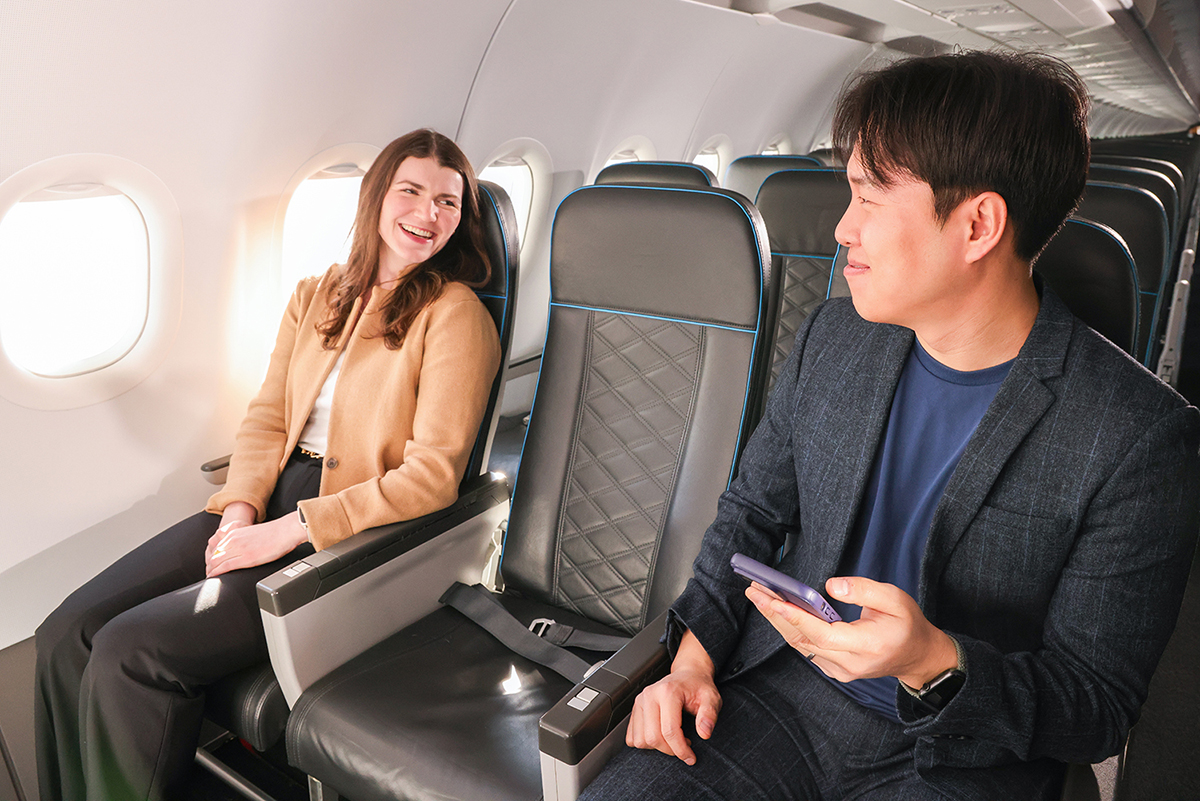
The airline’s current focus remains on ensuring that the physical retrofitting of its fleet is completed in time for the spring launch. As aircraft continue to emerge from maintenance facilities with the new, larger, and power-equipped seats, the operational reality of the new Frontier is beginning to take shape. While the "Big Front Seat" once represented the entirety of their premium offering, the future of the brand is now inextricably linked to the service standards that will debut this March. Investors and passengers alike are waiting to see if these changes will translate into a sustained improvement in customer satisfaction or if the lack of traditional luxuries, such as full-recline seating, will limit the appeal of this new First Class product.
Ultimately, the transformation of Frontier Airlines serves as a case study in modern airline economics. In a competitive environment where operational costs are rising, the ability to diversify product offerings is no longer a luxury but a necessity for survival. Whether the airline’s gamble on a "First Class for the budget-conscious" will pay off will be determined in the coming fiscal quarters, as the carrier measures the uptake of its premium bundles against the rising costs of providing enhanced onboard service.