The Hidden History and Cultural Resilience of Sardinia’s Forbidden Iron Wire Spirit

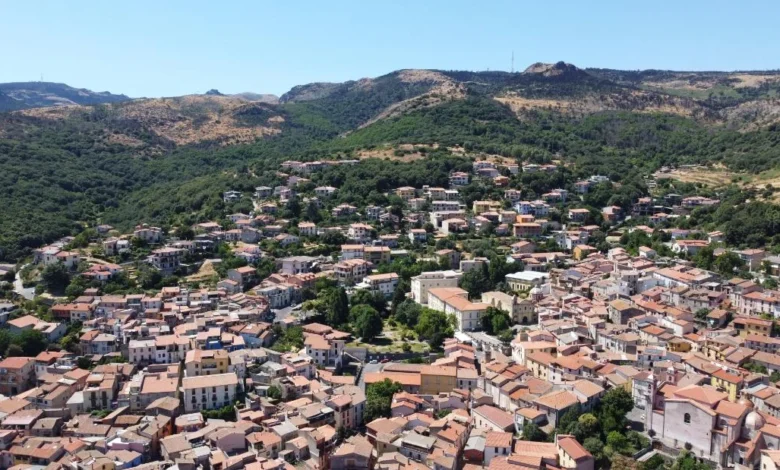
In the rugged, windswept landscapes of western Sardinia, particularly within the rocky enclave of the Oristano province, a clandestine tradition has persisted for centuries. It is a spirit as transparent as glacial meltwater, possessing an alcohol concentration that can soar to 45% ABV and a distinct, bracing aroma of wild fennel. Known locally as filu ‘e ferru—or "iron wire"—this potent distillate is more than a beverage; it is a symbol of regional defiance, a vestige of historical tax evasion, and a cornerstone of Sardinian social life. While its production remains heavily regulated and taxed under modern Italian law, the spirit continues to be distilled in secrecy within private households, keeping alive a practice that dates back to the late 16th century.
The Origins and Evolution of Abbardente
The moniker "filu ‘e ferru" is rooted in the survival instincts of 19th-century Sardinian distillers. During the era of the House of Savoy, the Italian monarchy imposed rigorous levies on the production of spirits, effectively criminalizing the small-scale distillation that had sustained rural communities for generations. To evade the reach of tax authorities and police, farmers began burying their glass bottles and copper alembics underground in their gardens or hidden cellar caches. To mark the precise location of these buried stashes, they would tie a piece of iron wire to the vessel, allowing the owner to locate it easily while keeping the contraband invisible to inspectors.
However, the spirit is also known by its more ancient name: "abbardente." Derived from the Latin "ardens aqua," or "burning water," the term speaks to the visceral, high-proof nature of the distillate. Unlike grappa, which is produced from "vinacce" (the pomace or residue of skins, seeds, and stems left over after winemaking), true Santu Lussurgiu-style abbardente is distilled directly from high-quality wine. This distinction is crucial to its flavor profile and historical prestige. By using whole wine, the resulting spirit maintains a smoother, more complex chemical composition than the harsh, often bitter profile associated with pomace-based spirits.
A Chronology of Resistance
The history of this spirit is inextricably linked to the monastic influence in the region. Records indicate that monks from local abbeys introduced the art of distillation to the village of Santu Lussurgiu in the late 1500s. Initially, the tonic was utilized primarily for its perceived medicinal and antiseptic properties, frequently prescribed for toothaches, digestive ailments, and as a general restorative for laborers working the harsh Sardinian terrain.
By the late 19th century, the cultural shift from medicinal use to social consumption was well underway. Historical records suggest that by the 1890s, Santu Lussurgiu hosted approximately 40 distinct, albeit often informal, distilleries. The product had gained such a reputation for quality that it was being exported beyond the island’s shores. This commercial success ultimately invited the scrutiny of the state, leading to the early 20th-century crackdown that forced the industry into the shadows.

The mid-20th century marked the peak of the "cat-and-mouse" game between local producers and the Italian tax police (Guardia di Finanza). During this period, the entire village operated under a sophisticated, informal communications network. Because the distillation process releases a potent scent of fennel and cooked wine—which can travel significant distances in the cool mountain air—local informants and village criers played a vital role. If authorities were spotted on the horizon, the phrase "filu ‘e ferru" was passed through the streets like a code, serving as a signal for residents to immediately extinguish fires, dismantle stills, and conceal their equipment.
Modern Distillation and the Legal Landscape
Today, the dichotomy between the "outlaw" tradition and modern enterprise is embodied by individuals like Carlo Psiche, a professional distiller in Santu Lussurgiu. Operating the Distillerie Lussurgesi, Psiche represents the bridge between the illicit past and a regulated future. He remains one of the few producers to operate with legal oversight while honoring the ancient methods.
Psiche emphasizes that the secret to a superior spirit lies in the raw material. By utilizing fresh white grapes and traditional copper alembics, his distillery produces two distinct versions of the spirit: a crystal-clear variant aged in steel to preserve its sharp, botanical profile, and an amber-hued version aged in oak. The oak-aged variety, which spends at least 12 months in barrels, absorbs tannins and vanillins from the wood, resulting in a flavor profile reminiscent of wild honey and toasted bread.
Despite the normalization of some artisanal production, the illegal home-distillation market remains vibrant. Many households continue to produce the spirit for personal consumption or for small, closed-circle exchanges. Sociologists and regional historians note that this persistence is not merely about avoiding taxes; it is an act of cultural preservation. In many Sardinian households, the knowledge of distillation is passed down through matrilineal lines. Historically, while men worked the fields, women managed the kitchen and the distillery, mastering the delicate process of heat control and botanical infusion—often utilizing flour-dough seals on copper milk vessels to create rudimentary pressure cookers.
Cultural Implications and Social Rituals
The role of filu ‘e ferru in Sardinian culture is pervasive, transcending the simple classification of a "digestif." It is deeply embedded in the island’s rituals of life and death. During the "veglia" (the wake) that follows a death, it is traditional for family and friends to share a glass of the spirit. This act is intended to honor the memory of the deceased and provide warmth during the long, somber hours of the vigil.
Furthermore, the drink serves as a staple of social bonding. It is frequently offered to guests upon arrival, regardless of the time of day. This "hospitality-at-all-costs" culture is often a point of surprise for outsiders, as seen in accounts from visitors who have been greeted with a shot of 45% alcohol at midday. The physical reaction of a newcomer—often resulting in near-collapse—is a common trope in local anecdotes, highlighting the stark difference between the daily habits of the locals and the uninitiated.

Economic and Global Connections
The influence of this spirit has traveled far beyond the borders of Italy. Due to mass migration in the 20th century, there are significant Sardinian diaspora communities in cities such as Chicago and across the state of Ohio. These communities have maintained a demand for the authentic product, creating a niche export market that keeps the tradition relevant in a globalized economy.
However, the industry faces significant challenges. The European Union’s strict regulations on spirits—which govern everything from labeling to lead content in copper equipment—make it difficult for small-scale, traditional distillers to compete on a commercial scale. Furthermore, the generational shift poses a risk to the "secret" knowledge of distillation. While some younger people, like those being trained by their parents in domestic settings, continue to learn the craft, many are moving away from rural villages toward urban centers, potentially leaving these historical techniques to fade.
A Future for "Burning Water"
The survival of filu ‘e ferru depends on a delicate balance between modern legality and the preservation of artisanal heritage. The efforts of legitimate producers to codify the production process, while simultaneously lobbying for exemptions for small-batch, historical distillation, may determine whether the spirit remains a living tradition or becomes a museum piece.
Ultimately, the story of the iron wire is a testament to the resilience of the Sardinian people. It is a narrative of a community that turned a symbol of state oppression into a source of cultural identity. Whether poured in a high-end restaurant or sipped in secret in a hidden garden, the spirit serves as a potent reminder of the island’s history—a history that, like the spirit itself, is burning, clear, and deeply rooted in the rocky soil of the Montiferru mountains. As globalization continues to homogenize local traditions, the survival of this "burning water" serves as an essential link to the past, ensuring that even in the 21st century, the traditions of the village of Santu Lussurgiu remain as strong and unyielding as the iron that gave the spirit its name.