The discovery of Sir Ernest Shackleton’s HMS Endurance in March 2022, resting 3,000 meters beneath the Weddell Sea, captured the global imagination and served as a potent reminder of the ocean’s role as a vast, unforgiving repository of history. While technological advancements in deep-sea exploration, such as autonomous underwater vehicles (AUVs) and high-resolution sonar, have brought long-lost vessels into the light, the seabed remains a graveyard for thousands of ships whose stories remain submerged. The search for these vessels is not merely a quest for treasure; it is an effort to piece together the maritime narrative of human migration, trade, conflict, and tragic error.
The Elusive Legacy of the Santa Maria
The search for Christopher Columbus’s flagship, the Santa Maria, remains one of the most persistent endeavors in maritime archaeology. The vessel, which ran aground on a coral reef off the coast of Haiti on Christmas Eve in 1492, is central to the history of European contact with the Americas. Following the incident, which was reportedly exacerbated by the negligence of a cabin boy left at the helm, the ship was dismantled to construct the settlement of La Navidad.
In 2014, archaeologist Barry Clifford garnered significant international attention by suggesting that a wreckage discovered off the northern coast of Haiti belonged to the Santa Maria. However, the excitement was tempered by subsequent investigations. UNESCO researchers conducted a thorough examination of the site, concluding in October 2014 that the wreckage was, in fact, from a much later historical period. This determination underscored the difficulty of identifying ships that have been subjected to centuries of coral growth, current-driven movement, and structural degradation. The Santa Maria persists as a phantom of history, a reminder that even the most famous voyages can leave behind few tangible remains.
Economic and Historical Costs: The Flor de la Mar
Maritime disasters have historically functioned as catastrophic economic events. The Portuguese carrack Flor de la Mar, a massive vessel measuring roughly 118 feet in length and 111 feet in height, serves as a prime example of the staggering losses associated with early colonial seafaring. After participating in the conquest of Malacca, the ship was heavily laden with the personal fortune of the Portuguese governor, an immense cache of gold and precious stones.
In 1511, while navigating through a severe storm off the coast of Sumatra, the ship succumbed to the elements, breaking apart and taking its cargo to the seabed. Historians estimate that the lost treasure would be worth approximately $2.6 billion in contemporary currency. Despite numerous salvage attempts by various private groups, the wreckage has never been positively identified. The vessel remains a subject of intense fascination, appearing frequently in popular culture as a symbol of lost imperial wealth.
Australia’s Titanic: The Mystery of the SS Waratah
The disappearance of the SS Waratah in 1909 remains one of the most baffling maritime mysteries of the 20th century. The passenger-cargo liner was en route from Durban to Cape Town when it vanished without a distress signal. Despite being equipped with modern safety features of the era, the ship and its 211 passengers and crew disappeared entirely, leaving behind only scattered debris.
The lack of a wreck site has fueled decades of speculation. Various maritime organizations, including the National Underwater and Marine Agency, have conducted exhaustive sonar surveys of the region, yet no concrete evidence has been found. The failure to locate the Waratah stands as a testament to the sheer scale of the ocean and the limitations of search technologies when faced with deep, treacherous waters.

The USS Indianapolis and the Cost of War
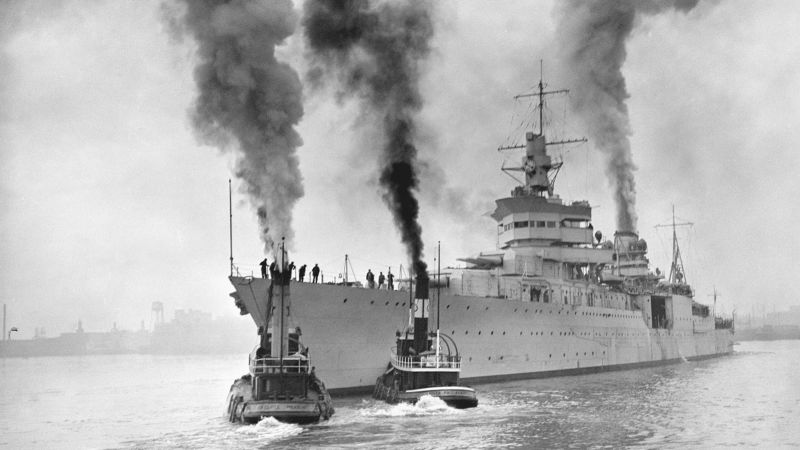
The story of the USS Indianapolis provides a sobering look at the intersection of maritime history and global conflict. In July 1945, the ship completed a secret mission to deliver components of the "Little Boy" nuclear bomb to Tinian Island. On its return leg, it was intercepted and sunk by a Japanese submarine. The tragedy was compounded by the fact that the ship’s sinking was not immediately reported, leaving hundreds of survivors adrift in the Philippine Sea for days.
The wreckage of the Indianapolis was finally located in 2017 by a research team led by the late Paul Allen, at a depth of 18,000 feet. The discovery provided a final resting place for the ship and offered a degree of closure to the families of the lost crew. The site is now protected under the Sunken Military Craft Act, ensuring that the wreck is treated with the gravity accorded to a war grave.
Documenting the Transatlantic Slave Trade
Perhaps the most profound category of shipwrecks consists of those associated with the transatlantic slave trade. It is estimated that approximately 1,000 ships involved in the "triangular trade" were lost at sea. These vessels represent a dark chapter of human history, and their discovery is often driven by organizations such as "Diving With a Purpose" (DWP).
The discovery of the São José, which sank off the coast of South Africa in 1794, was a landmark moment in maritime archaeology. By locating such sites, researchers are able to recover artifacts—such as iron ballasts and shackles—that provide physical evidence of the horrific conditions endured by enslaved people. Unlike the search for gold or military prestige, the study of these wrecks is focused on historical accountability and education. The effort to map these final resting places is an ongoing commitment to acknowledging the lives lost during one of the most violent eras of human history.

From Bronze Age Trading to Modern Relics
Archaeology has also provided insight into the ancient world through discoveries like the Uluburun shipwreck. Found in 1982 by a sponge diver off the coast of Turkey, this vessel dated back roughly 3,000 years, offering a window into the complex trade networks of the Bronze Age. The recovery of 10 tons of copper ingots and thousands of beads transformed the academic understanding of Mediterranean commerce.
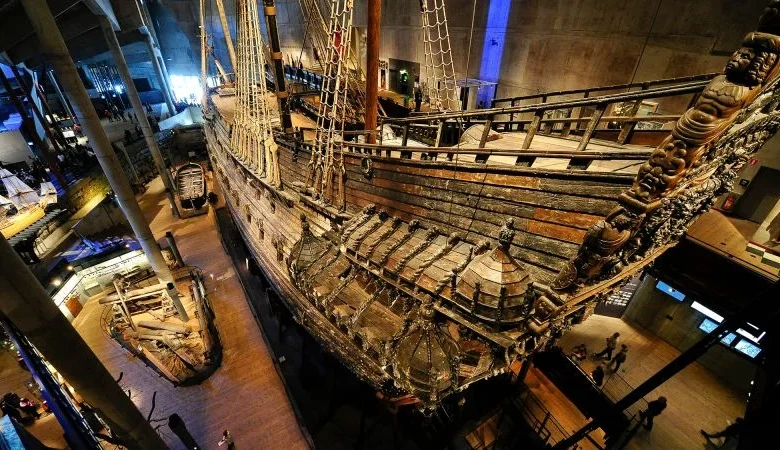
In contrast to these ancient sites, modern shipwrecks often provide a more jarring, visual reminder of human error or conflict. The Vasa, a 17th-century Swedish warship, was salvaged in 1961 after spending over three centuries underwater. Its remarkable preservation, due to the cold, low-salinity waters of Stockholm Harbor, allowed for the recovery of hundreds of intricate wooden sculptures. The Vasa Museum now stands as a primary destination for those interested in the preservation of maritime heritage.
Environmental and Ethical Considerations
As technology continues to advance, the frequency of shipwreck discovery is likely to increase. However, this progress brings ethical dilemmas regarding the disturbance of underwater sites. Many shipwrecks are considered protected heritage sites, and the removal of artifacts is strictly regulated by international law, including the UNESCO Convention on the Protection of the Underwater Cultural Heritage.
Furthermore, the environmental impact of these wrecks cannot be ignored. The MV Captayannis, a sugar-carrying ship that ran aground in the River Clyde in 1974, has become an artificial reef, supporting local bird populations and marine life. This transformation of a disaster site into an ecosystem highlights the dual nature of shipwrecks: they are both remnants of human tragedy and contributors to the current environmental landscape.

Future Directions in Maritime Archaeology
The quest to locate missing vessels continues to rely on a blend of historical research and cutting-edge sensor technology. Future missions will likely leverage artificial intelligence to analyze vast amounts of sonar data, potentially identifying signatures of shipwrecks that were previously overlooked.
The implications of these discoveries extend beyond the physical recovery of objects. Each new find forces a recalibration of historical records and provides a deeper understanding of the technological capabilities of past civilizations. As we look to the ocean floor, we are not just looking for steel and wood; we are looking for the stories that have been shielded by the sea for centuries. Whether they are the remnants of imperial ambition, the tragic vessels of wartime, or the silent witnesses to the history of slavery, these shipwrecks remain essential to our understanding of the human journey.
Related posts: