Rediscovered 1930s Audio Recordings Offer Unprecedented Look at the History and Evolution of Louisiana Creole

More than ninety years after they were meticulously etched onto fragile aluminum discs, a collection of historic audio recordings captured by trailblazing Black linguist Lorenzo Dow Turner has been rediscovered and made public. Housed for decades within academic archives, these priceless audio files represent the oldest known recordings of authentic, native-spoken Louisiana Creole. The recovery of these recordings comes at a critical juncture, providing an invaluable resource for modern researchers, historians, and descendants of Creole communities who are actively working to document, preserve, and revitalize the distinct dialect.
The Long Journey of a Linguistic Treasure
For generations, the existence of these specific field recordings remained largely unknown outside academic circles. Lorenzo Dow Turner, a pioneering African American linguist celebrated for his groundbreaking work on the Gullah Geechee language of the Sea Islands, embarked on an ambitious field expedition to Louisiana in 1935. Operating during the height of the Jim Crow era, Turner sought to capture the living speech patterns of Louisiana Creole speakers—a population whose language was already experiencing a steady and noticeable decline.
Despite the profound historical value of his mission, Turner’s Louisiana project ultimately suffered from a lack of institutional funding and was never formally published. The physical aluminum discs containing the precious interviews were eventually deposited into Indiana University’s Archives of Traditional Music, where they sat largely forgotten until modern preservationists undertook the painstaking process of digitizing them.
Recently, University of Cambridge linguist Oliver Mayeux caught a vital clue in a biography of Turner, leading him to track down the digitized files. Listening to the recordings for the first time, researchers were met with startlingly clear audio of native speakers discussing their daily routines, folklore, and deeply personal histories. These audio artifacts open a direct portal to a linguistic and cultural landscape that has otherwise been lost to time.
The Genesis of a Unique American Language
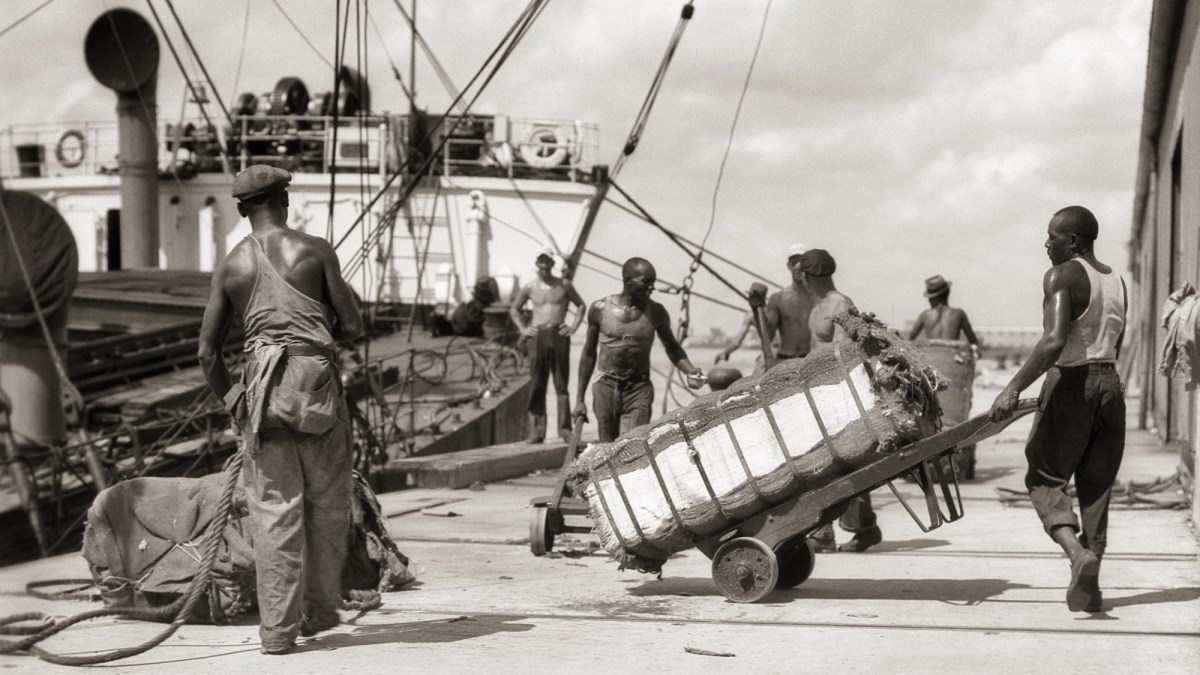
To understand the magnitude of Turner’s recordings, one must examine the complex genesis of Louisiana Creole. Formed during the crucible of the transatlantic slave trade in the 18th century, the language emerged as a dynamic hybrid. It primarily blended the French spoken by European colonists, administrators, and slaveholders with a diverse array of West African languages, most notably those from the Senegambian region.
Enslaved Africans and free people of color from disparate linguistic backgrounds were brought together on plantations where French functioned as the language of administration. Out of necessity, individuals with no common native tongue began developing approximations of French, which were subsequently adapted by subsequent generations.
"Africans with little common language were forced onto plantations where French was the language of administration," explained Oliver Mayeux during a recent discussion on the language’s development. "Everybody is learning approximations of French and then approximations of approximations. Quite quickly, a new language is born."
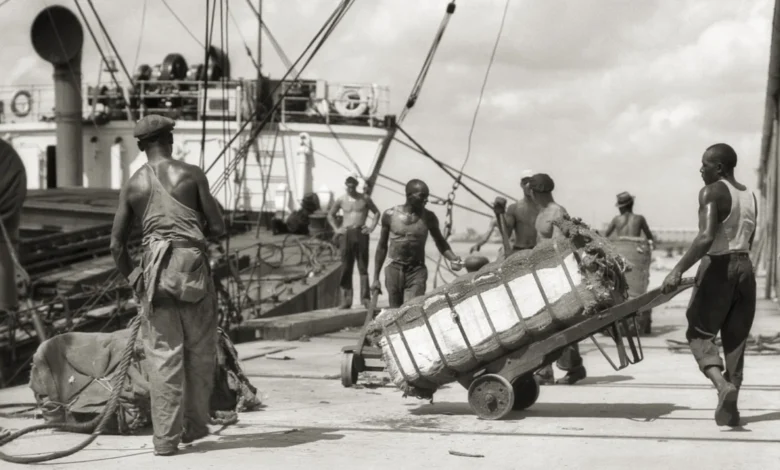
By the 19th century, Louisiana Creole had evolved into the primary medium of communication among enslaved plantation laborers, overseers, and a diverse urban populace that included Haitian refugees, Caribbean immigrants, and recently arrived Acadians from Canada. In bustling commercial hubs like New Orleans, it served as a common tongue for dock workers and market vendors alike.
However, as the 20th century progressed, socioeconomic pressures, aggressive Americanization policies, and English-language dominance drove Louisiana Creole to the brink of extinction. Today, only a few thousand native speakers remain, nearly all of whom are elderly and reside in isolated rural pockets of the state.
Inside Turner’s 1935 Fieldwork
Capturing audio in the American South during the mid-1930s was an extraordinary logistical challenge. Portable, battery-powered recording devices did not exist in the modern sense. Turner traveled to New Orleans equipped with a heavy microphone and two bulky, cabinet-style recording units that collectively weighed in excess of 100 pounds.

Because public spaces were strictly segregated under Jim Crow laws and recording equipment required a steady, reliable source of electricity, Turner had to rely heavily on a trusted network of local Black professionals, including physicians and academics. These allies opened their private offices to serve as makeshift recording studios.
For the interviewees—many of whom were former field workers, sharecroppers, and ordinary citizens—the encounter was profoundly surreal. The presence of a Black academic operating massive, industrial-looking machinery within the confines of a segregated professional office made for an experience unlike anything they had encountered before.
Voices from the Past: Vivid Personalities Recorded on Disc
Turner’s recordings feature a diverse cast of speakers whose personal testimonies provide raw, unfiltered glimpses into nineteenth- and twentieth-century life in Louisiana. Among the most remarkable subjects documented by Turner is Odelia Edmond, a woman whose colorful life story was preserved in crisp detail.
In her interviews, Edmond recounts a mischievous childhood memory of swindling thirty cents from Zozo Labrique, a legendary New Orleans folk figure famous for selling red brick dust utilized in protective Voodou rituals. Edmond’s candid nature is further highlighted by her unfiltered recollections of personal trauma. Following the murder of her first husband, she remarried, noting flatly in the recording that she was "so glad when they killed him," a testament to the brutal realities and domestic complexities of her era.
Another notable speaker preserved on the aluminum discs is George Doyle, a man who served as a police officer in New Orleans until the municipal police department was strictly segregated around the turn of the 20th century. Doyle’s oral testimony includes a harrowing account of being physically assaulted by a white street gang he referred to as a "band of rats." Remarkably, historians were able to corroborate this specific altercation using archival newspaper articles dating back to 1893, proving the high degree of historical accuracy embedded within the subjects’ narratives.
The Modern Revivification Movement and Kouri-Vini
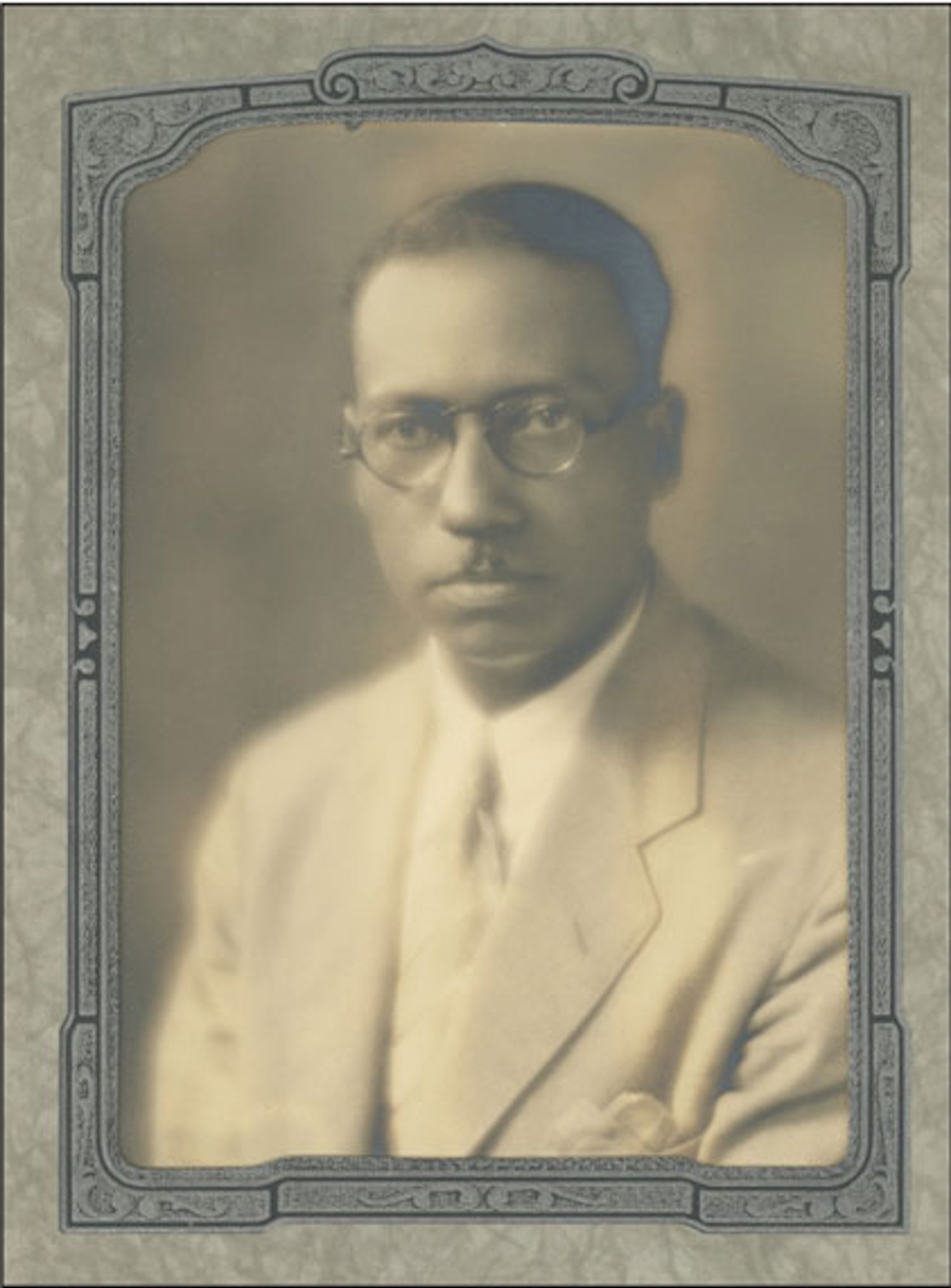
The rediscovery of Turner’s collection arrives at a pivotal moment for linguistic preservation. The recordings are now hosted online, allowing anyone worldwide to listen to authentic Louisiana Creole as it was spoken nearly a century ago. This digital accessibility is particularly significant for the Kouri-Vini movement—a growing community of younger scholars, activists, and descendants dedicated to reviving the dialect in the 21st century.
Language revitalization advocates note that studying these recordings helps younger generations forge a tangible connection to their ancestral heritage, providing a distinct cultural identity in an increasingly homogenized world. However, modern linguists issue a practical caveat for those attempting to approach the language through the lens of traditional Romance-language education. Despite its French lexical roots, contemporary French speakers find Louisiana Creole entirely mutually unintelligible due to its distinct grammar, syntax, and phonetic evolution.
Broader Implications for Linguistics and Cultural Heritage
The recovery of Lorenzo Dow Turner’s 1935 recordings carries profound implications for multiple academic disciplines, including historical linguistics, sociology, and African American studies. By providing pristine audio proof of a transitional phase in Louisiana Creole, the archive bridges a historical gap between theoretical reconstructions of the language and actual spoken usage.
Furthermore, the project underscores the immense contributions of early Black scholars who documented marginalized cultures at a time when mainstream academic institutions routinely ignored them. As preservation efforts continue and digital archives expand, Turner’s enduring legacy ensures that the vibrant voices of Louisiana’s past will continue to inform, educate, and inspire generations to come.
Related posts: