Simplifying the Complex World of Premium Credit Card Rewards Through Strategic Financial Management


The landscape of premium rewards credit cards has become increasingly intricate, characterized by a proliferation of annual fees, complex point-earning structures, and an array of lifestyle-centric benefits. For the modern consumer, navigating these financial products requires a departure from granular analysis toward a focus on core value propositions. By distilling the utility of high-end credit cards into essential pillars—namely annual fee offsets, status-enhancing perks, and point-transfer efficiency—users can better align their spending habits with their long-term travel and financial objectives.
The Evolution of Premium Credit Products
Over the past decade, the credit card industry has shifted from simple cash-back models to elaborate ecosystem-based rewards. This transition has been driven by the rise of "travel hacking" and the increasing demand for experiential benefits, such as airport lounge access, specialized travel credits, and elevated status tiers.
The current market environment is dominated by a few key players—including American Express, Chase, and Capital One—who compete for the loyalty of affluent travelers. However, the emergence of newer entrants, such as the Bilt Rewards program, has disrupted traditional models by offering innovative ways to earn points on non-traditional categories like rent, as well as providing highly competitive point-transfer ratios.

Strategic Fee Offsetting and Tangible Value
A primary point of friction for consumers considering premium cards is the initial sticker price, often exceeding $400 or $500 in annual fees. However, financial analysts frequently categorize these fees as "pre-paid travel expenses."
For instance, consider a card with a $395 annual fee. If the cardholder can effectively utilize a $300 annual travel portal credit—a common feature among mid-to-high-tier cards—the effective cost of the card is reduced to $95. When factoring in additional benefits, such as a renewal bonus of 10,000 points (which can be valued at $150 or more depending on redemption) and premium lounge access, the cardholder often reaches a "break-even" point within the first quarter of the cardmember year.
The value proposition of airport lounge access, particularly through programs like The Landings at airports such as LaGuardia and Washington National, serves as a significant differentiator. For frequent travelers, the ability to bypass expensive terminal dining in favor of high-quality lounge amenities constitutes a measurable financial benefit that justifies the annual cost of the card.
The Rise of Bilt Rewards and Point Maximization
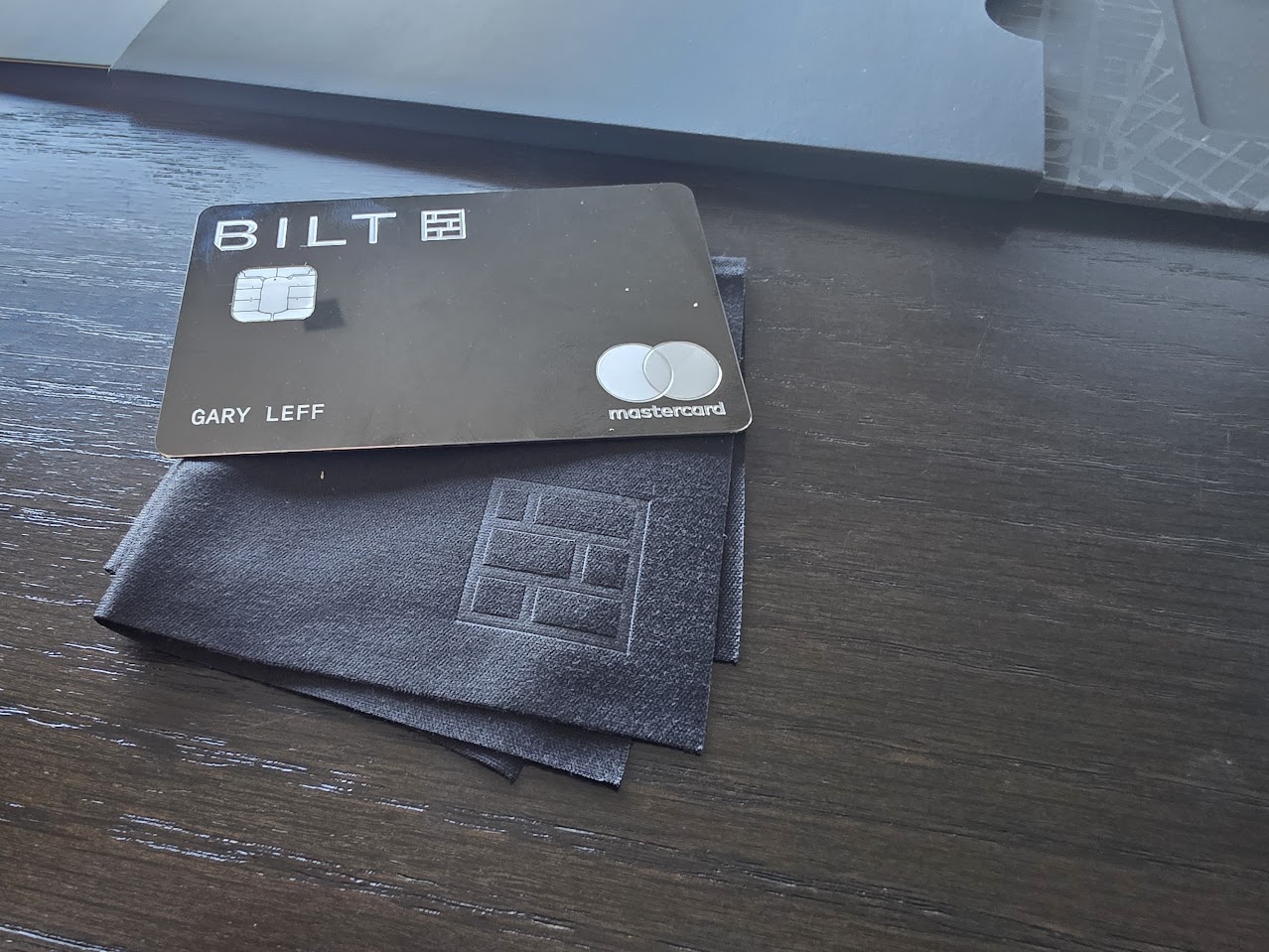
One of the most notable developments in the rewards sector is the Bilt Rewards card. Originally launched to address the difficulty of earning points on residential rent payments, the product has evolved into a robust tool for everyday spending.

The card’s utility is rooted in two primary features: a versatile earning structure and a high-value transfer partner program. While some users focus on the potential for earning 4x points on specific transaction types, the card is frequently analyzed as a baseline "2x on everything" tool. In the context of credit card rewards, a flat 2x earning rate on all categories is significant, especially when the underlying points currency is highly flexible.
The true power of the Bilt system lies in its transfer bonuses. By offering 100% transfer bonuses to partners such as Air France-KLM, British Airways, and Virgin Atlantic, the program allows cardholders to effectively double the utility of their earned points. This creates a high-velocity rewards environment where even modest spending can lead to significant international travel redemptions.
Chronology of Competitive Shifts
The market shift toward high-value, partner-heavy rewards programs did not happen overnight. The following timeline illustrates the evolution of these competitive offerings:
- 2015–2017: The era of the "Mega-Bonus." Issuers focused on massive introductory point offers to capture market share, establishing high expectations among consumers for upfront value.
- 2018–2020: The pivot to lifestyle perks. As the market became saturated, issuers shifted toward intangible benefits—such as ride-sharing credits, luxury hotel status, and exclusive concierge services—to maintain customer retention.
- 2021–2023: The integration of niche categories. Programs like Bilt entered the market, focusing on previously "untouchable" spending categories like rent, challenging the dominance of traditional banking giants.
- 2024–Present: The emphasis on ecosystem synergy. The current focus is on how well a card integrates into a broader financial life, with an emphasis on seamless point transfers and diversified airline/hotel loyalty partnerships.
Analyzing the "Catch-All" Strategy
The concept of a "catch-all" card—a primary credit card used for every transaction—remains the gold standard for many consumers. However, as rewards programs have specialized, this strategy has become more nuanced.
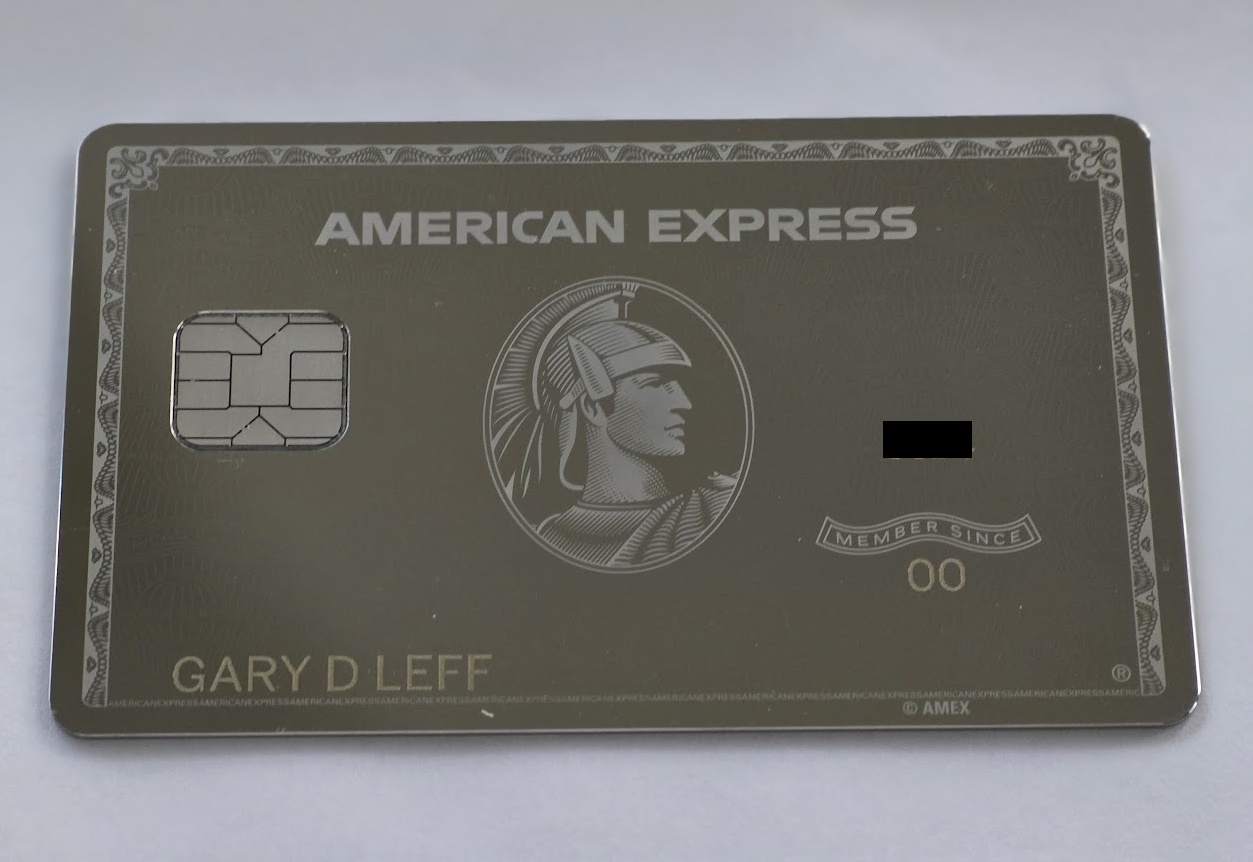
When evaluating a card for daily use, experts suggest focusing on three metrics:
- Transferability: Can these points be moved to a high-value partner?
- Floor Value: Does the card offer a respectable baseline return on non-category spending?
- Ancillary Benefits: Do the included insurance, protection, and lounge perks outweigh the inconvenience of managing a separate account?
While the Bilt card has gained traction for its flexibility, established products from Chase and American Express continue to lead in specific niches, such as high-frequency grocery or dining rewards. The modern "power user" often balances a portfolio of two to three cards rather than relying on a single "catch-all," utilizing one card for its baseline earn rate and others for their category-specific bonuses.
Industry Perspectives and Official Disclosures
It is important to note that the credit card industry operates under strict regulatory and ethical guidelines regarding disclosures. Financial publishers and content creators are required to provide transparency regarding their partnerships with card issuers.
Most major financial news platforms include disclosures indicating that they may receive compensation for successful card applications or clicks. This transparency is intended to ensure that consumers understand the potential for bias in product reviews. Despite these partnerships, the consensus among financial experts is that the utility of a card must be measured against the individual’s personal spending profile.

As stated in industry disclosures: "Any opinions expressed are the author’s own and have not been reviewed, approved, or endorsed by advertising partners." This emphasizes the importance of independent analysis when choosing a financial product.
The Broader Implications for Consumers
The democratization of high-end credit card benefits has created a more competitive environment, but it has also increased the cognitive load on the average consumer. The "paradox of choice"—where an abundance of options leads to decision paralysis—is a significant factor in the credit card industry today.
For the average consumer, the implications are clear:
- Complexity is a cost: If a card’s benefits are too difficult to track, the consumer is likely losing money.
- Redemption is key: A point is only as valuable as its final redemption. Earning millions of points in a program with limited transfer partners is less effective than earning fewer points in a program with high-value airline alliances.
- Fiscal Responsibility: Regardless of the rewards potential, the primary function of a credit card is the extension of credit. High-interest rates on unpaid balances will invariably negate the value of any points earned.
Conclusion
The modern credit card market is no longer just about interest rates and credit limits; it is a sophisticated travel and lifestyle ecosystem. By stripping away the marketing noise and focusing on the mathematical essentials—fee offsets, point earning, and transfer efficiency—consumers can transform their daily spending into a tool for significant travel value.
As the industry continues to evolve, the winners will likely be those issuers who simplify the user experience while providing genuine, measurable value through partnerships and flexible rewards. For the consumer, the path forward is one of disciplined, strategic utilization, ensuring that every transaction serves a purpose within their broader financial framework. Whether choosing a dedicated travel card or a high-utility everyday card, the objective remains the same: maximizing the return on essential spending while minimizing the complexity of management.