Exposed Ballot-Composition Project in Alaska Senate Race Triggers National Firestorm and Legal Scrutiny

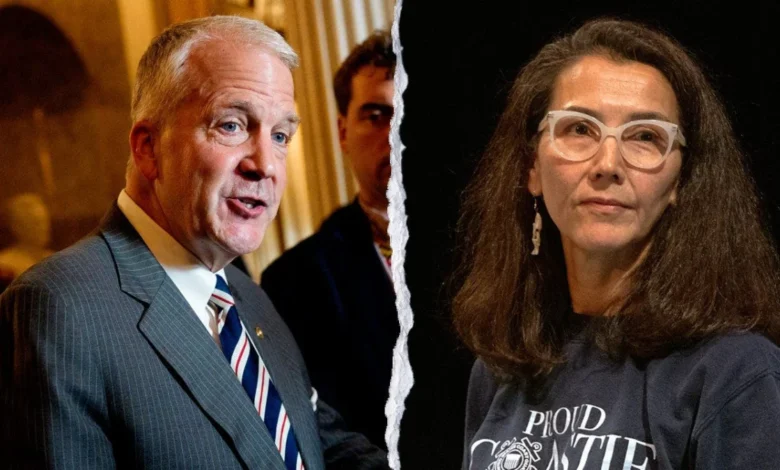
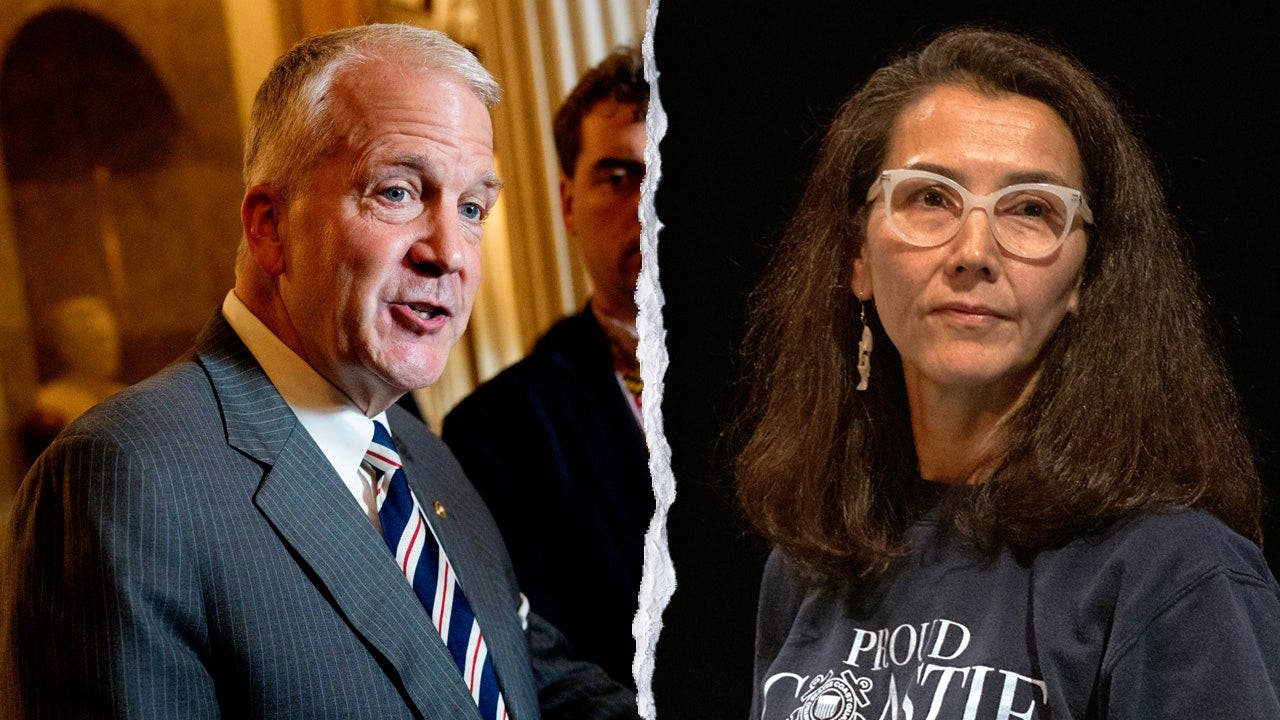
An investigative report published by The New York Times has brought intense national scrutiny to Alaska’s high-stakes U.S. Senate race, revealing that the campaign of Democratic candidate Mary Peltola allegedly participated in a coordinated covert operation to influence the state’s ballot composition. The scheme, internally designated as the "ballot composition project," was reportedly designed to peel votes away from incumbent Republican Senator Dan Sullivan by introducing namesake and spoiler candidates into the electoral field.
The revelations, which emerged just days before the general election, have ignited a ferocious political firestorm. President Donald Trump, Republican leadership, and legal analysts have decried the operation as a profound subversion of the electoral process. Meanwhile, Democratic organizations and Peltola’s campaign have vehemently denied direct involvement, even as internal documents, text messages, and statements from former campaign insiders corroborate the existence of the multi-layered operation.
The controversy centers around Alaska’s unique four-person general election system, a ranked-choice voting framework established in recent years. In this cycle, the ballot features Democratic candidate Mary Peltola alongside incumbent Republican Senator Dan S. Sullivan, a second candidate named Dan J. Sullivan, and independent candidate Gerald Heikes. The presence of two candidates bearing the exact same name has fueled widespread allegations of intentional voter confusion, leading to unprecedented legal battles and a potential constitutional crisis regarding election certification.
Anatomy of the "Ballot Composition Project"
According to investigative findings, the covert campaign began taking shape in the summer of 2025. Driven by a strategic objective to dilute the conservative voting bloc, campaign strategists, Democratic Senatorial Campaign Committee (DSCC) aides, and party attorneys allegedly collaborated to identify and recruit individuals who could complicate the electoral landscape for the incumbent Republican senator.
The operation relied on systematic research of state voter rolls. Investigators revealed that a Peltola campaign staffer was initially tasked with combing through voter registration databases to compile a comprehensive list of all Alaskan residents named Dan Sullivan. The objective of this roster was to identify potential namesake candidates who could be persuaded to file for the Senate race, thereby creating name recognition confusion on the ranked-choice ballot.
The strategy bore fruit earlier this year when Dan J. Sullivan—a retired teacher and left-leaning voter residing in Petersburg, Alaska—switched his voter registration to Republican shortly before officially filing his candidacy for the Senate race. Investigative records indicate that Democratic operative Jerid Kurtz served as a primary field coordinator for the project. Operating under assumed names such as "Zane," Kurtz allegedly traveled across Alaska, frequenting local diners and pubs to meet with potential recruits. According to documentation and source accounts, operatives offered external financial backing and logistical support to persuade independent and conservative-leaning individuals to enter the race, specifically to siphon votes away from the incumbent.
In addition to securing a second Dan Sullivan, the project allegedly involved broader manipulation of the candidate pool. Operatives targeted progressive candidate David Leslie, successfully pressuring him to drop out of the race to prevent him from siphoning votes away from Mary Peltola. This maneuver paved the way for drywall contractor and alternative candidate Gerald Heikes to secure a spot on the ranked-choice ballot. Furthermore, internal discussions among campaign advisors and DSCC officials briefly evaluated the creation of a third-party "MAGA party" intended to further fracture the conservative base, though that specific proposal was reportedly abandoned in May.
Internal Fallout and Whistleblower Revelations
The operation’s inner workings came to light largely due to internal friction within the Peltola campaign. Elisa Rios, who served as Peltola’s campaign manager until her dismissal in August, provided critical testimony to investigators. Rios stated that while Peltola may not have directly managed the day-to-day orchestration of the project, she was "definitely aware" of its existence and objectives.
"Alaskan voters need to know," Rios remarked during her initial interviews with reporters, emphasizing the necessity of transparency in a fiercely competitive race. "There was a lot of speculation, and voters should get the full picture when making their decisions."
Although Rios later attempted to retract her statements prior to publication, investigative journalists confirmed that her initial assertions were heavily substantiated by a robust paper trail. Text messages, internal campaign memos, and corroborating accounts from eleven other sources verified the existence of the ballot-composition project and mapped the involvement of high-level party operatives.
Among those allegedly linked to the strategy was Jacquelyn Lopez, an attorney with the prominent Democratic firm Elias Law Group, which represents both the DSCC and Peltola’s campaign. Internal communications reviewed by investigators showed staff members discussing coordination with Lopez regarding field operations and exploring the viability of third-party ballot initiatives.
Official Responses and Partisan Crossfire
The publication of the report triggered immediate and severe condemnations from across the political spectrum. President Donald Trump took to Truth Social to express outrage, characterizing the scheme as an egregious instance of election fraud and demanding systemic consequences.
"The Democrats cheated!" Trump wrote in a series of posts. "They found a man named Dan Sullivan, put him on the ballot, then lied to the Court, and said they didn’t know anything about it. That’s perjury. She shouldn’t be allowed to run, and neither should the FAKE Dan Sullivan!" Trump further argued that Peltola should face legal and political penalties, asserting that the incumbent Republican senator should be permitted to run on a ballot free of both Peltola and the secondary namesake candidate.
The White House amplified these sentiments through communications director Steven Cheung, who shared a statement on social media declaring that a "secret, CORRUPT plan to stack Alaska’s ballot" had been fully exposed.
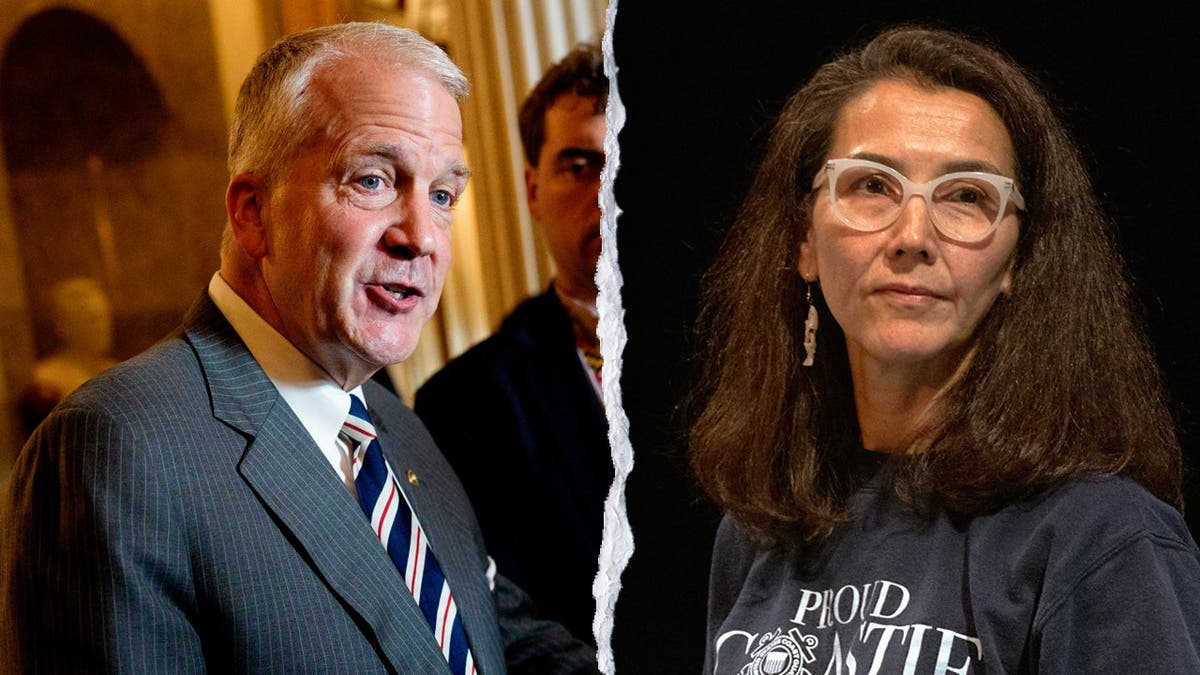
In contrast, representatives for Mary Peltola and the DSCC strongly pushed back against the allegations of direct candidate recruitment, while simultaneously pointing fingers at Republican campaign tactics.
"The Alaskans for Mary campaign has no involvement with either Sullivan campaign and did not recruit any candidates into the race," Peltola’s campaign said in a formal statement.
The DSCC echoed this denial regarding the recruitment of Dan J. Sullivan while launching a counter-offensive against historical GOP campaign practices. A DSCC spokesperson stated: "Republicans have a long history of recruiting and propping up candidates in an attempt to boost their own campaigns, including recruiting a prisoner with a New York address to run against Mary Peltola and spending nearly half a million dollars to secure a spot on the ballot in Alaska for an Arizona resident in the Senate race this cycle."
Implications for Alaska’s Ranked-Choice Voting System
The unfolding controversy has placed Alaska’s distinct electoral framework under an unprecedented microscope. Implemented via ballot measure, Alaska’s system utilizes a nonpartisan "jungle primary" followed by a general election where voters rank up to four candidates. While proponents argue that ranked-choice voting encourages moderation and broad voter participation, critics contend that the system is uniquely vulnerable to manipulation, strategic candidate positioning, and voter confusion.
The presence of two candidates bearing the identical name of Dan Sullivan has transformed the race into a legal minefield. Beyond the political fallout, the controversy has triggered pre-election litigation. The United States Department of Justice, alongside conservative legal groups, has weighed in on the matter, with reports indicating potential legal challenges seeking to block the certification of election results if the incumbent senator is defeated due to voter confusion generated by the duplicate names on the ballot.
Constitutional and election law experts note that while fielding namesake candidates is a legally gray area historically utilized by operatives in various jurisdictions, the level of coordinated, cross-state operational planning revealed in the DSCC-linked project elevates the situation from a routine political dirty trick to a matter of acute legal inquiry. Questions surrounding potential perjury in court filings, campaign finance transparency, and fraudulent voter registration practices are expected to be litigated aggressively in the post-election phase, regardless of who ultimately secures the Senate seat.
As Alaskans head to the polls to finalize a choice between Mary Peltola, the two Dan Sullivans, and Gerald Heikes, the election stands as one of the most contentious and legally fraught contests in modern American political history. The long-term ramifications of the ballot-composition investigation threaten to reshape debates over campaign ethics, election law enforcement, and the future of ranked-choice voting not only in Alaska, but across the entire United States.
Related posts: