Chief Judge James Boasberg Presides Over High-Stakes Battle to Unseal Search Warrant in Rep. Ilhan Omar Investigation

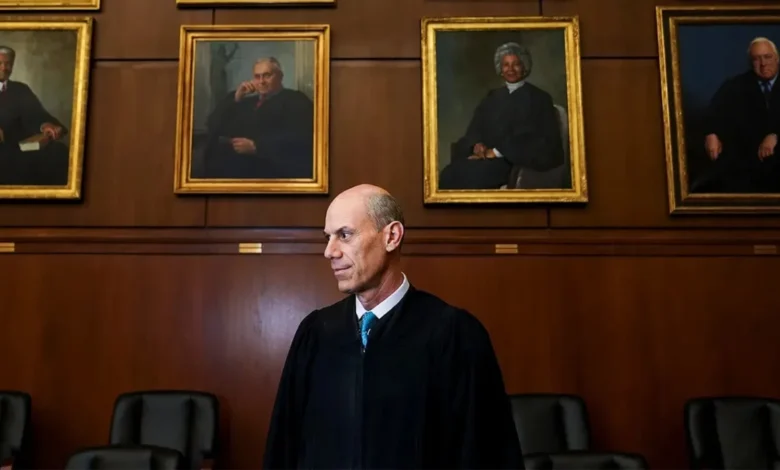
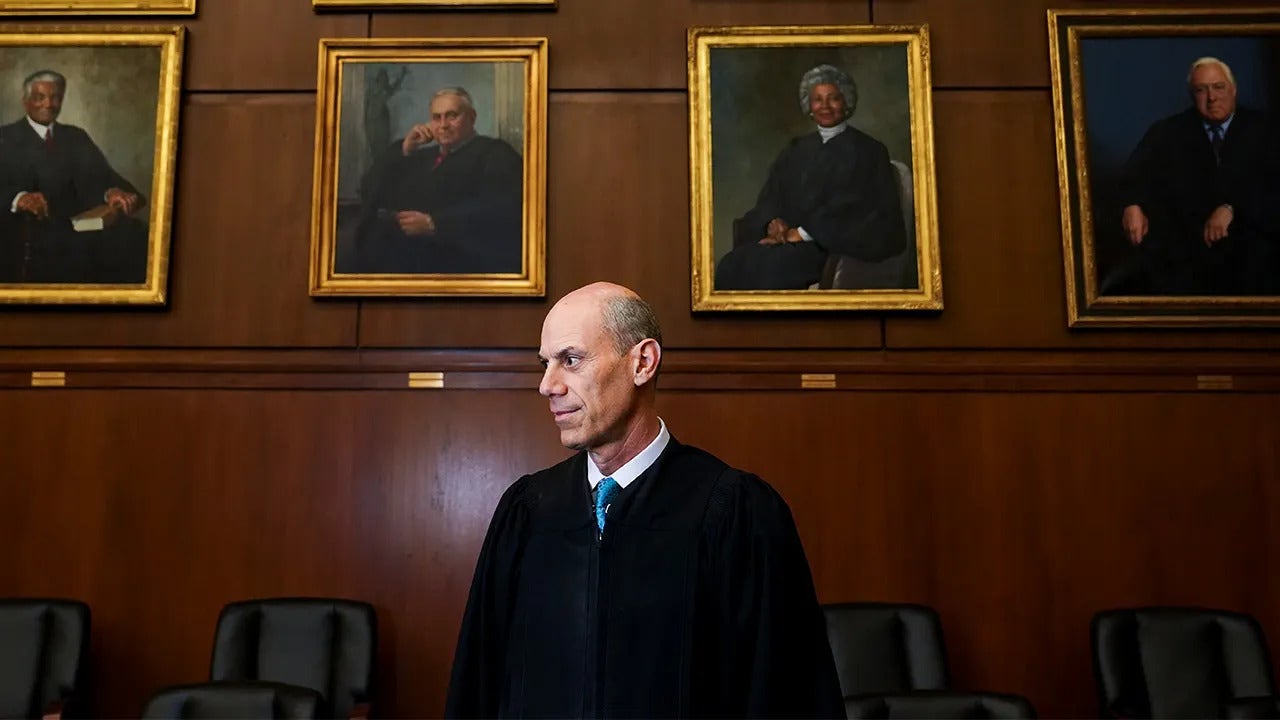
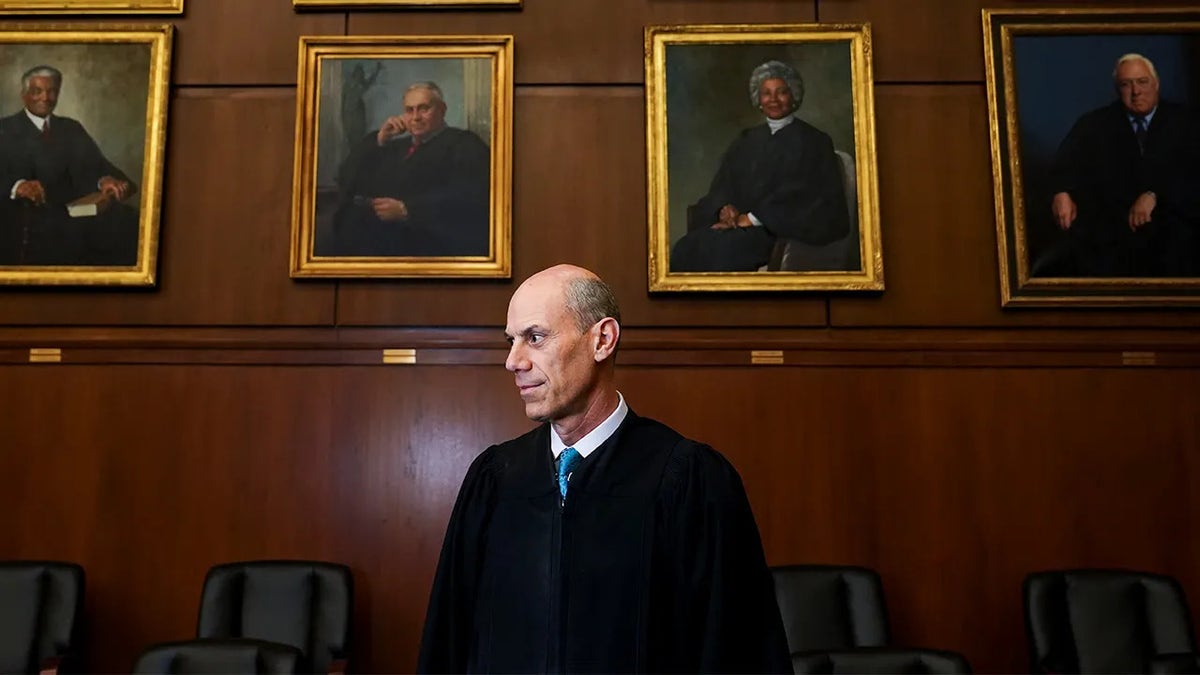
WASHINGTON — A high-profile legal battle over transparency, national security, and high-stakes congressional investigations has landed on the desk of U.S. District Court Chief Judge James Boasberg. The veteran jurist, who has frequently found himself at the center of political flashpoints involving President Donald Trump and his administration, is now tasked with ruling on whether to unseal the federal search warrant utilized during an October raid on the Washington, D.C., home of Democratic Representative Ilhan Omar of Minnesota.
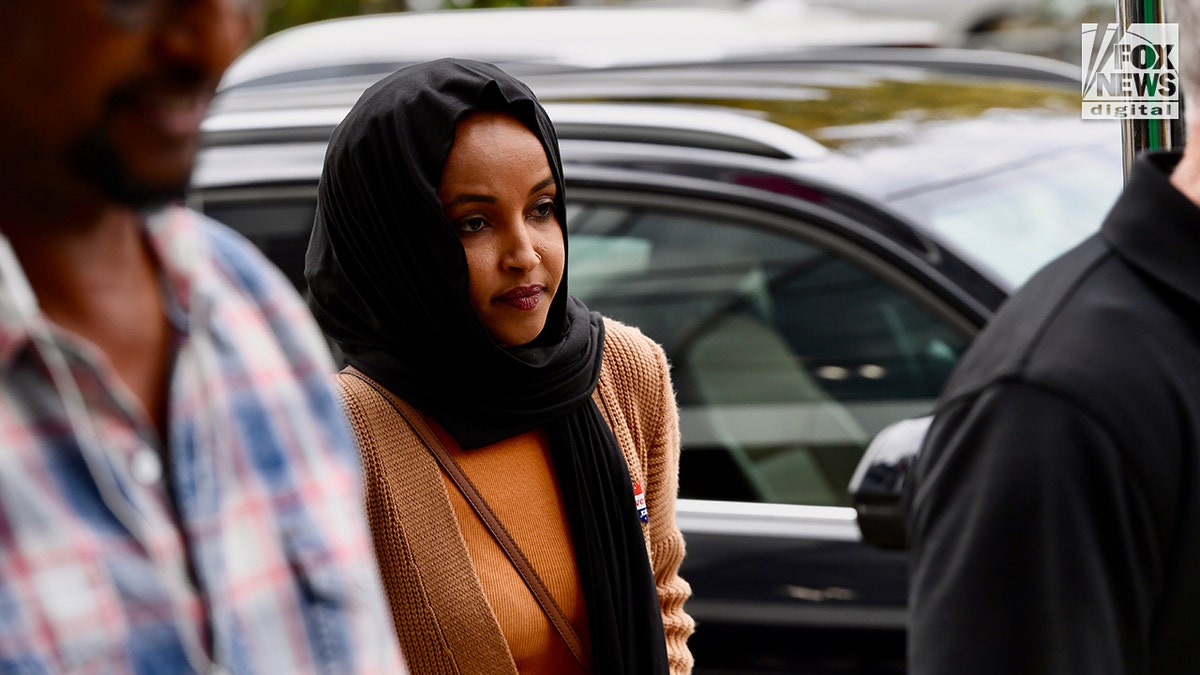
The controversy surrounds ongoing federal scrutiny of the progressive congresswoman, a prominent figure in national politics who immigrated to the United States from Somalia as a refugee in 1995 at the age of 12. Investigators are reportedly examining two distinct matters: potential financial disclosure discrepancies spanning consecutive reporting
years, and legacy questions surrounding her family’s immigration history. Specifically, federal authorities are looking into whether her late father misstated her age on citizenship paperwork submitted in the year 2000, an action that could have theoretically allowed Omar to acquire derivative citizenship as a minor.
The investigation has ignited a firestorm of political rhetoric, led most notably by President Trump. A long-standing critic of the Minnesota lawmaker, Trump has publicly amplified accusations regarding Omar’s past, including long-running, unsubstantiated allegations concerning her first marriage. In the wake of the October 12 raid, Trump escalated his rhetoric, calling for her prosecution and potential deportation, labeling her legislative presence a "disgrace to our country."
Chronology of Events and Legal Escalation
The friction between Representative Omar, federal law enforcement, and the judicial branch unfolded rapidly over a matter of weeks, overlapping with tense political cycles:
- October 12: Department of Homeland Security Investigations (HSI) and the Federal Bureau of Investigation (FBI) execute a search warrant at Representative Omar’s Washington, D.C., residence. The warrant was initially authorized by U.S. Magistrate Judge Matthew Sharbaugh.
- Late October: News breaks of the raid, drawing immense media attention and immediate pushback from Omar’s congressional office and defense counsel. Her daughters are spotted at the scene as rumors swirl regarding the scope of the probe.
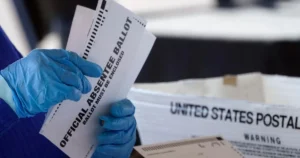
- Post-Raid Filings: Media organizations—including The New York Times, Judicial Watch, and a coalition of 14 other press outlets—file formal legal requests to unseal the search warrant and associated affidavits.
- Late October Deadlines: Chief Judge Boasberg orders the Department of Justice to defend its position on keeping the records sealed. The DOJ requests an extension, arguing that the search warrant remains "fully unexecuted" in terms of ongoing data analysis and that premature release could compromise the integrity of active investigative streams.
- Subsequent Legal Maneuvers: Omar’s defense attorneys file emergency motions demanding the return of seized electronic devices—including her personal cellular phone—contending that federal agents violated constitutional protections governing legislative work, failed to provide a physical copy of the warrant at the time of the search, and initially restricted her access to legal counsel.
The Media Coalition Versus the Department of Justice
The core legal question before Judge Boasberg involves the delicate balance between the public’s First Amendment right to access judicial records and the government’s interest in protecting the confidentiality of ongoing criminal investigations.
The coalition of media organizations, spearheaded by legal counsel for major news publications, argues that because the physical search of the residence took place weeks ago, the blanket sealing of the documents is no longer justifiable. They contend that if specific passages contain sensitive investigative techniques or confidential informant identities, the court should employ redactions rather than withholding the entire document repository from public scrutiny.
Conversely, the Department of Justice has forcefully pushed back against these requests. In court filings, prosecutors characterized the efforts to unseal the records mid-investigation as premature and potentially disruptive. Government attorneys argued that premature disclosure could alert targets, taint witness testimony, or compromise electronic evidence currently undergoing forensic examination. They have urged the court to defer any unsealing decisions until the investigation reaches a definitive milestone, such as the public announcement of charging decisions or the official closure of the probe without indictments.
Judge James Boasberg: A Familiar Target for Political Scrutiny
The assignment of Chief Judge Boasberg to oversee the unsealing dispute carries significant political weight. Appointed to the U.S. District Court for the District of Columbia by President Barack Obama, Boasberg has a long history of presiding over politically sensitive cases that place him directly in the crosshairs of conservative ire.
Trump and his allies have frequently criticized Boasberg’s rulings. In March 2025, Boasberg temporarily blocked administration-backed deportation flights carrying alleged Venezuelan gang members, prompting a furious response from the White House. At the time, Trump publicly labeled the judge a "Radical Left Lunatic" and a "troublemaker and agitator," while calling for his impeachment and asserting that a fair ruling was impossible in the D.C. federal court system.
Boasberg’s judicial record includes several other high-profile and controversial decisions. In June 2025, he ordered federal agencies to preserve internal Signal messaging applications used by senior national security officials discussing military strikes in Yemen, ruling that ephemeral messaging platforms could still constitute federal records under the law. During earlier investigations, he signed specialized nondisclosure orders barring telecommunications carriers from notifying targeted lawmakers of congressional record subpoenas.
Furthermore, Boasberg previously faced scrutiny for his sentencing of former FBI attorney Kevin Clinesmith, who pleaded guilty to altering an email used in a Foreign Intelligence Surveillance Act (FISA) application to renew surveillance on former Trump campaign advisor Carter Page. Despite acknowledging that Clinesmith’s actions undermined the integrity of the court, Boasberg sentenced him to 12 months of probation and 400 hours of community service, noting that the defendant derived no personal benefit from the alteration and had already endured severe professional and public fallout.
Broader Implications for Legislative Privilege and Executive Power
The legal battles surrounding Representative Omar extend far beyond the immediate question of transparency and search warrant disclosure. Constitutional scholars note that the case touches upon complex questions regarding the constitutional protections afforded to members of Congress under the Speech or Debate Clause, which shields lawmakers from executive branch overreach related to their legislative duties.
Omar’s legal team has maintained that the seizure of her communications devices threatens the separation of powers by potentially exposing sensitive constituent data and internal legislative strategies to law enforcement scrutiny. The DOJ, meanwhile, must navigate these separation-of-powers concerns carefully to avoid judicial intervention that could curtail the scope of federal white-collar or immigration-related inquiries into elected officials.
As Chief Judge Boasberg weighs the arguments from the press coalition, the Justice Department, and Representative Omar’s legal counsel, his upcoming rulings will set critical legal precedents. The decision will determine not only how much the public will learn about the factual basis for the raid on a sitting member of Congress, but also how federal courts will police the boundaries between executive investigative powers and legislative immunities in an era of heightened political polarization.
Related posts: