From a Chance Encounter in Cotonou to a Life Built in Canada: The Remarkable Journey of Rachel Décoste and Honoré Orogbo

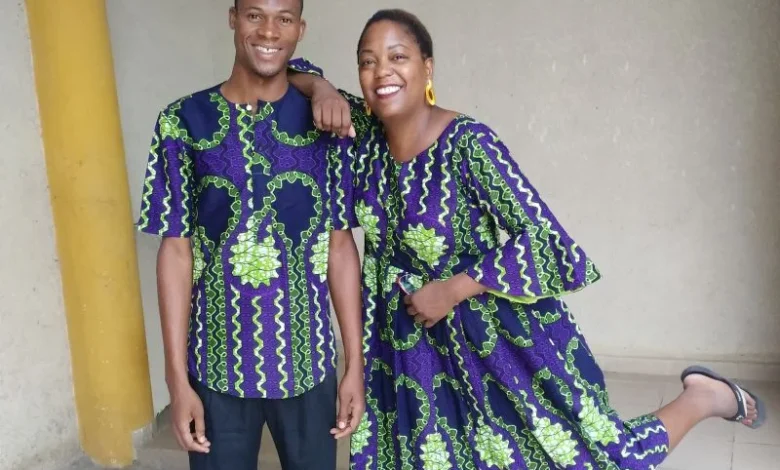
In August 2018, Rachel Décoste, a Canadian professional of Haitian descent, arrived in the West African nation of Benin on what she characterized as a profound pilgrimage of self-discovery. A seasoned professional who had spent years working in Washington, D.C., within the corridors of the United States Congress, Décoste was utilizing a period of remote work to explore her ancestral roots. Following a DNA test that identified West African nations including Senegal, Ivory Coast, Togo, Ghana, and Benin as her ancestral points of origin, she embarked on a five-month itinerary across the continent. She could not have predicted that a simple request for directions on her first day in the port city of Cotonou would result in a cross-continental marriage, a major life transition, and the founding of a family business.
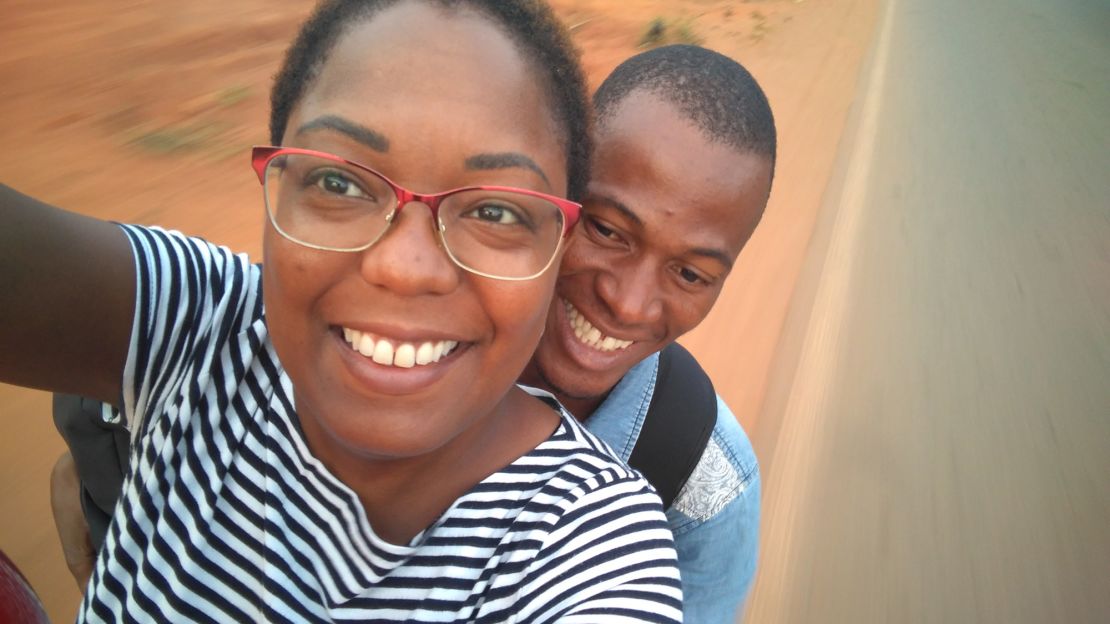
The trajectory of this narrative—from a chance meeting at a local bed and breakfast to a life integrated between continents—serves as a compelling case study on the unpredictability of human connection and the evolving landscape of international migration and cultural exchange.
The Chronology of a Whirlwind Romance
The meeting between Rachel Décoste and Honoré Orogbo, a local resident and business owner in his thirties, occurred with the serendipity often associated with transformative life events. After finding herself unable to locate the manager of her guesthouse in Cotonou, Décoste ventured outside to seek guidance on traveling to Ouidah, a historic site of significant emotional weight due to its former role as a major slave-trading port.
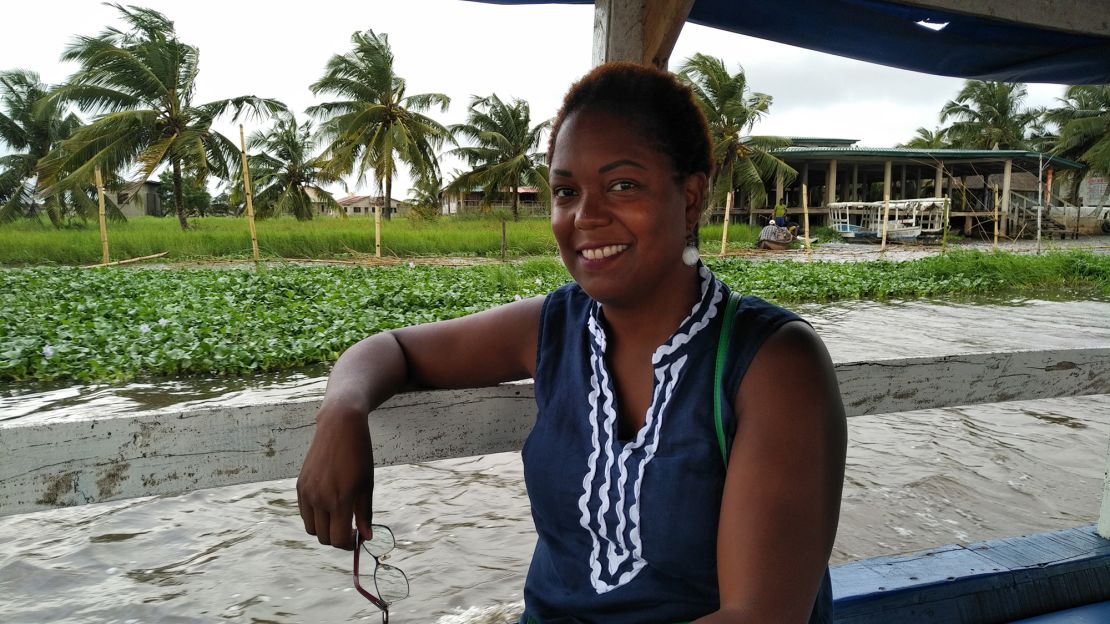
Upon encountering Orogbo, who was preparing to depart on his motorcycle, Décoste initiated a conversation in French. What began as a request for transit advice quickly evolved into an offer of assistance. Recognizing that public transportation options were limited and likely to complicate her desire for a thorough visit to the historical sites of Ouidah, Orogbo volunteered to drive her himself.
This initial act of assistance marked the beginning of a week-long professional and personal rapport. Over the subsequent days, Orogbo facilitated Décoste’s travel to various historical and cultural landmarks. These interactions allowed for deep, candid dialogue, as both individuals initially operated under the assumption that their meeting was a temporary occurrence during a tourist’s brief stay.
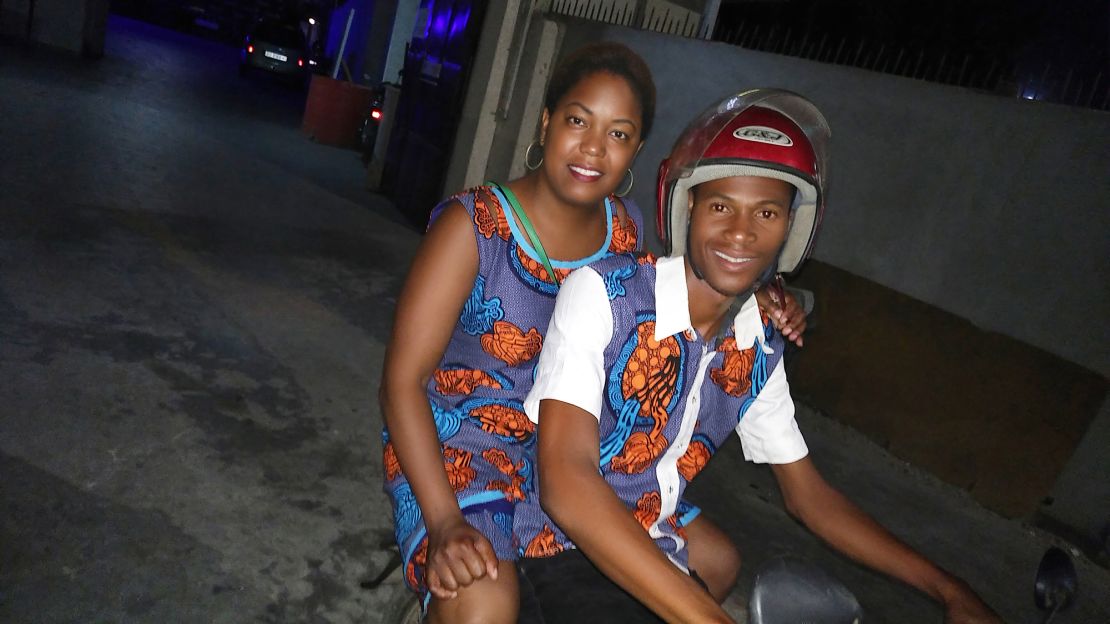
The relationship deepened during a weekend trip to Lomé, Togo, where both parties recognized a shift in their dynamic. By the end of her five-month sabbatical, the two had decided to pursue a long-term commitment. Following a brief period of separation, during which Décoste returned to Canada and Orogbo managed his affairs in Benin, they were married in January 2019. The subsequent immigration process, which saw Orogbo and his son relocate to Canada, concluded with the family establishing a new life in Ottawa.
Ancestral Discovery and the Power of Pilgrimage
For many members of the African diaspora, DNA ancestry testing serves as a catalyst for geographic and emotional exploration. The "Year of Return" movement, which encouraged people of African descent to visit the continent, has highlighted the significance of reconnecting with ancestral homelands.
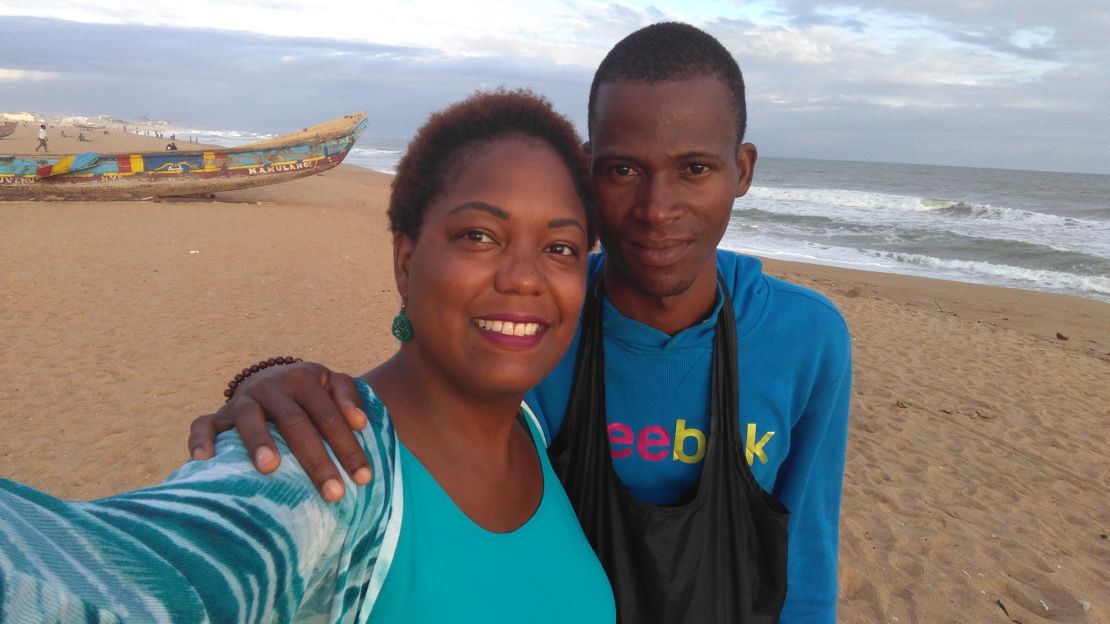
Décoste’s experience reflects a broader trend of individuals seeking to bridge the gap between their modern identities and their historical roots. Her visit to Ouidah was particularly poignant. Historically, Ouidah was a central hub for the Trans-Atlantic Slave Trade. For an individual whose ancestors survived the Middle Passage, physically standing on that ground represents a reclamation of history. As Décoste noted, the realization that her existence was a statistical anomaly—a "miracle" of survival against the systemic brutality of the era—provided a profound framework for her journey. This context of historical trauma and survival adds layers of significance to her choice to settle down with a partner from the very region her ancestors were forced to leave centuries ago.
Socio-Economic Implications of Global Relocation
The story of Décoste and Orogbo also touches upon the realities of global migration and the challenges of integrating into a new society. For Orogbo, moving from the tropical climate of Cotonou to the harsh winters of Ottawa represented a significant physiological and psychological shift. Data from Immigration, Refugees and Citizenship Canada (IRCC) suggests that successful integration for newcomers often relies on a strong social support network—a factor that played a critical role in their transition.
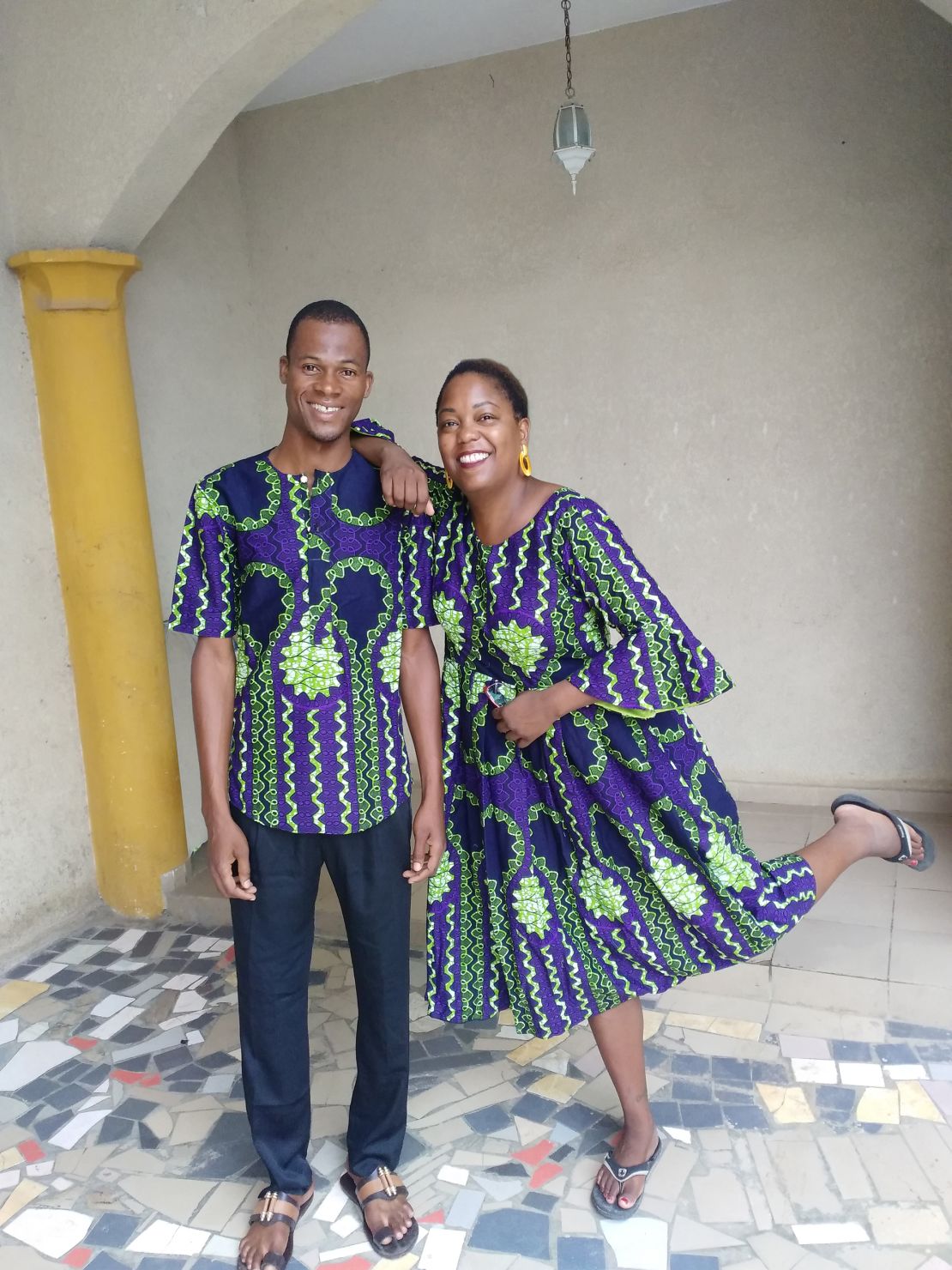
Furthermore, the couple’s transition was marked by entrepreneurial initiative. They founded "Woke Apparel," a business that produces clothing designed for Canadian winters but featuring African prints. This venture illustrates the synthesis of two distinct cultural identities and serves as a practical application of their shared values. By creating a product that addresses the needs of their new environment while honoring the heritage of their past, they have effectively utilized their combined backgrounds to navigate the economic landscape of their new home.
Cultural Exchange and the Modern Family
The integration of Orogbo’s son into their Canadian life represents a successful outcome of intentional, supportive parenting. The couple has been vocal about the importance of preparing children for such radical transitions, emphasizing the need for open communication about the benefits of a new environment—such as new educational opportunities and social networks—while acknowledging the loss of familiar surroundings.

The couple’s journey has not been without obstacles. The global COVID-19 pandemic, which began shortly after their initial marriage, disrupted their plans for a larger, formal Canadian wedding ceremony, forcing them to adapt and hold a smaller, intimate event in 2020. This adaptability has become a hallmark of their partnership.
Reflection and Future Outlook
In retrospect, the marriage of Décoste and Orogbo is frequently cited by the couple as a testament to the importance of intuition. Orogbo’s assertion to "follow your heart with reckless abandon" and Décoste’s encouragement that "there is no expiration date on opportunity" resonate as a philosophy for modern living.
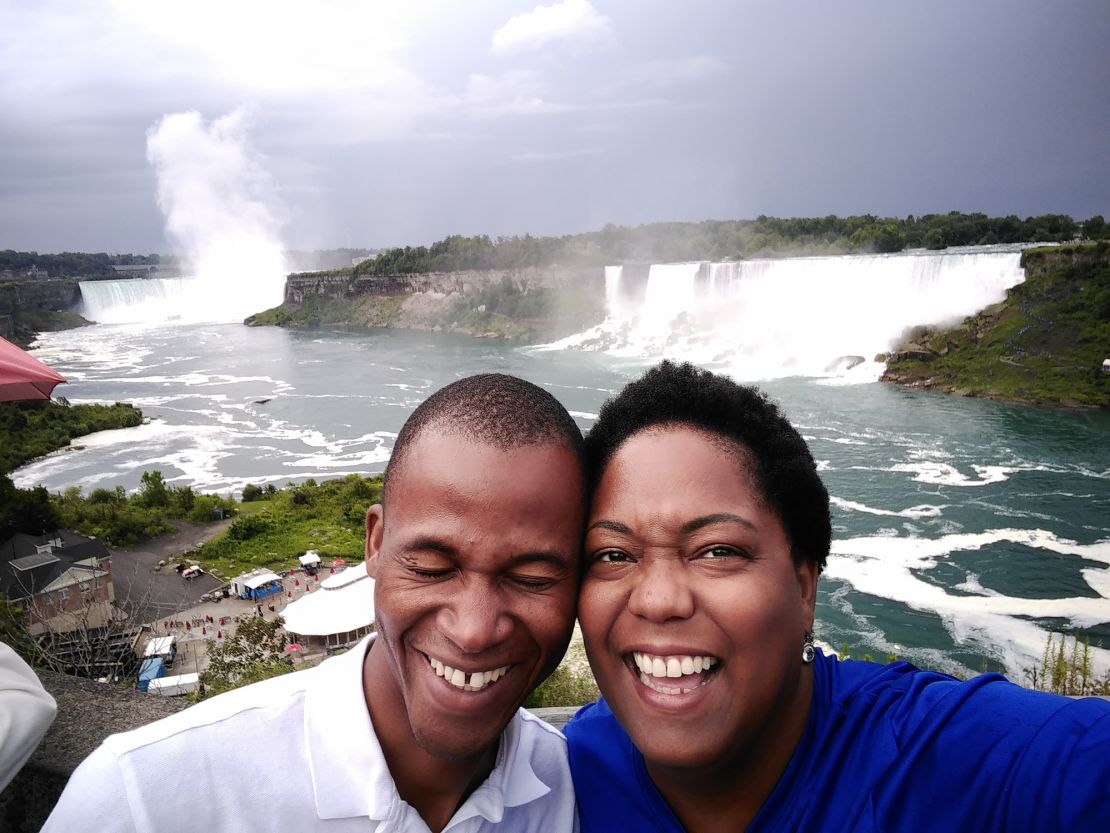
Their story provides a factual and heartening look at how global mobility, when fueled by personal connection and shared values, can lead to the successful formation of a multicultural household. While their experience is unique, it aligns with broader trends of digital-age romance and the increasing ease of international travel that facilitates cross-cultural unions.
As of the current period, the family resides in Ottawa. Décoste continues her work as a specialist in diversity and inclusion, while Orogbo has focused on his academic pursuits. Their narrative remains a subject of interest for those exploring themes of the African diaspora, the psychology of immigration, and the enduring power of spontaneous human connection in an increasingly connected, yet often fragmented, world. Their life together serves as a practical example of how individual agency—the decision to take a chance on a stranger—can alter the course of an entire family history.