Medicaid Cuts and Healthcare Access Take Center Stage in High-Stakes California Congressional Battle

BAKERSFIELD, Calif. — For as long as 41-year-old Ulises Hernandez can remember, Medicaid has served as his primary lifeline for medical coverage. However, a routine dental procedure in September turned into a harrowing ordeal when a dental crown accidentally slipped down his throat. The resulting medical emergency forced Hernandez to endure an agonizing eight-hour wait in a local emergency room, followed by more than two days without food or water. Sitting in his wheelchair outside the Bakersfield district office of Republican U.S. Representative David Valadao, Hernandez protested looming federal Medicaid cuts, describing his hospital ordeal as an ominous preview of a deteriorating healthcare landscape.
"I couldn’t eat, I couldn’t drink, I couldn’t do anything, and I was in pain," said Hernandez, who had been discharged from the hospital just days prior to the demonstration. "I’m livid."
Hernandez’s frustration is directed squarely at Rep. Valadao, whom he believes "should be ashamed of himself" for casting a vote in favor of the Republican-backed One Big Beautiful Bill Act. The controversial legislation aims to overhaul federal spending and is projected to slash national Medicaid expenditures by more than $900 billion through 2034. The law introduces sweeping structural changes, including stricter eligibility criteria, biannual verification checks, and reduced federal matching funds sent to state programs.
Discontented with the incumbent’s legislative record, Hernandez plans to cast his ballot for Democratic challenger Randy Villegas. In doing so, Hernandez hopes to tip the scales in this competitive Central Valley toss-up district—where approximately 60% of constituents rely on Medicaid—and ultimately help Democrats reclaim control of the U.S. House of Representatives.
A Vulnerable Central Valley District Facing High Unemployment
Bakersfield is a proud oil town where pump jacks rhythmically nod on the horizon and wide streets carve through an arid landscape. The nearby Kern River bed often lies dry, its waters systematically diverted to nourish the sprawling agricultural fields that define the region’s economy. While the area serves as a vital agricultural and petroleum hub, it simultaneously grapples with persistently high unemployment rates, making safety-net programs like Medicaid essential to community survival.
Politically, the district has long defied simple categorization. Democrats have maintained a double-digit registration advantage over Republicans here since Valadao was first elected to the House in 2012. Yet, Valadao has managed to win six of his seven congressional bids. According to Jeffrey Cummins, a political science professor at California State University-Fresno, the congressman has historically survived by hyper-focusing on local, constituent-driven concerns—such as regional water infrastructure—while carefully distancing himself from national controversies, including the Trump administration. Notably, Valadao remains the sole surviving Republican House incumbent who voted to impeach Donald Trump following the January 6, 2021, attack on the U.S. Capitol and is still running for reelection.
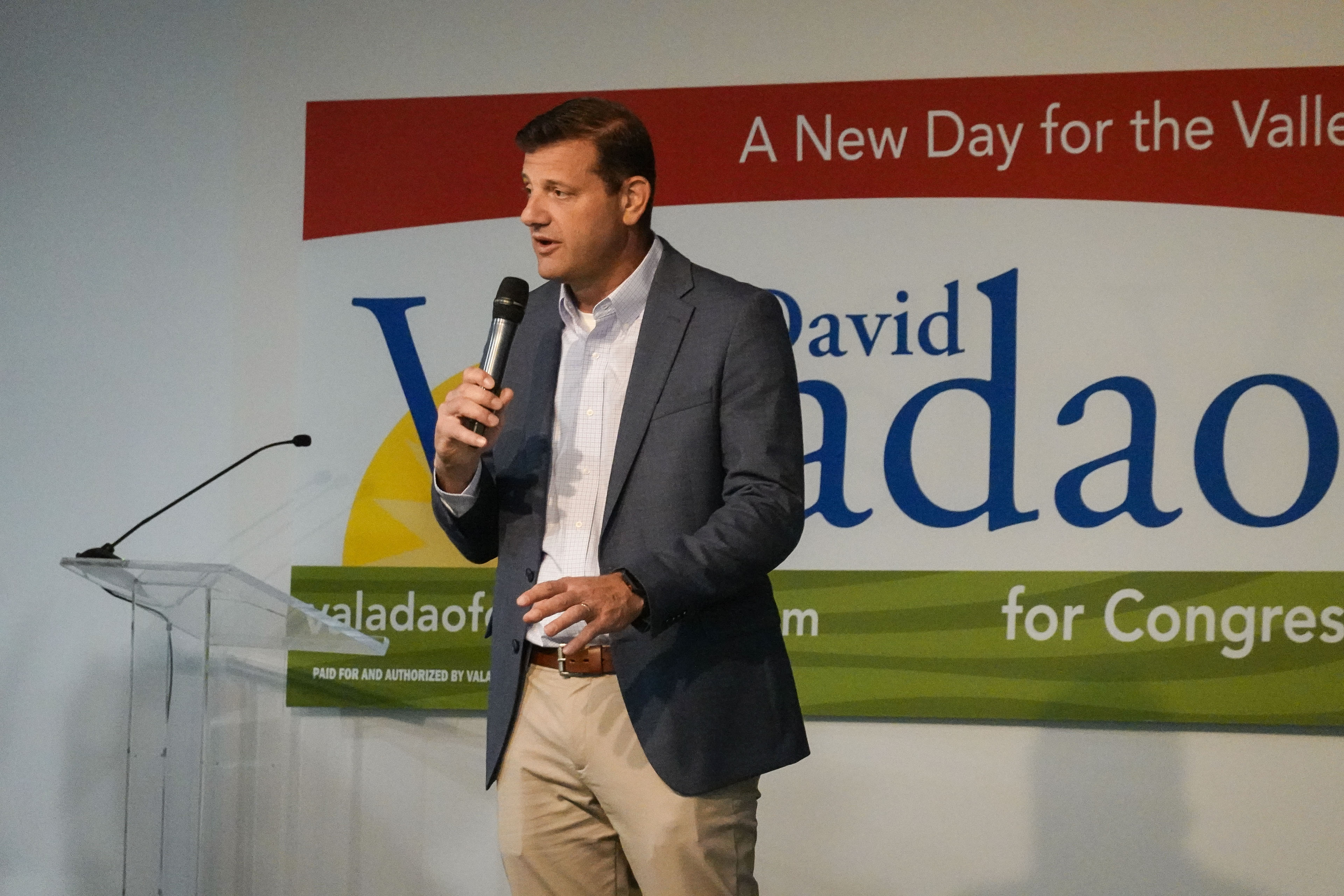
"This is an area where, even when we see the registration advantage for Democrats, they are moderate Democrats who tend to be concerned with agricultural issues, and Valadao in the past has successfully appeased those voters," Cummins observed.
However, the political topography of the region shifted dramatically last year following a mandated congressional map redrawing as part of a national redistricting battle. Valadao’s Central Valley seat is now widely considered significantly more favorable to Democratic candidates. Cummins noted that a shifting demographic mix, combined with widespread voter fatigue and frustration toward congressional incumbents, creates a ripe environment for a potential upset.
"Valadao knows that he’s on notice," Cummins said.
The National Healthcare Debate and Local Campaign Strategy
Healthcare affordability consistently ranks as a top-tier concern for American voters nationwide. Recent polling data underscores a persistent political vulnerability for Republicans on the issue; a KFF tracking poll conducted in September revealed that voters trust Democrats over Republicans by a decisive 2-to-2 margin when it comes to managing healthcare costs and policy.
Valadao’s political vulnerability on this front is historical precedent. He previously lost his seat in the 2018 midterm elections when Democratic opponents successfully targeted his past votes aimed at repealing the Affordable Care Act (ACA), alongside his affiliation with national Republican leadership. On November 3, he faces a stern challenge from Villegas, a political science professor and populist candidate endorsed by progressive Senator Bernie Sanders, who advocates for a single-payer universal healthcare system.
"The system that we have now, we pay twice as much as other countries across the world, despite the fact that we have worse healthcare outcomes," Villegas argued during a televised debate on October 6, leveraging the issue to rally working-class families.
Villegas has fiercely criticized Valadao for supporting legislation that he argues "is going to rip away healthcare from Valley families." Critics point out that many working-age adults in the district will struggle to meet newly instituted work requirements and mandatory eligibility checks—provisions that political analysts note are purposefully scheduled to take effect following the conclusion of the midterm elections.
High-Profile Visits and Divergent Voter Perspectives
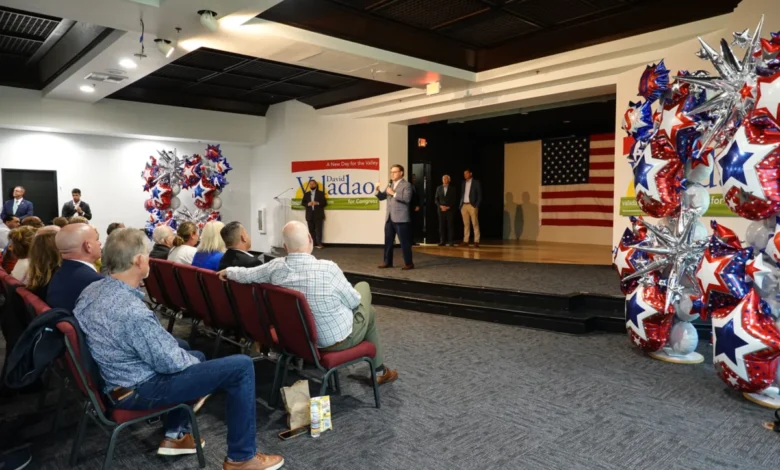
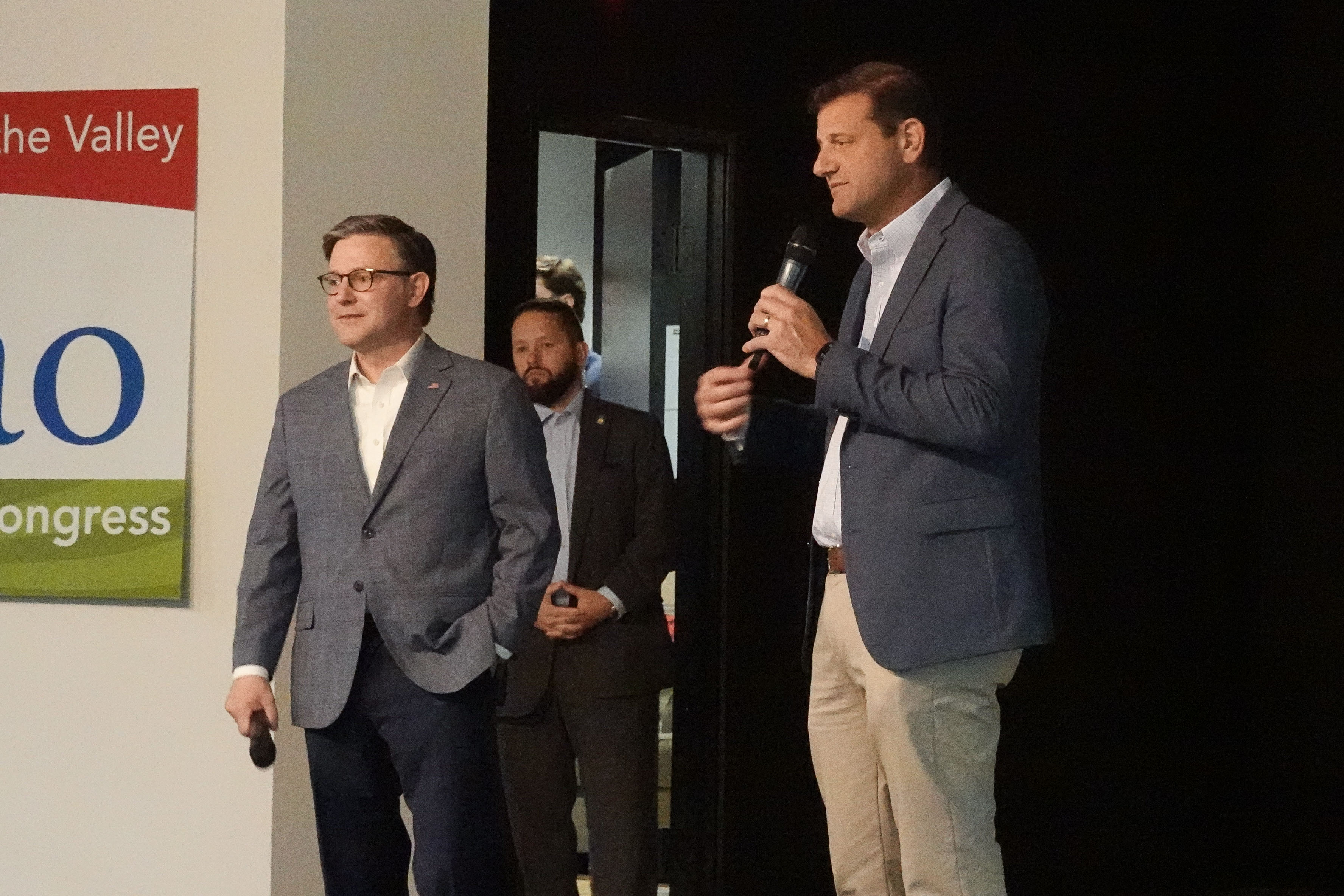
As the general election approaches, national Republican leadership has poured resources into safeguarding the seat. On September 30, Valadao participated in an exclusive, $1,000-a-ticket fundraiser alongside House Speaker Mike Johnson. Johnson embarked on an aggressive six-week swing across 22 states to shore up the Republican majority in the House. Following the private fundraiser, members of the press were permitted to attend an invitation-only campaign event held in an office building just outside Valadao’s targeted district, where the stage was framed by patriotic red, white, and blue star-shaped balloons.
Notably, neither Valadao nor Speaker Johnson addressed Medicaid or the rising cost of healthcare during their public remarks to the roughly 50 attendees. When approached by reporters following the speeches, Valadao repeatedly declined to answer questions regarding his vote for the One Big Beautiful Bill Act or its projected impact on his constituents’ healthcare coverage, dismissing the inquiries by stating, "I think you are distorting the truth."
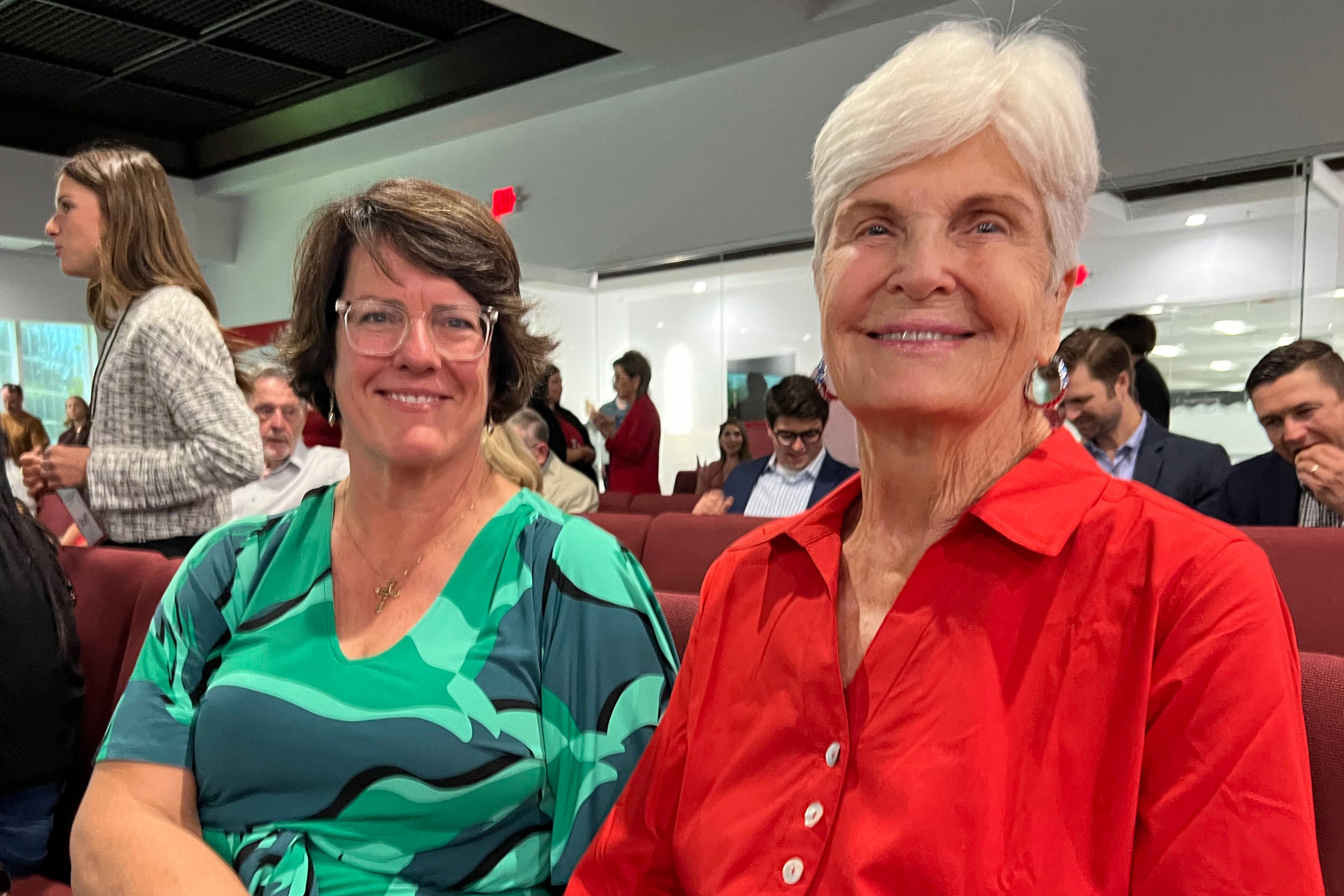
Interestingly, interviews with attendees revealed that none of the roughly 50 guests present at the private event actually lived within Valadao’s congressional district. Among them was retired nurse Charlotte Brandt, who traveled from a neighboring Republican-held district represented by Vince Fong. Brandt described Valadao as "a hero for the Central Valley," praising his legislative efforts concerning water rights, oil production, and agricultural support, which she views as vital to sustaining Kern County as a global agricultural powerhouse.
Her daughter, Allison Brandt Oliver, echoed her sentiment and expressed strong support for the stricter Medicaid eligibility thresholds enacted by congressional Republicans. Oliver argued that public spending should be strictly prioritized for U.S. citizens who actively contribute to the domestic economy.
Valadao defended these provisions during the October 6 televised debate, noting that he actively participated in negotiations to secure community engagement mandates within the final legislation. These rules require certain non-elderly, non-disabled adults to demonstrate active employment, job training, or community service to maintain their coverage.
"It’s not an actual cut," Valadao insisted during the debate. "We need people to actually put in and make a fair effort to try to cover their expenses and be a part of their community. This is not an unreasonable ask."
Multi-Million Dollar Media Blitz and the Battle for Undecided Voters
The strategic importance of the Central Valley seat cannot be overstated, a reality reflected in unprecedented campaign expenditures. According to data compiled by media tracking firm AdImpact, both political parties and their respective aligned political action committees have collectively booked more than $32 million in television and digital advertisements in the district through Election Day.
"When you start getting over $10 million of spending total in the district, I would say that that’s pretty high," Cummins noted, illustrating the sheer financial intensity of the localized race.
This immense advertising blitz has permeated daily life for local residents in unexpected ways. Seslie Maese, a stay-at-home mother from Bakersfield, noted that campaign commercials frequently interrupt her young son’s routine while watching educational videos online. Though her 7-year-old child inadvertently repeats political slogans without understanding their context—such as shouting that the congressman is "going on vacation again"—Maese remains deeply conflicted.
Despite being a registered Republican, Maese remains undecided as Election Day approaches, stating that the political reality surrounding the incumbent’s legislative record does not align with her expectations, particularly regarding healthcare access. For Maese, the discrepancy between political rhetoric and tangible policy outcomes serves as a decisive factor.
"He just hasn’t come through with anything he said," Maese remarked, expressing widespread local anxiety over the future of regional healthcare infrastructure, "especially since he cut off a lot of Medicaid."
Broader Policy Implications and Statewide Impact
Independent policy analysts and think tanks warn that the legislative changes championed by congressional Republicans carry profound implications for California’s healthcare landscape as a whole. According to projections from the left-leaning Center for American Progress, an estimated 60,000 residents within Valadao’s specific district could find themselves entirely stripped of healthcare coverage by 2034. This projected loss is attributed to the combined effects of the new federal tax-and-spending law and the scheduled expiration of enhanced premium tax credits originally established for Affordable Care Act insurance plans.
On a statewide level, public health researchers estimate that the stricter federal eligibility mandates and funding reductions will ultimately push more than 2 million Californians off their existing healthcare coverage. Furthermore, economic forecasts indicate that California stands to forfeit approximately $30 billion annually in federal healthcare funding—a financial blow larger than that projected for any other state in the nation.
As voters prepare to head to the polls on November 3, the contest in California’s Central Valley transcends a traditional partisan showdown. It has crystallized into a referendum on the future of the American social safety net, balancing arguments of fiscal responsibility and community engagement against the stark, daily realities of working-class families struggling to maintain access to basic medical care.