Emerging Gang Violence Among Somali-American Youths Challenges Law Enforcement and Resettlement Experts in Minnesota

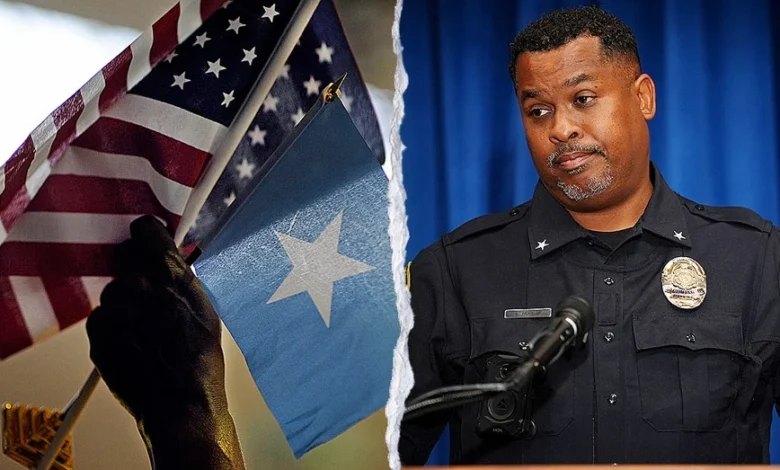
A disturbing wave of high-intensity gunfire across suburban Minneapolis-St. Paul has forced local law enforcement agencies, community leaders, and immigration policy experts to confront a complex and unexpected phenomenon. More than 100 rounds fired in a residential Minnesota neighborhood have laid bare a troubling trend: second-generation Somali-American youths, often hailing from financially secure and well-resourced households, are escalating routine online disputes into lethal street gang violence.
Unlike traditional street gangs driven primarily by narcotics distribution, territorial drug trade, or direct financial enrichment, these emerging groups defy standard criminal profiles. Law enforcement officials report that the suspects possess stable home environments and economic resources, leaving investigators grappling for underlying motivations. As authorities race to curb the violence before it evolves into a more entrenched institutional threat, the incidents have reignited a national debate over refugee resettlement policies, cultural assimilation, generational dynamics, and the responsibilities of local institutions.
Anatomy of the Violence and Law Enforcement Response
The immediate catalyst for the heightened scrutiny came from a late-night gunfight in Bloomington, Minnesota, where over 100 rounds were discharged in a residential area, resulting in at least one reported injury. The incident was not an isolated occurrence, but rather part of a broader string of violent exchanges across the Twin Cities suburbs that left neighborhoods rattled and police searching for answers.
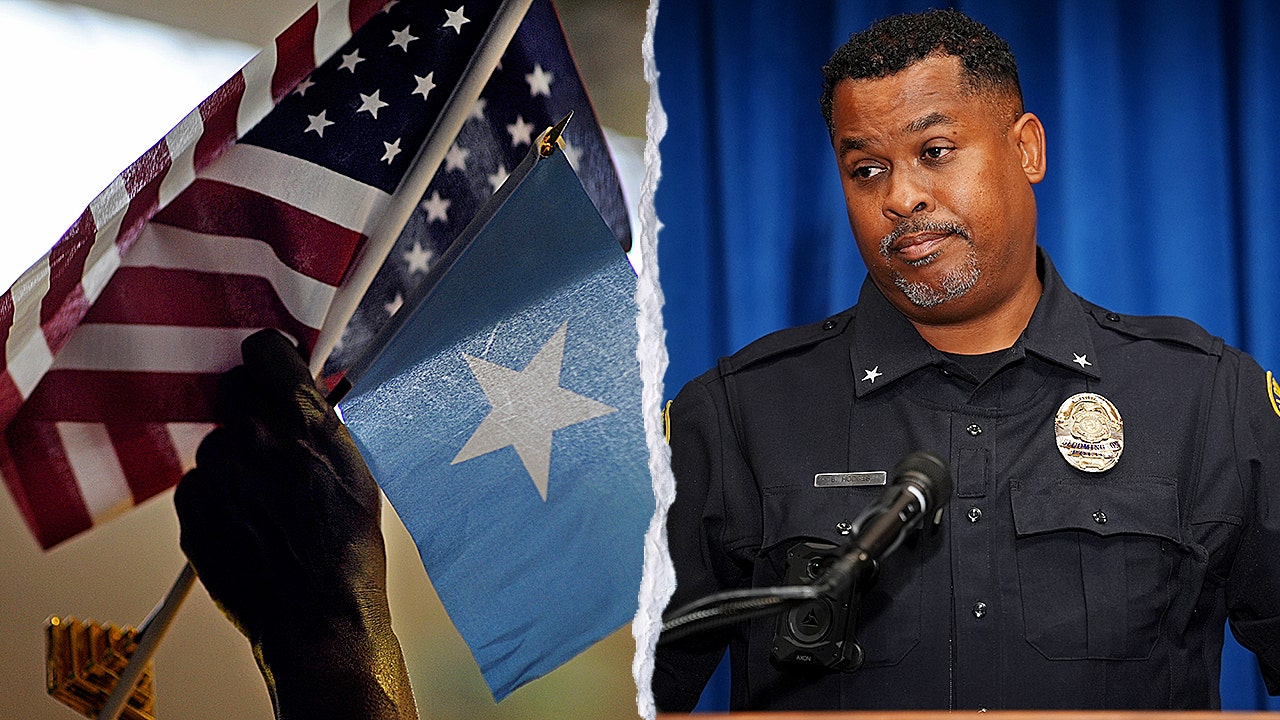
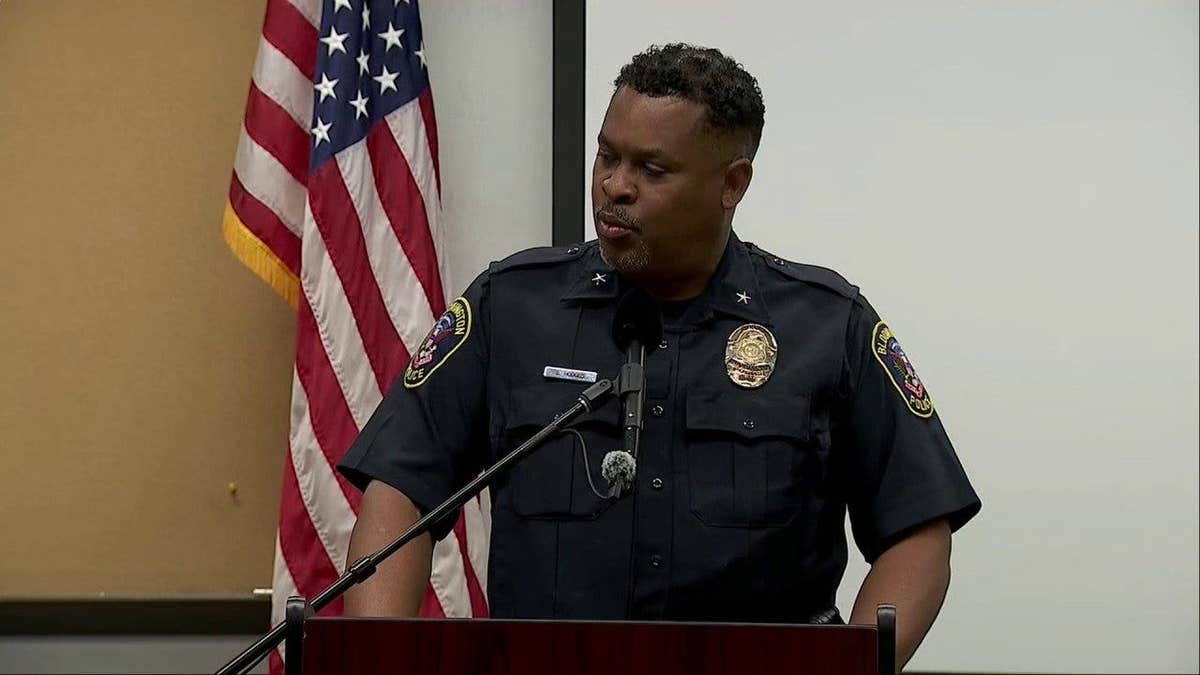
Bloomington Police Chief Booker Hodges expressed profound frustration during public briefings regarding the elusive nature of the suspects’ motives. In interviews with digital media outlets, Hodges noted that the youths involved come from established families with adequate financial backing and resources. When pressed on whether traditional drivers such as narcotics or organized monetary gain were at play, Hodges admitted that investigators lack a clear explanation, stating that online altercations are frequently escalating directly into high-caliber firearm battles.
Local police departments are actively shifting tactical resources and task force personnel toward tracking these digital disputes and intercepting retaliatory violence. However, Hodges also raised concerns regarding local judicial frameworks, questioning whether Hennepin County prosecution policies and pretrial release guidelines might inadvertently limit the effectiveness of law enforcement interventions. Emphasizing the sheer recklessness of the recent gun battles, Hodges pointed out that the outcome could have been catastrophic had the exchanges occurred during daylight hours when families and children were outdoors.
Historical Context of the Somali Diaspora in Minnesota
To understand the current social landscape of Minnesota’s Somali community, analysts look back at decades of geopolitical instability in East Africa. For generations, Somalia endured devastating civil wars, clan-based violence, and the collapse of central government authority, a period categorized by the United Nations as a failed-state crisis until the mid-2010s. The global resonance of conflicts—exemplified by the 1993 Battle of Mogadishu, famously depicted in the film "Black Hawk Down"—displaced hundreds of thousands of civilians, prompting massive waves of international migration.
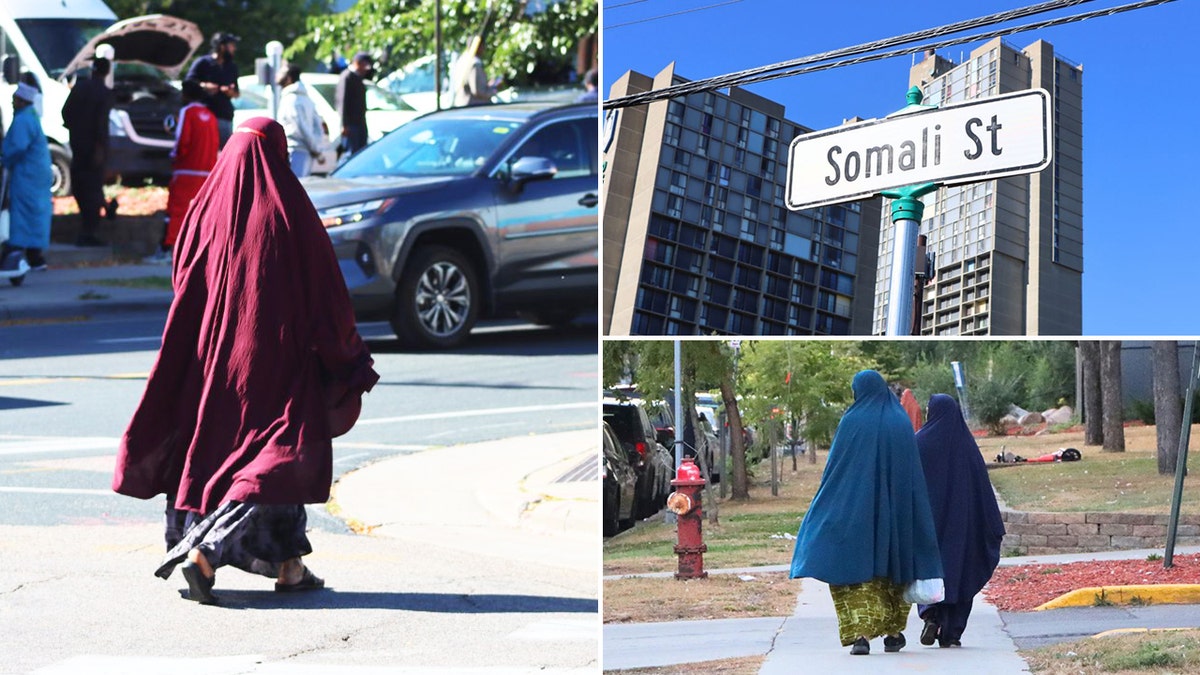
Federal data indicates that between 2001 and 2023, more than 111,000 Somali refugees were admitted to the United States through official resettlement programs spanning multiple presidential administrations. While communities established roots in metropolitan areas across New York, Ohio, and Texas, Minnesota rapidly emerged as the primary cultural and demographic hub. Neighborhoods like Minneapolis’s Cedar-Riverside—frequently referred to as "Little Mogadishu"—became vibrant centers for the diaspora, housing thriving businesses, religious institutions, and community organizations.
The Resettlement and Assimilation Debate
The emergence of youth violence within this population has reignited a polarized discussion among policy experts regarding the efficacy of federal and local refugee resettlement strategies.
Jessica Vaughan, director of policy studies at the Center for Immigration Studies, argues that historic resettlement policies contributed indirectly to the challenge by encouraging geographic clustering. According to Vaughan, while clustering provided necessary initial support for a vulnerable and traumatized population, it simultaneously reduced the immediate incentives for broad civic assimilation. She suggests that prioritizing the preservation of homeland culture over integration created insular communities that function as separate societies within the broader Minnesota framework, complicating the transmission of mainstream social norms across generations.
Conversely, sociological experts urge caution against broadly characterizing an entire ethnic community based on the actions of a distinct minority subset. Dr. Tomás Jiménez, a sociologist at Stanford University, views the phenomenon through the lens of generational adaptation rather than a failure of integration. Jiménez notes that historical immigrant groups—including Italian, Irish, Mexican, and Salvadoran populations—frequently experienced youth gang activity and localized criminality during their respective periods of second-generation adjustment, even as their broader communities achieved long-term economic and educational mobility.
This historical perspective is reinforced by Donald Tricarico, an immigration scholar at Queensborough Community College. Tricarico draws direct parallels to the Italian-American immigrant experience in New York, where chain migration led families from identical overseas villages to settle in close-knit urban enclaves. Tricarico emphasizes that assimilation is an evolutionary "slow crawl" spanning decades rather than a sudden transformation, noting that distinct ethnic neighborhoods and cultural cohesion persisted among European immigrant groups well into the late 20th century. Furthermore, law enforcement officials have explicitly clarified that unlike the historical Sicilian Mafia, which maintained direct overseas criminal syndicates, the current violence in Minnesota bears no connection to active clan warfare or transnational organized crime networks originating in Somalia.
Community Perspectives and Internal Accountability
Within the Somali-American community itself, leaders, educators, and religious figures have offered candid appraisals of the societal pressures facing younger generations.
During a community press conference in Eden Prairie, Somali-American educator Fardousa Yossuf pointed to socioeconomic realities, noting that immigrant parents working grueling schedules to achieve financial stability often face severe time constraints, which can lead to supervision gaps. Yossuf expressed dismay that youths raised within households emphasizing traditional Islamic values and community respect could turn to indiscriminate gun violence.
Imam Yusuf Abdulle firmly rejected the notion that the shootings should be isolated as an insular ethnic crisis. In media interviews addressing the community response, Abdulle emphasized that the individuals involved are primarily second-generation youths born and raised within the American social fabric. "These kids are Americans. They’re born and raised here," Abdulle stated, framing the crisis as a localized community and youth development issue rather than a foreign transplant.
Broader Implications and Future Outlook
As federal and local authorities continue to monitor the situation, policy analysts emphasize the necessity of proactive intervention before loosely organized cliques evolve into sophisticated transnational criminal enterprises akin to MS-13. Security experts argue that mitigating this trend requires a multi-faceted approach involving targeted community policing, increased institutional engagement from educational facilities, and expanded resources for family support systems within suburban and metropolitan enclaves alike.
While investigators continue to map the digital networks fueling these retaliatory firefights, the situation in Minnesota underscores the intricate challenges of modern integration, generational identity, and public safety. For law enforcement agencies and community leaders alike, the urgent priority remains interrupting the cycle of violence before another residential neighborhood is caught in the crossfire.