Federal Policy Shifts and Bureaucratic Hurdles Collide as Millions Lose Food Assistance Across America

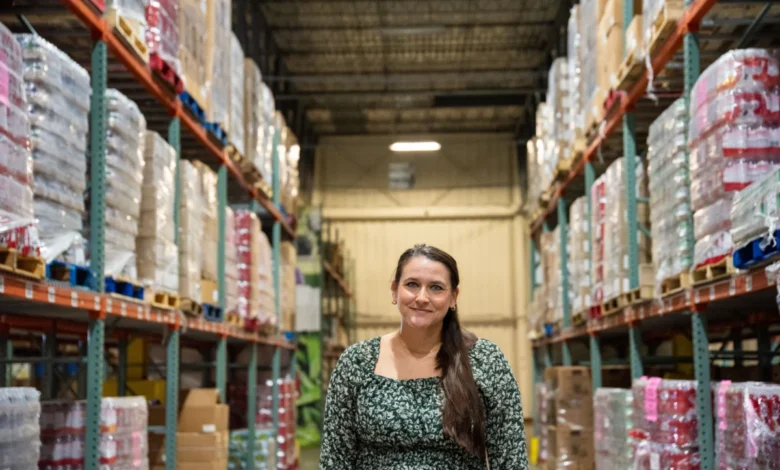
More than a year after the passage and signing of the One Big Beautiful Bill Act, the landscape of federal food assistance in the United States has undergone a dramatic and unprecedented contraction. Across the nation, enrollment in the Supplemental Nutrition Assistance Program (SNAP)—historically known as food stamps—has experienced a precipitous decline as state agencies rush to implement rigorous new eligibility restrictions while absorbing heavier operational and financial burdens.
National estimates indicate that roughly 5 million fewer people, representing a 13% drop in overall participation, were enrolled in SNAP this June compared to July 2025, when the federal legislation was officially enacted. This swift reduction marks one of the most significant downward shifts in the program’s history, raising alarms among public health officials, policy analysts, and anti-hunger advocates who warn that vulnerable populations are increasingly falling through the cracks of a strained social safety net.
State-Level Pressures and the Louisiana Case Study
While the decline is nationwide, its impact has been acutely felt in Southern states with high baseline rates of poverty and food insecurity. Louisiana, for instance, has experienced one of the steepest drops in the country. Federal data reveals that the state shed approximately 170,000 enrollees, amounting to a staggering 21% decrease in its total SNAP population over the span of a single year.
This contraction coincides with persistent economic pressures on households. According to the U.S. Department of Agriculture (USDA), consumer food prices climbed nearly 3% between August 2025 and this August, compounding the financial strain on low-income families who rely on nutritional assistance to stave off hunger.
The sudden and profound drop in enrollment has caught the attention of researchers who track food security trends. Joseph Llobrera, senior director of research on food assistance at the left-leaning Center on Budget and Policy Priorities, noted the historic nature of the trend. "We haven’t seen a decline of this magnitude in about three decades," Llobrera stated, pointing to the combination of stricter federal mandates and administrative bottlenecks as the primary drivers of the shift.
A Timeline of Legislative Overhauls and Shifting Costs
The legislative mechanism behind these changes stems from the One Big Beautiful Bill Act, which fundamentally reshaped the architecture of the federal-state partnership that underpins SNAP. Among its most consequential provisions, the law instituted stricter work requirements, narrowed the criteria under which states can secure waivers for those requirements, and revoked SNAP eligibility for many noncitizens holding legal status.
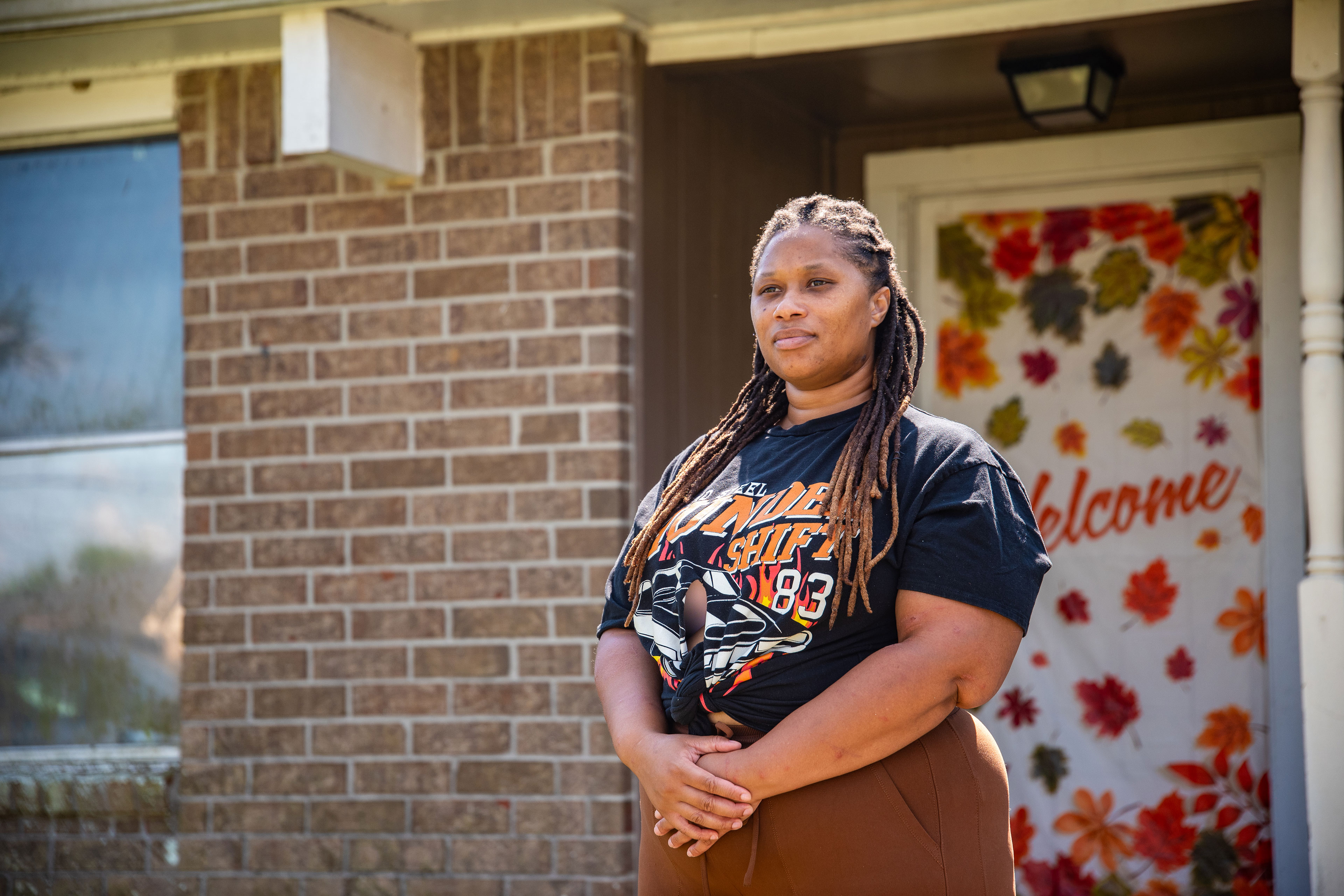
Furthermore, the legislation initiated a dramatic cost-shifting strategy. Traditionally, the federal government—through the USDA—and the states split the administrative costs of running SNAP on a 50-50 basis. However, under the new law, states were required to shoulder 75% of administrative expenses starting October 1.
The financial pressure is slated to intensify further. Beginning in October 2027, states may be required to cover a portion of the actual cost of SNAP benefits—a burden previously borne entirely by the federal treasury. The exact financial penalty or contribution demanded of each state will be directly tied to its "payment error rate," which measures how frequently an agency overpays, underpays, or improperly processes enrollees. Under this new formula, the higher a state’s error rate, the greater its financial liability for benefit costs.
In Louisiana, economic forecasts highlight the alarming potential scale of this liability. An analysis by the Food Research & Action Center suggests that Louisiana could be forced to cover up to $199 million in benefit costs, driven largely by an error rate that ticked upward from 6.62% in fiscal year 2024 to 8.14% in fiscal year 2025.
The Race to Lower Error Rates and Procedural Denials
To avoid catastrophic financial penalties and shield their state budgets from absorbing millions of dollars in federal costs, state agencies across the country have engaged in what policy experts describe as a frantic effort to drive down error rates. In practice, this has translated into an aggressive push for more frequent and extensive documentation from applicants.
"The pressure that states feel now to really get their error rates down is pushing states to just ask for a lot more verification and more frequently," Llobrera explained.
However, this administrative tightening has created a vicious cycle. State agencies, often operating under severe staff shortages and tight timelines, are tasked with processing an overwhelming volume of complex paperwork. The result is an increased likelihood of bureaucratic errors, delayed application processing, and the mass closure of files due to missed deadlines.
Data from the Louisiana Department of Health illustrates this dynamic clearly. Between July 2025 and June 2026, roughly 75% of individuals who lost their SNAP benefits did so for procedural reasons rather than a verified loss of eligibility. When applicants fail to navigate bureaucratic hurdles—such as missing strict deadlines for income verification, failing to receive notices due to mail delays, or missing mandatory recertification interviews—their cases are summarily closed.
Tia Fields, a safety net policy analyst for the nonpartisan think tank Invest in Louisiana, emphasizes that these procedural drop-offs do not mean the individuals have stopped needing help. "Families are still hungry, and they’re actually eligible for the program," Fields noted. "This is a tax bill that we really cannot afford." Fields points out that the sudden demand for state-level funding contributes simultaneously to state budget shortfalls and the systemic denial of aid to families legally entitled to it.

Real-World Consequences for Vulnerable Families
Behind the macro-level data and policy debates lie the personal realities of individuals attempting to navigate the restructured system.
Aaranika Macon, a resident of LaPlace, Louisiana, relied on SNAP benefits for over three years while raising her son, even maintaining eligibility as she began nursing school. However, when she briefly took a healthcare job to make ends meet, her hours and earnings disqualified her from the program. Juggling work and rigorous coursework proved unsustainable, and when her academic performance began to slip, Macon made the difficult decision to leave her job to focus entirely on her education.
Reapplying for SNAP in February, Macon expected a routine turnaround. Instead, she waited two months without assistance, far exceeding the 30-day statutory window mandated by the Food and Nutrition Act of 2008. When her application was finally approved in April, the benefit calculation had changed. Citing her student status—despite taking the exact same course load as the previous year—state caseworkers deemed Macon herself ineligible. Only her 11-year-old son was approved for aid.
Consequently, the household allotment dropped from approximately $500 a month to just $298. Macon describes the constant struggle of stretching limited resources, recounting a period this summer when she was forced to stretch a mere $5 balance on her EBT card across six days. "I’m in the same position as before the job. So, why is it cut?" Macon asked. "You’ve got to fight to communicate with them."
The Strain on Charitable Food Networks
As federal safety net programs contract, community-level food banks are experiencing an unprecedented surge in demand. Lindsay Hendrix, chief impact officer for Second Harvest Food Bank in southern Louisiana, reports that food insecurity in the region has been on an upward trajectory for years. Data from Feeding America previously documented a 14% increase in food insecurity across Louisiana between 2022 and 2024, a trend that has only accelerated since the implementation of the One Big Beautiful Bill Act.
"What we’re seeing is actually that more of our neighbors are coming to the food pantries longer than they used to before, and the frequency of their visits have increased," Hendrix said.
Hendrix highlighted the precariousness of relying on charitable organizations to fill systemic gaps in government aid. During a previous government shutdown that temporarily halted federal SNAP distributions, political figures frequently directed citizens to local food banks. Hendrix and her peers across the nation were quick to push back against that narrative, noting that charitable infrastructure simply lacks the capacity to absorb the scale of federal nutrition programs.
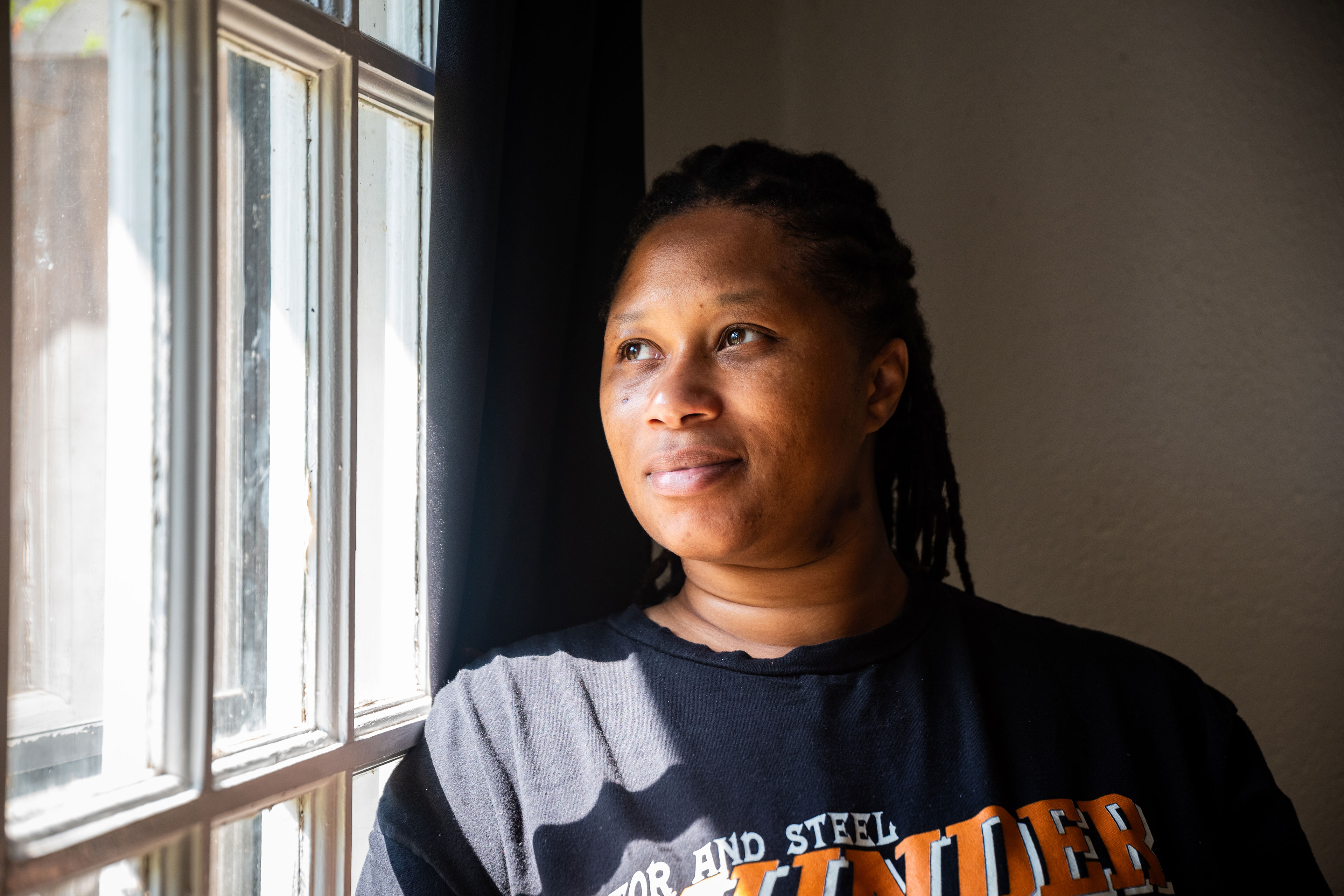
"We could not absorb that level of need without that program operating at its best, most effective level," Hendrix stressed, emphasizing that food banks are designed to complement, not replace, government assistance.
Legislative Battles and the Ongoing Debate in Congress
Recognizing the impending fiscal and humanitarian crisis, a coalition of elected officials, policy analysts, and anti-hunger advocates has turned its attention to Capitol Hill, lobbying lawmakers to delay the cost-shifting provisions currently embedded in federal law.
Advocates are pressing Congress to insert a two-year delay into the pending Farm Bill negotiations. They argue that states need a transitional buffer to modernize their administrative infrastructure, lower error rates through system improvements, and avoid harsh financial penalties before bearing the weight of funding federal nutrition benefits.
The legislative path forward remains uncertain. In September, the Senate Committee on Agriculture, Nutrition, and Forestry advanced a new Farm Bill proposal to the full Senate that would grant states a one-year reprieve, shifting the liability and penalty timeline from 2027 to 2028. However, this compromise still leaves intact the requirement for states to pay 75% of administrative costs immediately.
While Senate Democrats, led by lawmakers such as Sen. Amy Klobuchar of Minnesota, have continued to advocate for a more robust two-year delay, committee leaders are navigating deep partisan divides. Committee Chairman Sen. John Boozman (R-Ark.) expressed optimism on an agricultural podcast in September, indicating that negotiations would stretch through the autumn months with the ultimate objective of passing a finalized Farm Bill through both chambers of Congress before the end of the year.
Meanwhile, national surveys underscore the severity of the stakes. A spring survey conducted by the American Public Human Services Association revealed that at least four states have weighed the possibility of pausing or entirely withdrawing from SNAP if forced to assume the full financial burden of benefit costs.
While policy experts believe a complete state withdrawal from SNAP remains unlikely in Louisiana due to the catastrophic consequences it would unleash, the state agency’s persistent understaffing and administrative backlogs continue to plague operations. Second Harvest and other regional organizations have stepped in to assist applicants with paperwork, attempting to bridge the gap left by overwhelmed state personnel.
For analysts like Fields, the path forward requires a pragmatic acknowledgment of administrative realities. "We just have to work out the kinks again," Fields concluded. "That’s why we’re asking for that cost shift delay, so that the agency can have the opportunity to get it right and to keep the families fed here in Louisiana."
Related posts: