The logistics of modern parenting and the evolution of public errands for families with young children

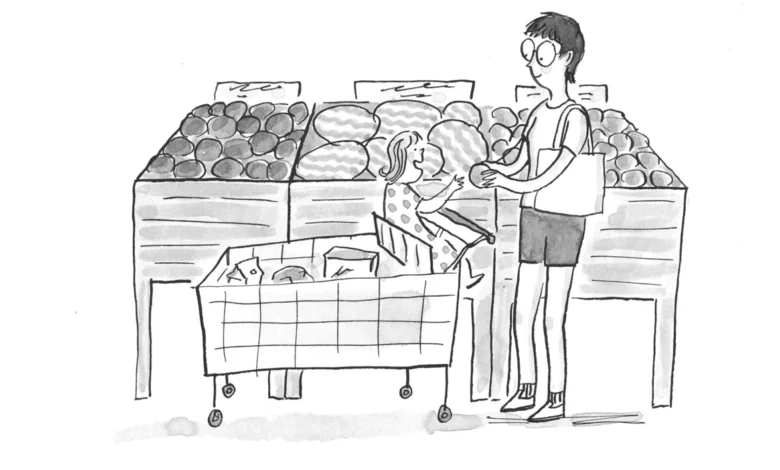
The transition from the relative seclusion of the newborn phase to the public sphere of grocery shopping and errands represents a significant developmental milestone for both children and parents. As contemporary families navigate the complexities of managing multiple children, the retail environment has become an unexpected focal point for community interaction, parenting strategies, and the pursuit of efficiency. Data suggests that the approach to these outings is deeply influenced by family structure, with parents of twins and multiple children reporting unique logistical challenges that necessitate specific retail adaptations.
The Evolution of Family Errands
For many parents, the decision to bring young children to a grocery store is a process of gradual desensitization and strategic planning. Recent qualitative data gathered from parenting communities indicates that the first 12 to 18 months of a child’s life are often characterized by a "division of labor" approach to domestic chores. Many families report relying on grocery delivery services or splitting household duties so that one parent manages the shopping alone, thereby minimizing the stress of public outings with infants.
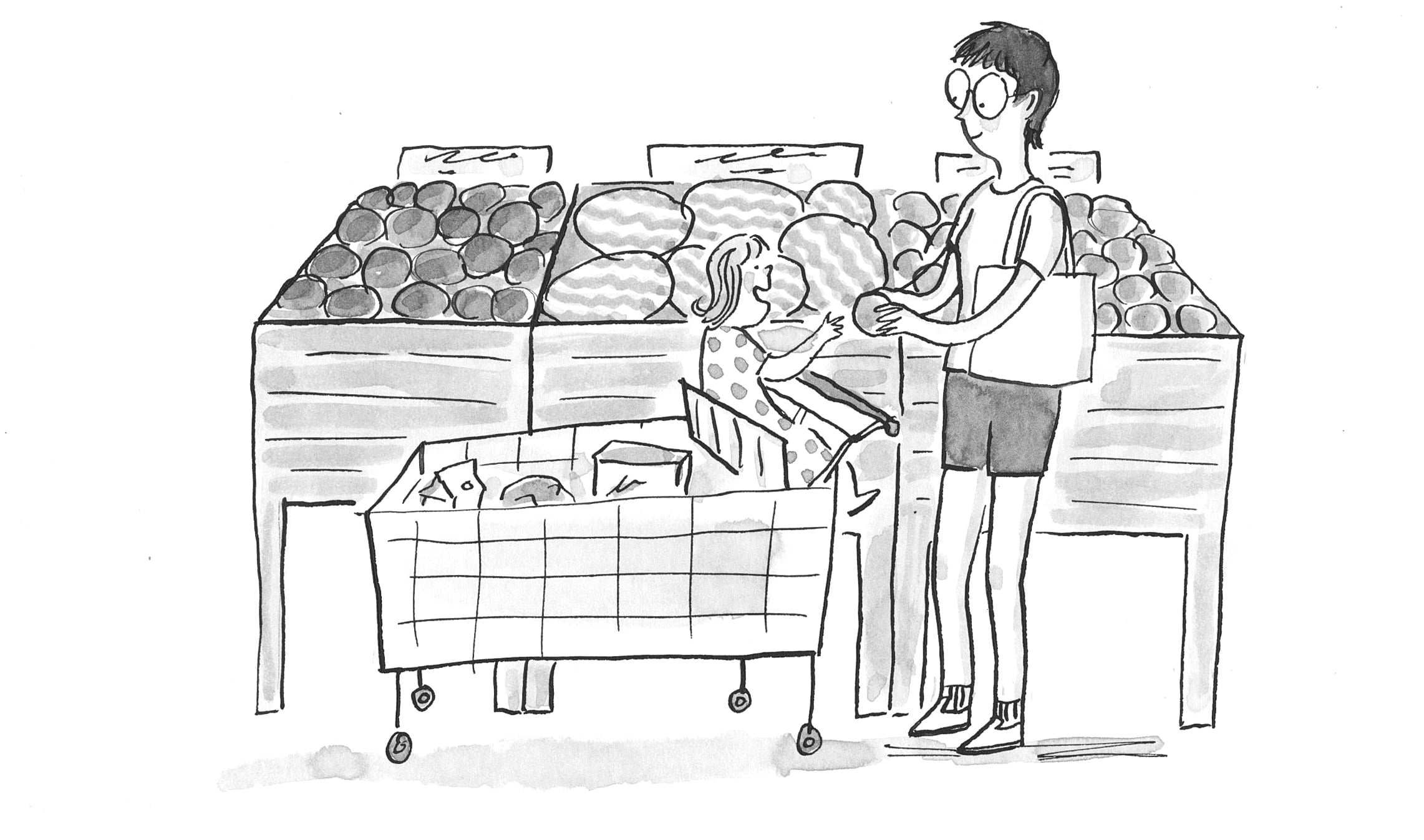
This period of separation often stems from concerns regarding exposure to pathogens, the physical constraints of infant car seats, and the inherent difficulty of coordinating feeding schedules in public spaces. As children reach the toddler stage, parents report a shift in strategy. The transition from home-based errands to accompanied shopping is frequently described as a "hero’s journey," requiring significant preparation. For parents of twins, this process is intensified; the difference between managing one child versus two is statistically significant in terms of stress levels and required physical labor.
The Role of Retail Environments in Parenting Success
Retail chains that offer expansive floor plans and user-friendly amenities—such as oversized carts with dual-seating capacity—have emerged as preferred destinations for parents managing multiple young children. Industry analysis reveals that the layout of a retail environment significantly dictates the success of a shopping trip. Narrow aisles and point-of-sale displays laden with impulse-buy merchandise are frequently cited as the primary stressors for parents attempting to maintain control in a retail setting.
Conversely, big-box retailers that prioritize open aisles and offer a more streamlined checkout process provide a "low-friction" environment. Parents note that the presence of chatty, engaging staff can transform a potentially volatile checkout experience into a positive social interaction. This creates a psychological "break" for the parent, who often experiences the act of shopping alone or with cooperative children as a reprieve from the isolation of full-time caregiving.

Chronology of Public Exposure for Children
The integration of children into public spaces typically follows a structured progression:
- The Newborn Phase (0–6 Months): Primarily defined by carrier-based outings or intentional avoidance of public shopping to prioritize health and logistical simplicity.
- The Infancy Phase (6–18 Months): Introduction of the shopping cart experience. Parents often utilize "staged" outings, where a secondary caregiver or relative remains nearby to provide assistance if needed.
- The Toddler Phase (18 Months–3 Years): A period of high interaction. Children begin to engage with their surroundings, narrating their environment and attempting to socialize with strangers.
- The Developmental Phase (3+ Years): The shift toward independent participation, where children may assist with tasks, fostering a sense of contribution and responsibility.
Psychological and Social Implications
The social nature of these outings serves a dual purpose. For the child, the grocery store is a laboratory of human interaction. Observations suggest that toddlers often seek to initiate contact with other shoppers, a behavior that ranges from benign social engagement to unpredictable outbursts. For the parent, these interactions serve as a litmus test for social patience. The feedback loop between the public and the parent is critical; positive reinforcement from strangers—such as a simple acknowledgment of the difficulty of managing multiple children—can significantly bolster a parent’s confidence and mental well-being.
However, the "speech environment" within a car or a store also plays a vital role in language development. While some parents report difficulty in maintaining constant verbal engagement with their children, behavioral experts note that silence is not inherently detrimental. A relaxed, quiet atmosphere during errands can foster a healthy emotional bond, allowing children to observe their environment without the pressure of constant stimulation or forced conversation.
Data-Driven Insights on Parenting Stress
A comparative analysis of parents of singletons versus parents of multiples reveals a distinct disparity in stress management. Parents of twins, in particular, emphasize that the presence of even a single child during an errand can feel like a "spa day" in comparison to the intensity of managing multiples. This perspective highlights the cumulative effect of constant vigilance required in public spaces.
Furthermore, the "guilt factor" associated with public outings—whether it stems from a child’s behavior or the parent’s internal anxiety—is a recurring theme in modern parenting discussions. The rise of digital resources and online forums has allowed for the normalization of these struggles, turning what was once a private, isolating experience into a shared communal narrative.
The Future of Family-Centric Retail
As retail brands continue to optimize for efficiency, the "parent-friendly" store model is likely to become a competitive advantage. Retailers that provide clean, spacious, and supportive environments are capturing a loyal demographic of parents who view these trips not just as a chore, but as an opportunity for social and developmental growth.

Implications for the future include:
- Infrastructure Improvements: The standard implementation of double-seated carts and wider aisles in urban and suburban markets.
- Employee Training: Increased emphasis on staff interaction protocols that acknowledge the presence of children and provide a supportive atmosphere for families.
- Community Integration: The creation of more "family-friendly" zones within retail spaces to reduce the anxiety of parents navigating the demands of public commerce.
In conclusion, the act of taking children to the store is a complex logistical operation that reflects broader societal trends in parenting. By prioritizing efficiency, environment, and social support, retailers can significantly alleviate the burdens placed on modern parents, turning the mundane task of grocery shopping into a sustainable and rewarding component of family life. The balance between necessary errand-running and the preservation of parental mental health remains a pivotal issue that necessitates continued attention from both the retail sector and the community at large.