The Nikon Comedy Wildlife Photography Awards Unveils Its 2026 Finalists In a Celebration of Nature and Conservation

While the natural world is frequently documented through the lens of dramatic survival, raw predation, and severe environmental pressures—ranging from the high-stakes dynamics of bear infanticide and carnivorous rodents to the chilling realities of parasitic fungi—wildlife possesses an equally undeniable, lighthearted side. The Nikon Comedy Wildlife Awards has officially unveiled its highly anticipated list of finalists for 2026, showcasing a remarkable collection of humorous, candid, and profoundly human-like moments captured across the globe.
Selected from a staggering pool of more than 10,000 images submitted by photographers representing 112 countries, the finalist gallery provides an immediate reminder of the joy, humor, and unexpected personality found within the animal kingdom. Yet, beneath the viral-ready smiles and perfectly timed gestures lies a deeply serious underlying mission: advancing global wildlife conservation through empathy, humor, and widespread public engagement.
The Evolution and Origins of Comedy Wildlife Photography
The competition’s journey from a localized concept to a premier global platform is rooted in a deliberate strategy to alter how humanity views conservation. The Comedy Wildlife Photography Awards was established in 2015 by professional photographers and passionate conservationists Paul Joynson-Hicks and Tom Sullam. Originating out on the vast, sun-drenched plains of the Serengeti, the founders recognized a distinct fatigue among the general public regarding traditional, often grim environmental messaging.
While reports detailing habitat destruction, illegal poaching, and species extinction are vital for scientific documentation, they frequently induce feelings of despair and helplessness, occasionally resulting in public apathy. Sullam and Joynson-Hicks sought to pioneer an alternative approach. By harnessing the universal language of humor, the competition aimed to disarm audiences, foster a genuine emotional connection with wild animals, and ultimately inspire meaningful behavioral changes in favor of environmental stewardship.
Over the past decade, the initiative has expanded far beyond its modest beginnings. It has matured into a truly global institution that attracts elite professional photographers and talented amateurs alike. As the competition celebrates more than ten years of operation, its leadership continues to scale its ambitions. The goal for the current decade is to broaden its reach, impact larger audiences, and leverage viral humor as a catalyst for rigorous habitat protection.
A Closer Look at the 2026 Finalist Highlights
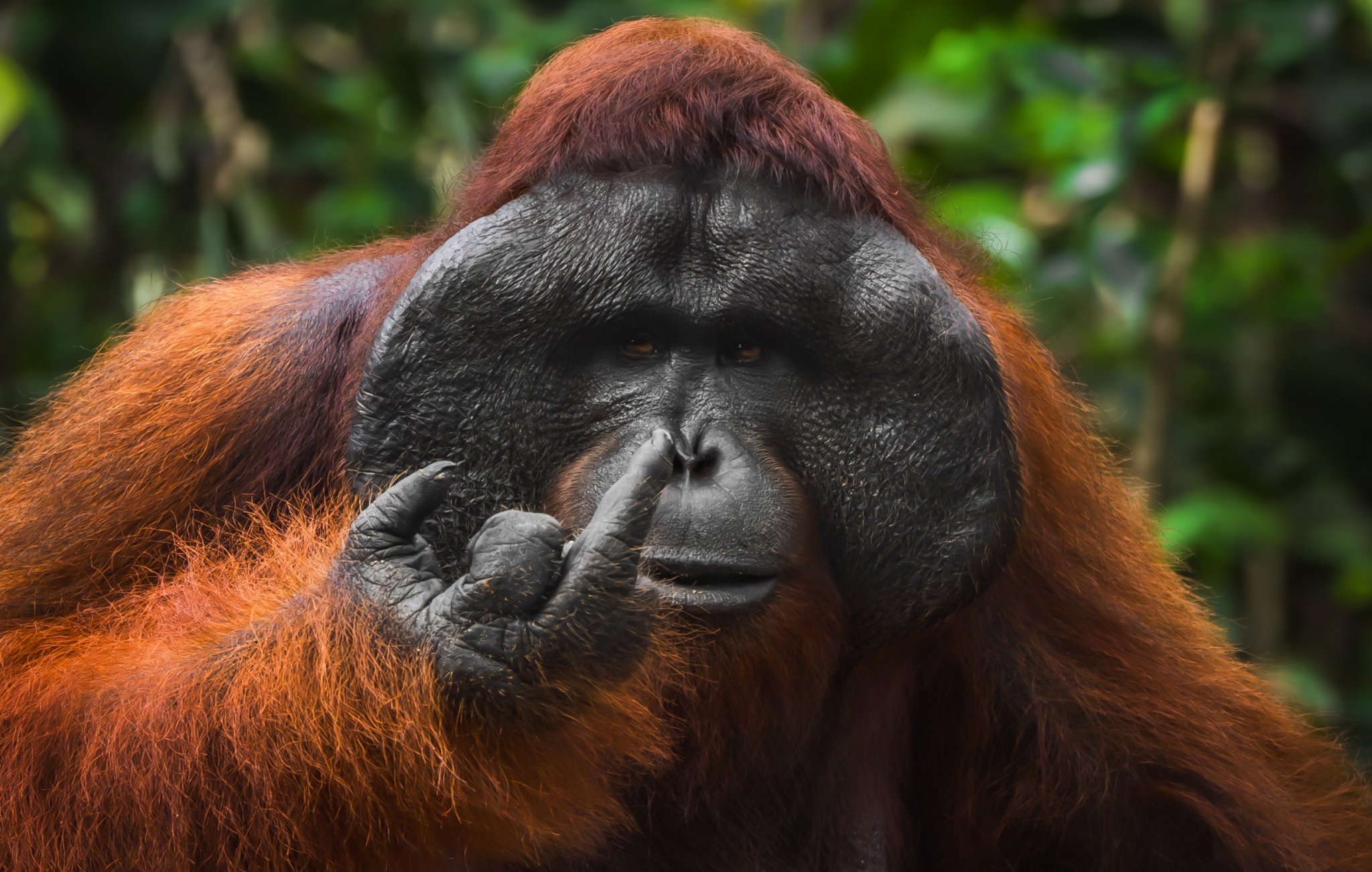
The 2026 finalist selection features an extraordinary array of behavioral captures, each accompanied by clever, descriptive titles that highlight the uncanny parallels between human behavior and the natural world. Among the standout entries is a photograph captured by Tanner Mansell deep within the shrinking rainforests of Borneo. Titled "Orangutan with Attitude," the image depicts a wild orangutan finishing a meal with one finger extended toward the camera lens, creating the uncanny illusion that the critically endangered great ape is deliberately flipping off the photographer. While entirely coincidental, the framing offers a striking and somewhat unsettling reflection of human posture and expression in one of our closest genetic relatives, simultaneously drawing critical attention to the urgent need for rainforest conservation in Southeast Asia.
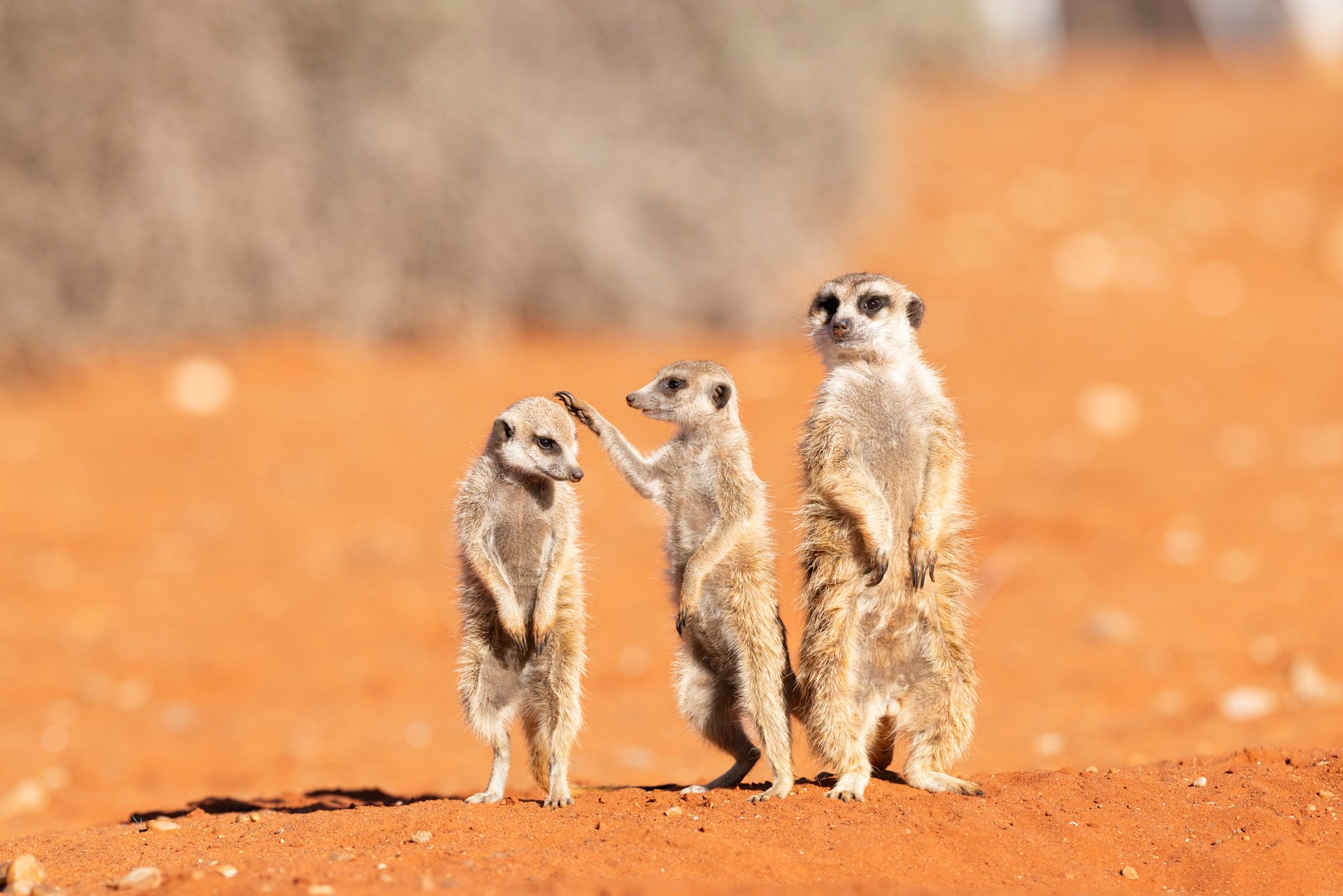
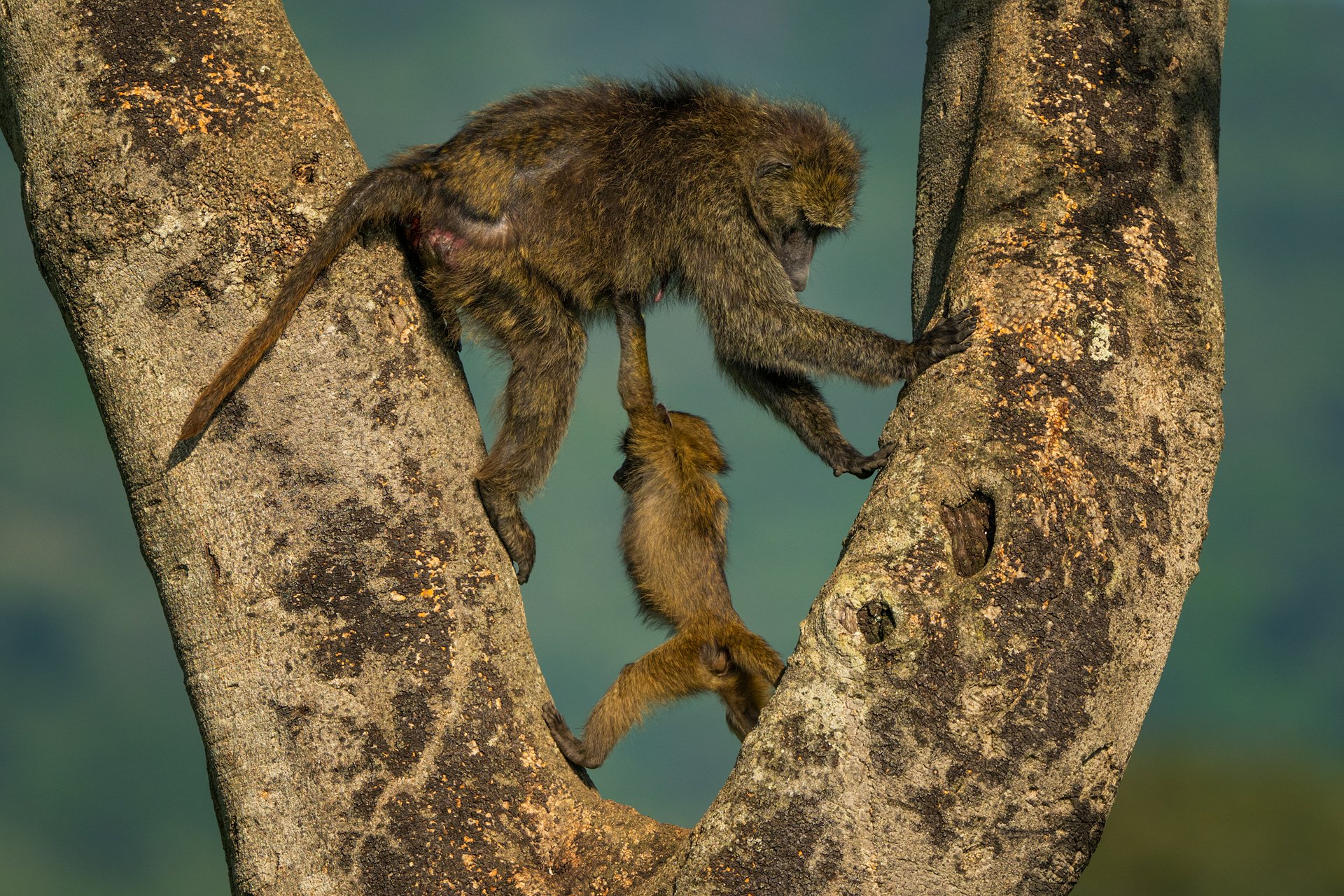
Other finalists similarly capture the theatricality of animal social structures and everyday survival. In Namibia, photographer Subi Sridharan captured "Hair Check Before the Family Photo," featuring a dutiful meerkat meticulously inspecting a companion’s grooming while the rest of the group attempts to maintain a dignified posture for the camera. Meanwhile, in the Mara North Conservancy of Kenya, Andy Parkinson captured "Hercules, the baboon," an optical illusion of scale where an infant olive baboon appears to hoist an adult high above its head with supreme, bodybuilder-esque strength.
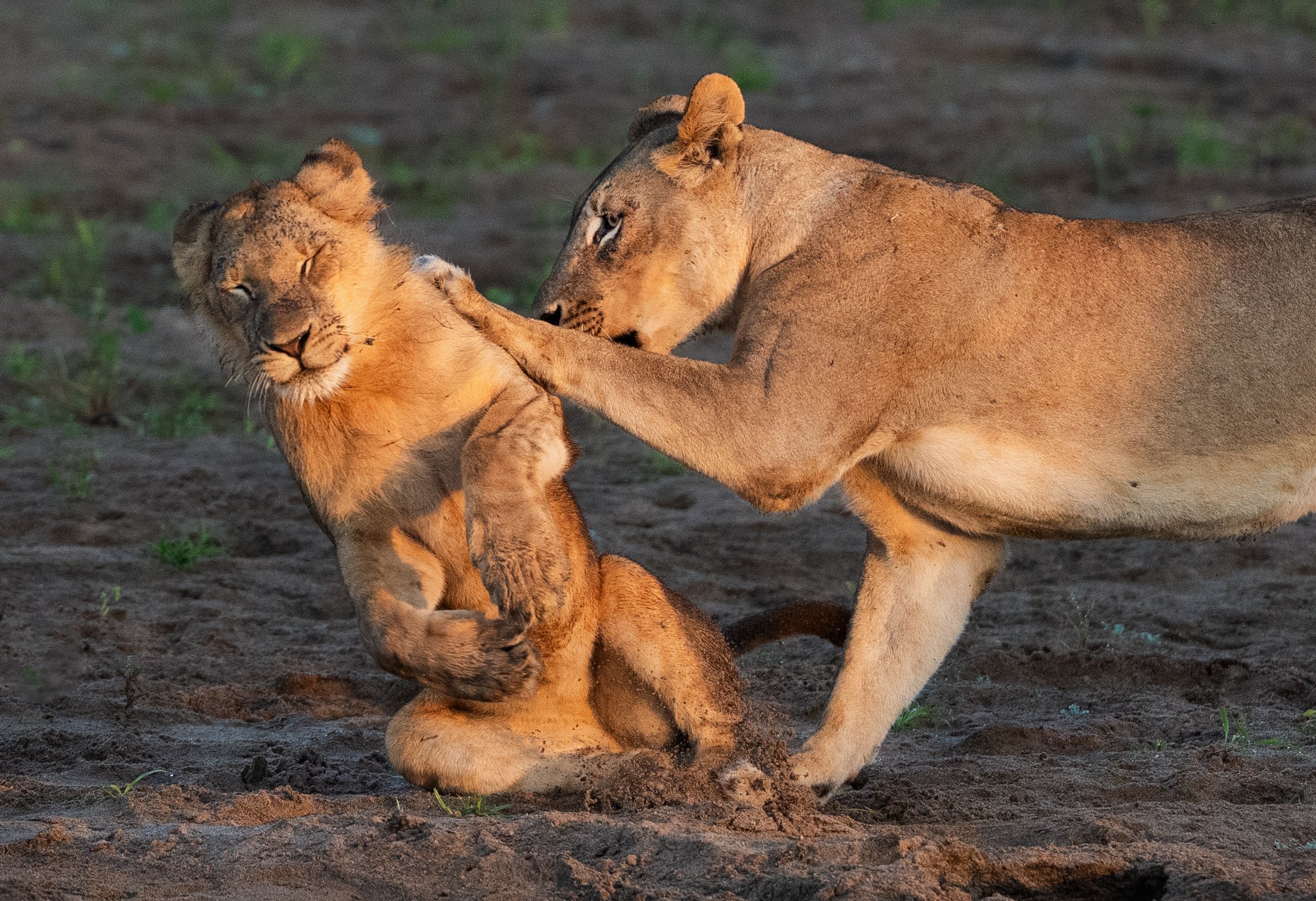
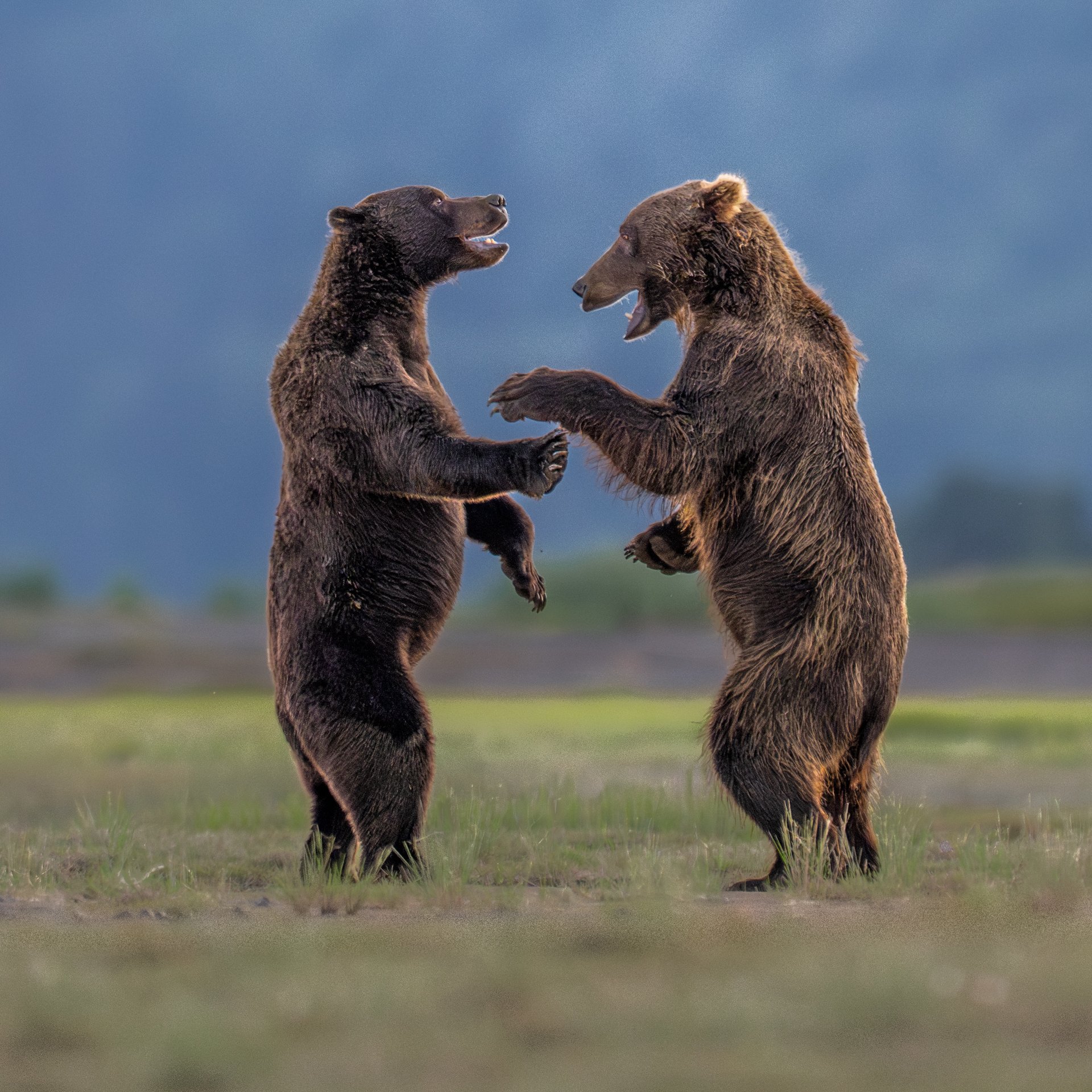
In the icy expanses of the polar regions and northern latitudes, humor remains just as prevalent. Eric Boren captured a quiet moment of frustration in Svalbard, Norway, titled "If I were just a little faster…," showcasing a massive polar bear contemplating an agile ivory gull just out of reach. In Alaska’s Chinitna Bay, Charles Janson documented two subadult brown bears engaged in "Bears Sharing a Joke," capturing a moment of play-fighting that serves as essential developmental practice for future dominance battles, rendered amusingly human by their relaxed expressions.
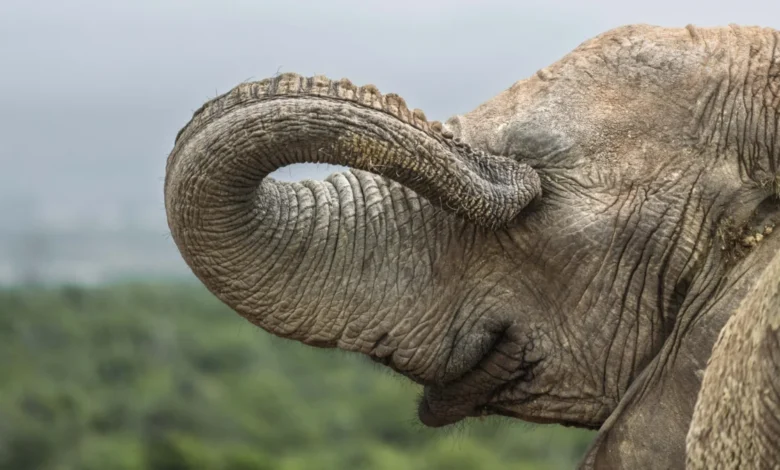
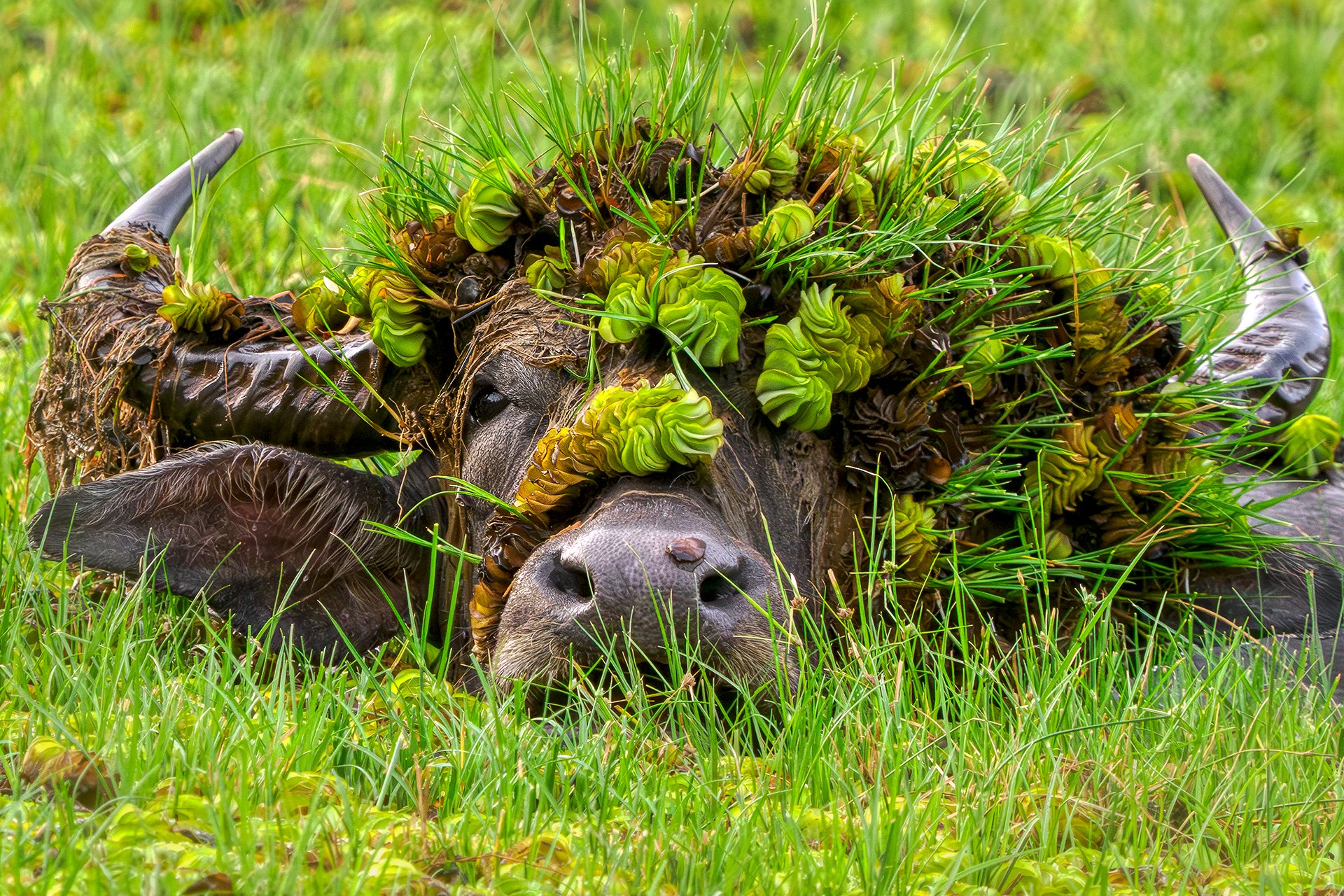
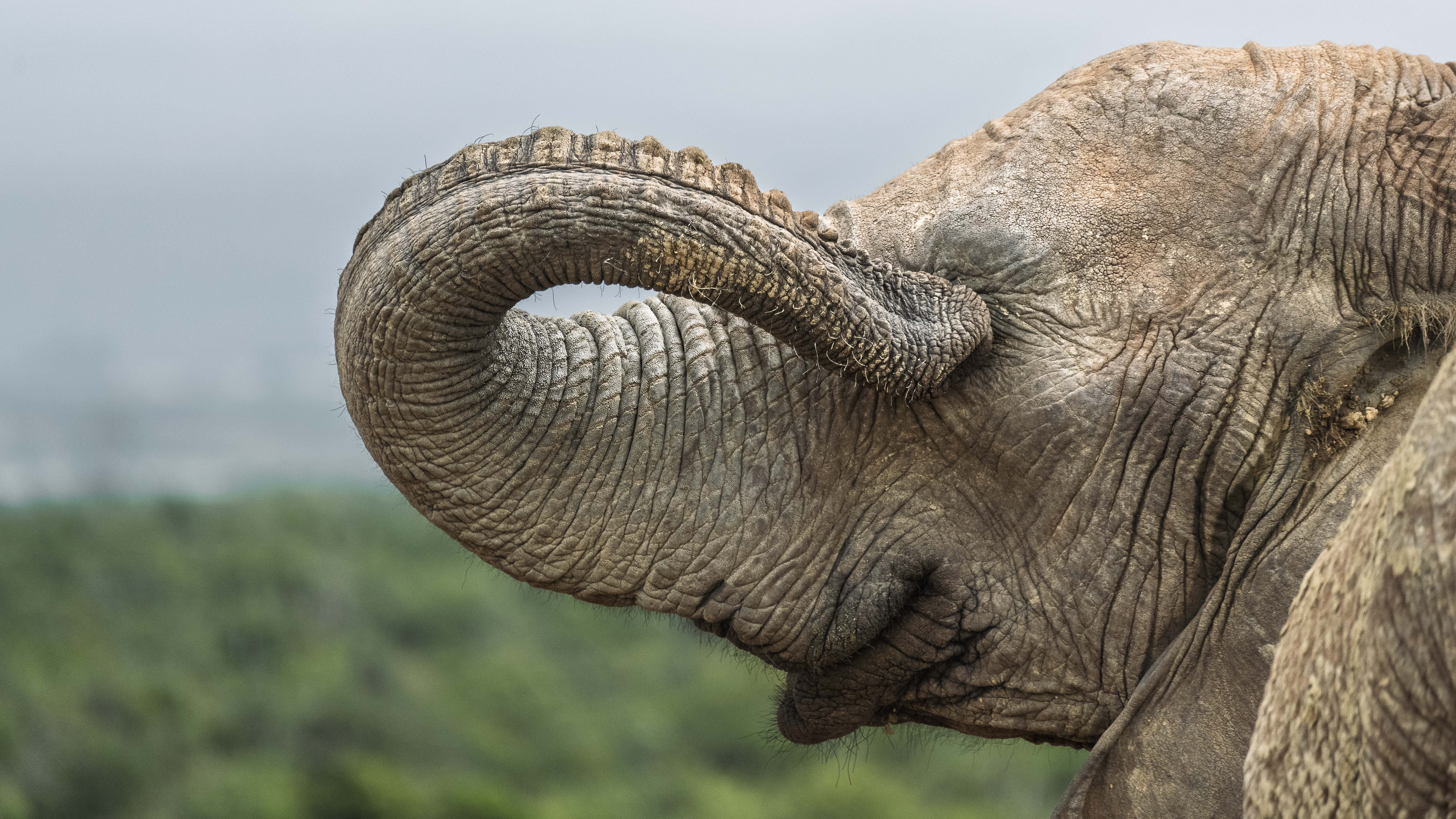
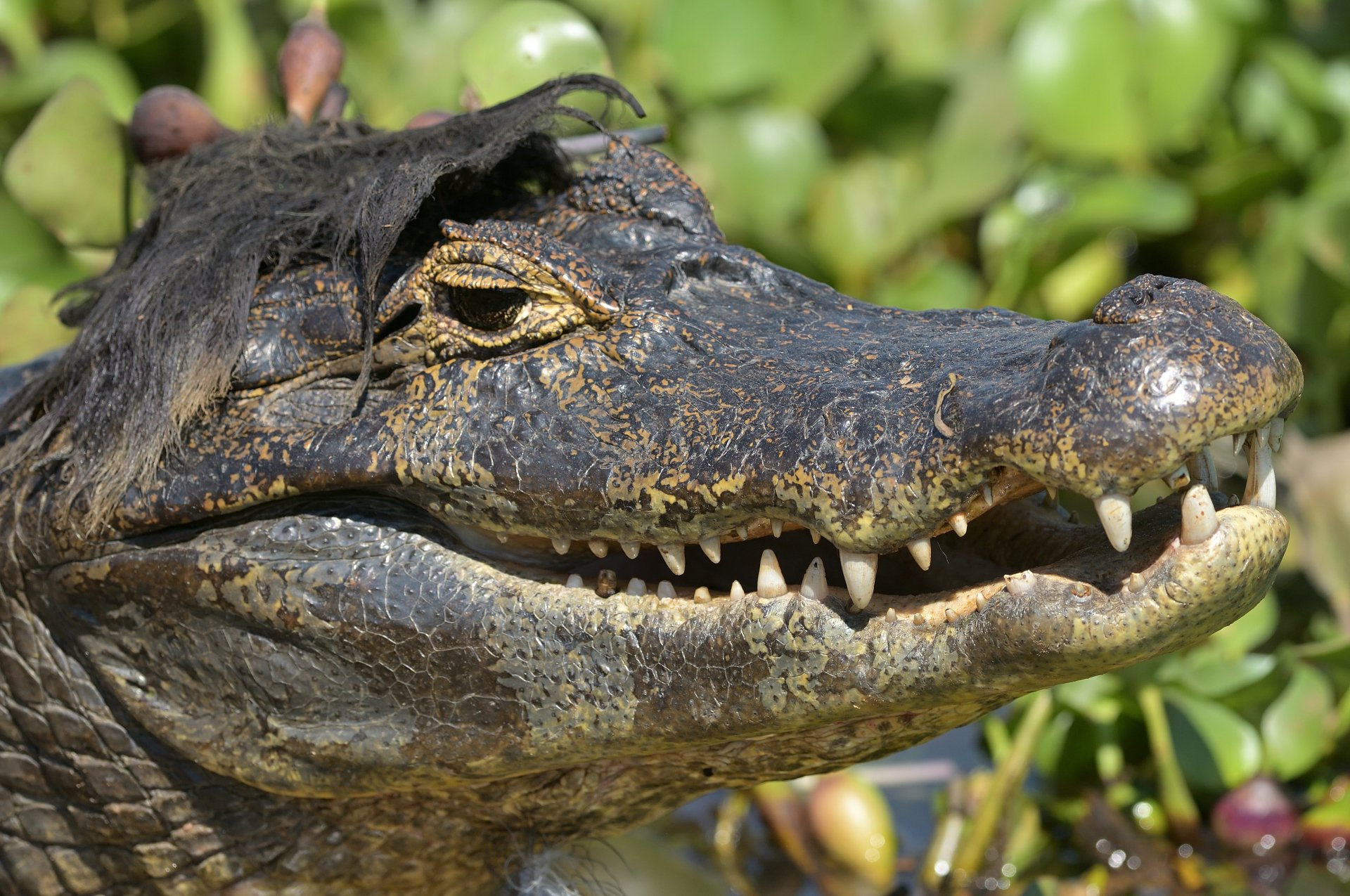
Further south, the marine and avian worlds offered rich comedic material. Cliff Fawcett immortalized a massive bull elephant seal in South Africa’s Addo National Park with his entry, "When you spot your blind date and realise the profile pic was a lie," capturing the precise moment a towering six-ton mammal spots a tourist group, lifts its trunk in alarm, and executes an awkward, lumbering U-turn. In the Pantanal of Brazil, Paolo Torre discovered an aquatic caiman adorned with a patch of floating vegetation that mirrors a 1950s rock-and-roll hairstyle, appropriately titled "Elvis."
Conservation Impact and Behavioral Psychology
The driving force behind the Comedy Wildlife Photography Awards remains deeply rooted in conservation psychology. Environmental scientists and communication experts have long studied the psychological barriers that prevent individuals from engaging with climate change and biodiversity loss. Traditional messaging often relies on fear, guilt, or tragedy, which can trigger psychological defense mechanisms, leading individuals to disengage from the issue entirely.
Humor, conversely, operates as a cognitive opener. By eliciting positive emotions such as joy, amusement, and empathy, comedic wildlife imagery disarms the viewer. When a person laughs at a photograph of a startled owl—such as Kevin Lohman’s capture of a young Great Horned Owl being repeatedly tackled by a territorial squirrel at California’s Natural Bridges State Beach—they are acknowledging the subject as an individual with personality, agency, and a distinct inner life. This cognitive shift from viewing wildlife as an abstract statistic to recognizing individual sentient beings is what conservationists term "empathy-driven behavioral change."
Tom Sullam, co-founder of the competition, emphasized this philosophy in an official statement regarding the 2026 milestone. “What began as a small effort to raise awareness of wildlife conservation has grown into something far bigger than we ever imagined,” Sullam noted. “We use humour to get people to feel empathy towards wildlife, and it’s that empathy that creates behavioural change for the better.”
This psychological approach translates into tangible support for conservation organizations. Through partnerships with global environmental charities—historically including entities like the Born Free Foundation—the competition helps channel public interest, financial donations, and advocacy toward frontline conservation efforts. These funds support anti-poaching units, habitat restoration projects, and legislative campaigns designed to protect vulnerable ecosystems from commercial exploitation, deforestation, and climate degradation.
Timeline, Judging, and Awards Logistics
The evaluation process for the 2026 competition is currently underway, managed by a panel of wildlife experts, professional photographers, and comedy icons who meticulously review the thousands of submissions to narrow down the contenders.
The announcement of the Overall Winner, along with category winners and highly commended entries, is officially scheduled for Tuesday, December 8. The stakes for the finalists are high, offering both professional recognition and substantial material rewards. The ultimate Overall Winner will receive state-of-the-art camera equipment courtesy of title sponsor Nikon, alongside an exclusive, once-in-a-lifetime wildlife safari trip designed to immerse the winning photographer in prime wilderness environments for future documentation. Additional category winners will also be awarded specialized photographic gear to support their continued contributions to wildlife photojournalism.
Implications for the Future of Wildlife Journalism
As the global community faces unprecedented biodiversity loss, the role of wildlife photography is undergoing a philosophical transformation. While hard-hitting photojournalism documenting the destruction of natural habitats remains essential for investigative reporting and policy pressure, comedic and character-driven imagery serves an equally vital complementary function.
By bridging the gap between artistic expression, scientific education, and environmental advocacy, the Nikon Comedy Wildlife Photography Awards demonstrates that joy and humor are not antithetical to serious conservation work. Instead, they are among the most powerful tools available for uniting humanity behind the shared objective of preserving the planet’s remaining wild spaces. Through the laughing bears, startled owls, and expressive primates of 2026, audiences are reminded not only of the natural world’s incredible capacity for amusement, but of their profound responsibility to ensure these species survive for generations to come.