With one of the world’s most diverse and geographically expansive food scenes, China presents a culinary landscape that is nearly impossible to encapsulate in a single definitive list. The nation’s gastronomy is a tapestry woven from thousands of years of regional tradition, environmental adaptation, and imperial influence. To navigate this vast repertoire, one must look toward the essential dishes that serve as the pillars of Chinese cuisine, offering a gateway to understanding the cultural and historical nuances of the country. By exploring these iconic preparations, travelers and food enthusiasts can gain a well-rounded perspective on the flavors, techniques, and philosophies that drive Chinese cooking.

The Imperial Legacy: Peking Duck
The narrative of Chinese cuisine is inextricably linked to its dynastic past, and nowhere is this more evident than in the evolution of Peking Duck. While modern iterations are synonymous with Beijing, historical records suggest the roots of roasted duck preparation stretch back over 1,500 years to Nanjing, the ancient seat of multiple imperial regimes. When the Ming Dynasty capital relocated to Beijing in the 1400s, the culinary traditions of the imperial court followed, leading to the refinement of the dish into the version recognized today: crispy, golden skin paired with tender meat, served with thin pancakes, scallions, cucumbers, and sweet bean sauce.
The preparation of authentic Peking Duck is a rigorous process, often requiring a specialized wood-fired oven. The use of specific woods, such as fruitwood or camphor, imparts a subtle, aromatic smoke that elevates the dish. Culinary historians note that this transition from a royal delicacy to a globally recognized export highlights the adaptability of Chinese food traditions, which managed to preserve core techniques while evolving to suit changing urban environments.

The Duck Capital: Nanjing’s Offal Traditions
While Beijing holds the title for the most famous duck dish, many culinary purists argue that Nanjing remains the true "duck capital" of China. The city’s obsession with the bird is deep-rooted, manifesting in a wide variety of preparations including salted duck, duck-grease pancakes, and duck dumplings. Among the most culturally significant is the vermicelli soup with duck blood. This dish serves as a prime example of Chinese nose-to-tail eating; by utilizing duck-bone broth, blood curds, and offal like liver and gizzards, the dish achieves a depth of flavor that is both intense and economically efficient. It is a staple of street food culture, representing a tradition of maximizing resources that has sustained local populations for generations.
The Precision of Cantonese Steaming
In contrast to the bold, heavy spices of the interior, Cantonese cuisine emphasizes the natural, subtle flavors of fresh ingredients. Steaming is considered the ultimate test of a chef’s skill, as the method leaves no room for error. Timing is the primary factor; even a variance of sixty seconds can alter the texture of the fish, causing the flesh to either cling stubbornly to the bone or lose its essential moisture and delicate flakiness. Traditionally, a perfectly steamed fish is served with a light, sweetened soy sauce and slivers of scallion, allowing the sweetness of the ocean to remain the focal point. This approach reflects a broader Chinese culinary philosophy: that the quality of the raw ingredient is paramount and that the chef’s role is to enhance, rather than mask, the natural profile of the food.

Sichuan’s Spicy Heritage: Dan Dan Mian and Mapo Tofu
The province of Sichuan has arguably had the greatest impact on the international perception of Chinese food. The iconic Dan Dan Mian, or dan dan noodles, trace their history to the 19th-century street hawkers who carried the dish on a "dan dan"—a shoulder pole. Whether served as a dry, spicy, and nutty mix or as a broth-based dish, the key component remains the rou saozi, or minced pork pan-fried in lard until crispy.
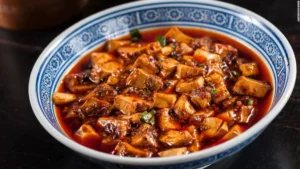
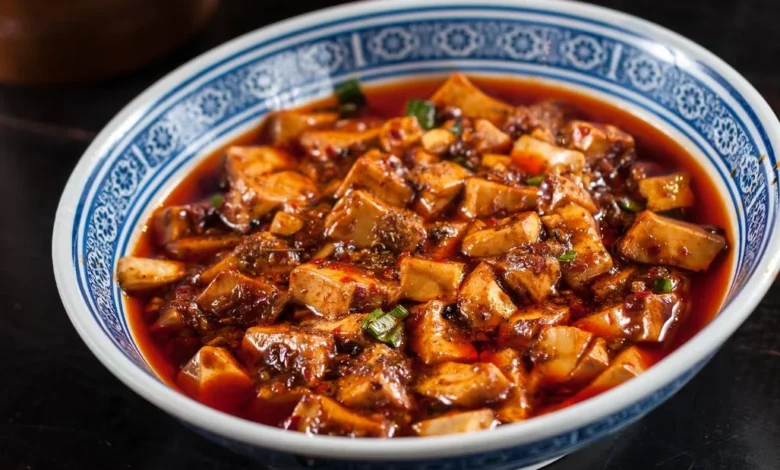
Similarly, Mapo Tofu stands as a titan of Sichuanese cooking. The dish is celebrated for its complex flavor profile—salty, peppery, and spicy—achieved through the specific use of Hanyuan peppercorns and Pidu broad bean chili paste. Modern food analysts point out that the global popularity of Mapo Tofu has led to various regional adaptations, but the core requirement remains the use of high-quality, fermented broad bean paste, which provides the deep, umami base necessary to balance the numbing heat of the peppercorns.

Hunan’s Chili-Infused Identity
If Cantonese cuisine represents the gentle, natural spectrum of Chinese food, Hunanese cuisine, or Xiang cuisine, represents the fiery extreme. The region is characterized by an unapologetic use of salt, oil, and chili. A popular local folk song famously declares that a meal without chili cannot be considered a dish. The centerpiece of this cuisine is the steamed fish head with chopped salted chili (duo jiao yu tou). The duo jiao—chili peppers preserved in jars with salt, ginger, garlic, and baijiu—provides a fermented, acidic heat that is distinct from the numbing heat of Sichuan. This dish is not only a culinary staple but a cultural indicator of the region’s climate and history, where preserved ingredients were vital for survival and flavor development.
The Art of the Dumpling
Dumplings, or jiaozi, occupy a foundational space in the Chinese diet. They are a universal comfort food, capable of packing carbohydrates, proteins, and vegetables into a single, portable unit. Beyond the standard boiled or steamed varieties, regional specialties like Fujian’s rouyan highlight the diversity of the craft. In rouyan, the wrapper itself is made from a mixture of flour and pounded pork, creating a distinct, chewy texture that elevates the dumpling from a simple side dish to a complex culinary experience. Experts in Chinese food culture note that the prevalence of dumplings across almost every province speaks to the historical importance of the wheat harvest in Northern China and the evolution of portable, labor-intensive foods in urban centers.

Historical Narratives and Culinary Folklore
Many of China’s most famous dishes are accompanied by origin stories that have become part of the national heritage. "Cross-the-bridge" rice noodles are perhaps the most famous example of this culinary folklore. Legend tells of a wife who, seeking to provide her husband with a hot meal on a distant island, devised a system of bringing boiling chicken broth separately from the raw ingredients to ensure they remained fresh and properly cooked upon arrival. While the veracity of such stories is often debated, they serve an important function: they ground the food in a specific historical or emotional context, reinforcing the values of familial duty and ingenuity that are deeply woven into Chinese society.
Modern Implications and Global Reach
The global spread of dishes like Kung Pao Chicken and Dim Sum has transformed these regional items into international staples. However, the commercialization of these foods often leads to a disconnect between the "original" preparation and the internationalized version. For example, traditional Kung Pao Chicken—believed to be inspired by the 19th-century governor Ding Baozeng—is a refined balance of acidity and spice, a far cry from the overly sweet, Westernized versions often found in take-out establishments.

As China continues to project its "soft power" through its culinary heritage, the emphasis on authenticity is becoming a subject of academic study. Food critics suggest that as more travelers visit China, the demand for authentic regional experiences—such as the specific use of wood-fired ovens for roast goose or the meticulous preparation of jian bing in Tianjin—will likely drive a shift in how Chinese food is marketed abroad. The focus is shifting from generic "Chinese takeout" to a deeper appreciation for the distinct, localized food cultures that define the nation’s culinary map.
In conclusion, the essential eats of China are more than mere sustenance. They are historical artifacts, products of regional geography, and expressions of a philosophy that prioritizes the harmony of flavors and the celebration of the raw ingredient. Whether through the refined, imperial techniques of Peking Duck or the humble, street-level ingenuity of a breakfast crepe, these dishes provide a window into the soul of a country that continues to use its food as its most powerful language. As the world becomes increasingly connected, the appreciation for these regional nuances serves as a bridge, inviting a more nuanced understanding of the complexity and depth of Chinese civilization.