The Evolution of Kindle Pricing and Value
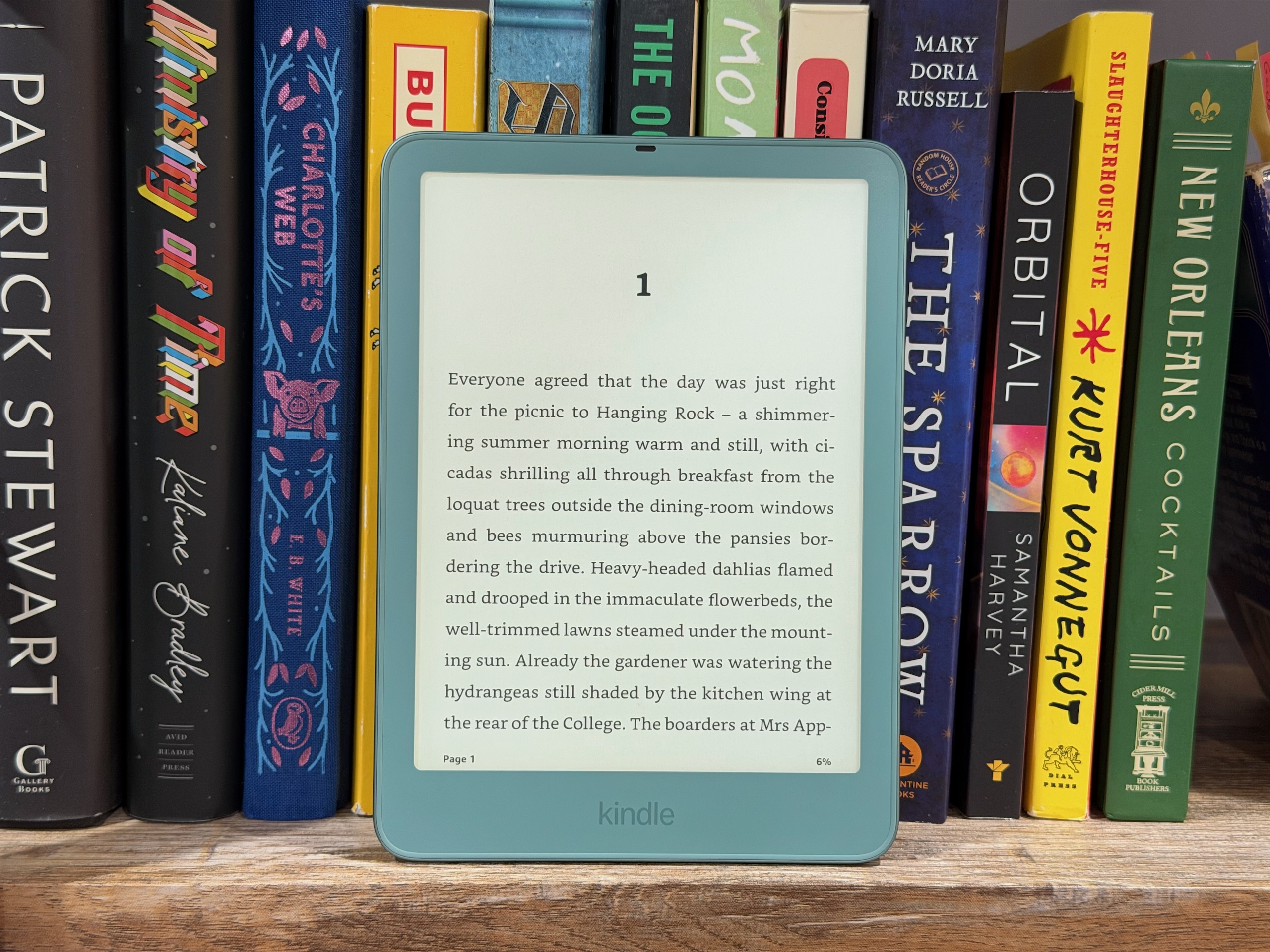
The landscape of e-readers has changed significantly since the early 2020s. In 2021, the midrange Kindle Paperwhite was widely considered the "gold standard" for value, offering waterproofing, adjustable warm light, and a high-resolution 300 PPI display at a competitive price point. Today, that narrative has been disrupted. The 2026 baseline Kindle, priced at $150, arrives at a cost point that rivals the Paperwhite models of just a few years ago, yet it lacks several of the premium features that once defined the Paperwhite series, such as advanced waterproofing or color-temperature-shifting lighting.
This pricing trend is not unique to Amazon; the broader tech industry has seen a similar trajectory. Component costs, including the specialized E-Ink display panels and the increased energy efficiency requirements of modern mobile processors, have been compounded by logistical costs. Consequently, the "New thing, better features, same price" model has largely evaporated. For the consumer, this means that a 2026 entry-level device often performs objectively worse in terms of "features per dollar" than a refurbished or used model from the 2021–2024 era.
Chronology of Recent Kindle Developments
The progression of Amazon’s e-reader hardware over the last six years highlights a clear transition toward premiumization:
- 2021: The release of the 11th Generation Paperwhite marked a major pivot, introducing a larger 6.8-inch display, USB-C charging, and adjustable warm light, solidifying it as the primary choice for most users.
- 2024: Amazon expanded the product family, focusing on speed improvements and minor chassis refinements. Prices saw a modest increase, but the feature set remained robust.
- 2026: The current generation introduces the Paperwhite Signature Edition at $250. While it features a premium aluminum chassis and reintroduced page-turn functionality via proprietary accessories, it notably removes the wireless charging capability found in the 2024 Signature model.
Hardware Specifications and User Experience
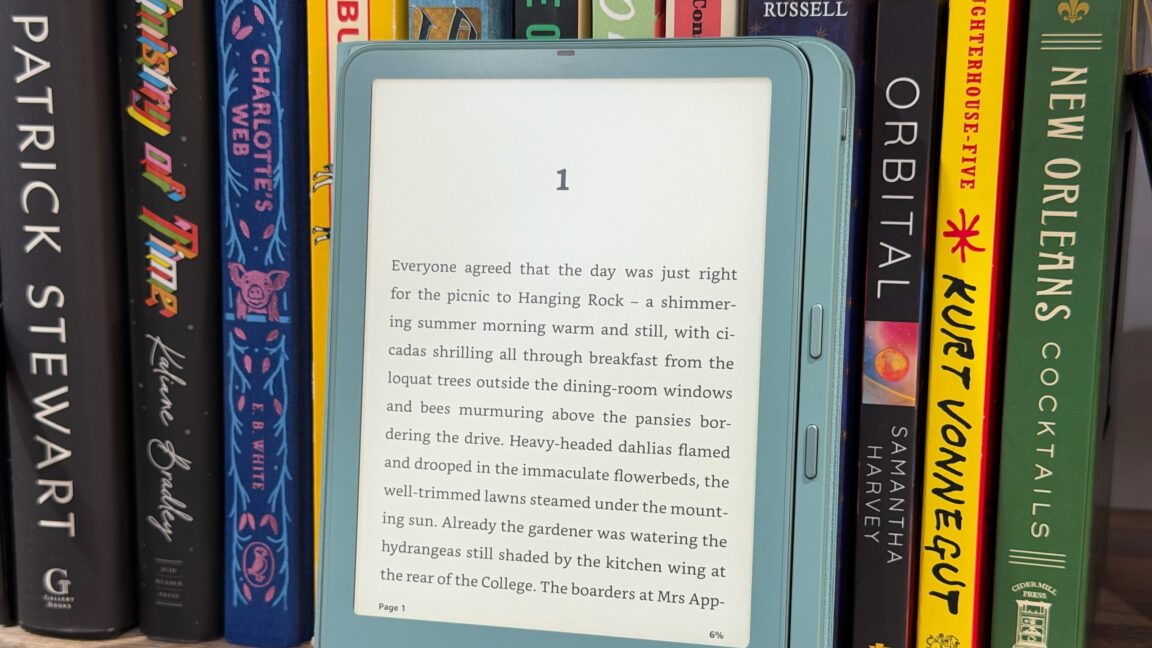
The 2026 Kindle Paperwhite Signature Edition stands as the current flagship. Housed in an aluminum body that mirrors the aesthetic of modern tablets, it offers a sturdy, high-end feel. However, the most significant hardware change—the reintroduction of page-turn buttons—is modular. Amazon has utilized a pogo-pin contact system on the rear of the device, allowing for a dedicated Page Turn Cover.
This "Frankenstein-esque" approach to hardware design is a departure from the integrated buttons found on the legacy Kindle Oasis. While the click-response of the buttons on the new cover is responsive and tactile, the reliance on an $80 add-on accessory effectively pushes the total cost of ownership for a "button-enabled" reader to $330. This creates a significant barrier to entry for power users who have long campaigned for the return of physical buttons, which were largely phased out in favor of touchscreen-only interfaces.
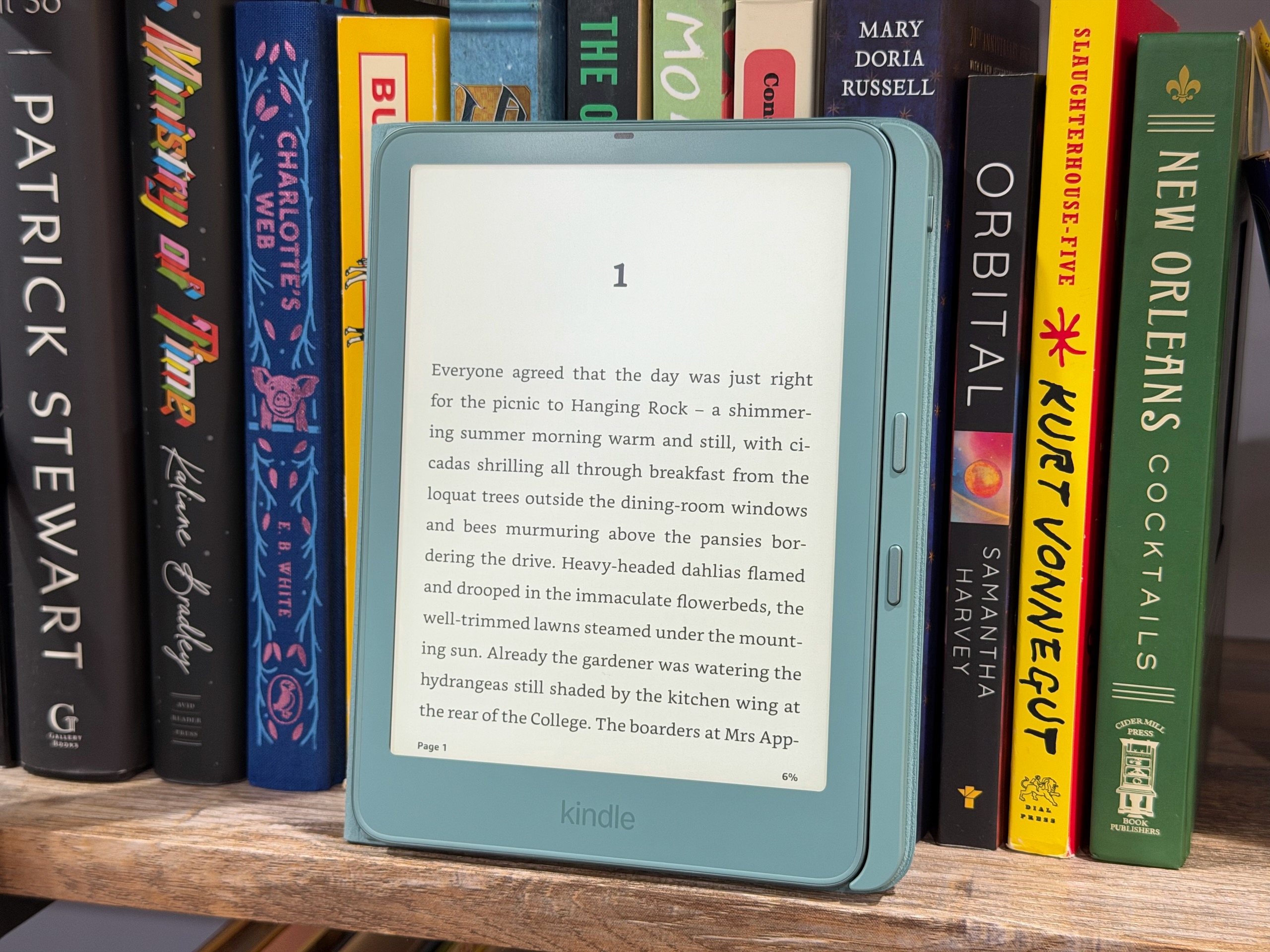
Furthermore, the 2026 models feature a relocation of the power button from the bottom edge to the top-right. While seemingly minor, this adjustment addresses a long-standing user complaint regarding accidental inputs when the device is rested on a surface. Another critical change is the shift toward user-replaceable batteries. This move, while driven largely by legislative pressures—specifically the European Union’s Right-to-Repair regulations—represents a positive shift for long-term device sustainability, even if it does not immediately lower the initial purchase price.
Performance and Software Constraints
Performance in the 2026 lineup is fluid. Amazon has optimized the underlying operating system to minimize the latency inherent in E-Ink display technology. While the device handles book navigation and library management with ease, the browser-based performance remains limited. Attempts to benchmark the devices using legacy web-based tools like Google Octane 2.0 have proven difficult, suggesting that Amazon is narrowing the scope of the Kindle’s non-reading features to focus strictly on the core e-reading experience.
A point of concern for long-term users is the fragmentation of the Kindle Operating System. Version 5.20.1.0.2, which enables support for the new "Kindle Click" remote accessory, is currently limited to the 2024/2026 hardware and the 2022 Scribe. Owners of devices from 2018 or earlier are finding themselves increasingly excluded from the latest software updates, effectively shortening the lifespan of older hardware.
Economic and Market Implications
The industry’s move toward higher price points and modular accessories suggests that Amazon is attempting to maximize Average Revenue Per User (ARPU). By decoupling features like page-turn buttons and wireless charging, Amazon allows for a lower base price on the hardware while creating an ecosystem of upsell opportunities.
From a market perspective, this strategy forces consumers to carefully weigh their needs. For those who prioritize a simple reading experience, a refurbished 2024 Paperwhite—currently priced significantly lower than the 2026 base models—may represent the best value. The 2026 Paperwhite Signature Edition, while an objectively high-quality device, is clearly positioned as a luxury item rather than a utility product.
The "Kindle Click" and Ecosystem Strategy
The introduction of the "Kindle Click," a remote-control style accessory, provides a glimpse into Amazon’s attempt to solve the "no buttons" problem without committing to a dedicated device form factor. By creating a cross-device accessory, Amazon avoids the costs associated with manufacturing a specialized e-reader with integrated buttons. However, the necessity of having a device capable of running the latest OS creates a closed loop where the user must buy the latest hardware to access the latest accessories.

Conclusion: A Premium Future for E-Reading
The 2026 Kindle lineup confirms that the era of budget-friendly, feature-packed e-readers is evolving into a more segmented market. The devices themselves are arguably the best Amazon has ever produced, with faster refresh rates, improved lighting, and a refined build quality. Yet, the price of admission has risen sharply.
For the average consumer, the choice is no longer just about which model to buy, but whether to chase the latest hardware or to capitalize on the diminishing utility of older models. As Amazon continues to iterate, the success of these devices will likely depend on whether the consumer base is willing to accept the "a la carte" pricing model for features that were once considered standard. For now, the 2026 Kindle Paperwhite serves as a reminder that in the current economic climate, innovation is often synonymous with higher costs, and the "good old days" of affordable e-reading may require a strategic pivot toward the secondary market.
Related posts: