ACLU Lawsuit Accuses Trump Administration of Weaponizing Federal Grand Jury Subpoenas to Unmask Anonymous Critics of ICE

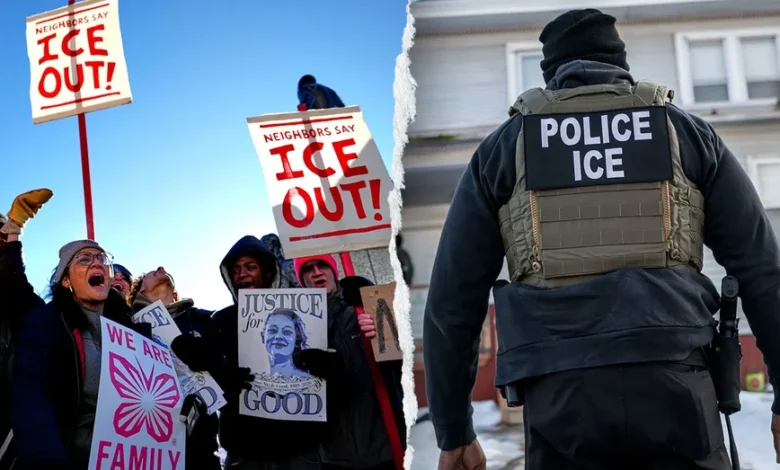
The American Civil Liberties Union (ACLU) has filed a high-stakes federal lawsuit targeting the Trump administration, alleging that federal authorities are improperly weaponizing grand jury subpoenas to unmask anonymous social media users who harshly criticize Immigration and Customs Enforcement (ICE). The legal challenge, unsealed by U.S. District Judge James Boasberg, seeks to permanently halt a sprawling federal inquiry known as "Investigation 18."
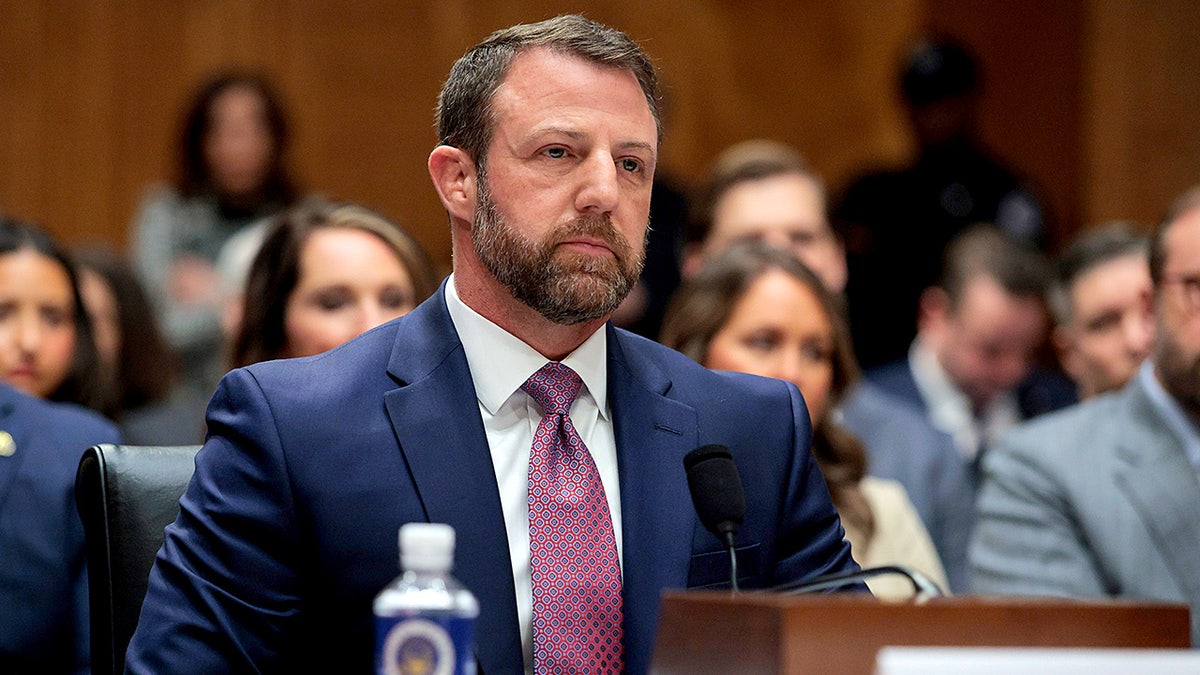
The lawsuit names several high-ranking government officials as defendants, including Attorney General Todd Blanche, Homeland Security Secretary Markwayne Mullin, and U.S. Attorney for the District of Columbia Jeanine Pirro. According to court documents, at least 35 grand jury subpoenas have been issued to major technology platforms under this investigation. Federal prosecutors are demanding sensitive user data—such as real names, residential addresses, IP addresses, telephone numbers, and financial records—from individuals who posted fiery, and in some cases deeply hostile, commentary regarding federal immigration enforcement.
Civil liberties advocates argue that the government’s tactics represent an alarming infringement on constitutionally protected political speech. However, the Trump administration counters that the crackdown is a necessary response to an unprecedented surge in physical threats and violence directed at federal immigration officers amid aggressive nationwide enforcement efforts.
Chronology of the Investigation and Legal Escalation
The origins of Investigation 18 trace back to a broader shift in federal tactics regarding online dissent. In late 2025 and early 2026, the Department of Homeland Security (DHS) routinely issued administrative subpoenas directly to technology companies to gather information on critics. However, facing mounting pushback and legal hurdles from privacy advocates, federal authorities increasingly pivoted toward grand jury subpoenas.
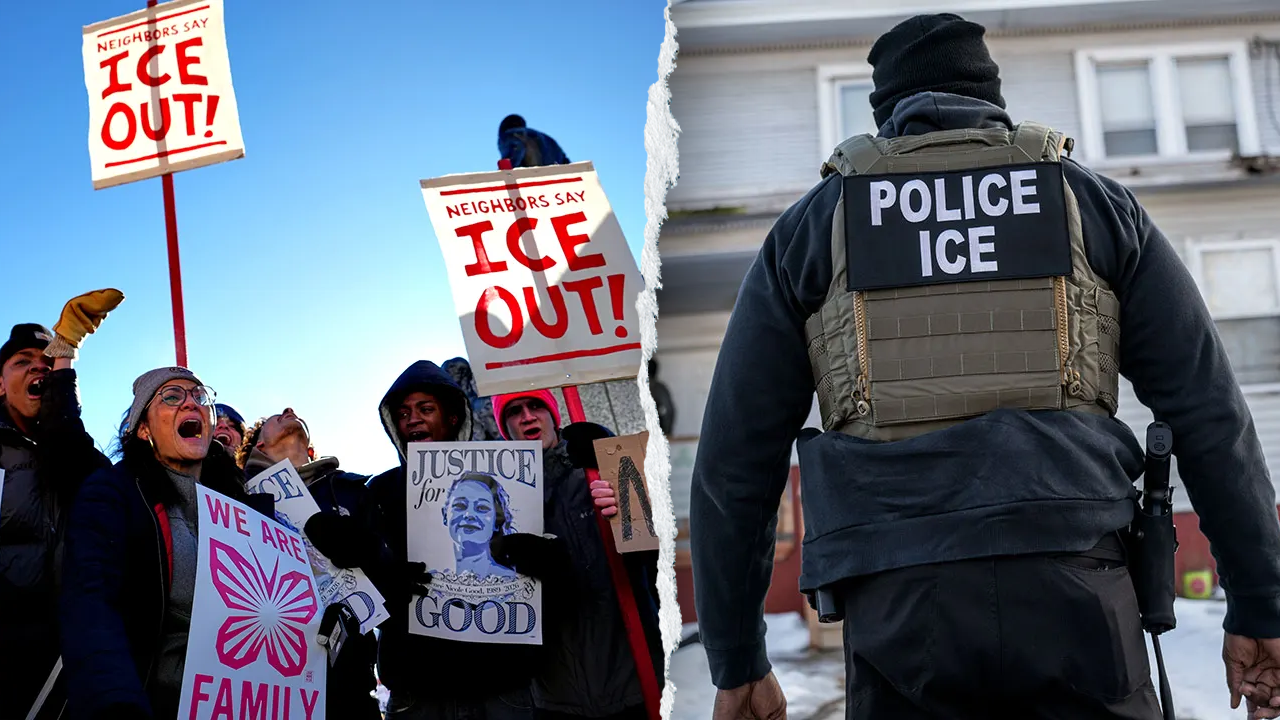
Unlike administrative subpoenas, grand jury subpoenas carry the weight of a federal criminal inquiry and are governed by strict secrecy rules. This transition has made it significantly more difficult for targeted social media users and privacy organizations to identify who is under investigation or to challenge the sweeping information requests before tech companies comply.
The ACLU’s complaint, filed on behalf of four anonymous plaintiffs, came to light after Judge Boasberg ordered the docket unsealed. The plaintiffs include a retired Arizona prosecutor, an American citizen residing in Europe, and a state government employee. Each plaintiff attracted federal scrutiny following inflammatory online posts reacting to viral videos of immigration enforcement actions.
For instance, the retired Arizona prosecutor posted on Bluesky in October expressing intense frustration over a video showing law enforcement officers dragging an elderly woman across the ground in Texas, writing that they wanted to "kill ICE, the whole damn lot of them." Another plaintiff commented on an Instagram post depicting an ICE officer with a baton outside a New Jersey detention facility, comparing the agent to a "rabid dog foaming at the mouth" that "should be put down." A third plaintiff posted a call to "Burn ICE to the ground. Burn DHS to the ground. Salt the earth."
The ACLU maintains that while these statements are undeniably provocative and hostile, they constitute hyperbole and protected political dissent rather than true legal threats of imminent violence. The civil rights organization argues that the mere issuance of these subpoenas has created a severe "chilling effect," forcing the plaintiffs and countless other Americans to censor their online speech out of fear of government retaliation.
Escalating Tensions and Safety Concerns for Federal Personnel
The federal government’s aggressive posture toward online critics is unfolding against a backdrop of escalating hostility and physical danger facing immigration enforcement officers. Since the launch of President Donald Trump’s second-term immigration enforcement agenda, the Department of Homeland Security has repeatedly sounded the alarm over rising violence against its personnel.
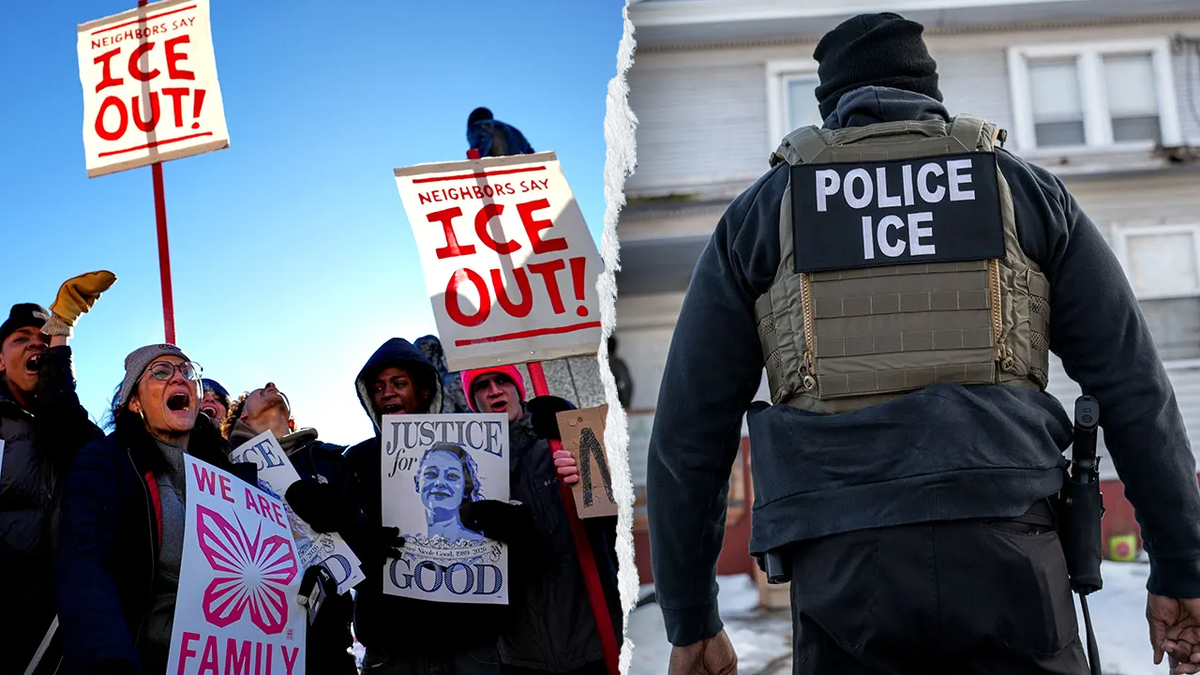
According to DHS data released in September, assaults against ICE personnel skyrocketed by more than 1,600% compared to the prior administration. The agency documented 647 assaults against ICE staff between January 20, 2025, and September 20, 2026. By contrast, only 37 similar incidents were recorded during the exact same timeframe under President Joe Biden’s administration.
Federal officials attribute this dramatic spike directly to fiery rhetoric from political opponents and anti-ICE activists. During a confirmation hearing earlier this year, Homeland Security Secretary Markwayne Mullin sharply criticized "sanctuary politicians" and activists, asserting that "vicious lies" propagated online have directly incited physical attacks against agents working in the field.
Furthermore, White House border czar Tom Homan announced plans in January to establish a public database specifically designed to identify individuals arrested for interfering with, impeding, or assaulting ICE agents, vowing to "make them famous." This hardline stance underscores the administration’s view that online hostility toward law enforcement is not merely abstract political discourse, but a contributing factor to real-world operational dangers.
Legal Arguments and First Amendment Protections
The central legal battle in Investigation 18 hinges on the delicate constitutional boundary between protected free speech and unprotected criminal threats.
Under long-standing First Amendment jurisprudence, the Supreme Court has robustly protected anonymous political speech and hyperbole, allowing citizens to express deep animosity toward the government and its policies without fear of prosecution. However, true threats—statements where the speaker means to communicate a serious expression of an intent to commit an act of unlawful violence to a particular individual or group—enjoy no constitutional protection.
The ACLU contends that the Trump administration is circumventing this standard by utilizing the grand jury process as a fishing expedition to intimidate and identify critics, rather than pursuing legitimate, probable-cause-backed criminal investigations. Legal experts note that while federal prosecutors do not need to establish formal probable cause to issue a grand jury subpoena, using the awesome power of a federal grand jury to retaliate against political dissenters would constitute a profound constitutional violation.
Moreover, the lawsuit highlights that several technology platforms have already complied with the subpoenas, turning over identifying information regarding anonymous users to federal investigators. This realization has intensified fears among privacy advocates that the government is compiling dossiers on citizens based strictly on their online commentary.
Broader Implications and Next Steps
The outcome of this legal showdown could set a monumental precedent for digital privacy, government transparency, and the limits of executive power in policing online speech. As the digital landscape becomes the primary arena for political discourse, the ability of citizens to criticize government agencies anonymously remains a fiercely contested battleground.
U.S. District Judge James Boasberg has scheduled a crucial preliminary injunction hearing, where attorneys for the ACLU and the federal government will present their arguments regarding whether Investigation 18 should be halted, existing subpoenas blocked, and already-collected government records purged.
As federal authorities continue their nationwide immigration sweeps amid heightened partisan polarization, the legal battle over Investigation 18 will undoubtedly shape the future of how law enforcement balances officer safety with the constitutional rights of citizens to voice dissent against the state.