
Us Strike Syria Iraq
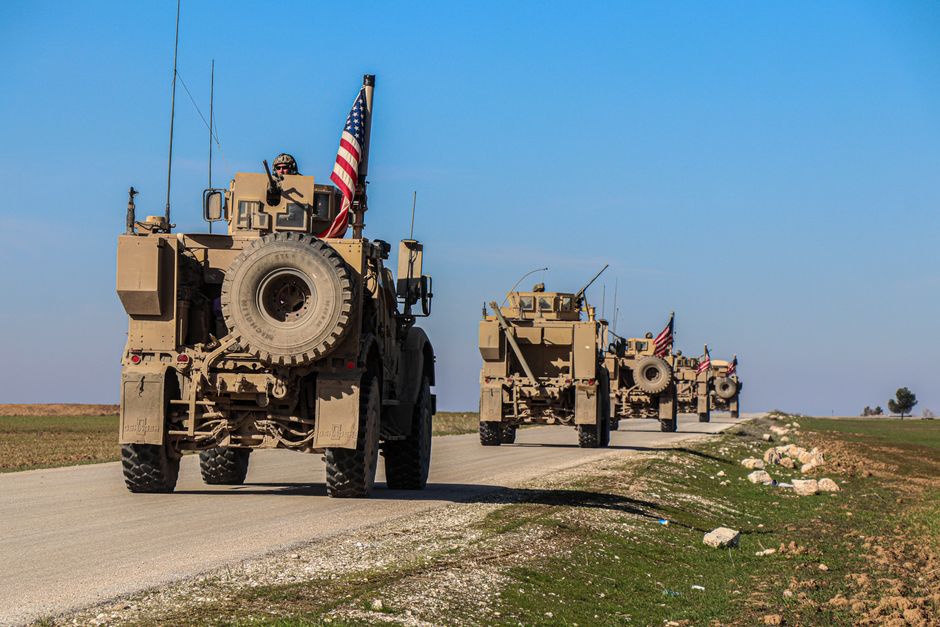
US Strikes in Syria and Iraq: A Deep Dive into Operations, Objectives, and Regional Implications
The United States has conducted numerous military strikes in Syria and Iraq, primarily targeting entities associated with Iran and its proxy forces. These operations, often framed as responses to aggression or threats to US personnel and interests, are a critical component of broader American foreign policy in the Middle East. The underlying objectives are multifaceted, encompassing the degradation of Iranian influence, the prevention of attacks on US troops and allies, the counter-terrorism mission against groups like ISIS, and the broader goal of regional stability, however defined. Understanding these strikes requires a granular examination of their triggers, the specific targets, the legal and political justifications employed, and their significant, often contentious, ripple effects across Syria, Iraq, and the wider Middle East.
The most frequently cited trigger for US strikes in Syria and Iraq involves attacks on US forces stationed in these countries, or on diplomatic facilities. These attacks have most commonly been attributed to Iran-backed militias. For instance, repeated rocket and drone attacks on bases housing US troops in Iraq, such as Ain al-Asad Air Base and Erbil International Airport, have been a persistent source of tension. Similarly, in Syria, US forces operating in conjunction with the Syrian Democratic Forces (SDF) against ISIS remnants have faced indirect fire and drone attacks, often originating from areas controlled by pro-Iranian militias. These incidents are typically met with retaliatory strikes authorized by the President, often under existing authorities like the Authorization for Use of Military Force (AUMF) or inherent presidential authority to protect US lives and interests abroad. The legal framework underpinning these strikes is often debated, with critics questioning the breadth of the AUMF and the constitutionality of unilateral executive action.
Beyond direct attacks, US strikes are also driven by a strategic imperative to counter Iran’s growing regional footprint. Iran, through its support for various Shia militias and armed groups in Iraq, Syria, Lebanon, and Yemen, has significantly expanded its influence, a development viewed with alarm by the US and its regional partners, particularly Israel and Saudi Arabia. US strikes are often aimed at degrading the capabilities of these Iran-aligned groups, disrupting their supply chains, and deterring further expansion. This can include targeting weapons depots, training facilities, command and control nodes, and even the personnel of these organizations. The effectiveness of these strikes in achieving a long-term degradation of Iranian influence is a subject of ongoing analysis, with many arguing that such kinetic actions often lead to adaptive responses from Iran and its proxies, creating a cyclical pattern of escalation rather than de-escalation.
The fight against ISIS has also remained a significant, albeit often secondary, justification for US military actions in both countries. While the territorial defeat of ISIS has largely been achieved, the group continues to pose a threat through its insurgent activities and its remnants. US airstrikes, often conducted in support of Iraqi Security Forces (ISF) or the SDF, are employed to disrupt ISIS cells, target its leadership, and prevent its resurgence. These counter-terrorism operations are generally more widely accepted internationally than those targeting Iran-linked groups, as they align with broader global efforts to combat violent extremism. However, the complex relationships between various actors on the ground, including the presence of Iranian-backed militias operating in proximity to ISIS elements, can complicate these operations and create unintended consequences.
The geographical focus of US strikes is primarily in eastern and western Syria, and various regions of Iraq. In Syria, eastern Deir ez-Zor province has been a particular hotspot, with US forces and their partners operating against ISIS and facing periodic clashes with Iranian-backed militias. Western Iraq, particularly areas bordering Syria, has also seen strikes targeting smuggling routes and militant staging areas. The Syrian theatre is particularly complex due to the multi-factional nature of the conflict, involving the Assad regime, various rebel groups, Kurdish forces, ISIS, and numerous Iran-backed militias, all operating under the influence of external powers like Russia and Iran. The US presence in Syria, primarily focused on counter-ISIS operations and supporting the SDF, exists with the tacit – and often strained – acceptance of some regional actors but is opposed by the Syrian government and Russia.
In Iraq, US strikes have been more directly linked to the presence of US military advisors and trainers supporting the Iraqi Security Forces. The legal basis for the US military presence in Iraq is ostensibly to assist in the fight against ISIS, but the operations against Iran-backed militias have expanded the scope of US engagement. The Iraqi government has often expressed concerns about unilateral US military actions on its sovereign territory, leading to diplomatic tensions and calls for the withdrawal of US troops. However, the persistent threat posed by Iran-backed militias and their capacity to destabilize Iraq has often compelled the US to act, creating a delicate balancing act between respecting Iraqi sovereignty and protecting its own forces and interests.
The legal and political justifications for US strikes are crucial to understanding their legitimacy and impact. The primary legal framework for US military actions abroad has historically been the 2001 Authorization for Use of Military Force (AUMF), passed in the wake of the 9/11 attacks. However, the application of this AUMF to operations against groups like ISIS and Iran-backed militias in Syria and Iraq has been widely contested, with critics arguing it has been stretched far beyond its original intent. In addition to the AUMF, Presidents have also invoked inherent executive authority to protect US national security interests and personnel, particularly in situations of imminent threat. These justifications are often met with skepticism from international bodies and human rights organizations, who raise concerns about transparency, accountability, and the potential for civilian casualties. The UN Security Council has not authorized these strikes in Syria, and the Iraqi government has officially protested them, further complicating the international legal standing.
The implications of these US strikes are profound and far-reaching. Regionally, they contribute to a heightened state of tension between the US and Iran, often referred to as a "shadow war." These strikes can trigger retaliatory actions from Iran and its proxies, leading to a cycle of escalation that risks broader regional conflict. The fragile stability in both Syria and Iraq is further undermined by these kinetic actions, potentially exacerbating humanitarian crises and creating new security challenges. For the civilian populations of these war-torn countries, US strikes, while often aimed at military targets, carry the inherent risk of collateral damage and civilian casualties, further eroding trust and exacerbating existing grievances.
Furthermore, the strikes have significant geopolitical consequences. They impact the relationships between the US and its allies, as well as its adversaries. For instance, Russia, a key ally of the Syrian regime and a partner of Iran, often condemns US actions in Syria, leading to further diplomatic friction. In Iraq, the strikes can strain relations between the US and the Iraqi government, particularly when they occur without explicit Iraqi consent. The effectiveness of these strikes in achieving stated US objectives is also a subject of continuous debate. While they may temporarily degrade the capabilities of targeted groups, they often fail to dismantle the underlying networks, ideologies, or political grievances that fuel these organizations. The adaptive nature of Iran and its proxies means that new tactics and strategies emerge in response to US pressure, creating a persistent cat-and-mouse game with no clear endpoint.
The long-term sustainability of US military engagement in Syria and Iraq, particularly through kinetic means, is a recurring question. The high financial and human cost of these operations, coupled with their often-limited long-term strategic gains, leads many to question their efficacy. The political will within the US to sustain these engagements, especially in the absence of clear, achievable objectives and with ongoing domestic challenges, is also a factor. The question of whether diplomatic or political solutions can effectively address the complex security challenges in Syria and Iraq, rather than relying solely on military force, remains a central point of contention in US foreign policy discourse. The intricate web of alliances, rivalries, and proxy conflicts in the Middle East means that any US military action, including strikes in Syria and Iraq, will continue to have significant and often unpredictable consequences for the region and beyond. The ongoing debate surrounding the justifications, legality, and effectiveness of these operations underscores the enduring complexities of US foreign policy in a volatile and strategically vital region.