
Mychal Threets Librarian Influencer
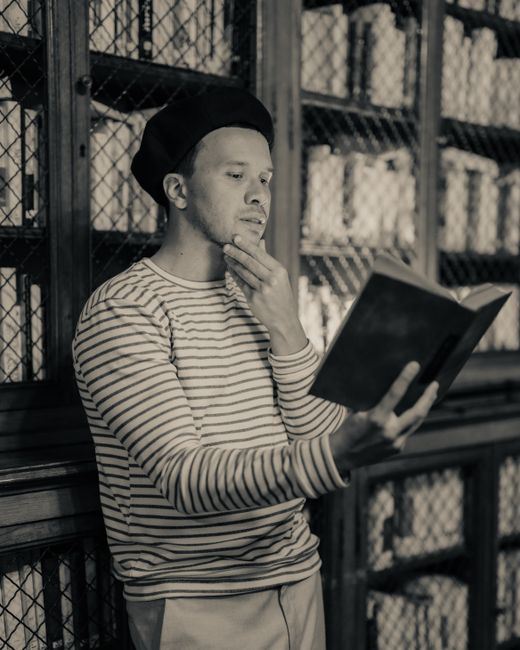
Mychal Threets: Revolutionizing Libraries and Inspiring a New Generation of Readers as a Librarian Influencer
Mychal Threets is more than just a librarian; he is a cultural force, a beacon of inclusivity, and a prolific social media influencer actively reshaping perceptions of libraries and reading. Through his engaging content, Threets has transcended traditional library outreach, connecting with diverse audiences on platforms like TikTok, Instagram, and Twitter, and demonstrating the profound relevance and dynamic nature of the modern library. His work champions a vision of libraries as vibrant community hubs, essential for personal growth, intellectual exploration, and fostering a love of literature for all.
Threets’ journey to becoming a prominent librarian influencer is rooted in a genuine passion for literature and a deep understanding of the transformative power of libraries. Initially pursuing a career in social work, he found himself drawn to the resources and community engagement facilitated by libraries. This led him to pursue a Master’s in Library Science, where he honed his skills in information organization, user services, and community programming. However, it was his innate ability to communicate complex ideas and personal enthusiasm for books that set him apart. He recognized the untapped potential of social media not just as a marketing tool for libraries, but as a platform to humanize the profession and make the library experience accessible and appealing to a wider demographic.
His rise to prominence on platforms like TikTok was largely propelled by his authentic and relatable content. Threets eschews dry, academic presentations in favor of short, punchy videos that highlight book recommendations, debunk library myths, and showcase the often-unseen work of librarians. His "For You Page" (FYP) strategy, as commonly understood in TikTok vernacular, involves understanding trending sounds, challenges, and audience interests, and skillfully weaving library-related content into these popular formats. This approach has allowed him to reach millions of users who might otherwise never engage with library-related content. For instance, he might create a video recommending books based on trending movies or music genres, or participate in popular dance challenges while wearing a t-shirt with a literary quote, subtly associating libraries with contemporary culture.
One of the cornerstones of Threets’ influencer work is his unwavering commitment to diversity, equity, and inclusion (DEI) within literature and library spaces. He actively curates and promotes books by authors from underrepresented backgrounds, highlighting stories that offer diverse perspectives and experiences. This dedication is not merely performative; it reflects a deep-seated belief that libraries should be spaces where everyone feels seen, heard, and valued. He often uses his platform to educate his audience about the importance of diverse collections, explaining how they enrich the reading landscape and foster empathy. His recommendations frequently span genres and age groups, ensuring that his message of inclusivity resonates broadly. He might feature a poignant memoir by a transgender author, a historical fiction novel centering Black experiences, or a graphic novel exploring disability, demonstrating the vastness of stories available.
Threets’ engagement with his audience extends beyond simple book recommendations. He fosters a sense of community by responding to comments, answering questions, and actively soliciting book suggestions from his followers. This two-way communication is crucial for building a loyal following and for gaining insights into what potential library users are seeking. He often addresses common misconceptions about libraries, such as the idea that they are outdated or only cater to a specific type of person. Through his approachable demeanor and educational content, he dismantles these stereotypes, showcasing libraries as dynamic, modern institutions offering a wealth of resources and services beyond just books, including digital access, community programs, and safe spaces for learning and connection.
The impact of Threets’ work on the perception of librarianship is significant. He has demystified the role of a librarian, revealing it to be a multifaceted profession that requires a blend of technical expertise, pedagogical skills, and strong interpersonal abilities. By showcasing his own personality and passion, he inspires aspiring librarians and encourages younger generations to consider library science as a viable and rewarding career path. His visibility on social media helps to combat the sometimes-stale image of librarians as shushing, stern figures, replacing it with a more dynamic and relevant portrayal of professionals who are engaged, innovative, and deeply committed to their communities.
Furthermore, Threets’ influence extends to advocating for increased library funding and support. While he may not directly engage in political lobbying, his widespread popularity and positive portrayal of libraries naturally generate public goodwill and awareness, which can indirectly translate into greater community support and, by extension, increased funding. When people see the value and vibrancy that libraries offer, thanks to influencers like Threets, they are more likely to advocate for their continued existence and growth. His content often implicitly argues for the vital role libraries play in digital literacy, lifelong learning, and social equity, thereby strengthening the case for their public funding.
The strategic use of hashtags by Mychal Threets is a critical component of his SEO-friendly approach to social media. By employing relevant and trending hashtags, he significantly increases the discoverability of his content, ensuring it reaches a broader audience interested in libraries, books, reading, and related topics. Popular hashtags he utilizes include #librarian, #librarytiktok, #booktok, #bookrecommendations, #diversityinbooks, #inclusivebooks, #readersofinstagram, #librariesareessential, and #bibliophile. He also cleverly incorporates niche hashtags related to specific genres, authors, or themes he discusses, further targeting his content to engaged communities. For instance, if he is recommending a fantasy novel by a queer author, he might use #fantasybooks, #lgbtqbooks, and #diversefantasy. This strategic tagging maximizes the reach of his posts, making them visible to users actively searching for such content.
Beyond TikTok, Threets has a strong presence on Instagram, where he shares visually appealing content such as book stacks, aesthetically pleasing library spaces, and infographics about reading statistics or library services. His Instagram strategy often involves carousel posts that delve deeper into book reviews or provide curated reading lists. He also utilizes Instagram Stories for more informal updates, Q&A sessions, and behind-the-scenes glimpses of his work. His Twitter presence complements these platforms, allowing him to engage in real-time conversations with other librarians, authors, and readers, and to share timely news and articles related to libraries and literacy. This multi-platform approach ensures a consistent and comprehensive presence, catering to the different ways users engage with content online.
The educational aspect of Threets’ work is undeniable. He consistently educates his followers about the Dewey Decimal System in a fun and accessible way, explains the intricacies of cataloging in simple terms, and demystifies the process of borrowing or accessing digital resources. He presents these often-perceived "boring" aspects of library science in an engaging manner, making them understandable and even interesting to a general audience. This educational content is crucial for empowering individuals to utilize library services more effectively and for fostering a greater appreciation for the expertise of librarians. He might create a short video explaining how to find a specific book using a library’s online catalog, or demonstrate how to access e-books and audiobooks through popular library apps, thereby lowering the barrier to entry for digital library resources.
Threets’ ability to bridge the gap between traditional library services and the digital landscape is a key differentiator. He understands that for libraries to remain relevant in the 21st century, they must embrace digital platforms and technologies. His influencer work serves as a powerful testament to this, demonstrating how libraries can leverage social media to expand their reach, engage new patrons, and promote literacy in innovative ways. He showcases how libraries offer more than just physical books, highlighting their digital collections, online learning platforms, and virtual programming. This dual focus on both physical and digital resources is essential for the modern library’s continued success.
The commercial aspect of influencer marketing is also relevant to Threets’ work, though he primarily focuses on organic promotion and genuine recommendations. He has partnered with various publishing houses and literary organizations to promote specific books or initiatives. However, his authenticity remains paramount, and his endorsements are widely perceived as credible because they align with his established values and interests. This allows him to monetize his platform responsibly, generating income that can further support his advocacy work for libraries and literacy without compromising the trust of his audience.
In conclusion, Mychal Threets has emerged as a pivotal figure in the evolution of librarianship and the promotion of literacy in the digital age. His influence as a librarian influencer is characterized by his authentic voice, his commitment to DEI, his strategic use of social media, and his ability to demystify and revitalize the perception of libraries and librarians. Through his engaging content, Threets is not only inspiring a new generation of readers but also empowering individuals to engage with their local libraries, thereby fostering more informed, connected, and literature-rich communities. His work serves as a powerful case study for how passion, expertise, and digital savviness can converge to create significant positive change.
