Barbie Ferreira Reflects on Euphoria Departure, Citing Creative Stagnation and Desire for Diverse Acting Roles

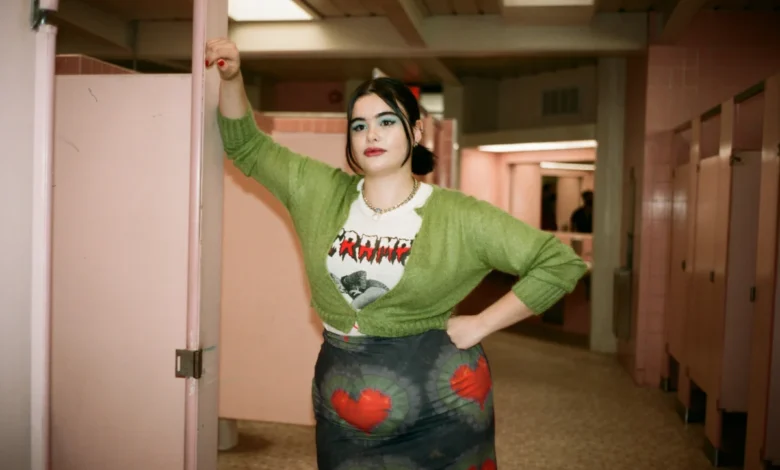
Barbie Ferreira is shedding light on her decision to exit HBO’s acclaimed drama "Euphoria," revealing that her departure after the second season was driven by a perceived lack of a meaningful creative path for her character, Kat Hernandez, and a personal ambition to pursue more challenging acting opportunities. Contrary to widespread speculation and online rumors of behind-the-scenes conflict, Ferreira described her exit as a gradual, collaborative process, born from conversations with the show’s creative team about Kat’s narrative trajectory, which ultimately felt stagnant.
"It wasn’t dramatic," Ferreira stated in a recent interview on Amanda Hirsch’s "Not Skinny But Not Fat" podcast, released on Tuesday. She elaborated that despite ongoing discussions about Kat’s future, a satisfying direction for the character failed to materialize. "It just wasn’t going anywhere," she explained, effectively dispelling the persistent narratives of on-set discord that had circulated widely since her announcement.
The actress’s departure from the series, which had garnered significant critical attention and a dedicated fanbase, was first publicly confirmed in August 2022 through an emotional Instagram post. At the time, Ferreira expressed a "very teary-eyed goodbye" after four years embodying Kat, a character she described as "the most special and enigmatic." She conveyed deep gratitude to the fans who had connected with Kat’s journey, emphasizing the personal investment she had made in the role.
The Evolving Arc of Kat Hernandez
Kat Hernandez was introduced in the inaugural season of "Euphoria" as a pivotal character within the ensemble, particularly noted for her compelling exploration of body image, self-acceptance, and burgeoning sexuality. Initially a close confidante to Maddy (Alexa Demie) and Cassie (Sydney Sweeney), Kat’s storyline was a significant focal point in Season 1. However, by the second season, her narrative arc experienced a notable reduction in screen time and thematic depth. This shift, Ferreira suggested, contributed significantly to her decision to move on.
The reduced scope of Kat’s storyline in Season 2 became a key factor in Ferreira’s assessment of the time commitment required for the series. Filming a season of "Euphoria" typically demands approximately nine months, a substantial period for any actor. For Ferreira, dedicating nearly a year to a project where she felt her character was not consistently engaged or creatively challenged became increasingly difficult to justify.
"I don’t need to be on the biggest TV show on earth if I’m not, like, acting," Ferreira articulated during the podcast. "I would rather do an indie movie where I’m flexing my muscles, being creatively asked to do things." This statement underscores a strategic career move, prioritizing artistic growth and varied performance experiences over the prestige of a high-profile, albeit creatively limiting, role.
Addressing Rumors and Speculation
The narrative surrounding Ferreira’s exit was further complicated by fan-fueled speculation, including persistent claims of on-set tensions with series creator Sam Levinson. HBO had previously issued a statement in March 2022, disputing allegations of a "toxic" production environment on "Euphoria" following reports in Vanity Fair. Ferreira has consistently refuted these rumors, maintaining that she never experienced such conflicts and felt unfairly drawn into a manufactured drama.
"I kind of got sucked into this drama that I never asked to be in," she confessed on the podcast, reiterating that her departure was a "mutual decision" rooted in the creative impasse concerning Kat’s storyline. This aligns with earlier interviews where she had alluded to Season 2 presenting creative and emotional challenges for both herself and the production team.
Ferreira’s perspective highlights a common dilemma faced by actors in long-running, popular series. As shows evolve and storylines shift, characters who were once central can find themselves marginalized, leading to potential dissatisfaction for the actors portraying them. The desire for continued artistic development and the pursuit of roles that offer greater complexity and emotional range are powerful motivators for actors seeking to expand their careers beyond a single, defining character.
A Look Back and Forward
Despite her departure, Ferreira expressed a sense of pride in her tenure on "Euphoria." She indicated her intention to watch the newly released third season, acknowledging the ensemble’s continued evolution as the series progresses without her character. Her decision marks a significant turning point in her career, signaling a deliberate pivot towards roles that promise greater creative fulfillment and a broader spectrum of acting challenges.
Ferreira’s career trajectory since "Euphoria" has begun to reflect her stated ambitions. She has taken on roles in independent films, allowing her to explore different genres and character types. This strategic choice to prioritize creative depth over mainstream visibility is a testament to her commitment to her craft and her long-term vision for her acting career. The success of "Euphoria" provided a significant platform, but Ferreira appears determined to leverage that experience to build a diverse and artistically rich filmography.
The impact of Ferreira’s departure on "Euphoria" remains a subject of discussion among fans and critics. Kat’s character arc in Season 2 was indeed truncated, leaving many viewers with a sense of unfulfilled potential. While the series has continued to captivate audiences with its raw depiction of teenage life and its strong ensemble cast, the absence of a character who offered a unique perspective on body positivity and self-discovery is undeniable. The show’s continued success will likely depend on its ability to weave new compelling narratives and character developments for its remaining cast, while Ferreira embarks on a new chapter, driven by her desire for challenging and meaningful acting work. Her candid reflections offer valuable insight into the complex decisions actors face when balancing the demands of a hit series with their personal artistic aspirations.