Bong Joon Ho Returns With Mickey 17 Starring Robert Pattinson A Deep Dive Into The Sci Fi Masterpiece

The cinematic landscape is bracing for the return of one of the most visionary directors of the twenty-first century. Bong Joon Ho, the visionary South Korean filmmaker who made history at the 92nd Academy Awards with his genre-defying masterpiece "Parasite," is officially stepping back onto the global stage with his highly anticipated science fiction feature, "Mickey 17." Scheduled to arrive in theaters on March 29, 2024, the film represents Bong’s follow-up to the unprecedented global phenomenon that swept the Oscars by winning Best Picture, Best Director, Best International Feature Film, and Best Original Screenplay.
Based upon the speculative fiction novel "Mickey 7" by author Edward Ashton, the upcoming cinematic adaptation has been penned for the screen by Bong himself. Known for his meticulous writing process and ability to subvert genre conventions, Bong has reportedly taken creative liberties with the source material, ensuring that "Mickey 17" will offer distinct narrative twists that even readers of the original novel will not anticipate. As anticipation builds across the entertainment industry, film enthusiasts and science fiction critics alike are dissecting every available detail regarding the production, casting, and thematic underpinnings of this ambitious project.
Main Facts and Production Overview
At its core, "Mickey 17" is a high-concept science fiction narrative centered on the perils of human colonization, corporate expendability, and the definition of human consciousness. The titular character, Mickey, is an "Expendable"—an employee on a hazardous human expedition dispatched from Earth to colonize Niflheim, a hostile, frozen ice world. In this futuristic society, whenever a mission proves too dangerous or outright suicidal for a standard crew member, the task is assigned to the Expendable. Upon the inevitable death of the operative, a new body is regenerated with most of his previous memories intact.
The title change from the original novel’s "Mickey 7" to the film’s "Mickey 17" hints at an escalation of scale, trauma, and recursive existence. By the time the events of the film unfold, the protagonist has already undergone sixteen iterations of death and rebirth, accumulating a staggering psychological toll. The narrative kicks into high gear when Mickey 7—presumed dead after a routine exploration accident—returns to the base, only to find that Mickey 8 has already been printed, violating protocol and forcing the clones to coexist in secret to avoid being permanently decommissioned.
The film boasts an elite, star-studded ensemble cast led by Robert Pattinson, who takes on the physically and psychologically demanding dual role of the clones. Pattinson is joined by an impressive roster of international talent, including Academy Award nominee Steven Yeun, Naomi Ackie, Toni Collette, and Mark Ruffalo. Behind the camera, the production is backed by Plan B Entertainment, ensuring top-tier Hollywood backing to match Bong’s distinct directorial vision. Furthermore, the sonic landscape of the film will be crafted by composer Jae-il Jung, whose haunting and dynamic musical arrangements were instrumental in establishing the tense atmosphere of "Parasite."
Chronology of Development and Production Milestones
The journey of "Mickey 17" from literary manuscript to blockbuster cinema has been marked by careful planning, high-profile casting announcements, and strategic release scheduling. Understanding the timeline of the project highlights the immense scope and careful curation required to bring Bong Joon Ho’s vision to life.
In early 2022, news began to circulate that Bong Joon Ho was developing his next feature film following the international triumph of "Parasite." Warner Bros. Pictures quickly secured the project, signaling immense studio confidence in the director. By May 2022, reports confirmed that Robert Pattinson was in talks to lead the film, a casting choice that immediately generated widespread enthusiasm across social media and trade publications. Pattinson, known for seamlessly transitioning between indie auteur projects and major studio blockbusters, was viewed as an ideal fit for Bong’s eccentric and challenging style.
By the summer of 2022, the supporting cast began to lock into place. Steven Yeun, who previously collaborated with prominent Korean directors such as Lee Chang-dong in "Burning," joined the ensemble alongside seasoned actors Toni Collette and Mark Ruffalo. Production commenced later that year, primarily taking place at Warner Bros. Studios Leavesden in the United Kingdom.
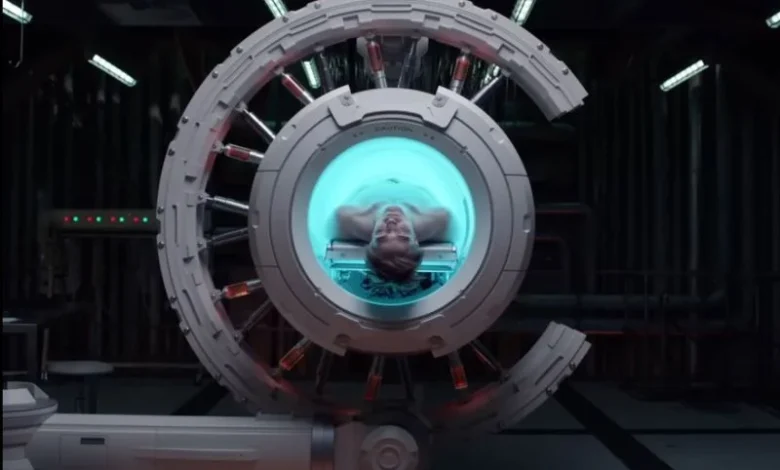
In December 2022, Warner Bros. released the first official teaser footage, offering audiences a brief, atmospheric glimpse of Robert Pattinson inside a futuristic regeneration chamber. The initial promotional materials immediately established the film’s sterile, high-tech aesthetic contrasted against the brutal, claustrophobic realities of interstellar colonization.
Supporting Data and Contextual Analysis
To fully appreciate the significance of "Mickey 17," it is necessary to examine the trajectory of Bong Joon Ho’s career and the cultural weight of his previous works. Bong has consistently used genre cinema as a Trojan horse to critique systemic inequality, late-stage capitalism, and bureaucratic indifference. From his early crime thriller "Memories of Murder" to the aquatic monster feature "The Host," the dystopian train ride of "Snowpiercer," and the cross-class satire of "Parasite," Bong’s filmography is unified by a sharp, cynical, yet deeply humanistic worldview.
"Mickey 17" shares profound thematic DNA with "Snowpiercer," Bong’s English-language debut which similarly explored a closed, highly stratified ecosystem populated by desperate survivors. While "Snowpiercer" examined class warfare from the back of a train to the front, "Mickey 17" focuses inward, examining the commodification of human life itself. In the world of Niflheim, a human being is reduced to data that can be backed up, printed, and discarded at the whim of corporate overseers.
The economic model of the Expendables program serves as a dark satire of modern labor practices, where workers are treated as infinitely replaceable assets. Edward Ashton’s novel explores these themes with a darkly comedic undertone, a sensibility that aligns perfectly with Bong’s signature tonal shifts, which effortlessly pivot from slapstick dark humor to existential dread.
Official Responses and Industry Reactions
The announcement and subsequent marketing rollout of "Mickey 17" have elicited high praise from industry insiders and executives alike. Warner Bros. Pictures has positioned the film as a cornerstone of its prestige-meets-tentpole strategy, trusting an auteur director with a massive budget to deliver an original, non-franchise property.
Exhibitors and theater owners have also expressed optimism regarding the March 2024 release date. Following years of post-pandemic box office volatility heavily reliant on established comic book franchises and legacy sequels, the industry has shown an increasing appetite for high-budget, director-driven original science fiction. The collaboration between Bong Joon Ho and Robert Pattinson represents a potent commercial and artistic draw, bridging the gap between international critical acclaim and mainstream audience appeal.
Cast members have frequently spoken in interviews about the rigorous physical and mental demands of working on a Bong Joon Ho set. Robert Pattinson, accustomed to challenging roles, reportedly found the dual-character dynamic of playing concurrent iterations of the same person to be uniquely testing. Meanwhile, actors like Mark Ruffalo and Toni Collette have lauded the collaborative environment fostered by the director, emphasizing his meticulous storyboarding and absolute clarity regarding every frame of the film.
Broader Impact and Implications for Modern Cinema
The release of "Mickey 17" carries significant implications for the future of global filmmaking and the distribution of high-budget original content. As Hollywood studios increasingly retreat into safe intellectual properties, cinematic universes, and pre-sold brands, the greenlighting of a multi-million-dollar, R-rated philosophical sci-fi film directed by a South Korean auteur is a rare triumph for original storytelling.
Bong Joon Ho’s historic Oscar sweep in 2020 permanently shattered the invisible barrier that traditionally marginalized non-English-language cinema in Western award ceremonies and box office markets. "Mickey 17" serves as the ultimate test of whether that paradigm shift can translate into enduring commercial viability for original Hollywood-backed productions spearheaded by international talent. If the film achieves box office success, it could pave the way for studios to take bolder risks on visionary directors from diverse backgrounds, proving that audiences are eager for narratives that challenge convention.
Furthermore, the film arrives at a time of escalating societal anxiety surrounding rapid technological advancement, cloning ethics, artificial intelligence, and corporate oversight. By utilizing the lens of speculative fiction, "Mickey 17" is poised to enter the cultural zeitgeist not merely as an entertaining piece of cinema, but as a timely reflection on the value of individual identity in an increasingly automated and industrialized universe. As the March 29, 2024 release date approaches, anticipation continues to mount, cementing the film as one of the most culturally significant cinematic events of the decade.
Related posts: