The vast and intricate tapestry of Chinese gastronomy, characterized by its staggering regional diversity and centuries of refinement, defies any attempt to categorize it into a singular, definitive list. With a culinary tradition that spans over 5,000 years, China’s food culture is a reflection of its complex geography, varying climates, and profound historical shifts. From the delicate, nuanced flavors of the coastal southern provinces to the bold, fire-infused profiles of the landlocked interior, Chinese cuisine is not a monolith but a collection of distinct regional systems. For the uninitiated traveler or the aspiring home cook, navigating this landscape requires an understanding of essential dishes that serve as pillars for a broader appreciation of the country’s edible heritage.
The evolution of Chinese food is intrinsically linked to the movement of political power and social shifts. Historically, the imperial courts served as the primary incubators for culinary innovation. When the seat of power shifted from Nanjing to Beijing in the 15th century, it triggered a mass migration of chefs and recipes, facilitating the cross-pollination of northern and southern techniques. This historical mobility is why certain dishes, such as Peking duck, possess a lineage that can be traced back over 1,500 years to ancient imperial regimes, later evolving into the global phenomenon recognized today.

The Imperial Legacy: Peking Duck and Beyond
Peking duck stands as perhaps the most globally recognizable symbol of Chinese culinary sophistication. The dish, characterized by its thin, crisp, amber-colored skin and succulent meat, represents a rigorous preparation process that involves air-drying, glazing, and roasting in a closed or hung oven. While Nanjing is widely regarded as the historical cradle of roasted duck, it was the refinement of the dish in the imperial kitchens of Beijing that standardized the presentation: the duck is carved into thin slices—each ideally including a piece of skin—and served with thin pancakes, scallions, cucumbers, and a sweet bean sauce.
Beyond the roasted bird, the duck is a cornerstone of regional diets, particularly in Nanjing, which remains a fiercely proud contender for the title of China’s true “duck capital.” Here, the utilization of the entire animal is a hallmark of the local food culture. Dishes such as vermicelli soup with duck blood, liver, and gizzards highlight a nose-to-tail philosophy that maximizes flavor and resources. This approach is not merely a product of necessity but a testament to the technical skill required to transform offal into a celebrated street food staple.
The Art of Texture and Seasoning: Steamed Fish and Hunanese Spice
In the realm of Cantonese cuisine, the steamed fish is a masterclass in timing and temperature control. The objective is to achieve a texture where the flesh is perfectly tender and easily detaches from the bone, a result that requires precise mastery of the steaming vessel. The dish is typically seasoned with a light, sweetened soy sauce and topped with scallions and hot oil to release aromatics. The difficulty of this dish lies in the margin for error; a matter of seconds can lead to overcooked, dry, or rubbery fish.

Contrasting this subtlety is the bold, aggressive profile of Hunanese or Xiang cuisine. In the mountainous southern province of Hunan, the philosophy is simple: a meal is incomplete without the presence of chili. The iconic dish of the region, steamed fish head with chopped salted chili (duo jiao yu tou), embodies this sentiment. The salted chili, or duo jiao, is a fermented condiment created by preserving diced peppers with ginger, garlic, and baijiu for at least a week. This process produces a complex, salty-spicy punch that elevates the delicate nature of the fish head.
The Historical Context of Noodle Culture
The narrative of Chinese noodles is equally steeped in history and social adaptation. Dan dan noodles (dan dan mian), a staple of Sichuan cuisine, derive their name from the carrying poles (dan dan) used by street hawkers in the late 19th century. The dish, which can be served as a dry mix or in a spicy, nutty broth, features minced pork, scallions, and crushed peanuts. The dish highlights the regional preference for "ma la" (numbing and spicy) flavor profiles, powered by Sichuan peppercorns.
Similarly, the legend of "cross-the-bridge" rice noodles from Yunnan province provides a poignant look at domestic innovation. According to folklore, a wife developed the method of serving hot chicken broth separately from the raw ingredients to ensure her husband, who was studying on a remote island, could have a hot, fresh meal despite the long commute. The layer of chicken fat on the soup’s surface acted as an insulator, keeping the broth at a temperature sufficient to cook the ingredients once they were added. This method remains a functional and celebrated part of the region’s culinary identity.

Regional Specialties and Culinary Diversity
The breadth of Chinese food is further illustrated by the contrast between coastal seafood traditions and inland comfort foods. In the seaside city of Chaozhou, the culinary mandate is the preservation of umami. Cold-steamed crab or fish, served at room temperature, allows the natural sweetness of the seafood to remain unmasked, typically paired with simple, acidic, or salty dips.
Conversely, the Hakka people, known for their historical nomadic movements, developed dishes that emphasize preservation and durability. The braised pork belly with mei cai (pickled mustard greens) is a quintessential example. The mei cai acts as a sponge, absorbing the rich, rendered fat from the pork, while simultaneously imparting a sharp, fermented acidity to the dish. This dish reflects the practical ingenuity required by a culture that historically had to adapt its cooking to the constraints of travel and migration.
The Evolution of Street Food and Dim Sum
Street foods like jian bing guozi—a savory crepe filled with deep-fried crisps and bean paste—and the ubiquitous baozi (steamed buns) serve as the pulse of urban life. Jian bing has evolved from a humble breakfast for northern commuters into a sophisticated food category that showcases the street-side vendor’s ability to balance textures. The crispness of the guozi against the softness of the mung bean crepe creates a sensory experience that defines the morning routine in cities like Tianjin.

Dim sum, often misidentified as a single dish, is a cultural phenomenon rooted in the Cantonese tea-house tradition. It represents a communal dining style involving an array of small plates, ranging from steamed har gow (prawn dumplings) to pan-fried radish cakes. The efficiency of the dim sum format—allowing diners to sample a wide variety of flavors and textures in one sitting—has contributed to its status as one of China’s most enduring culinary exports.
Modern Implications and Global Influence
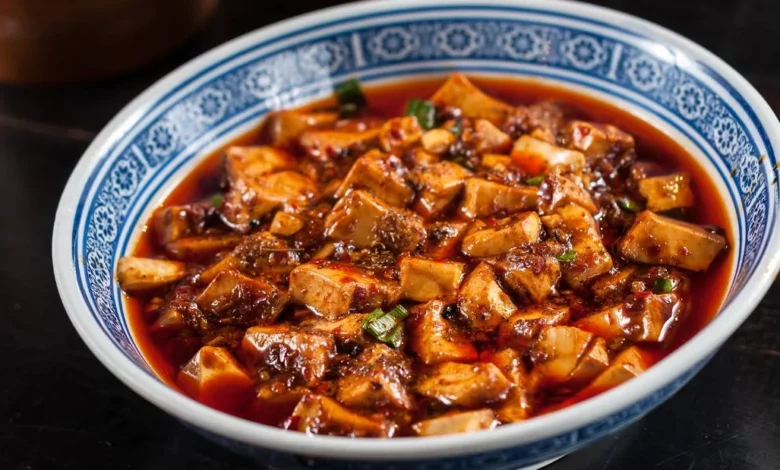
As Chinese cuisine continues to evolve, it faces the challenges and opportunities of globalization. Dishes like Kung Pao chicken have undergone significant adaptations in international markets, often losing their original Sichuanese balance of sour, salty, and spicy in favor of more localized sweetness. However, the resurgence of interest in authentic regional styles—such as the specific, nuanced flavors of Pidu broad bean paste in mapo tofu or the distinct chewiness of Chen cun flat rice noodles—indicates a growing global appreciation for the technical and historical complexity of Chinese food.
From a public health and social perspective, the "therapeutic" nature of many Chinese dishes remains a focal point. Cantonese herbal soups, simmered for hours with seasonal ingredients to balance the body’s "qi," reflect a holistic approach to nutrition that has been practiced for generations. Similarly, the versatility of congee, which serves as both a comfort food and a digestive aid, highlights the integration of wellness into the daily diet.

Data and Trends in the Gastronomic Sector
Recent industry data suggests that the Chinese culinary market is increasingly focused on the preservation of traditional craft techniques. While mass-produced food remains prevalent, there is a measurable trend toward "heritage tourism," where travelers specifically visit regions like Shaanxi for authentic rou jia mo or Ningbo for traditional tangyuan. This shift suggests that the value of regional authenticity is becoming a primary driver for both domestic and international food enthusiasts.
In conclusion, the Chinese culinary landscape is not a static menu but a living history. It is a system that rewards the curious and the patient, inviting diners to look beyond the surface of a dish to the history, the geography, and the ingenuity that brought it to the table. Whether through the refined technique of a masterfully steamed fish or the humble, persistent warmth of a bowl of congee, Chinese food remains a profound medium for understanding the country’s past and its ongoing cultural narrative. As global interest continues to rise, the emphasis on regional specificity and historical context will likely remain the most important factor in the continued evolution of this diverse and storied cuisine.