Finding Beauty in the Wake of Loss: A Reflection on Everyday Glimmers and Resilience

The experience of grief is a profound disruption to the rhythm of daily life, often characterized by a sense of disorientation that parallels the psychological impact of sudden loss. Throughout the summer of 2026, many individuals reported navigating the complexities of bereavement, a process that frequently shifts one’s perspective on the mundane details of urban existence. As communities grapple with the weight of loss, psychological experts emphasize the importance of identifying "glimmers"—small, positive moments that serve as grounding mechanisms during periods of emotional instability. This practice of focusing on the tangible, everyday aspects of life is not merely a coping strategy but a recognized psychological approach to processing trauma and maintaining mental equilibrium.
The Psychological Landscape of Modern Grief
Grief is a non-linear process, and the sudden disappearance of a loved one or a significant community member can trigger a state of acute stress. Clinical psychologists often describe this phase as a "horror-like" experience, where the brain struggles to reconcile the permanence of absence with the continuity of the environment. The adage that "everyone you meet is fighting a battle you know nothing about" has gained renewed relevance in 2026 as social researchers observe a rise in communal efforts to foster empathy and interpersonal connection in the face of widespread, albeit individualized, sorrow.

The necessity for these "glimmers" has become a focal point in contemporary mental health discourse. By anchoring oneself in the present—whether through simple daily routines, creative pursuits, or neighborhood interactions—individuals can mitigate the paralyzing effects of long-term mourning.
Chronology of Daily Respite and Community Connection
The transition from late summer into early autumn has seen a notable shift in how individuals prioritize domestic and social engagement. Data from local community centers and lifestyle surveys indicate a rising trend in "intentional living," characterized by the following developments:
- Mid-August: A surge in reports of neighborhood-based social activities, such as intergenerational cooking sessions and communal dining, aimed at strengthening local support networks.
- Late August: Increased parental focus on documentation of familial growth. Observations from family dynamic specialists suggest that parents are finding heightened significance in the routine milestones of their children, often utilizing digital communication to bridge the gap between school and home environments.
- Early September: A marked shift in consumer behavior toward functional, bright, and optimistic aesthetics in local fashion, signaling a collective subconscious desire for visual levity.
Culinary Habits as a Tool for Stability
The domestic environment serves as a primary site for emotional regulation. Recent surveys on home cooking habits reveal that the process of preparing food—particularly simple, pantry-based meals—provides a meditative reprieve for those processing difficult life events.

The adoption of "fridge-clearing" recipes, such as orzo chicken salads, reflects a broader trend toward minimalism and efficiency. By utilizing readily available ingredients like feta, lemon, and fresh vegetables, individuals are reclaiming a sense of agency within their households. Nutritional sociologists suggest that the sensory experience of cooking—the tactile nature of chopping, the acidity of lemon, and the assembly of textures—helps to anchor the mind, effectively lowering cortisol levels and providing a consistent, predictable outcome in an otherwise unpredictable time.
The Role of Intergenerational Mentorship
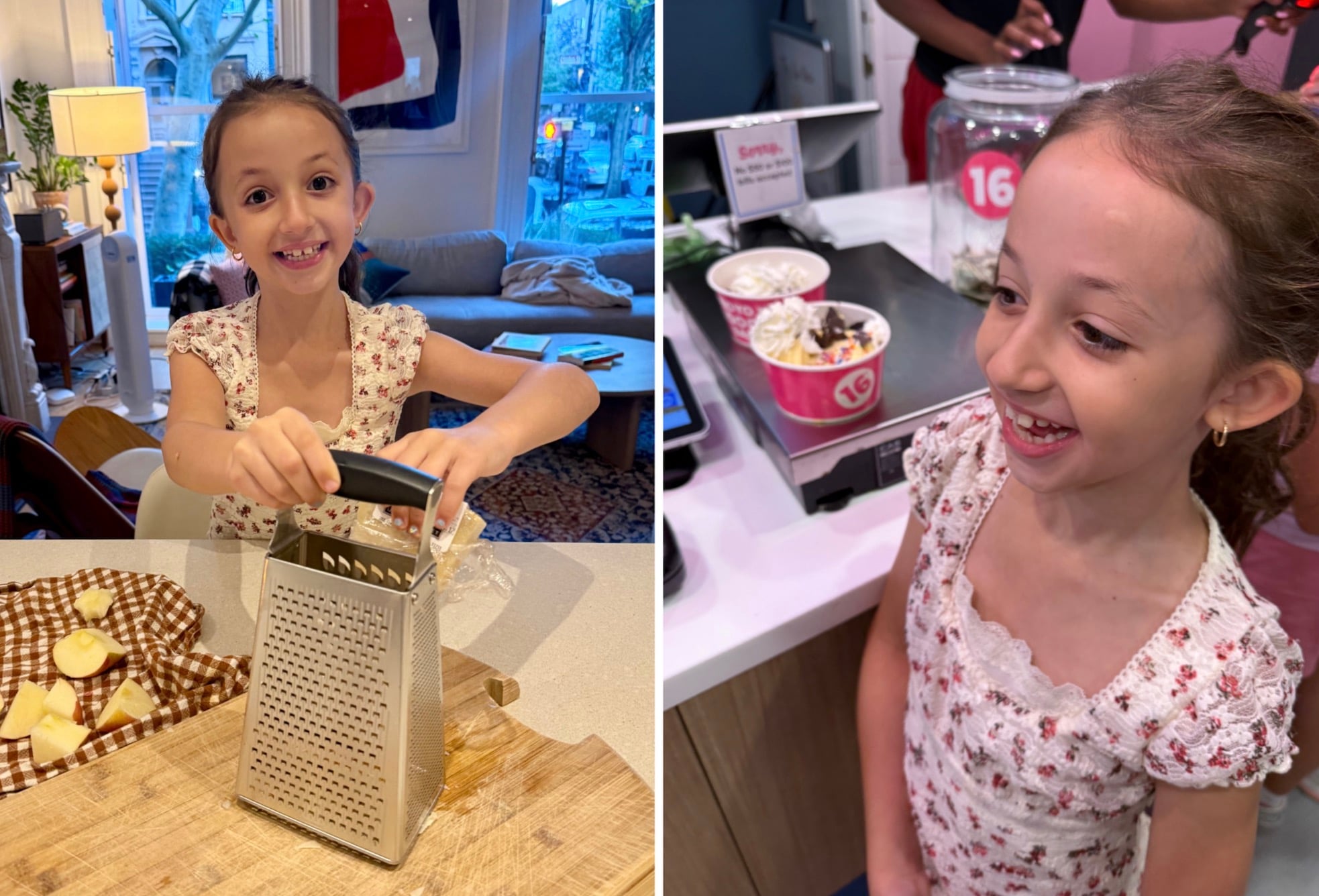
A key element in the emotional recovery of neighborhood residents has been the emphasis on "neighborhood aunts" and mentorship roles. By engaging with younger members of the community, adults are able to externalize their caregiving instincts, which can be cathartic. These relationships, characterized by activities such as collaborative cooking or shared walks, provide a dual benefit: they offer children meaningful social development while giving adults a structured, positive framework to interact with their surroundings.
Reports indicate that these relationships have strengthened the social fabric of Brooklyn neighborhoods, fostering a sense of interconnectedness that buffers against the isolation often associated with grief. The act of teaching a child to cook or sharing a local treat is an exercise in continuity—a reminder that despite the loss of a specific individual, the cycle of life, education, and nourishment continues.
Aesthetic Trends and the Search for Optimism
The emergence of "bright green" as a predominant fashion trend in Brooklyn this fall serves as an interesting case study in the intersection of psychology and culture. Color theory suggests that vibrant, high-saturation colors, particularly greens, are associated with growth, renewal, and vitality.
Market analysts monitoring local retail trends have identified a significant uptick in the demand for bright midi skirts, cotton trousers, and jersey shirts in various shades of meadow and lime. This is not merely a seasonal aesthetic shift; it is a manifestation of the collective desire to stand out against the grey backdrop of loss. By opting for bold, visible attire, residents are engaging in a form of "dopamine dressing," where the act of wearing uplifting colors contributes to an improved mood and a more positive outward engagement with the public sphere.
Broader Implications and Future Outlook
The phenomena observed in late 2026—the prioritization of family connection, the meditative utility of home cooking, and the shift toward vibrant aesthetic expression—point to a resilient, adaptive society. As the community moves into the winter months, the challenge remains to maintain these glimmers amidst the potential for seasonal affective decline.
Policy makers and community leaders are encouraged to continue supporting spaces that facilitate these small-scale, high-impact interactions. Whether through public gardens, community kitchens, or local retail hubs, the infrastructure of the city plays a vital role in supporting the mental well-being of its inhabitants.
In conclusion, the pursuit of "glimmers" is a testament to human resilience. While the loss of a loved one leaves an indelible mark on the psyche, the ability to pivot toward the small, manageable, and beautiful aspects of daily life serves as a critical buffer. By acknowledging the reality of grief while simultaneously seeking out the light, individuals are better equipped to navigate the complexities of their personal and communal histories.
As we look toward the remainder of the year, the recommendation from mental health professionals remains clear: observe the glimmers, participate in the local community, and prioritize those daily routines that provide comfort. Whether it is a photo sent from a classroom, a meal prepared with a neighbor, or the choice to wear a bright, hopeful color, these actions are the building blocks of recovery.
Summary of Recent Observations:
- Social Cohesion: Increased participation in neighborhood-based mentorship roles has contributed to improved community morale.
- Domestic Management: Simplified cooking routines have emerged as a primary method for stress reduction.
- Trend Analysis: The prevalence of bright green textiles suggests a collective pivot toward visual symbols of growth and renewal.
- Mental Health Context: The integration of "glimmer-seeking" into daily life is increasingly recognized as a valid, effective, and necessary component of long-term grief management.
By grounding these experiences in the realities of daily life, we ensure that the memory of what was lost is honored, not by constant sorrow, but by a continued, intentional commitment to the beauty of the present.