
A Legacy of Longitudinal Filmmaking
The series traces its origins to 1964 with the release of Seven Up!, a documentary directed by Paul Almond and produced by Cecil Bernstein. The premise was rooted in the Jesuit maxim, "Give me a child until he is seven and I will give you the man," a phrase that has served as the series’ thematic anchor for 62 years. The original production team selected 14 children from disparate socio-economic backgrounds, ranging from the children of the elite to those living in state-supported foster care, to determine whether their early life circumstances predetermined their future success and happiness.
Following the initial installment, the late director Michael Apted—who served as a researcher on the first film—took the helm for every subsequent episode, returning to the subjects every seven years. This commitment to a septennial cadence allowed the audience to witness the physiological and psychological transitions of the participants in real-time, effectively creating a "living" documentary that outpaced the careers of most filmmakers and the lifespans of many industry standards.

Chronology of the Up Series
The timeline of the project represents a singular achievement in broadcast history, paralleling major historical shifts in British society:
- 1964 (Seven Up!): The initial cohort is introduced. The focus is on their aspirations and their starkly different environments.
- 1970 (Seven Plus Seven): The participants reach age 14, highlighting the onset of adolescence and the hardening of societal expectations.
- 1977 (21 Up): The subjects navigate early adulthood, reflecting the cultural shifts of the 1970s.
- 1984 (28 Up): The focus shifts to career stability, marriage, and the realization of early childhood dreams.
- 1991 (35 Up): Subjects reflect on middle age and the compromises made during their thirties.
- 1998 (42 Up): The series begins to explore themes of mortality and the long-term impact of life choices.
- 2005 (49 Up): Mid-life reassessment becomes the dominant theme.
- 2012 (56 Up): The cohort confronts the aging process and the legacy they are leaving for their own children.
- 2019 (63 Up): The subjects face retirement and the inevitable health challenges associated with entering their sixties.
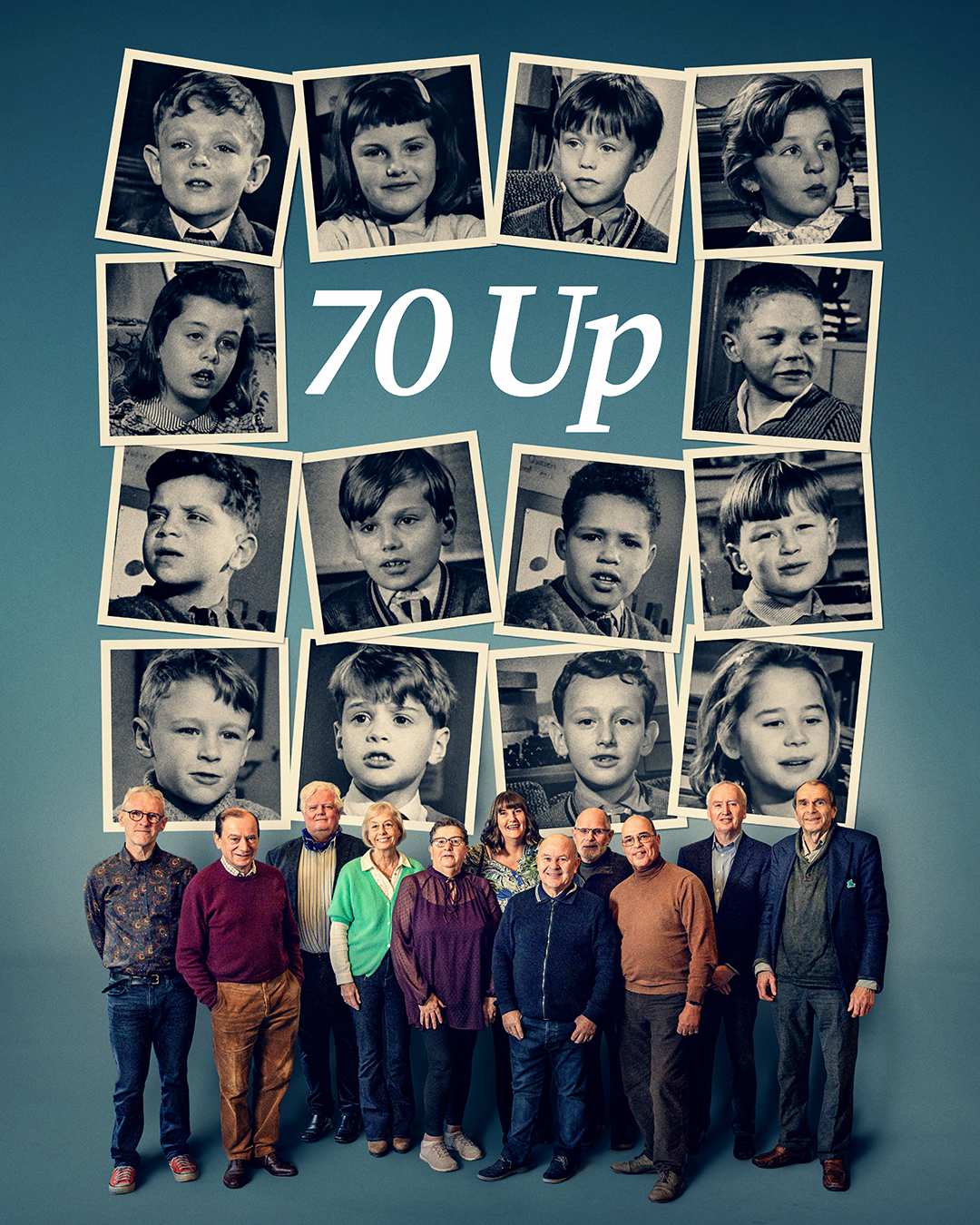
- 2026 (70 Up): The final chapter, directed by Asif Kapadia following the death of Michael Apted in 2021, brings the project to a close, focusing on legacy and the wisdom of late adulthood.
Sociological Implications and Data
The Up series has been cited extensively in academic sociology and psychology, serving as a primary source for understanding social mobility in Britain. When the series began in the mid-1960s, the United Kingdom was undergoing rapid social transition. The documentaries captured the slow erosion of the class system and the impact of the educational reforms that followed the post-war era.
Data derived from the series suggests that while socio-economic background initially dictated the trajectory of the participants—such as access to elite universities versus early entry into the manual workforce—the series also revealed the resilience of the human spirit. Many participants who faced early adversity found ways to redefine their paths, demonstrating that while early childhood is a significant predictor of environment, it is not a rigid cage for one’s potential. Conversely, some participants born into privilege faced unexpected struggles, including mental health challenges and career instability, underscoring the universal nature of human fragility.
The Transition of Direction and Vision
The passing of Michael Apted in January 2021 left the project at a crossroads. As a director, Apted was noted for his empathetic but firm interviewing style, often pushing participants to confront the discrepancies between their childhood ambitions and their adult realities. The appointment of Asif Kapadia, an Academy Award-winning documentarian known for his work on Amy and Senna, to direct the final installment, 70 Up, was met with significant anticipation.
Kapadia has stated that his approach to 70 Up was to honor the integrity of the decades of footage already archived while providing a respectful resolution to the participants’ stories. For the subjects themselves, the documentary process has become a lifelong commitment, often creating a unique "family" dynamic among a group of people who otherwise would never have crossed paths.
Public and Critical Reception
The cultural impact of the Up series cannot be overstated. It has influenced generations of filmmakers and has been parodied and referenced across global media, including the American documentary series The Up Series and various spin-offs. Critics have often noted that the series functions as a mirror for the viewer; as the participants age, the audience finds themselves reflecting on their own life milestones.

In recent years, the series has drawn attention for its candid portrayal of the aging process. By 63 Up and now 70 Up, the narrative arc has shifted from the pursuit of professional success to the management of loss, the appreciation of health, and the evaluation of long-term relationships. This transition has provided a rare, unvarnished look at the later stages of life, a demographic often marginalized in mainstream media.
Broader Impact and Conclusion
The completion of 70 Up signifies more than just the end of a television program; it serves as a massive, multi-generational archive of the British experience. The project has produced over 100 hours of footage that historians will likely analyze for decades to come. It serves as a testament to the fact that personal identity is not static but a fluid, lifelong process of becoming.
As the final participants share their thoughts on the end of the project, a common theme has emerged: gratitude for the record of their lives. While many of the original participants initially participated with hesitation, the cumulative effect of the project has been to provide a sense of coherence to their lives. As they enter their seventies, the series illustrates that the most significant lessons are often learned not in the bright-eyed optimism of childhood, but in the reflection of a life lived in full.
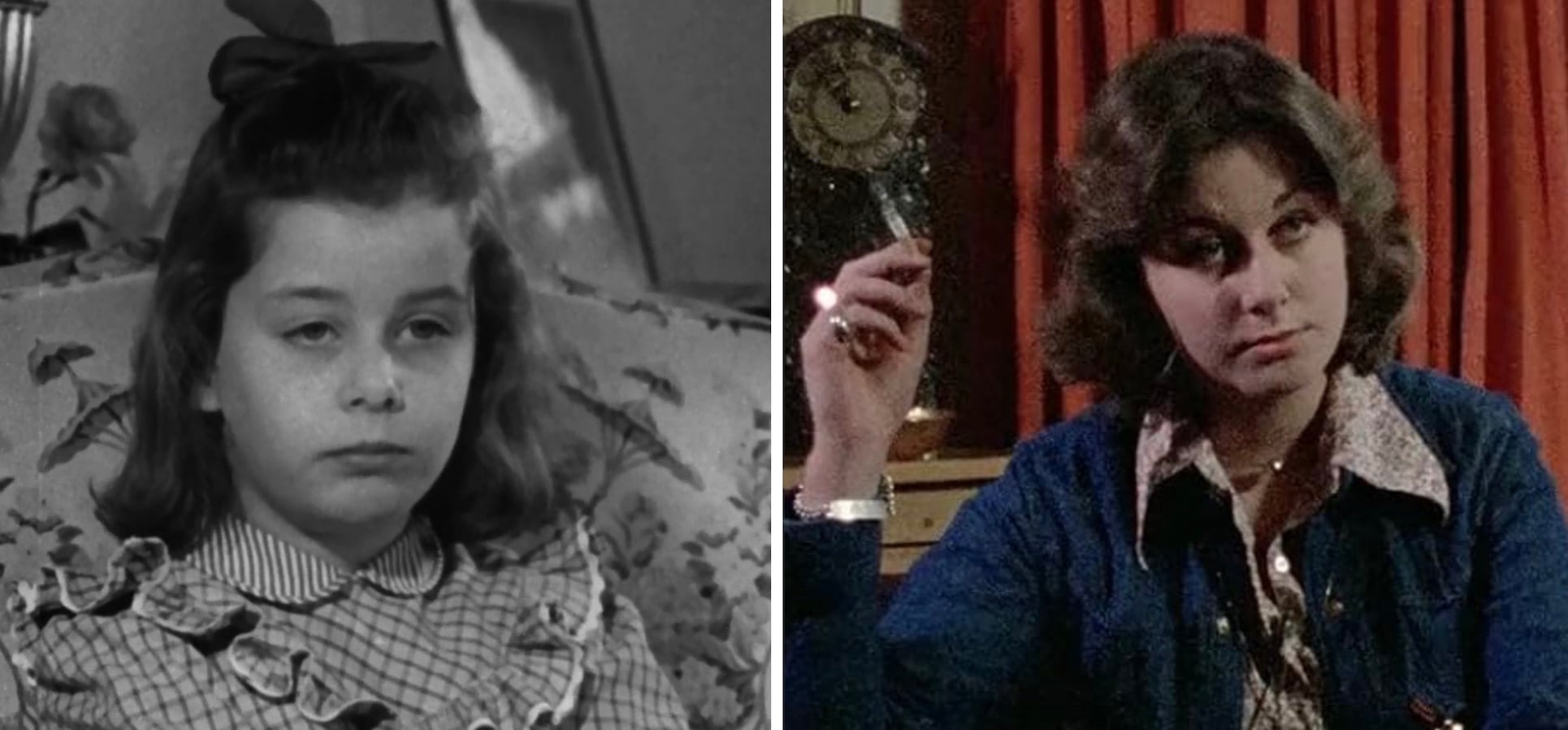
The legacy of the Up series remains its commitment to the mundane and the profound alike. It has proven that the lives of ordinary people, when viewed over the expanse of a lifetime, constitute a narrative as complex and compelling as any scripted drama. With 70 Up, the series concludes, but the archive remains—a permanent fixture in the landscape of documentary filmmaking and a profound study of what it means to grow old in the modern world.